作者: admin

  • Guyana health minister urges global health overhaul as funds tighten

    Guyana health minister urges global health overhaul as funds tighten

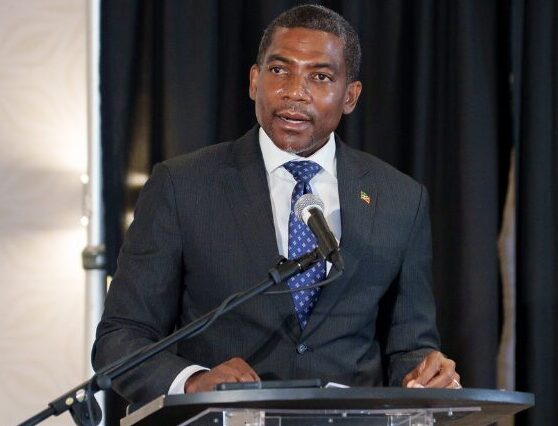
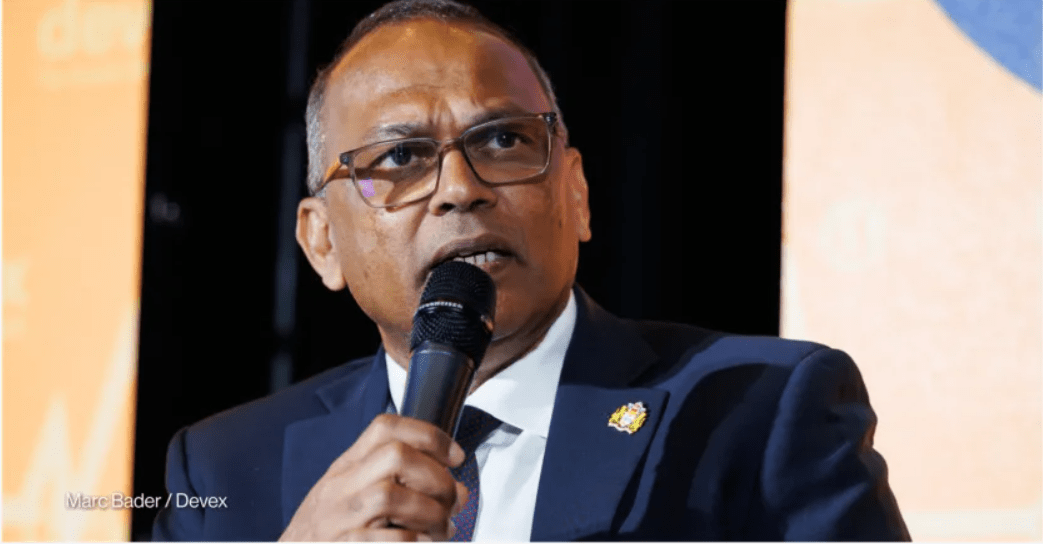
    In remarks delivered at the Devex Impact House on the sidelines of the annual World Health Assembly on Thursday, Guyana’s Minister of Health Dr. Frank Anthony has issued a urgent call for a fundamental reimagining of global health governance, arguing that decades of institutional bloat have left major international health bodies too slow, bureaucratic, and unresponsive to the needs of low-income and small developing nations — a gap that has been amplified by a growing global funding crisis that leaves no room for delay.

    Anthony argued that incremental tweaks to existing structures are no longer sufficient, as mounting financial constraints have forced the global health community to pursue sweeping restructuring regardless of institutional preference. “If we don’t want to restructure, we are being forced to restructure, because it’s not an environment where there’s a lot of money available,” he told attendees. “There’s no other way around this.”

    The debate over global health reform comes as World Health Organization (WHO) member states deliberate a new joint framework to assess the future of global health architecture, with ongoing discussion over whether the system requires deep institutional consolidation, revised mandates, or full-scale institutional reform. Anthony emphasized that the core problem extends far beyond insufficient funding: it centers on whether existing institutional structures are actually designed to deliver effective results for vulnerable populations.

    “We need to look internally at the organization and whether the structure that we currently have is really fit for purpose,” he said. “And if it’s not, then we need to have a major overhaul.” He also raised accountability concerns about regional health bodies nested within the global governance system, noting that in many cases, regional entities operate in silos with overlapping mandates and no clear reporting mechanisms to global oversight bodies. Disputes over equitable funding distribution across regions have further compounded systemic inefficiencies, he added.

    For small, low-income countries like Guyana, the outcome of these reforms carries uniquely high stakes, Anthony argued. Too often, the needs and perspectives of lower-income nations are sidelined in global health decision-making, despite facing the most acute barriers to care. “They need to get their voices heard in the global environment, and people really need to listen to them, because they have major challenges,” he said. “If we’re not listening to them and working for them, then who are these organizations really working for?”

    Looking ahead to the upcoming selection of the next WHO Director-General, Anthony outlined the core qualifications the next leader must bring to the role: sharp political acumen, deep technical expertise, and a proven ability to address the organization’s persistent financial challenges. “Whoever is coming in will have a lot of work to do,” he said. “You will have to be very politically savvy.” The next leader must also prioritize securing sustainable new funding streams for the WHO while breaking down internal silos to leverage the organization’s technical expertise quickly and effectively when crises emerge, he added.

    While calling for global change, Anthony also highlighted the domestic health reforms Guyana has implemented over recent years to expand access to high-quality care even amid limited national resources, offering a model for how constrained systems can innovate. A core pillar of Guyana’s reform effort has been a national telemedicine program that now operates across 150 rural and remote sites, equipping community health workers with satellite connectivity, solar power, solar-powered medical refrigerators, and internet-enabled diagnostic tools that allow local providers to share ultrasound and ECG readings with specialist doctors in urban centers for real-time consultations.

    “It’s hard for us to put maybe a doctor in every remote community, but using telemedicine, we are able to offer high-quality advice to our patients,” Anthony explained. “The doctor doesn’t have to be physically present.” He described the program as a transformative shift for care access, particularly for Indigenous communities and remote populations that previously faced years-long wait times and limited access to specialized care and clinical training.

    Guyana’s public health system operates on a model of free universal care for all citizens, with a tiered referral network spanning 460 facilities across its 10 regions — from small community health posts to regional and national tertiary referral hospitals. Under the tiered system, patients begin care at the local community level and are transferred upward to higher-acuity facilities only when specialized care is required, including air medevac for urgent cases in remote regions. “We have that tiered system, and we refer upwards, and I think by and large it has been working,” Anthony said.

    The system still faces significant headwinds, most notably a persistent human resources crisis driven by the outmigration of trained nurses and clinical specialists to higher-income countries. To address this gap, the Guyanese government has added more than 5,000 new health workers to the public system over the past three years and expanded domestic training programs. A key initiative is a hybrid nursing training program hosted on Coursera, developed in partnership with a WHO collaborating center in Brazil; its first cohort of 600 nursing students is set to graduate in July, a expansion Anthony called “quite a big number for us.”

    The government has also expanded undergraduate medical training at the University of Guyana, doubling annual intake from 60 to 120 students, and launched domestic residency programs to train clinical specialists locally, reducing the need for trainees to go abroad. In parallel, Guyana has invested heavily in infrastructure: six new 75-bed hospitals opened in 2025, with eight more currently under construction, with the goal of bringing secondary and tertiary care closer to patients’ home communities.

    “Primary care can only give you so much,” Anthony noted. “It will help you with the prevention, but when people really get sick, you also have to provide hospital care or secondary, tertiary care, and you need to invest there as well.”

    These infrastructure and program investments are also targeted at addressing Guyana’s growing burden of noncommunicable diseases (NCDs), which has emerged as the leading public health challenge as life expectancy rises and lifestyles shift with growing economic prosperity. While the country continues to make progress on eliminating infectious diseases including leprosy, leishmaniasis, Chagas disease, malaria, and mother-to-child transmission of HIV, rates of cardiovascular disease, stroke, diabetes, chronic respiratory illness, and kidney disease have risen sharply in recent years.

    “With some amount of growing prosperity, people are eating the wrong things,” Anthony said. “Our diet is shifting with prosperity. People have stopped walking and exercising naturally.” Four years ago, the Ministry of Health launched a dedicated national NCD control program to target these conditions and expand prevention and early treatment services.

    Another key efficiency innovation has been the rollout of a national electronic health record (EHR) system, which assigns every citizen a unique health card that providers across all public facilities can use to access up-to-date patient records instantly. Before the EHR rollout, patients often waited hours for staff to locate paper files, but in facilities that have already adopted the new system, patients are seen within 10 to 15 minutes of their scheduled appointment. “That has really helped a lot of people, rather than coming and sitting there for the whole day without getting care,” Anthony said. “This kind of patient-centric approach is extremely important.”

  • OPINION: The People’s Power

    OPINION: The People’s Power

    At the core of democratic governance lies a widely invoked but often poorly defined concept: people’s power. What does this phrase actually entail, and what role do established working-class organizing bodies like trade unions play in translating this abstract idea into tangible action?

    At its simplest, people’s power refers to the collective ability of ordinary citizens to shape policy and decisions that directly impact their daily lives, rather than leaving all governance authority exclusively in the hands of elected representatives or established power structures. Broader comparative frameworks frame it as a populist political rallying cry that centers the authority of grassroots public will, typically standing in opposition to the agendas of entrenched corporate or institutional political power. Both definitions align with the core premise of democracy itself: that governing authority should be rooted in the will of the people, a collective will that emerges not from isolated individual action, but from coordinated group organizing.

    This connection between collective organizing and people’s power makes the concept particularly relevant to trade unions, whose core mission revolves around protecting workers’ shared interests, expanding workplace rights, and lifting community living standards. For trade unions to deliver on these foundational goals, solidarity is not just a rhetorical value—it is a functional necessity. When unions cultivate solidarity, they unify disparate workers into a single cohesive bloc capable of advancing shared demands. This unified structure creates the foundation for collective bargaining, the cornerstone of effective trade union action.

    The collective solidarity built through intentional union organizing creates far more than just a louder voice for workers. A unified movement gives representatives far greater leverage when advocating, agitating, and lobbying for worker-centric policy, and sheer numerical strength makes the movement a far more impactful actor when engaging with governing authorities on key decisions. For workers, this collective structure creates a tangible sense of empowerment when pushing for social justice and equal treatment: when formal negotiation processes break down, an organized movement has the capacity to launch targeted industrial action to win recognition of their demands.

    Crucially, this dynamic upends the traditional narrative that all political and economic power flows exclusively from the top down—from governments, corporate boards, and employers to ordinary workers. When workers are organized, they generate bottom-up pressure that can reshape outcomes and hold power-holders accountable. This principle lies at the heart of healthy democratic governance. The will of the people is the very bedrock of democratic society, serving as the primary source of all legitimate political authority. Governments only hold their power through the consent of the governed, and people’s power, exercised through collective action, is the mechanism that keeps this system functional: it holds leaders accountable, drives progressive social and political change, and blocks the rise of authoritarian dictatorship.

    At the end of the day, people’s power is fundamentally about ordinary citizens, united by a shared vision, who come together to shape their nation’s future. And in this process, trade unions fill an irreplaceable role: they are the organized voice of the working class, working to align economic, social, and government policy with the collective will of ordinary people. This analysis is shared by Dennis De Peiza, a Labour Relations and Employment Relations Consultant with Regional Management Services Inc.

  • Candlelight Vigil Honors Mary Clare Hurst’s Political Legacy and Personal Impact

    Candlelight Vigil Honors Mary Clare Hurst’s Political Legacy and Personal Impact

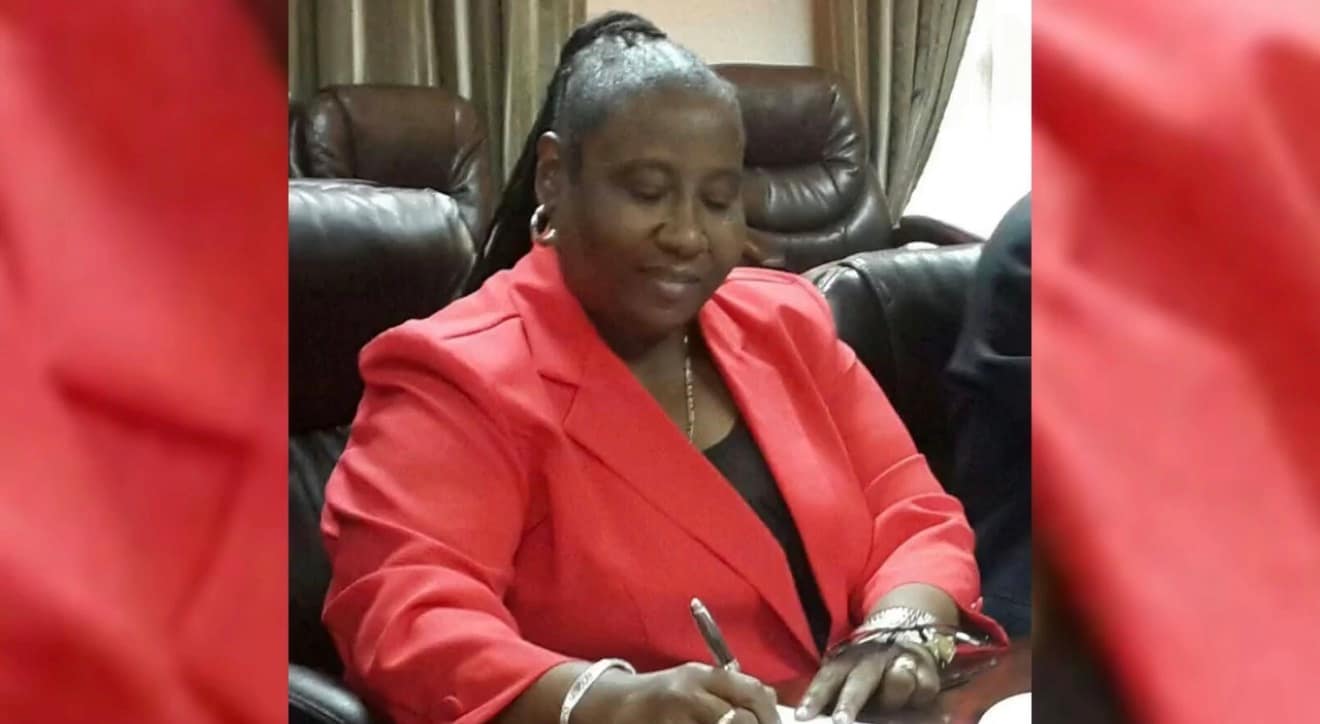
    Under a starlit Antiguan sky, hundreds of supporters of the Antigua and Barbuda Labour Party gathered with flickering candles, hymns and prayers to bid farewell to one of the nation’s most beloved political figures, former Senator Mary Claire Hurst. Over the nearly two-hour commemoration, Hurst was universally remembered as a steadfast political warrior, nurturing mentor and unifying force whose impact stretched from the most rural grassroots communities to the halls of the country’s most important national institutions.

    Affectionately nicknamed “Tanti” or “MC” by friends, colleagues and protégés, Hurst was hailed by dozens of speakers as the backbone of the Labour Party during some of its most turbulent decades. Speakers from party branches, trade union representatives, musicians, family members and political allies took turns sharing personal anecdotes and highlighting the far-reaching contributions Hurst made over her decades of public service.

    The most notable announcement of the evening came from the Antigua Port Authority, where Hurst served as chairperson for many years. General Manager Dalma Tulliman revealed that with the formal approval of Prime Minister of Antigua and Barbuda, the port’s three-story main administrative building — which currently houses both the Port Authority and the Antigua and Barbuda Customs service — will be permanently renamed the Mary Claire Hurst MC Administrative Building in her honor.

    Tulliman detailed Hurst’s transformative leadership at the port, crediting her with turning the once-struggling, financially unstable institution into one of the most efficient and respected ports across the Caribbean. When she took leadership, the port grappled with unpaid retiree benefits, persistent budget shortfalls and deep organizational disarray. Undeterred by these challenges, Tulliman explained, Hurst traveled globally to consult on the port’s redesign and modernization, leaving her indelible mark on the infrastructure that stands today. He also recalled her relentless work ethic even as she battled illness, sharing a story of Hurst insisting on attending a critical meeting despite severe physical discomfort, refusing to step back from her responsibilities.

    Across the night of tributes, speakers repeatedly emphasized that Hurst never lost connection to working-class and community members, even while holding senior national office. “She did not help people for praise. She helped people because she believed it was the right thing to do,” one speaker noted, adding that Hurst treated every person she met with equal dignity, regardless of their background or status. Hurst was also credited with holding the fractious Labour Party together during its long years in opposition after the party’s 2004 general election defeat. “She fought battles that many people will never fully understand. She stood firm when others gave up,” the tribute read.

    A core theme of many remembrances was Hurst’s lifelong commitment to nurturing emerging young leaders for both the Labour Party and the Antigua Trades and Labour Union. Speakers from across party constituencies highlighted that nearly all of the party’s current younger leadership, which led the party to a decisive 15-seat election victory, were direct beneficiaries of Hurst’s mentorship. “When you look around today, when you look at the individuals that led the last election where we won 15 seats, it was led by the children, so to speak, of Tanti,” a representative from St. John’s Rural East shared. A speaker from St. John’s Rural North added that Hurst prioritized intergenerational continuity, intentionally preparing younger generations to step into leadership roles in both party and labor movement spaces. The speaker also compared her sharp, grounded political instincts to that of Antiguan national hero V.C. Bird, noting she maintained intimate knowledge of the needs and priorities of every constituency across the twin-island nation.

    Beyond her well-documented political work, the vigil also shed light on Hurst’s lesser-known contributions to national sports. Longtime football administrator Luther Lee told the crowd that Hurst was one of the first women to break into football administration in Antigua and Barbuda, serving for years with the Villa Lions Football Club. Lee praised her deft negotiating skills during club disciplinary disputes, and credited her with building a culture of professionalism and organizational structure that persists at the club today, drawing loud applause from the gathered crowd.

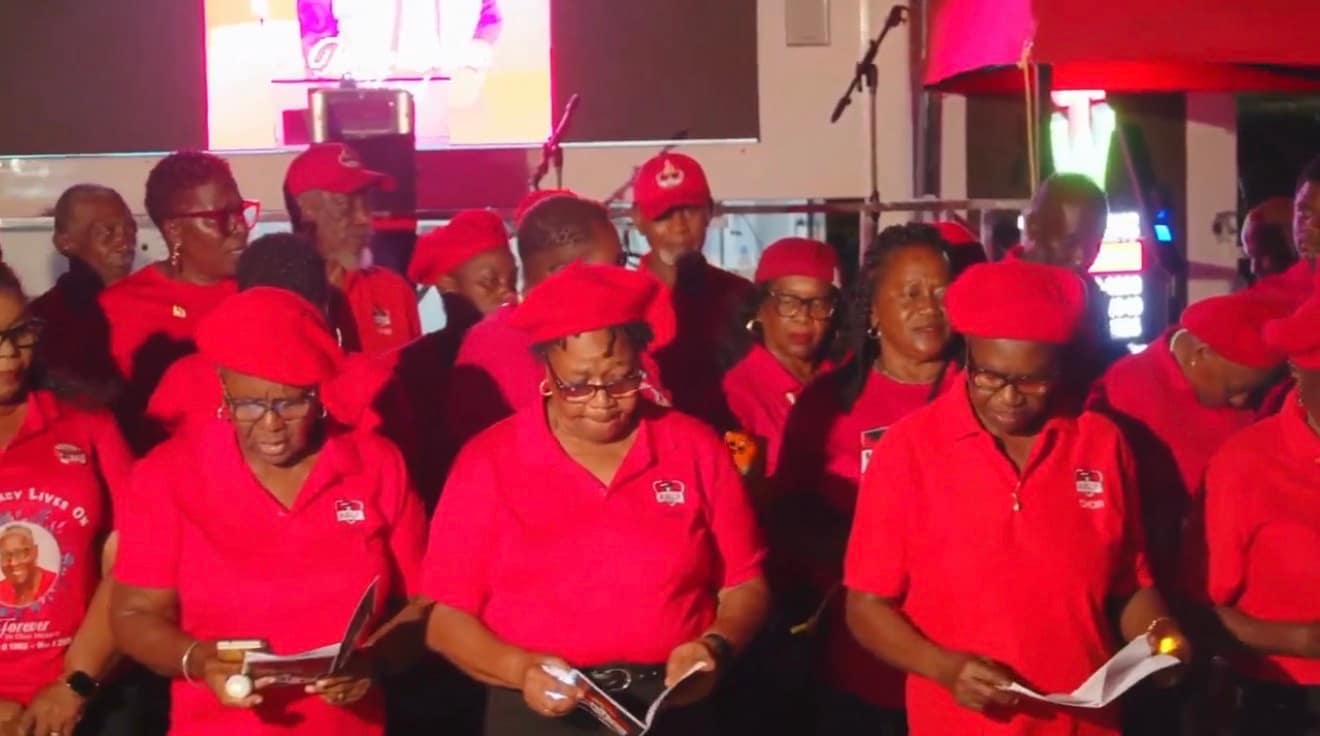
    The evening shifted seamlessly between moments of quiet grief and joyful celebration of Hurst’s life, with tributes shared through music, prayer and personal storytelling. Attendees were reminded of Hurst’s love for reggae music, community sports, choir performance and neighborhood gatherings. Members of the Labour Party choir, which Hurst helped found, performed two of Hurst’s favorite Bob Marley classics, “Three Little Birds” and “No Woman, No Cry.” “Tonight’s tribute is even more special because this choir she founded carries her voice, her passion, and her spirit forward,” a choir representative said.

    Prayer was a central pillar of the vigil, fitting for Hurst, who never opened an executive meeting without opening with a prayer. Speakers described her life as defined by “love, strength, encouragement, commitment, sacrifice,” highlighting the countless quiet, unrecognized contributions she made that have shaped generations of Antiguan leaders and community members.

    As the ceremony drew to a close, speakers urged attendees not only to grieve Hurst’s passing, but to carry forward the work she spent her life championing. “This evening we cry, but tomorrow we get back to work,” one speaker declared. In summing up the collective mood of the night, another speaker reminded the crowd that Hurst’s legacy would live on forever, through the people she mentored and the institutions she helped build.

  • CARICOM, United Nations and UNDP unite Behind Landmark Framework to Treat Crime and Violence as a Public Health Emergency

    CARICOM, United Nations and UNDP unite Behind Landmark Framework to Treat Crime and Violence as a Public Health Emergency

    In a pivotal step toward reshaping how the Caribbean confronts persistent crime and violence, the Caribbean Community (CARICOM), the United Nations (UN), and the United Nations Development Programme (UNDP) have officially launched two groundbreaking regional policy documents during a high-profile gathering in Basseterre, St Kitts and Nevis, held May 21–22, 2026. The documents—the CARICOM–UNDP Diagnostic Document and the Proposed CARICOM–UN Framework for Action—introduce a coordinated, collective approach that reframes violence reduction as a public health and development issue, moving beyond traditional reliance on policing and punishment alone.

    The two-day launch event brought together a diverse coalition of stakeholders, including national government representatives, regional governing bodies, UN system agencies, civil society organizations, academic researchers, and global development partners. Over months of collaborative regional consultation, the two instruments were crafted to reflect a broad, cross-sector commitment to building prevention-centered security governance across all CARICOM member states.

    The first of the two documents, the Diagnostic Document, compiles comprehensive regional data, trend analysis, and empirical indicators that make the evidence-based case for adopting a public health framework to address crime and violence. Complementing this, the Framework for Action translates the political commitments already formally endorsed by CARICOM Heads of Government into actionable practice. It lays out a coordinated, multi-sector implementation roadmap that spans health, education, justice, social protection, and community systems, designed to be adapted to the unique national contexts of individual CARICOM member states.

    At the core of both documents is a shared recognition that meaningful, long-term violence reduction depends on three critical pillars: consistent cross-sector coordination, sustained protected financing, and unwavering political commitment. These elements are deemed essential to scale up prevention measures where they are most needed and ensure initiatives endure beyond short individual political cycles.

    Addressing attendees, Honourable Dr Terrance Drew, Prime Minister of St Kitts and Nevis and current Chair of CARICOM, noted that the biggest barrier to advancing a prevention-focused approach is not proving the underlying science, but shifting entrenched mindsets among leadership and the general public away from the exclusive focus on law enforcement and punishment. “Nothing can really be done unless there is political will. Political will is what allows us to implement policies and to put whatever is necessary behind them,” Drew said. “To see CARICOM and the United Nations now throwing their weight behind the preventative approach for the Caribbean, I am hopeful because I know this will work. And if this framework is implemented, the next decade, when it comes to crime and violence in the Caribbean, will be much better than the previous decade.”

    Alison Drayton, Assistant Secretary-General for Human and Social Development at the CARICOM Secretariat, emphasized that transnational, interconnected security threats cannot be addressed through fragmented national actions alone. “Interconnected threats demand more than isolated national responses. They require coordinated regional action grounded in evidence, solidarity, resilience, and sustainable development,” Drayton explained. “This launch represents a pivotal transition from shared concern to collective, strategic action. By formalizing the CARICOM-UNDP Diagnostic Document and the CARICOM-UN Action Framework, we are translating the political consensus of our Heads of Government into a sophisticated, region-wide mechanism for change. Our partnership with the UNDP is instrumental in this evolution. It allows us to address the fundamental drivers of insecurity—poverty, social exclusion, and lack of opportunity—with a comprehensive development agenda.”

    Stephanie Ziebell, Deputy UNDP Resident Representative for Barbados and the Eastern Caribbean, highlighted the complementary roles of the two new documents. “The CARICOM-UNDP Diagnostic Document we are launching… plays an important role in helping us move beyond treating symptoms. It provides a shared regional evidence base that allows us to better understand how violence is shaped by interconnected social, economic, institutional, and even transnational dynamics,” Ziebell said. “At the same time, the accompanying CARICOM-UN Framework for Action takes us a step further. It moves us from understanding the problem to thinking about how we build solutions. It is not a one-size-fits-all blueprint, but rather a flexible framework that countries can adapt to their own realities and their own priorities.”

    Johanna Kazanna, UN Resident Coordinator for Trinidad and Tobago, Suriname, Aruba, Curaçao and Sint Maarten, echoed the growing regional consensus on the need for a new approach. “Across the Caribbean, governments are increasingly recognising that violence cannot be addressed through enforcement measures alone. Sustainable reductions in violence require prevention systems that are rooted in communities, supported by institutions, informed by data, and coordinated across sectors,” Kazanna noted. “These documents reflect an important regional shift toward treating violence as a development and governance challenge, not simply a security issue. The United Nations system working as one, is proud to support CARICOM and Member States in building the long-term enabling conditions for prevention, resilience, and social cohesion across the Region.”

    The Basseterre launch serves a dual purpose: it acts as a critical bridge between regional policy planning and national on-the-ground implementation, while also acting as a catalyst for the upcoming 3rd CARICOM Regional Symposium on Crime and Violence, where it will inform deliberations and shape potential policy outcomes for heads of government. On the second day of the launch event, a dedicated Strategic Alignment Session drew on insights from the full two-day dialogue to identify priority implementation pathways for the 2026–2030 Regional Framework.

  • Man fined after pleading guilty to assault charges

    Man fined after pleading guilty to assault charges

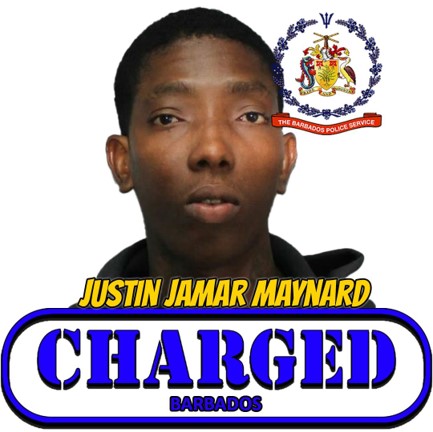
    A 27-year-old man from St James, Barbados, has been ordered to pay a $5,000 fine after entering guilty pleas to three violent offenses, including wounding and two counts of assault. Justin Jamar Maynard, who lives in the Block 7C neighbourhood of Haynesville, faced his sentencing at the Holetown Magistrates’ Court on Friday, where the details of his May 19 offences were formally processed before Magistrate Cuffy Sargeant.

    Alongside the steep financial penalty, the court issued a strict timeline for payment: Maynard must settle the full $5,000 fine within the next 30 days to avoid additional legal penalties. In an unusual procedural step, the court has also scheduled a follow-up court date for June 18, 2026, requiring Maynard to return to the Holetown courthouse nearly two years from now for official check-in on his sentence compliance.

  • Prime Minister Pays Tribute to Former Senator Mary Clare Hurst

    Prime Minister Pays Tribute to Former Senator Mary Clare Hurst

    In an emotional gathering of party members and supporters, Antigua and Barbuda Prime Minister Gaston Browne has delivered a heartfelt full tribute to Mary Clare Hurst, a former senator, state minister and lifelong stalwart of the Antigua and Barbuda Labour Party (ABLP), who recently passed away.

    Browne opened his tribute by noting that while those assembled carried heavy hearts in mourning Hurst’s passing, they also gathered to honor her decades of unwavering commitment to the ABLP and the people of the twin-island nation. Opening up about his personal connection to Hurst, Browne described her as not just a political ally, but a former schoolmate, a trusted “sister friend” and a “sister warrior” who stood by him through some of the party’s most turbulent moments.

    Hurst’s affiliation with the ABLP stretched back to her childhood, Browne confirmed, and her loyalty never wavered across decades of political triumph and hardship. “She was more than a political supporter and officer of our party. She was a stalwart,” Browne emphasized, noting that Hurst embodied the ABLP’s core values: a commitment to people empowerment, good governance, poverty elimination, full employment, equal opportunity and justice for all Antiguans and Barbudans.

    During her time in public office as a state minister, Browne recalled, Hurst carried out her duties with remarkable dignity, discipline and humility. She held a deeply held conviction that public service was never about personal privilege, but about responsibility to the public good, a principle she embodied in every role she undertook. Across all her assignments, she worked diligently to lift up community members and advance sustainable national development.

    One of the defining tests of political loyalty comes during moments of crisis, Browne argued, when many allies step back or abandon their principles. He pointed specifically to the period after the 2023 general elections, when a number of figures distanced themselves from the ABLP amid public criticism, while Hurst stood firmly alongside the party and its leadership, never wavering in her commitment to the party’s vision of inclusive progress.

    Browne specifically highlighted Hurst’s key support during the ABLP’s 2005 internal convention, a period of intense internal party struggle, where she openly backed Browne’s leadership and became his most trusted ally through the contentious process. “Over the past couple of decades, we fought and won many battles within and without the ABLP. I will miss her immensely,” Browne said.

    Widely known affectionately as “Tanty” to generations of party members who she mentored and nurtured, Hurst left a mark far beyond her formal political roles. Browne praised her signature grace, quiet strength, relentless commitment to service and unshakable belief in the potential of the Antiguan and Barbudan people, traits that earned her respect across the political spectrum.

    Extending the party’s deepest condolences to Hurst’s family, Browne thanked her relatives for sharing her with the entire ABLP family and the broader nation. He noted that her passing is a profound loss for all those who knew her, but that her legacy of dedication, patriotism and unwavering loyalty will continue to inspire generations of Labourites and young women pursuing careers in public life.

    Closing his tribute, Browne offered a final message to his departed comrade: “You have fought the good fight. You have kept the faith. Well done thou good and faithful servant. May your legacy endure in the history of the Antigua and Barbuda Labour Party and in the hearts of our people. May the soul of our fallen Comrade, Maryclare Hurst rest in eternal peace and rise in glory.”

  • Minstens 90 doden bij gasexplosie in Chinese kolenmijn

    Minstens 90 doden bij gasexplosie in Chinese kolenmijn

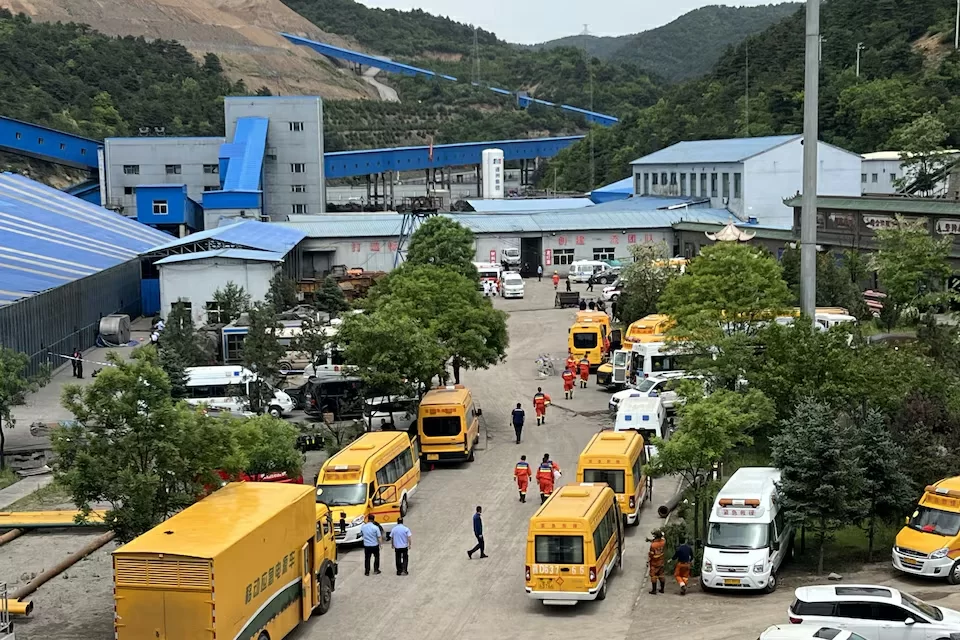
    A devastating gas explosion at the Liushenyu coal mine in Qinyuan District, Shanxi Province, northern China, has claimed at least 90 lives, marking the deadliest mining disaster the country has seen in more than 15 years. According to state-run news outlet Xinhua, 247 workers were operating underground at the time of the blast, which occurred on Friday evening. The explosion was triggered shortly after a carbon monoxide alert was issued, with multiple reports indicating that gas concentrations at the mine had already exceeded regulated safe limits before the incident. Chinese state broadcaster CGTN confirmed that local authorities have launched a full investigation into the root causes of the disaster and have already taken the mine’s lead safety supervisor into custody. Following the tragedy, Chinese President Xi Jinping issued an urgent directive calling on local and national government bodies to draw urgent lessons from the fatal incident. He emphasized that all regions and relevant agencies must maintain constant vigilance over workplace safety standards, conduct thorough inspections to identify and address hidden hazards across high-risk industries, and enforce strict prevention measures to stop major accidents from occurring. As China’s core coal-producing region, Shanxi churned out more than 1 billion tons of coal last year, accounting for nearly one-third of the country’s total national output. China holds the title of the world’s largest coal producer and consumer, responsible for more than half of global coal consumption. While the country is also the world’s top annual emitter of greenhouse gases, it has poured billions of dollars in recent years into expanding renewable energy capacity to transition away from fossil fuels. Hundreds of rescue workers have remained on site in the days following the explosion, continuing search operations for any potential survivors. Footage and images from the disaster zone show dozens of ambulances lined up near the mine entrance as emergency operations proceed. Over the past two decades, China has made notable progress in improving coal mine safety across the country, implementing stricter regulatory frameworks and mandating upgraded safety protocols that have cut annual mining fatalities sharply. Even so, this latest tragedy makes clear that severe, life-threatening risks remain pervasive in the industry. The early arrest of the mine’s senior safety official underscores the Chinese government’s stated commitment to holding accountable parties responsible for safety failures and rooting out corruption that often allows unsafe operating practices to continue in the high-risk sector. The fatal disaster has refocused international and domestic attention on the ongoing challenge China faces in balancing rapid economic growth, worker safety, and ambitious climate policy as the world’s largest coal producer.

  • 100 days: Mixed views as Bajans assess govt

    100 days: Mixed views as Bajans assess govt

    Three months after Barbados held its general election, the island nation finds itself grappling with deep public divisions over the current administration’s policy trajectory, with widespread concerns over violent crime, soaring living costs, and a lack of economic opportunities for youth dominating public discourse gathered in the capital Bridgetown this Friday.

    For many first-time eligible voters, the disconnect between young people and the country’s political establishment runs so deep that they opted to sit out the historic poll entirely. Chadavia Edwards, one such young voter, explained her choice to abstain from the election, noting that the political process had failed to deliver tangible benefits for her and her generation. “Everybody kept pushing me to vote for their preferred candidate, but nothing in any platform actually addressed the needs of people my age,” Edwards told local outlet Barbados TODAY. She added that political campaigns overwhelmingly centered on courting middle-aged and older millennial voters, leaving younger demographics like herself completely overlooked. Despite facing sustained pressure from family members to back a specific party, Edwards said she stood by her choice to skip voting, as she saw no meaningful outcome from participating.

    Across different segments of the population, violent crime has emerged as the most widely cited urgent issue demanding immediate government intervention. Andrea Parris, a local resident, emphasized that coordinated, top-down action is required to rein in rising violence, calling for collaboration between national leaders and the judicial system to get the security situation under control. Pointing to a recent string of deadly violent incidents across the island, Parris argued that all Barbadian citizens are owed a fundamental sense of safety in their own homeland. “This is our home, we build our lives here,” she said. “The government has a core responsibility to deliver calm and peace, so that no one has to live in constant fear of gun violence.”

    Street vendor Nikki, who sells snowcones to local customers, echoed these concerns, noting that even when violence is framed as gang-related, innocent bystanders remain constantly at risk. “A bullet doesn’t have a name,” she warned. “No matter who the conflict is between, ordinary people can get caught in the crossfire, and that’s completely unacceptable.” Nikki called for far harsher legal penalties for violent offenders to deter further attacks.

    Allan Cadogan, a shoe and bag repair technician working in Bridgetown, joined the call for tougher punishments for weapon-related crime, adding that early intervention in school systems is also critical to curb youth involvement in violence. “Violent crime is the single biggest problem hurting Barbadians right now, and it is disproportionately young people who are perpetrating these acts,” Cadogan said. He stressed that authorities need to take aggressive, decisive action, including implementing stricter consequences for anyone caught carrying or using illegal weapons.

    Despite the widespread anxiety over security and economic conditions, a number of Barbadians argued that the new administration deserves more time to deliver on its campaign promises. Donville Mayers, a supporter of the current government, said that he believes the leadership has already done excellent work in its first 100 days, noting that large-scale systemic change cannot happen overnight. “You can’t fix years of challenges in just three months,” Mayers said. “We have to give the government time to implement its plans and see results.”

    Mark King shared this measured, optimistic take, arguing that even amid ongoing economic headwinds, the current government has made clear progress that outpaces previous administrations. “A lot of people say they haven’t seen big changes yet, but from what I can see, the government is doing its best with the resources it has,” King explained. “This administration is showing more forward momentum than any we’ve had in recent years, and they’re putting in the work.”

    The split public opinion 100 days into the new government’s term underscores the deep set of challenges facing Barbados’ leadership as it works to address long-simmering public concerns across the country.

  • First 100 days: St Michael folk ‘see change’

    First 100 days: St Michael folk ‘see change’

    Three months after Barbados’ February 11 general election, constituents in two St Michael constituencies are already witnessing tangible progress on key campaign pledges, from long-overdue road repairs to new skills-training initiatives aimed at empowering young people. During a 100-day checkpoint visit to communities across St Michael Central and St Michael West, Barbados TODAY spoke to dozens of residents who shared mixed but mostly positive reactions to the new administration’s early delivery.

    In St Michael Central, one of the most visible changes is the full resurfacing of Powder Road, a thoroughfare that had sat in dangerous, disrepair for years. Today, motorists and pedestrians move along the smooth pavement without navigating gaping potholes or uneven terrain that made travel difficult for decades. Longtime resident Trey told reporters he never thought he would see the road fixed in his lifetime. “A couple years we’ve been dealing with this mess, but I’m so glad they got it done—it looks real good,” he said. “We couldn’t even walk along the side of the road properly before. This is the first promise we’ve seen delivered, but we’re willing to wait for the rest. What we really need now is more opportunities for idle young people, to keep them occupied and off the streets.”

    Elderly resident Mrs Mayers echoed that gratitude for the resurfacing, but flagged a new safety concern that has emerged since the project was completed. Speeding vehicles turning from the main road onto the minor side road now pose a major risk to pedestrians, she explained, pointing to the sharp corner that leaves walkers with little warning of oncoming traffic. “They will have to put some kind of speed control or signage at the corner there, because somebody is going to get knocked down,” she warned. “But otherwise, I love the new road. It’s a world of difference.”

    Fellow resident Sherlock King called the road work a long-awaited win for the whole community. “Great, splendid, marvellous—we were waiting for them to do this for years, because this was the most dangerous road out here,” he said. “We thank the Lord for that. Everything takes time, and we understand that, but this is a great start.”

    Beyond infrastructure, St Michael Central’s Member of Parliament Tyra Trotman has already launched two people-focused programs aimed at reducing unemployment and empowering local residents. The first, Faces of the Future, is a six-week makeup artistry training course for young women in the constituency. Trinisha Farrell, parliamentary liaison officer, told Barbados TODAY the inaugural cohort wrapped up training last month with 17 graduates, all of whom are now certified to work professionally in the field.

    The program far exceeded expectations, with demand spilling over from neighbouring constituencies. “We actually had an influx of persons calling the office from other areas asking to be a part of the program as well,” Farrell said. “It was a hit across Barbados, and definitely a hit with our constituents because we had an overflow of people wanting to join even after the course had already started. Many of our graduates have already gone on to launch their own small makeup businesses. If any of them need help registering their businesses through Business Barbados, Trotman has committed to walking them through that process step by step.”

    A second cohort of 15 participants is set to begin training next week, just a short delay after the first round wrapped up. Organizers originally planned to cap each cohort at 16 participants, but adjusted to accommodate extra interest in the first round. Moving forward, the program’s continuation depends on securing additional funding to cover training costs and materials. “Funding is the main barrier we have to work through right now,” Farrell explained. “We’re actively seeking funding to keep the program running because it’s clearly filling a need. The whole goal is to help more people in the constituency become self-sufficient entrepreneurs, and that’s something we want to keep building on.”

    Trotman’s second new initiative, the Walk the Bush program, was launched to connect unemployed men in the constituency with paid, flexible work assisting vulnerable households. The pilot started with 11 participants, who work three days a week completing property maintenance and yard work for elderly, disabled, disenfranchised residents and single-parent families that cannot afford or complete the work themselves. The program has already been expanded to accept requests from any local resident who wants to hire the participants for small jobs, with payments going into a centralized fund that keeps the program running and guarantees participants steady pay. The next phase of the initiative will focus on helping participants build the skills and connections needed to launch their own independent service businesses, with the goal of having graduates go on to mentor other unemployed young men in the constituency.

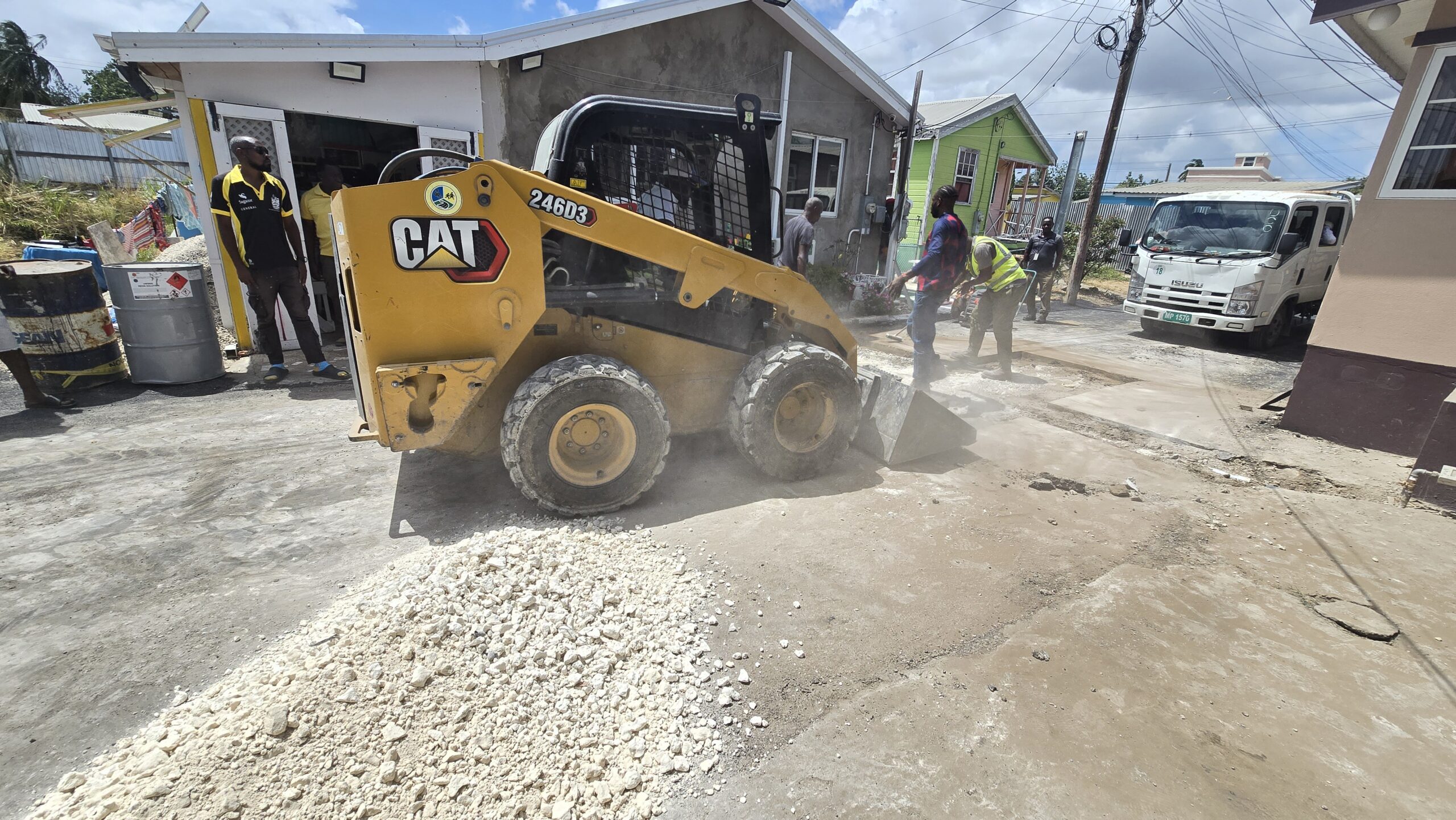
    Over in St Michael West, residents of Greaves Land are equally enthusiastic about long-awaited road repairs to a thoroughfare that had been neglected for more than 30 years. The project hit a minor snag earlier this month when a water main burst damaged a section of the newly patched road, but workers have already made quick progress repairing the damage. One local business owner, whose shop sits directly along the road, said she doesn’t mind the temporary dust and construction disruptions, because the end result will be life-changing for the whole community.

    “Once it’s done I can wear high heel shoes again, instead of sticking to sneakers and slippers just to get to my door,” she said. “My feet won’t get covered in dust and mud every time I step out anymore. I’m so glad the government got this patching machine to fix all these potholes that have been here for decades. Now the kids can run and play on the road, as long as the ZR route vans don’t come speeding through cutting people off.”

    She added that while she is grateful for the work, residents are waiting to see how the road holds up during the upcoming rainy season, since low-lying sections of the road have historically flooded and pooled water after heavy storms due to the natural slope of the land. “I got to wait til the rainy season to see how it goes now, you can see the land slopes down that way,” she said, pointing to the low side of the road. “But I’m thankful, that’s the truth. The workers have been working hard, and this is more progress than we’ve seen in 30 years.”

  • MMC Development says reported legal dispute with Dominica gov’t false, determined to see airport complete

    MMC Development says reported legal dispute with Dominica gov’t false, determined to see airport complete

    A recent public clarification from Montreal Management Consultants Development Ltd. (MMCD) has pushed back against earlier media reports claiming the Canadian development firm had launched formal arbitration proceedings against the Government of Dominica. In an official statement released after the Caribbean media outlet Caribbean News Global (CNG) published its March 30, 2026 report, MMCD made a clear, unambiguous denial that any court or arbitration cases are currently active between the company and the island nation’s government.

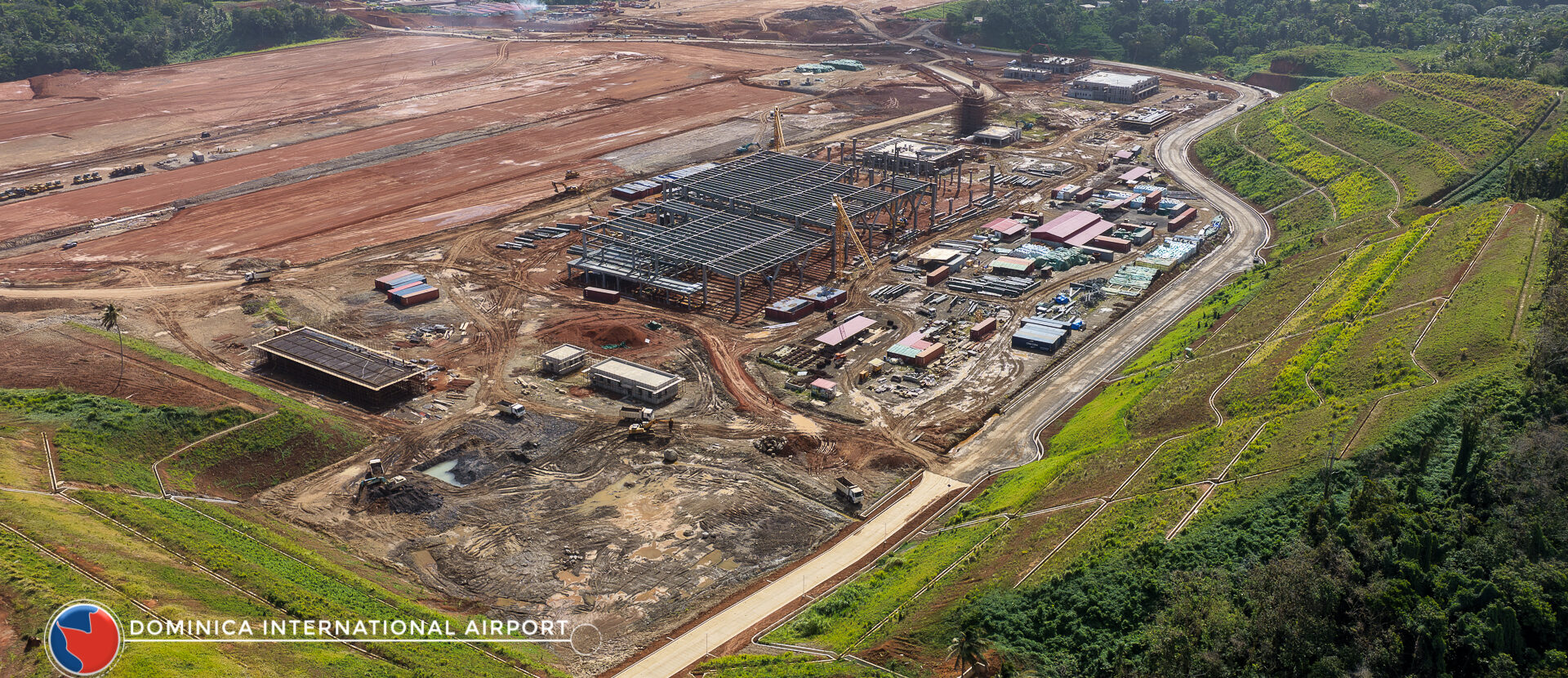
    The original CNG article, citing the firm’s project director Cal Murad, claimed that the company had turned to arbitration as a last resort to address long-unresolved disagreements over unmet contractual commitments tied to their development agreements. Per the CNG report, Murad framed the dispute as a response to unfulfilled obligations that had already cost MMCD significant capital, personnel resources, and forgone alternative opportunities from its investments in Dominica. The article also noted MMCD’s track record of delivering key public infrastructure projects across the country, ranging from the Marigot Hospital, Dominica Grammar School and Mahaut School to multiple community sports facilities, with the under-construction Dominica International Airport standing as the firm’s highest-profile project on the island. As of mid-March 2026, construction work on the airport terminal area is already underway, marking a major milestone for the long-awaited infrastructure initiative.

    In its formal response to the CNG reporting, MMCD not only rejected the claim of ongoing legal action but also moved to reinforce its partnership with the Dominican government. The firm emphasized that its working relationship with the state remains rooted in three core principles: mutual respect, full transparency, and aligned goals for national progress. MMCD went so far as to publicly praise the Dominican government for its ongoing cooperative approach to the project.

    Central to the company’s statement is a firm reaffirmation of its commitment to delivering the Dominica International Airport, a project the firm describes as a cornerstone of the country’s long-term national development strategy. “The realization of this long-sought national aspiration remains a shared priority, and MMCD is fully committed to seeing it through to completion,” the statement read. The clarification has resolved recent speculation surrounding the future of the $X infrastructure project, which has been framed as a transformative initiative for Dominica’s tourism and trade sectors once completed.