作者: admin

  • PRESS RELEASE: Tribute on the passing of Dr Tomlin Paul, Deputy Principal, The UWI Mona Campus

    PRESS RELEASE: Tribute on the passing of Dr Tomlin Paul, Deputy Principal, The UWI Mona Campus

    The University of the West Indies Global Campus announced with profound sorrow the passing of Dr. Tomlin Paul, Deputy Principal of the Mona Campus, on Thursday, March 12, 2026. The esteemed physician and academic leader leaves behind an indelible legacy in medical education and public health throughout the Caribbean region.

    Dr. Paul’s remarkable career at The UWI spanned over three decades, beginning in 1990 when he joined as a lecturer. His progressive leadership journey saw him assume multiple pivotal roles including Programme Director for the MBBS programme, Deputy Dean, and ultimately Dean of the Faculty of Medical Sciences from 2017 to 2021 before his appointment as Deputy Principal in 2023.

    A visionary in health professions education, Dr. Paul pioneered initiatives emphasizing student engagement, quality enhancement, and social accountability within medical training. His transformative leadership was instrumental in guiding the Faculty of Medical Sciences to achieve international acclaim, most notably the prestigious ASPIRE-to-Excellence Award in Medical Education for Social Accountability from the Association of Medical Education of Europe.

    Beyond his administrative accomplishments, Dr. Paul was revered for his compassionate mentorship and humble demeanor. Colleagues and students alike cherished his people-centered approach to leadership and his exceptional ability to foster respectful dialogue even amidst differing perspectives. His scholarly influence extended across more than fifty publications and numerous collaborations with regional and global health institutions.

    Global Campus Principal Dr. Francis O. Severin memorialized Dr. Paul as an irreplaceable figure who epitomized student-centered care. “Dr. Paul’s passing leaves a ‘gaping’ space in our lives,” Severin reflected, noting his unique capacity to make colleagues feel respected and valued during discussions.

    The UWI Global Campus Senior Management Team joins the broader academic community in honoring Dr. Paul’s extraordinary contributions to institutional development and regional advancement. The university extends deepest sympathies to his family, friends, and colleagues, expressing hope that his lifetime of service will continue inspiring those dedicated to educational excellence and compassionate leadership.


  • KHMH Finally Appoints New CEO After Post Sat Empty for Months

    KHMH Finally Appoints New CEO After Post Sat Empty for Months

    Belize’s premier medical institution, the Karl Heusner Memorial Hospital (KHMH), has ended its prolonged leadership vacuum with the official installation of Sharine Reyes as Chief Executive Officer. The appointment concludes five months of interim management that began in October 2025 following the departure of former CEO Chandra Nisbet-Cansino.

    The selection process culminated in February 2026 after the hospital board conducted rigorous interviews with a shortlisted pool of distinguished candidates. The competitive field included Ann-Marie Thompson (former Acting Labour Commissioner), Timothy Seguro (Hospital Assistant Administrator and former interim CEO), Dr. Gilroy Middleton (ex-CEO from the Ministry of Immigration), and Gilda Diaz Hall.

    Reyes, who previously held the position of Financial Director at KHMH, demonstrated the qualifications and vision necessary to lead Belize’s sole tertiary-level referral hospital. Her institutional knowledge and financial acumen positioned her as the optimal candidate to steer the organization toward operational stability and enhanced healthcare delivery.

    This leadership appointment represents a critical milestone for the nation’s healthcare infrastructure, ensuring consistent management for Belize’s largest public hospital which serves as the primary referral center for complex medical cases nationwide.

  • Landmark international study on cocaine trafficking, organized crime in southern Caribbean published

    Landmark international study on cocaine trafficking, organized crime in southern Caribbean published

    A groundbreaking multinational investigation has revealed the Caribbean’s escalating transformation into a primary nexus for sophisticated transnational criminal operations, marking an unprecedented level of global law enforcement collaboration. The comprehensive report, developed through the joint efforts of EL PACCTO 2.0 (an EU-funded initiative) and InSight Crime with strategic input from CARICOM IMPACS, EMPACT, FRONTEX, and France’s General Prosecutor’s Office in Martinique, represents the first coordinated international effort to map the intricate architecture of Caribbean-based illicit networks.

    The study, titled “Criminal Networks and Routes from the Caribbean to Europe: A Deep-Dive into Cocaine Trafficking and Other Illicit Activities,” provides an exhaustive analysis of the region’s emerging function as a crucial conduit in the global illegal supply chain. It identifies the so-called “Southern Corridor”—encompassing Guyana, Suriname, and French Guiana—as particularly strategic zones within the international illicit trade ecosystem.

    According to the findings, criminal organizations orchestrating cocaine shipments to European ports simultaneously engage in environmental crimes, weapons trafficking, and advanced money laundering schemes. The investigation further highlights critical vulnerabilities in both maritime and digital infrastructures, tracing a sophisticated pipeline that originates at remote Caribbean marinas and terminates at major European container terminals.

    Law enforcement agencies confront substantial challenges due to fragmented legal frameworks and insufficient resources to monitor a maritime territory exceeding half the size of the European Union. During the report’s launch at CARICOM IMPACS headquarters in Trinidad and Tobago on March 2, 2026, Executive Director Lt. Col. Michael Jones emphasized the paradigm shift from reactive defense to proactive, intelligence-driven disruption strategies.

    Marc Reina Tortosa of EL PACCTO 2.0 described the evolving criminal landscape, noting that fluid, transactional networks have replaced traditional cartels, with European and Western Balkan brokers functioning as invisible architects of the trade. These networks demonstrate remarkable adaptability, shifting between maritime, aerial, and riverine routes—particularly those connecting the Amazon to the Atlantic—when confronted with enforcement pressure.

    The study further reveals an undeniable polycriminal dimension where drug trafficking intersects with environmental crimes like illegal gold mining in the Guianas. French judicial official Patrice Camberou highlighted the complexities of prosecuting transnational crime in EU territories located within the Americas, advocating for harmonized prosecutorial strategies with CARICOM and South American partners.

    Evelina Melbarzde of the EU Delegation to Trinidad and Tobago underscored the report’s significance as a foundational document for the new EMPACT 2026–2029 cycle, which aims to integrate Caribbean security concerns into Europe’s core law enforcement priorities. Participants unanimously characterized the report as a dynamic tool requiring sustained funding, enhanced maritime patrol capabilities, modernized port security infrastructure, and seamless information sharing mechanisms to effectively combat criminal networks whose agility continues to outpace traditional law enforcement approaches.

  • ‘We don’t want to be a burden’: Hotels explore importing water by barge

    ‘We don’t want to be a burden’: Hotels explore importing water by barge

    In an innovative move to address seasonal water shortages, Saint Lucia’s tourism industry is spearheading a privately-funded water importation initiative. The Saint Lucia Hotel and Tourism Association (SLHTA) has announced plans to launch a test phase for water barging as early as next month, aiming to reduce pressure on the national water system during peak dry periods.

    SLHTA CEO Noorani Azeez clarified that this industry-led solution seeks to minimize competition for water resources between tourism establishments and domestic consumers. The initiative, developed through board-level discussions among hospitality stakeholders, will operate independently of government funding with the private sector covering all operational costs.

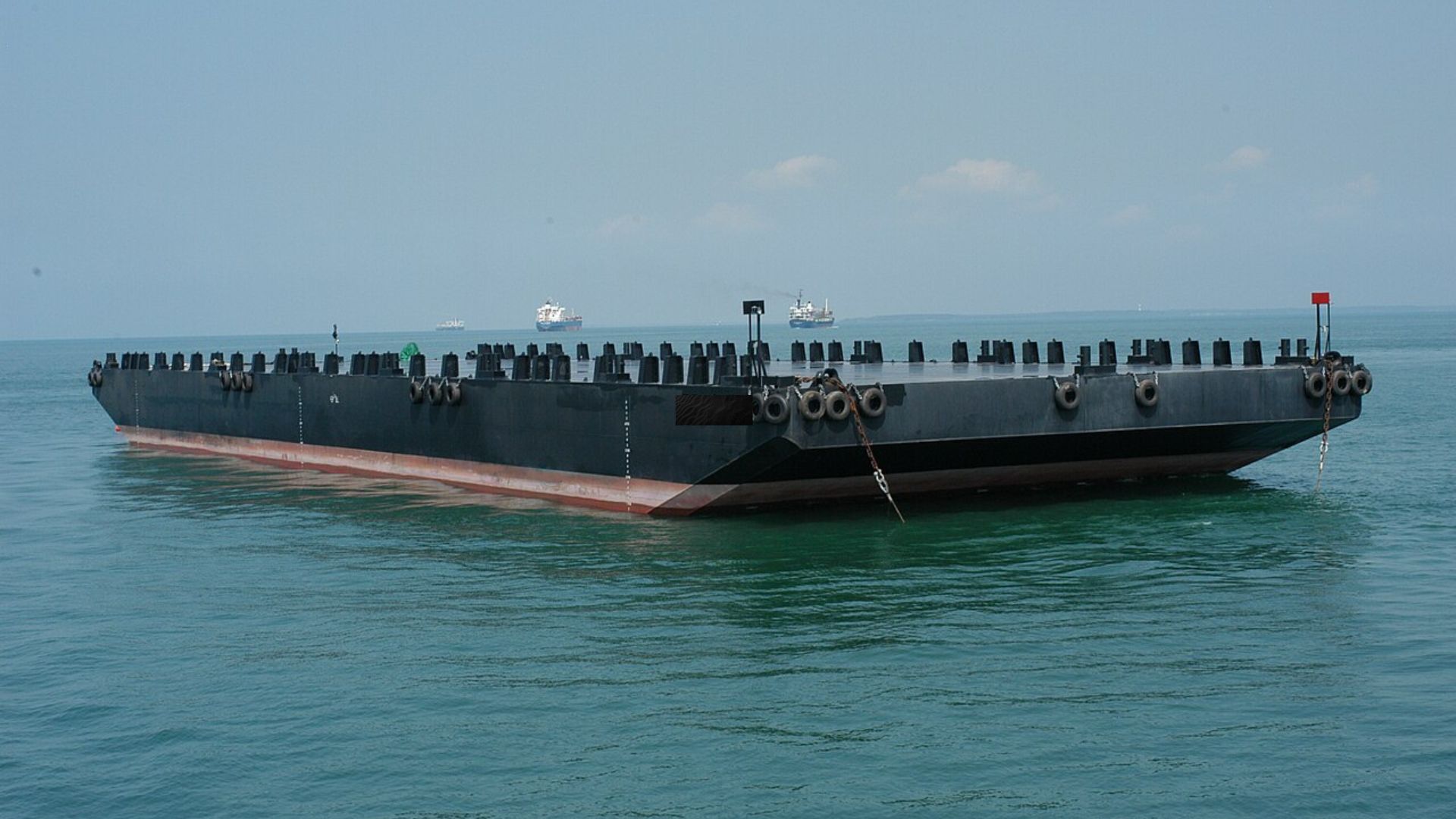
    A single barge is projected to transport approximately three million gallons of water per trip, though officials acknowledge this would only satisfy a fraction of the sector’s total requirements. Some hotels are considering docking barges offshore near their properties to facilitate distribution, particularly for northern island consumers, though logistical details remain under discussion.

    The water barging represents just one component of a comprehensive water management strategy. Industry leaders are simultaneously exploring multiple approaches including potential water sharing between hotels with desalination capabilities, incentives for rainwater harvesting systems, and collaborative efforts with WASCO to accelerate critical infrastructure projects.

    Azeez emphasized that government support would primarily be needed for import duty exemptions rather than financial contributions. The association has also initiated medium-term discussions regarding potential investment in desalination plants that would be managed by WASCO to ensure sustainable water security beyond immediate seasonal needs.

  • Tissue Culture Laboratory to Open in Bethesda

    Tissue Culture Laboratory to Open in Bethesda

    The agricultural landscape of Antigua and Barbuda is poised for a significant technological transformation with the imminent inauguration of the Bethesda Tissue Culture Laboratory. The Hon. Minister for Agriculture confirmed the facility’s official opening scheduled for the coming week, marking a pivotal advancement for the nation’s farming sector.

    This cutting-edge laboratory employs sophisticated plant tissue culture techniques, a cornerstone of modern agricultural biotechnology. By cultivating plants from minute tissue samples within sterile, controlled environments, scientists can generate vast quantities of genetically uniform and disease-free plantlets. This method is critically effective for the rapid propagation of key economic crops, including bananas, pineapples, various root crops, and ornamental plants, while simultaneously curbing the transmission of pathogens that commonly plague traditional farming.

    The strategic implementation of this technology is projected to deliver multifaceted benefits for Antigua and Barbuda. Primary objectives include a substantial boost in crop yields, a marked improvement in the overall quality of plant material available to farmers, and a strengthened framework for national food security. By providing local agriculturists with access to superior, disease-resistant planting stocks, the facility is designed to enhance the sector’s resilience against climatic and biological challenges.

    The national Cabinet has formally endorsed the project, recognizing the laboratory as an instrumental component in the broader modernization of the country’s agricultural practices. Officials emphasized the facility’s vital role in equipping farmers with the advanced tools necessary to significantly elevate productivity and sustainability, thereby securing a more robust and self-sufficient agricultural future for the nation.

  • Police training programme helping young people reshape their futures

    Police training programme helping young people reshape their futures

    In an innovative approach to youth development, Barbados Police Service is leading a transformative program that guides young individuals toward education and employment through rigorous physical and mental challenges. The King’s Trust International Team Programme, currently engaging 56 participants, employs demanding activities specifically designed to build resilience, discipline, and essential life skills.

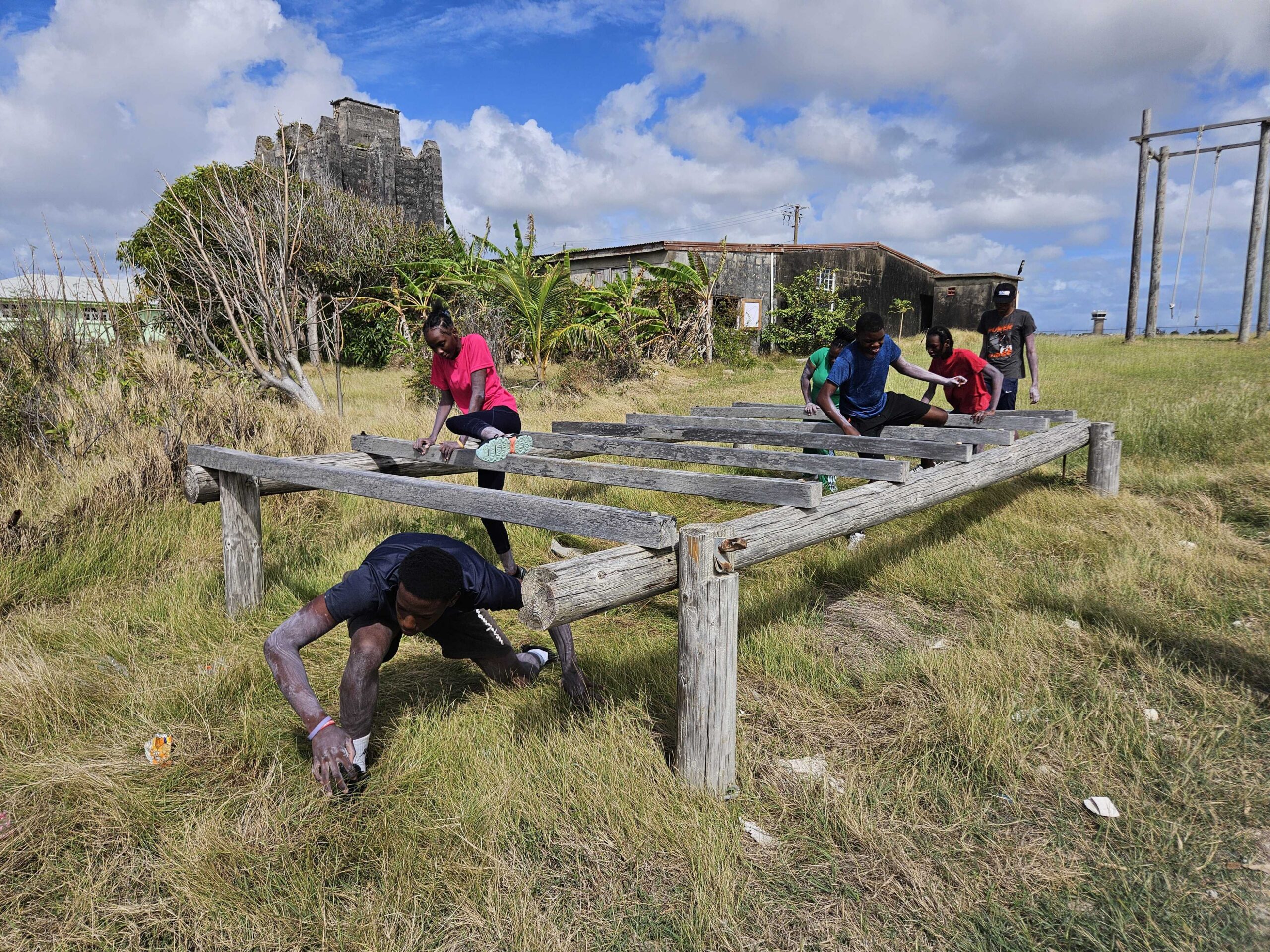
    Sergeant Roger Williams, program coordinator within the Community Policing Department, detailed the comprehensive curriculum that includes survival drills at sea, obstacle courses, and wilderness hikes conducted at the Regional Police Training Centre in Christ Church. These residential components intentionally push participants beyond their comfort zones to develop mental fortitude and teamwork capabilities.

    The program targets youth aged 16-25, focusing on three core pillars: personal development, employability skills, and social responsibility. Since its local inception in 2016, the initiative has achieved remarkable results with 776 participants completing the program. Notably, 13 graduates have joined the Barbados Police Service ranks, while three others are currently undergoing police training.

    Williams emphasized that the program doesn’t exclusively target troubled youth but welcomes participants from all socioeconomic backgrounds. “We deem everyone to be at risk in some capacity,” Williams explained. “It’s fundamentally a self-development course that benefits youth from all walks of life.”

    The 12-week curriculum combines community projects, classroom sessions, and work placements that expose participants to potential career paths while strengthening critical skills including self-confidence, leadership, teamwork, and emotional management. The program boasts a global success rate of 75% positive outcomes, with participants typically securing employment, returning to education, or engaging in community service.

    Community policing officers actively identify potential candidates during their patrols, while program alumni frequently serve as ambassadors by recommending friends and relatives who could benefit from the transformative experience. Williams highlighted that environmental factors play a crucial role in youth development, stating: “Environment is everything. Placing young people in positive environments can significantly influence their future trajectory.”

    The most rewarding aspect for organizers remains witnessing participants from challenging backgrounds redirect their lives toward positive societal contributions, demonstrating the program’s profound impact on Barbados’ youth development landscape.

  • WIOC Says Adequate LPG Supply Available Across Antigua and Barbuda

    WIOC Says Adequate LPG Supply Available Across Antigua and Barbuda

    West Indies Oil Company Limited (WIOC) has issued a formal advisory addressing a recent surge in liquefied petroleum gas (LPG) cylinder purchases across Antigua and Barbuda, attributing the trend to unwarranted public anxiety and speculation. The energy provider has moved swiftly to reassure consumers that its supply chain remains fully operational with sufficient inventory to meet regular demand levels.

    In an official statement, WIOC confirmed that both LPG product and cylinder availability are at adequate levels, explicitly urging against stockpiling behavior. The company emphasized that current distribution capabilities can comfortably sustain normal consumption patterns without supply chain interruptions.

    Addressing circulating rumors, WIOC categorically denied engaging in any discussions with the Government of Antigua and Barbuda regarding potential price increases for LPG cylinders. This clarification aims to dispel market uncertainties that may have contributed to the recent buying surge.

    The company has implemented enhanced monitoring protocols to track distribution patterns and consumption rates in real-time. WIOC reaffirmed its commitment to maintaining reliable LPG distribution throughout the nation, with contingency measures in place to ensure continuous service delivery during this period of heightened demand.

  • Nestor dominates after postseason accolades

    Nestor dominates after postseason accolades

    In a commanding display of postseason prowess, the University of North Texas women’s basketball squad delivered an emphatic 80-57 victory over ninth-seeded Florida Atlantic Owls during the American Conference Championship’s second round on March 11. The matchup at Birmingham’s Legacy Arena witnessed historic individual achievements alongside collective excellence.

    Saint Lucian sensation Megan Nestor cemented her legacy by recording her 20th double-double of the season, becoming just the third Mean Green player in program history to reach this monumental milestone. The 6’4″ center from Canaries delivered a masterclass performance with 16 points on efficient 10-shot attempts and flawless 6-6 free throw shooting, complemented by 12 rebounds (4 offensive) in her Division I playoff debut.

    Nestor’s dominance continues a remarkable season that saw her sweep multiple conference honors, including Defensive Player of the Year, All-Conference First Team, All-Newcomer Team, and All-Defensive Team selections. She stands as only the second UNT athlete ever to claim the conference’s top defensive award.

    While Nestor controlled the paint, guard Aysia Proctor ignited the scoreboard with a game-high 24 points, matching her career best with five three-pointers and registering her sixth 20-point performance this season. The offensive barrage featured four Mean Green players reaching double figures, demonstrating the team’s balanced scoring threat.

    The victory marked head coach Jason Burton’s 66th win at North Texas, tying Judy Nelson for third-most in school history. With their record now at 18-13 overall, the Mean Green advance to face fourth-seeded Tulsa in Thursday’s semifinal matchup, seeking redemption for their 57-53 January loss against the Golden Hurricane.

  • 18 auditions for Carnival Queen as judges face toughest cut yet

    18 auditions for Carnival Queen as judges face toughest cut yet

    Saint Lucia’s National Carnival Queen Pageant has encountered an unprecedented challenge as organizers face the daunting task of selecting merely seven finalists from a record-breaking pool of 18 exceptionally qualified contestants. The auditions held at Castries’ Cultural Centre on March 8 showcased what officials described as one of the most impressive arrays of talent in recent memory, with participants demonstrating remarkable intelligence, cultural awareness, and stage presence that exceeded expectations.

    Tamara Gibson, Chair of the Carnival Planning and Management Committee, expressed both excitement and sympathy for the judges’ predicament, noting: ‘We witnessed an unprecedented 18 participants, all remarkably strong, intelligent, and beautiful young Saint Lucians filled with hope for this carnival season. The selection process proves exceptionally challenging given their collective excellence.’

    Trevor King, Chair of the National Carnival Queen Pageant Committee, observed that many contestants displayed evident growth and refinement from previous auditions, indicating dedicated preparation. ‘They gave a good representation… I think we’re going to get a good crop of young ladies,’ King remarked, predicting an exceptionally competitive final round.

    The pageant, now in its 72nd consecutive year, represents one of Saint Lucia’s most enduring cultural institutions. What began as a traditional beauty competition has evolved into a comprehensive platform celebrating talent, intellect, and cultural expression. King emphasized the significance of this longevity: ‘Seventy-two years is a considerable duration for any pageant to sustain operations… its continuity stands as testament to our creative spirit.’

    Organizers have hinted at unexpected innovations for this year’s production, though specific details remain confidential. ‘This year we have a surprise element that I cannot disclose at this juncture,’ King revealed, generating anticipation for the upcoming event.

    Contestants undergo evaluation across multiple segments including interview techniques, talent demonstrations, swimwear, and evening wear presentations, allowing comprehensive assessment of their confidence, creativity, and awareness of national issues.

  • Future Barbados to scale up innovation drive under new ministry

    Future Barbados to scale up innovation drive under new ministry

    Barbados is significantly scaling up its national innovation capabilities with a major expansion of Future Barbados, the country’s premier innovation agency. Director Tamaisha Eytle Harvey announced the strategic growth initiative during parliamentary hearings for the Ministry of Innovation, Industry, Science and Technology’s (MIST) $188 million budget allocation.

    Operating as MIST’s innovation arm, Future Barbados functions as a comprehensive ‘innovation incubator’ dedicated to transforming visionary concepts into practical products, policies, and commercial enterprises. The organization’s mission revolves around three foundational pillars: social innovation, talent activation, and ecosystem development.

    The agency is intensifying its focus on cultivating high-value youth talent through specialized programs like its ‘Talent Hub’ while simultaneously advancing sectors including green entrepreneurship, climate innovation, and smart city design. This expansion represents a strategic shift from conceptualization to large-scale implementation following the agency’s transition from the Prime Minister’s Office to MIST.

    Director Harvey outlined several key initiatives for the coming year: ‘We’re launching the ideation stage and MVP track for health technologies developed in Barbados, which will be piloted within our public sector. We’re collaborating with the Caribbean Science Foundation to host the inaugural Caribbean Science Summit, creating opportunities for in-person and virtual collaboration among scientific talent across the region and diaspora. Mental health solutions will constitute one of our primary challenge areas.’

    Innovation Minister Senator Jonathan Reid confirmed substantial budgetary increases supporting this expansion, with professional services funding rising from $1.5 million to $3.2 million and operational expenses increasing from $1 million to $3 million within the innovation sub-program. Minister Reid characterized the budget growth as ‘a reflection of increased ambition’ for the program, emphasizing its role in harnessing the skills of Barbadians—particularly young graduates—to address national challenges across sectors from agriculture to healthcare.

    The agency has already demonstrated tangible successes, including the development of internal financial platforms and the placement of innovation cohorts within government departments such as the Fisheries Division, showcasing its commitment to creating practical solutions with both regional and global impact.