作者: admin

  • Neighbour hailed a hero after fatal Two Mile Hill fire

    Neighbour hailed a hero after fatal Two Mile Hill fire

    A devastating house fire in the Bishops Land neighborhood of Two Mile Hill, St Michael, has culminated in tragedy with the death of 98-year-old Marshall, a retired police officer and former Roberts Manufacturing employee. The elderly man, who was visually impaired, succumbed to his injuries at the Queen Elizabeth Hospital (QEH) in the early hours of Thursday morning, days after a rapidly spreading blaze consumed his wooden residence.

    The incident has highlighted an extraordinary act of bravery by 61-year-old neighbor Anderson Brown, a longtime caregiver who risked his own life in a desperate attempt to save Marshall. Brown, who suffers from a chronic hip condition requiring surgical intervention, instinctively rushed into the inferno upon discovering the fire while preparing to deliver the elderly man’s meal.

    According to eyewitness accounts from Brown’s wife, Juliette, the rescue operation became a harrowing race against time. Their son attempted to assist but was forced back by intense heat and suffocating smoke, while Brown pressed forward into the fully engulfed structure. After several agonizing minutes where both men were presumed lost, Brown miraculously emerged from the rear of the property having knocked down fencing, dragging Marshall to relative safety.

    Despite surviving the immediate danger, both men sustained critical injuries. Marshall suffered burns covering approximately 50 percent of his body, ultimately proving fatal. Brown remains hospitalized with burns affecting eight percent of his body, particularly on his hands, legs, back, and head. Medical staff report his condition is progressing slowly, though the news of Marshall’s passing has profoundly impacted his emotional state.

    The community remembers Marshall as a disciplined, quiet man deeply rooted in the neighborhood. In his later years, as his health and vision declined, the Brown family had become his primary caregivers, assisting with daily meals and personal affairs.

    In the aftermath, Juliette Brown has passionately defended her husband’s actions against criticism from some community members who suggested the rescue attempt was unnecessarily risky given Marshall’s advanced age. She emphatically stated that her husband acted heroically to save a living person, contrasting his actions with those who risk their lives for material possessions. The Browns’ dedication to their neighbor underscores a profound community bond that transcends the tragedy’s outcome.


  • Workshop aims to help teachers detect student drug use

    Workshop aims to help teachers detect student drug use

    In response to escalating concerns about drug use among youth, Barbados’ National Council on Substance Abuse (NCSA) has initiated a comprehensive training program for educators to identify and address student substance abuse. The inaugural workshop, titled “Signs and Symptoms of Drug Use,” convened 65 teachers at Erdiston Teachers’ Training College, marking the beginning of a coordinated effort between educational institutions and community stakeholders.

    Makeda Bourne, Substance Abuse Prevention Officer and program coordinator, emphasized the dual objectives of the initiative: enhancing educators’ ability to recognize both physical drug paraphernalia and behavioral indicators of substance use. The curriculum includes practical identification techniques and intervention strategies, featuring live demonstrations by police officers exhibiting actual drugs and related equipment.

    Rudy Lovell, President of the Barbados Union of Teachers, highlighted educators’ unique positioning to observe student challenges, noting that teachers frequently serve as first responders to youth struggling with substance abuse and its ripple effects on academic performance and family dynamics.

    NCSA Board Chairman Hadford Howell proposed expanding prevention efforts through creative competitions for primary students, suggesting art and writing contests to engage younger audiences in substance abuse education. Howell simultaneously called for greater community and parental responsibility, questioning whether homes and neighborhoods should bear primary accountability for child protection.

    The chairman further outlined four emerging challenges complicating drug prevention: proliferation of new synthetic substances, accelerated market penetration bypassing conventional monitoring, increased drug adulteration practices, and evolving distribution and consumption patterns.

  • Zes ambassadeurs  bieden geloofsbrieven aan president Simons aan

    Zes ambassadeurs bieden geloofsbrieven aan president Simons aan

    Suriname’s diplomatic landscape expanded significantly on Thursday as President Jennifer Simons formally received credentials from six ambassadors at the Presidential Palace in Paramaribo. The ceremony marked a pivotal moment in strengthening bilateral relations between Suriname and nations across multiple continents.

    In separate meetings with the head of state, both resident and non-resident ambassadors expressed strong commitment to enhancing diplomatic cooperation. The distinguished diplomats included: Isaac Roberto Torres Barrios (Cuba, accredited from Paramaribo), Mattanya Aharon Cohen (Israel, based in Panama), and four ambassadors accredited from Brazil – Zurab Mchedlishvili (Georgia), Eleonora Dimitrova (Bulgaria), Nii Amasah Namoale (Ghana), and Eleni Lianidou (Greece).

    During substantive discussions, each ambassador outlined specific areas for deepened collaboration. Georgian Ambassador Mchedlishvili expressed honor in representing his nation while identifying potential partnerships in political, economic, and educational domains, including high-level exchanges and formal consultations.

    Bulgarian Ambassador Dimitrova conveyed appreciation for Suriname’s hospitality and emphasized aspirations to fortify the 22-year diplomatic relationship between the nations. Ghana’s representative Ambassador Namoale highlighted historical connections and stressed that future cooperation must prioritize mutual welfare and development.

    Greek Ambassador Lianidou described her reception as exceptionally warm and confirmed both countries’ intentions to expand existing positive relations. Israeli Ambassador Cohen noted the significant milestone of fifty years of diplomatic ties with Suriname, pinpointing agriculture, food security, and energy as key cooperation sectors.

    Cuban Ambassador Barrios reaffirmed his dedication to strengthening bilateral bonds and expanding joint initiatives between Havana and Paramaribo. The Communications Service of Suriname reported that all envoys demonstrated particular enthusiasm for deepening economic and cultural exchanges alongside political diplomacy.

  • Sea View Farm Family Members Freed as Ammunition Case Is Withdrawn

    Sea View Farm Family Members Freed as Ammunition Case Is Withdrawn

    A legal proceeding against three residents of Sea View Farm concluded abruptly this week after prosecutors elected to discontinue the case in the Magistrate’s Court. The defendants, Averly Jno Baptiste Sr., Averly Jno Baptiste Jr., and Tarnalee Jno Baptiste, had been charged with possession of a single twelve-gauge shotgun cartridge without holding the requisite firearm user’s licence.

    The case’s initial hearing was deferred due to the absence of defense counsel, which prevented the accused from formally entering their pleas. The matter was rescheduled and called again before Chief Magistrate Ngaio Emanuel on Wednesday. In a decisive turn of events, the prosecution formally indicated it would not proceed with the charge. Following this announcement, Chief Magistrate Emanuel issued a formal dismissal, terminating all legal proceedings against the Jno Baptiste family members and effectively closing the case.

  • CARPHA raises alarm as Kidney Disease rates in Caribbean Outpace Global Average

    CARPHA raises alarm as Kidney Disease rates in Caribbean Outpace Global Average

    The Caribbean Public Health Agency (CARPHA) has issued an urgent warning regarding the escalating chronic kidney disease (CKD) epidemic across the region, revealing that prevalence rates significantly surpass global averages. This alert coincides with World Kidney Day observations on March 12, 2026.

    According to recently released data, the Latin America and Caribbean region recorded a CKD prevalence of 15.4% among adults in 2023, substantially exceeding the global average of 14.2%. Health authorities attribute this disproportionate burden largely to preventable lifestyle factors and underlying health conditions.

    CARPHA emphasized that many kidney-related fatalities could be averted through enhanced early detection protocols and improved management of primary risk factors, including diabetes, hypertension, and obesity. The agency specifically highlighted diabetes prevention and control as fundamental strategies for reducing kidney disease incidence and improving long-term health outcomes.

    The crisis disproportionately impacts disadvantaged communities, exacerbating existing health disparities throughout the Caribbean. In response, CARPHA advocates for expanded community-based screening programs, particularly targeting high-risk populations and underserved areas. Early CKD detection can preserve renal function, diminish dependency on costly dialysis treatments, and significantly improve patient prognosis.

    Globally, CKD affects over 850 million adults aged 20 and above. CARPHA recommends practical preventive measures including regular physical activity, nutritional dietary choices, blood pressure and glucose monitoring, adequate hydration, tobacco avoidance, and limited use of over-the-counter anti-inflammatory medications.

    Notably, the agency highlighted the emerging connection between environmental factors and kidney health. Climate-related stressors—including air pollution, extreme heat, dehydration, and severe weather events—can precipitate acute kidney injury and accelerate disease progression. Simultaneously, advanced treatments like dialysis consume substantial resources and contribute to greenhouse gas emissions, creating a concerning feedback loop between climate change and kidney disease progression.

  • GOB Supplies Water Pipes to Four Cayo Villages

    GOB Supplies Water Pipes to Four Cayo Villages

    In a significant development for rural infrastructure, the Belizean government has delivered substantial water pipeline resources to four expanding communities in the Cayo District. The Ministry of Rural Transformation, Community Development and Local Government formally transferred ownership of these critical materials to local water boards during an official handover ceremony on Wednesday.

    The recipient communities—San Antonio, Santa Teresita, El Progresso, and Ontario/Blackman Eddy—will utilize these pipes to extend their existing water distribution networks. This infrastructure enhancement comes as direct response to demographic growth in these villages, where expanding populations have created increased demand for reliable water access.

    Government officials emphasized that the pipeline materials will enable water boards to connect additional households to centralized water systems, particularly benefiting residents in newly developed areas. The initiative represents a strategic investment in public health infrastructure, ensuring communities can maintain consistent access to potable water despite expansion pressures.

    The ministry further contextualized this distribution within broader national efforts to strengthen rural community services. This infrastructure support aligns with ongoing governmental priorities to address developmental disparities between urban and rural regions, with water security representing a fundamental component of rural development strategy.

    This project demonstrates the government’s commitment to addressing practical infrastructure needs while supporting organic community growth through targeted resource allocation.

  • Is Belize’s Voting Map Fair? Case Goes to the CCJ

    Is Belize’s Voting Map Fair? Case Goes to the CCJ

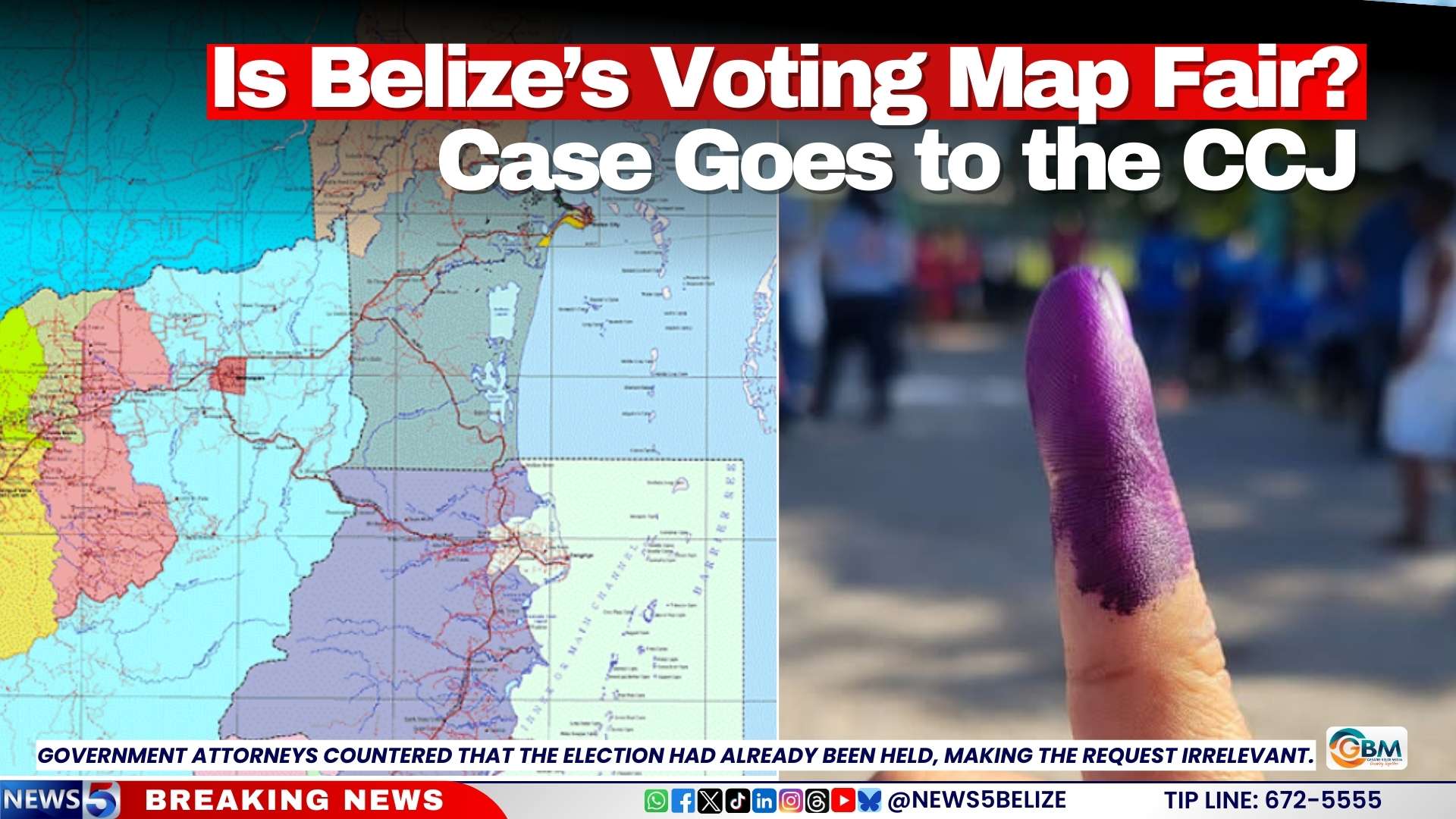
    A landmark legal challenge concerning Belize’s electoral constituency boundaries has advanced to the Caribbean Court of Justice (CCJ), marking a significant development in a year-long constitutional dispute. Activist Jeremy Enriquez has petitioned the regional judicial body to reinstate his previously dismissed case alleging malapportionment in Belize’s voting districts.

    Enriquez’s central argument contends that substantial population disparities between constituencies violate constitutional guarantees of equal representation. The original lawsuit, initiated in February 2025, sought to postpone that year’s general elections until electoral boundaries underwent comprehensive revision to address demographic imbalances.

    The legal pathway encountered obstacles when Belize’s Court of Appeal dismissed multiple aspects of Enriquez’s challenge, including appeals concerning both the refusal to halt the 2025 elections and a subsequent costs order levied against his legal representative. The current CCJ petition seeks judicial reactivation of these dismissed elements.

    Government legal representatives, led by Attorney Illiana Swift, have countered that the concluded 2025 general election renders the central injunction request moot. ‘The election has been held, and as the applicants accepted, they are no longer seeking that injunction in the High Court,’ Swift stated during proceedings.

    Parallel to the judicial review, Belize’s Elections and Boundaries Department has commenced preparatory work for upcoming municipal elections. Chief Elections Officer Josephine Tamai confirmed that departmental officers are currently implementing newly adjusted municipal boundaries to ensure accurate voter placement and registration ahead of the 2027 local polls.

  • LIVE: Southern Vicariate Lenten Retreat 2026 at the St. Luke Parish. Theme: The way of the cross

    LIVE: Southern Vicariate Lenten Retreat 2026 at the St. Luke Parish. Theme: The way of the cross

    Pinterest has announced a significant expansion of its body type representation technology, introducing a more diverse range of silhouettes to improve inclusivity in fashion and beauty searches. The visual discovery platform’s latest update enables users to refine image results based on specific body types, moving beyond its initial limited options to better reflect real-world diversity.

    The enhanced technology employs advanced machine learning algorithms to analyze and categorize body shapes within Pinterest’s vast image database. This development represents Pinterest’s ongoing commitment to creating a more positive and representative online environment, particularly in fashion and wellness content where body image sensitivity is paramount.

    Company representatives emphasized that this technological advancement addresses longstanding gaps in visual search inclusivity. The update allows users to discover style inspiration and product recommendations that align with their individual body types, making the platform more personally relevant and useful.

    The body type technology expansion follows Pinterest’s previous initiatives promoting mental wellness and body positivity, including its ban on weight loss advertisements in 2021. This strategic direction aligns with evolving user expectations for platforms to demonstrate social responsibility and promote healthy self-image.

    Industry analysts note that Pinterest’s focus on inclusive technology could set new standards for visual search capabilities across social media platforms, potentially influencing how other companies approach representation in their algorithms and user experiences.

  • Empower Her: Belizean Women Step Boldly Into Leadership

    Empower Her: Belizean Women Step Boldly Into Leadership

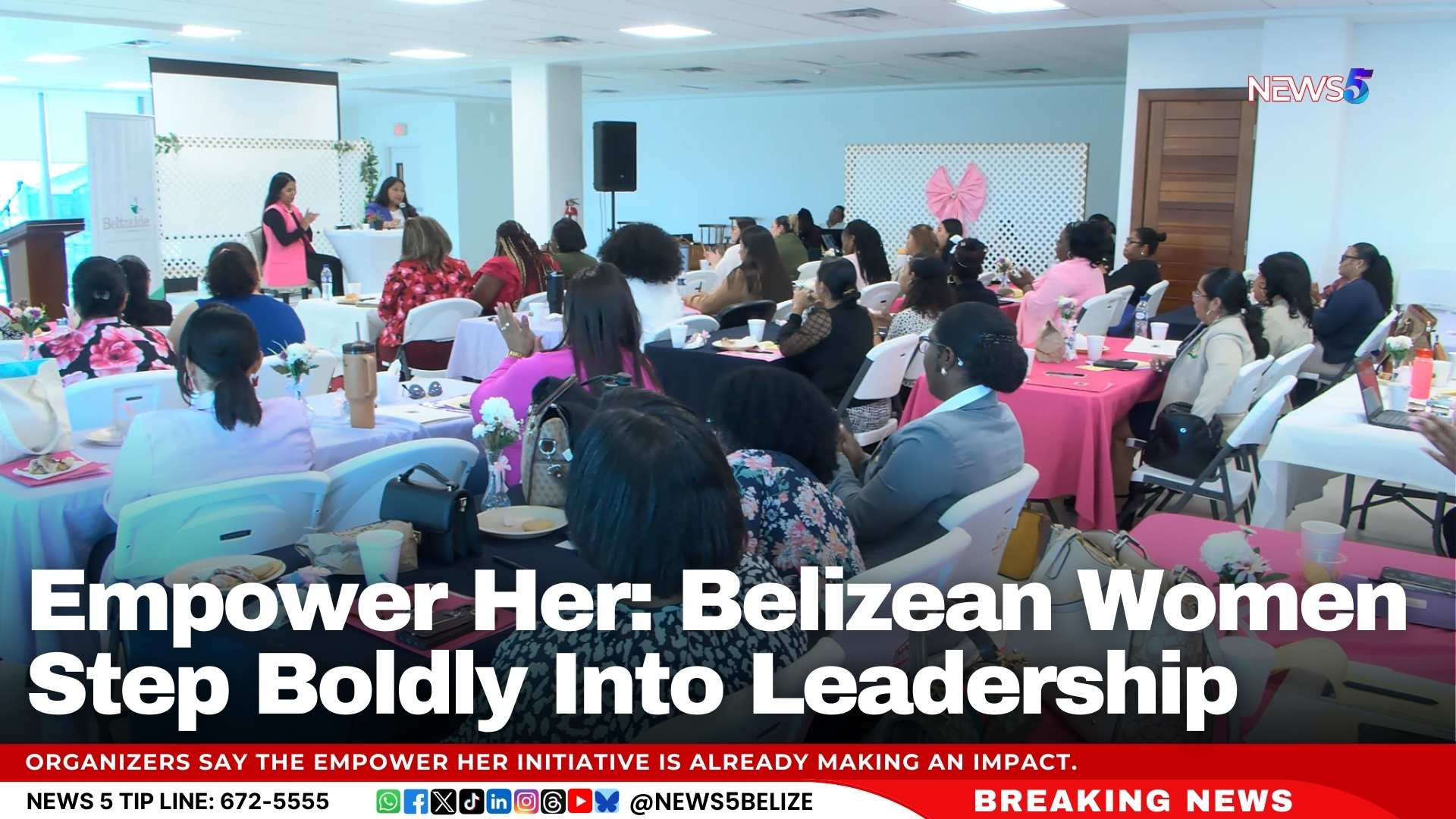
    BELIZE CITY – A transformative movement is reshaping Belize’s leadership landscape as women ascend to prominent roles across business, government, and civil society. The third annual Empower Her Symposium, convened by the Belize Trade and Investment Development Service (BELTRAIDE), has become the epicenter of this cultural shift, gathering female entrepreneurs, executives, and emerging leaders for intensive professional development.

    The two-day leadership convocation, described by organizers as a catalyst for systemic change, featured comprehensive training modules addressing emotional intelligence, transformational leadership methodologies, financial literacy, and holistic wellness practices. The program included interactive workshops, strategic networking sessions, and an intimate fireside conversation featuring insights from prominent business leader Marleni Cuellar.

    Among the powerful narratives shared was that of Susan Ferguson, Executive Director of the Belize Emergency Response Team, who recounted her journey from teenage motherhood to master’s degree completion. ‘Determination replaced limitation,’ Ferguson stated before an audience of peers. ‘I refused to become a statistic and instead built the support systems that now enable me to save lives and serve communities.’

    Academic perspective was provided by Dr. Maxcine McKay of the University of Belize, who emphasized the essential nature of female representation across all societal sectors. ‘Women’s contributions must be recognized beyond symbolic occasions—we need sustained presence in government chambers, healthcare leadership, and media boardrooms,’ Dr. McKay asserted.

    Program metrics substantiate the initiative’s growing influence, with approximately 150 women having completed professional training through the Empower Her curriculum. According to Sarita Bejerano, Manager of the Belize Training and Employment Center, these participants are now implementing their enhanced capabilities while establishing robust mentorship networks that promise to accelerate future leadership pipelines.

    The symposium represents part of Belize’s broader national strategy to leverage gender-inclusive governance and economic participation as drivers of sustainable development, positioning the Central American nation as an emerging model for gender equity in the Caribbean region.

  • GOB Responds to US Lawmaker’s Call for Review of Belize’s Investment Climate

    GOB Responds to US Lawmaker’s Call for Review of Belize’s Investment Climate

    The Government of Belize has formally addressed concerns raised by United States lawmakers regarding the nation’s investment environment, expressing unwavering confidence in its judicial framework and dedication to sound governance principles. This response comes following a congressional inquiry initiated by Brian J. Mast, Chairman of the House Foreign Affairs Committee, who requested Secretary of State Marco Rubio to conduct a comprehensive assessment of Belize’s institutional safeguards for foreign investments.

    In an official statement released March 12, 2026, Belizean authorities emphasized the country’s status as a stable democracy with a historically positive bilateral relationship with the United States. The government committed to full cooperation with US officials, pledging to provide all necessary information for the review process.

    The congressional inquiry appears to have been prompted by ongoing investor disputes, particularly the protracted controversy surrounding the Stake Bank Island cruise port development project. US legislators have questioned whether these disputes indicate systemic challenges in governance and rule-of-law adherence.

    Countering these concerns, the Belizean government highlighted significant foreign direct investment achievements, noting approximately $505 million in net investment flows over the previous two years. Officials pointed to substantial reforms aimed at modernizing legal frameworks, digitizing regulatory systems, and enhancing investor incentives as evidence of their commitment to improving the business landscape.

    Citing international metrics, the statement noted Belize’s regional standing as having the second lowest perceived corruption according to the Corruption Perception Index and ranking third on the World Justice Project’s Rule of Law Index among Central American nations.

    Regarding the specific Stake Bank case, authorities clarified that the compulsory acquisition had been deemed constitutional by Belize’s High Court, with the matter currently pending before the Court of Appeal. Given the ongoing judicial process, officials declined to provide additional commentary on this particular case.