作者: admin

  • OPEN LETTER: Mercy over ambition – Why we must protect Feed My Sheep

    OPEN LETTER: Mercy over ambition – Why we must protect Feed My Sheep

    A profound institutional crisis has emerged within Dominica’s charitable sector, threatening the continuity of a four-decade-old ministry serving the island’s most vulnerable populations. The conflict centers on Feed My Sheep (FMS) Dominica, a vital humanitarian organization now facing displacement from its longtime home at the Mahaut Gospel Tabernacle (MGT).

    The Augustine family legacy, established by the late Pastor Samuel ‘Preacher’ Augustine and Sister Lena Augustine, represents one of Dominica’s most enduring philanthropic endeavors. Beginning in Delices before establishing permanent operations at Campbell Road in Mahaut, the couple created both a spiritual community and a comprehensive social support system. Their dual mission encompassed spiritual guidance through MGT and physical sustenance through FMS, operating in symbiotic harmony for forty years under Sister Lena’s leadership until her passing in June 2025.

    Since her death, a distressing schism has developed between the church leadership and the charitable foundation. Dennis Augustine, eldest son of the founders and current board member of FMS, describes how the current MGT leadership has moved to terminate the four-decade arrangement that allowed both organizations to coexist. This action directly threatens the charity’s operational capacity to serve children, elderly, and homeless populations across Dominica.

    The Augustine siblings have personally sustained FMS operations since July 2025, but acknowledge reaching their financial limits as entrepreneurs without professional fundraising infrastructure. Despite attempts at biblical reconciliation following Matthew 5:23-24 principles, their calls for dialogue have been met with silence and hostility from church leadership.

    The organization now faces two simultaneous challenges: maintaining essential services including food bank operations and resident care, while preparing for potential legal action to secure their future. A public appeal has been launched seeking both mediation assistance from those connected to MGT leadership and financial support for both operational and legal expenses.

    This confrontation raises fundamental questions about institutional legacy, religious responsibility toward social service, and the preservation of community-based humanitarian work. The outcome will determine whether what Dennis Augustine describes as his parents’ ‘pure religion’—the practical application of James 1:27’s mandate to care for the vulnerable—can continue in its intended form.

  • Govt revises Estimates as global turmoil worsens

    Govt revises Estimates as global turmoil worsens

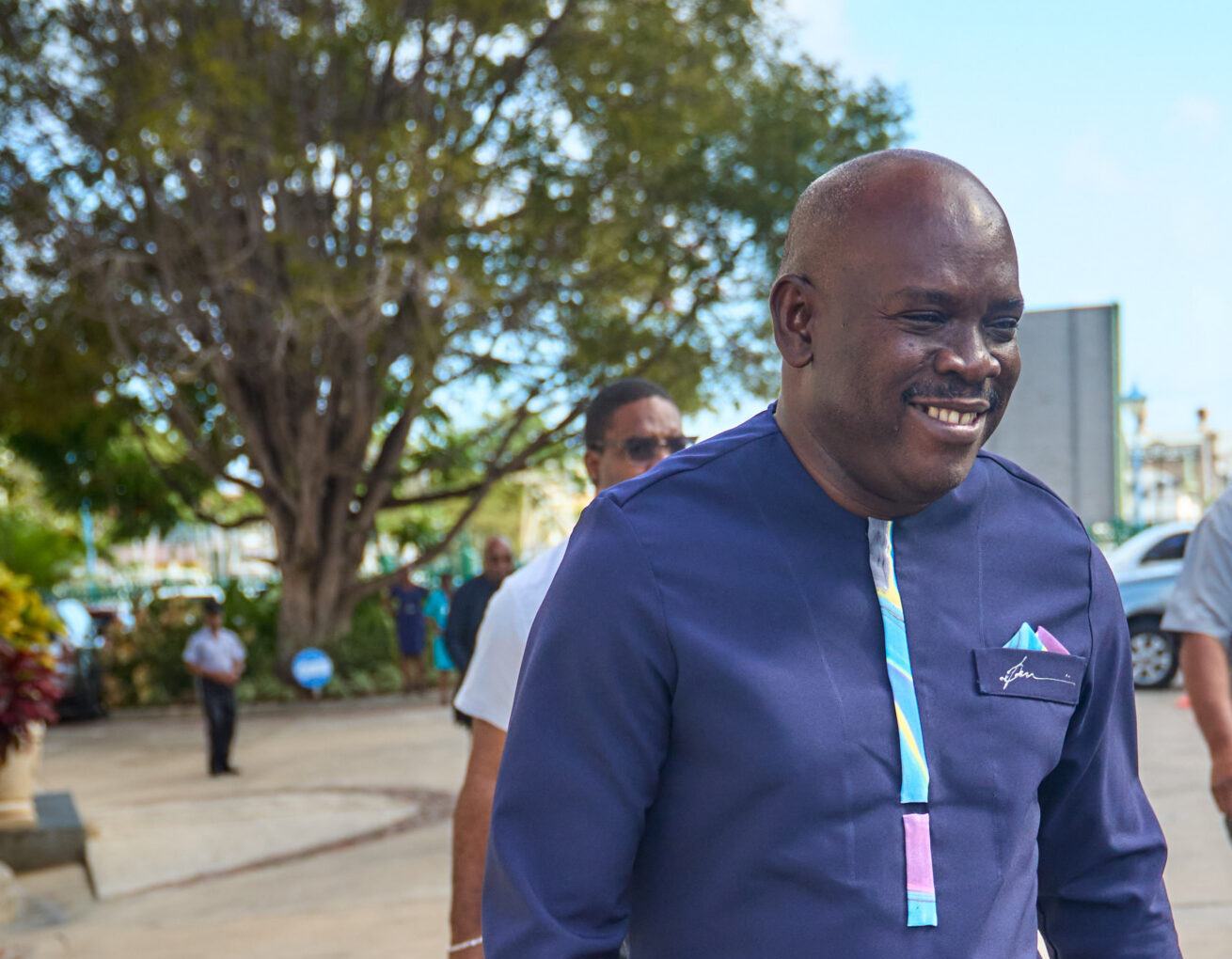
    Facing escalating global economic volatility and Middle Eastern conflicts, Barbados’s re-elected Mia Mottley administration has executed a substantial $500 million budgetary revision to address surging fuel and import expenses. Finance Minister Ryan Straughn presented this adjusted fiscal framework during his inaugural Budget address in Parliament on Monday, marking his first presentation as sole minister of finance.

    Minister Straughn, representing Christ Church East Central, detailed how the government recalibrated both revenue projections and expenditure allocations in response to rapidly evolving international conditions. He emphasized that the global landscape had ‘fundamentally changed’ since initial estimates were formulated, necessitating immediate policy adaptations.

    While warning of an impending fuel and energy crisis, Straughn called for coordinated preparedness across government institutions, private enterprises, and individual households. The economist-turned-minister acknowledged the increasing likelihood of a global economic recession but highlighted Barbados’s significant economic achievements under current leadership.

    The administration has achieved record-low unemployment at 6.1% and reduced debt-to-GDP from a peak of 178.9% in 2018 to the current 93.3%. Foreign reserves have surpassed $3 billion, with all major credit rating agencies upgrading Barbados’s economic outlook. Straughn credited ‘decisive action and discipline’ for stabilizing public finances after years of fiscal challenges.

    Notably, 2026 marks the first budget presentation outside an International Monetary Fund program, though the minister confirmed maintaining ongoing dialogue with the IMF. The government has successfully restructured both domestic and external debt, redirecting funds toward public services and infrastructure rather than debt servicing.

    Additionally, Barbados has achieved significant regulatory milestones by removal from all adverse listings by the Organisation for Economic Co-operation and Development (OECD), Financial Action Task Force (FATF), and European Union. The island now meets international standards for financial transparency and regulatory compliance, including adherence to the US Foreign Account Tax Compliance Act (FATCA) and FATF protocols against money laundering and terrorist financing.

  • Straughn: Government doing its best to cushion impact on Barbadians

    Straughn: Government doing its best to cushion impact on Barbadians

    Barbados Finance Minister Ryan Straughn has issued a stern warning to businesses against exploitative pricing practices while unveiling comprehensive economic safeguards during his parliamentary budget address. The government’s intervention comes as global shipping disruptions and volatile fuel markets threaten to drive unprecedented cost increases for imported goods throughout the Caribbean nation.

    Minister Straughn articulated grave concerns regarding the compounding effects of international oil price fluctuations and new emergency surcharges imposed by major shipping carriers. He revealed alarming projections that shipping container costs from China could quadruple from current levels of US$4,000 to as much as US$16,000 per container should oil prices reach US$150 per barrel.

    The minister detailed immediate countermeasures including a transformative fiscal policy that will cap freight values for tax calculation purposes effective April 1 through March 2027. Under this temporary mechanism, import duties and VAT will be calculated on capped values of US$3,000 for 20-foot containers and US$6,000 for 40-foot containers, rather than on actual inflated shipping costs.

    Straughn specifically called out bunker adjustment factors—floating fuel surcharges that have recently escalated from US$200 to US$700 for 20-foot containers and from US$400 to US$1,400 for 40-foot containers. These defensive measures by shipping giants including CMA CGM, Mediterranean Shipping Company, Hapag-Lloyd, and Maersk will shortly impact Barbados’ import economy.

    The government will additionally introduce transfer pricing legislation to regulate transactions between related companies within import supply chains, preventing artificial price inflation through intermediary structures. Enhanced monitoring systems will provide real-time surveillance of essential consumer goods pricing.

    While emphasizing government’s commitment to cushioning citizens from external economic shocks, Straughn urged private sector entities to revisit sourcing and pricing strategies, recalling their previous collaboration through the 2022 Social Compact. He maintained that price gouging would ultimately prove self-defeating for businesses while acknowledging consumers must understand the genuine global pressures affecting supply chains.

  • Bajans ‘to feel tax relief’ as gov’t moves to ease cost-of-living pressure

    Bajans ‘to feel tax relief’ as gov’t moves to ease cost-of-living pressure

    The Barbadian government has announced a significant fiscal intervention designed to alleviate economic pressure on households, with Finance Minister Ryan Straughn detailing a comprehensive package of tax reductions and credits. Effective from the 2025 and 2026 income years, the strategy targets low-to-middle-income earners and pensioners grappling with elevated living expenses.

    Central to the initiative is a one percentage point reduction in personal income tax rates for the 2026 fiscal period. Individuals earning between $25,000 and $75,000 will see their rate drop to 11.5%, while those above the $75,000 threshold will be taxed at 27.5%. Minister Straughn emphasized that these adjustments will collectively return approximately $26.1 million annually to working citizens, thereby boosting disposable income without compromising the nation’s progressive tax framework.

    Simultaneously, the reverse tax credit will be elevated from $1,300 to $1,700 for taxpayers with annual incomes up to $25,000 starting in 2025. Furthermore, eligibility for this credit will be expanded to include individuals earning up to $35,000, who will receive a $750 benefit—a measure expected to extend support to an additional 17,221 people at a cost of $12.9 million.

    The compensatory income credit will also see its income ceiling raised from $35,000 to $50,000, benefiting 18,415 taxpayers by allowing them to retain a larger portion of their earnings.

    Pensioners stand to gain substantially from the new provisions. A one-year cost-of-living cash credit of $100 per month will be introduced from April 1 for those with incomes under $50,000. Administered through the National Insurance and Social Security Service in coordination with the Barbados Revenue Authority, this support is available to recipients of contributory and non-contributory pensions, survivors’ benefits, and retired public officers. The payment frequency can be tailored to quarterly, semi-annual, or annual disbursements based on individual preference.

    Additionally, the taxable allowance for pensioners will increase from $50,000 to $75,000 effective in the 2025 income year. The program also extends to individuals who have not qualified for a pension due to insufficient contributions and those on welfare benefits.

    Minister Straughn acknowledged that global challenges—including geopolitical conflicts, supply chain disruptions, and inflationary trends—necessitated fiscal discipline, but affirmed the government’s commitment to providing further relief as economic conditions permit.

  • Farmers to get more help with heat stress, praedial larceny

    Farmers to get more help with heat stress, praedial larceny

    In a significant move to bolster national food security, Barbados’ Finance Minister Ryan Straughn has unveiled a sweeping agricultural support initiative during Monday’s Budget address to the House of Assembly. The comprehensive package addresses critical challenges facing the farming sector, including climate-induced losses, production costs, and persistent praedial larceny.

    The poultry industry receives particular attention following devastating heat-related losses that have crippled small-scale operations. Minister Straughn revealed that extreme temperatures annually claim hundreds of thousands of chickens, creating substantial economic damage for farmers with limited infrastructure.

    Effective April 1, qualifying small poultry farmers can access a 100% rebate—capped at $15,000—for implementing heat-reduction technologies such as specialized reflective paint in poultry housing. This enhanced support will remain in effect for two years before transitioning to a 50% rebate available every three years.

    Concurrently, the government is intensifying its battle against agricultural theft. Beginning April 2026, the farm security rebate ceiling will increase from $10,000 to $15,000, covering half the costs of approved surveillance systems including cameras and electronic monitoring equipment. These systems must comply with Barbadian legislation and meet Ministry of Agriculture specifications while forming part of broader enforcement strategies under the Protection of Agricultural Products Act, which will involve strengthened collaboration with the Barbados Police Service.

    The agricultural stimulus extends to sustainable farming practices with an annual $5,000 rebate for initiatives utilizing organic materials for fertilizer and plant/animal inputs, aimed at reducing dependency on imported chemical products and lowering long-term production expenses.

    Additionally, the apiculture sector gains substantial support through a 50% annual rebate—up to $5,000—on essential beekeeping equipment including hives, frames, smokers, and tools. The government will further facilitate the commercial distribution of locally produced honey and explore developing protective clothing for beekeepers in partnership with Export Barbados.

  • Polls Close in St. Philip North By-Election as Counting Set to Begin

    Polls Close in St. Philip North By-Election as Counting Set to Begin

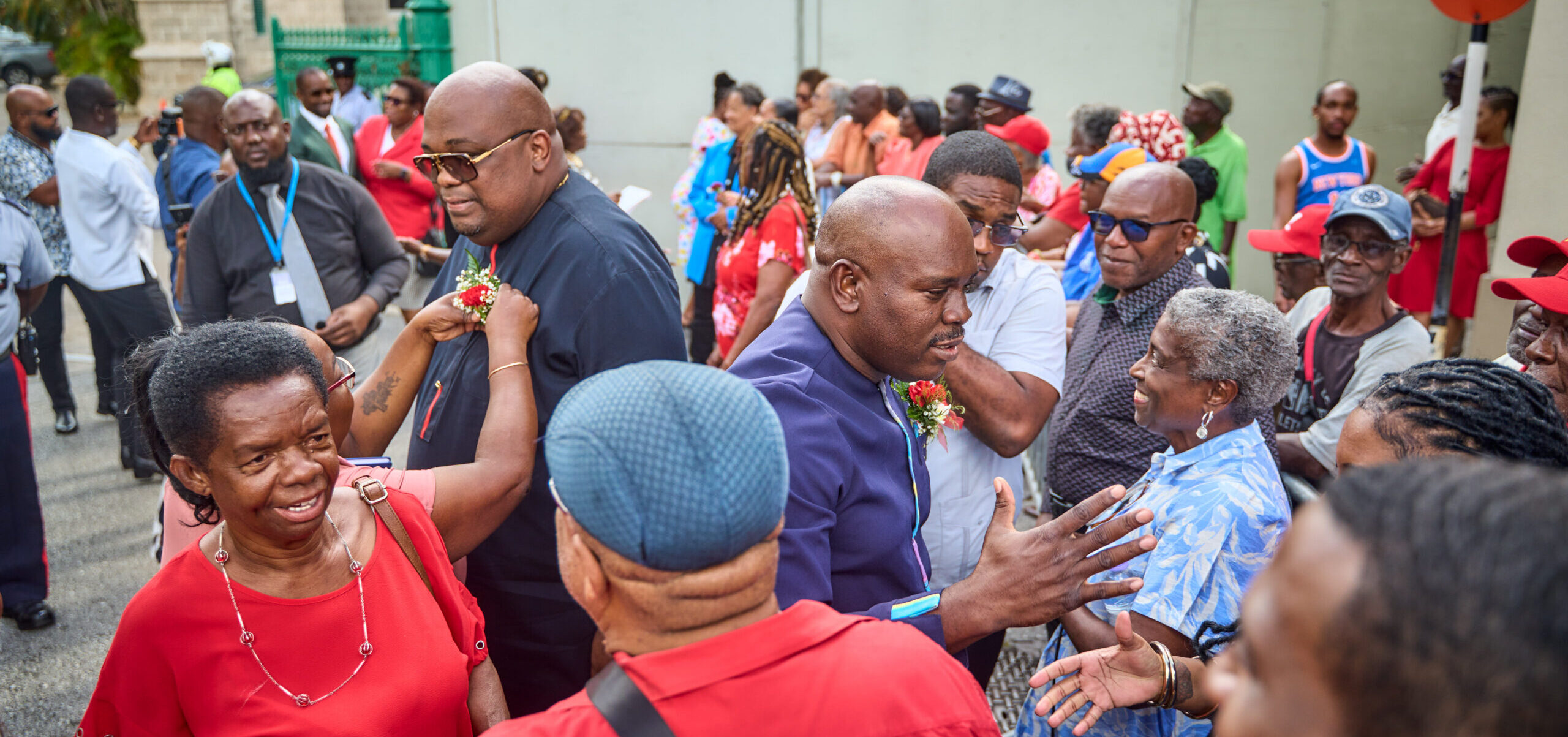
    The St. Philip North constituency has completed a tranquil by-election day, marking the conclusion of voting to determine the successor to parliamentary veteran Sir Robin Yearwood. Polling stations across the district opened promptly at 6 a.m., with all seven locations operational as scheduled. Election authorities reported consistent voter participation at various intervals, though certain polling sites experienced quieter periods with slower foot traffic throughout the day.

    This special election became necessary following the resignation of Sir Robin Yearwood, whose distinguished parliamentary service extended across fifty years. The political contest features a direct competition between United Progressive Party’s representative Alex Browne and Antigua and Barbuda Labour Party’s contender Randy Baltimore. Both candidates demonstrated strong optimism about their prospects during pre-election activities.

    With the voting process now complete, election officials are preparing to commence the critical ballot counting phase. Supporters from both major political parties await with anticipation as the outcome of this strategically important by-election will determine parliamentary representation for the St. Philip North district. The election’s administration proceeded without significant disruptions, maintaining the integrity of the democratic process throughout the day’s operations.

  • Government Launches $300,000 Emergency Works as Monkey River Erosion Worsens

    Government Launches $300,000 Emergency Works as Monkey River Erosion Worsens

    The Belizean government has initiated a critical $300,000 emergency coastal stabilization initiative in Monkey River Village, Toledo District, responding to escalating erosion that jeopardizes residential properties, public utilities, and even a local cemetery. This intervention, launched in February 2026, marks the first direct governmental action following persistent appeals from residents witnessing the gradual encroachment of the sea upon their community.

    Prime Minister John Briceño expressed profound concern during the project announcement, stating, “Without immediate governmental intervention, this village faces existential threat.” He recounted the distressing sight of cemetery sections submerged by seawater, conveying feelings of both frustration and urgency that earlier measures had not been implemented to protect the vulnerable coastal settlement.

    The engineering strategy involves deploying rock barriers and strategic sand repositioning near the river estuary to dissipate wave energy and reinforce the deteriorating shoreline. Village Chairlady Eloydia Cuevas emphasized the multifaceted crisis, noting that erosion impacts extend beyond physical land loss to threaten the community’s economic stability, cultural heritage, and environmental security. “This isn’t just land—it’s our identity, our livelihood, and our home,” Cuevas affirmed.

    The project represents a critical test case for climate resilience in Belize’s coastal communities, with implications for future regional environmental policy and disaster mitigation planning.

  • STEMGuyana joins Eastern Caribbean Robotics and Innovation Association

    STEMGuyana joins Eastern Caribbean Robotics and Innovation Association

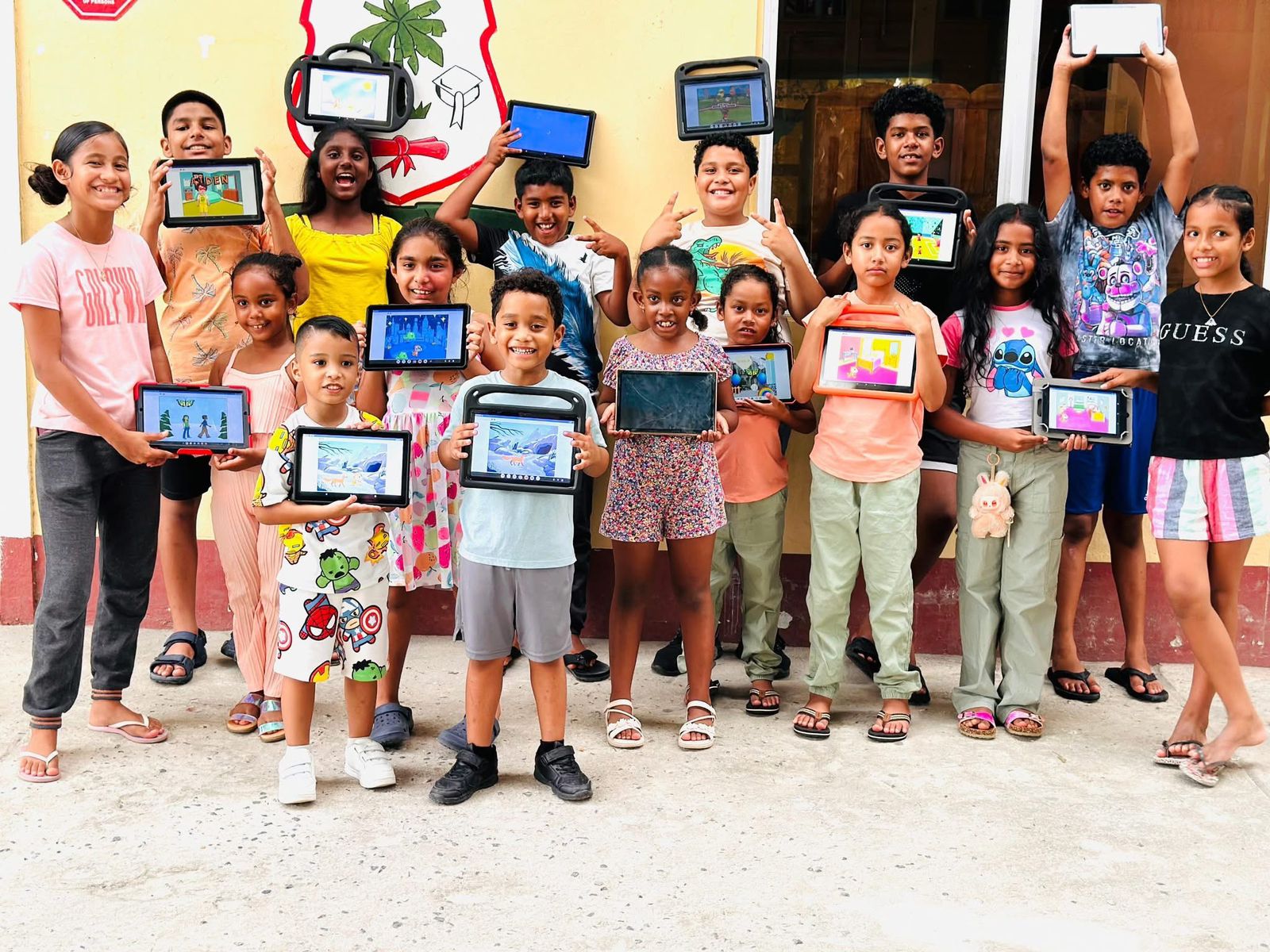
    In a significant advancement for Caribbean technological education, STEMGuyana has established a formal partnership with the Eastern Caribbean Robotics and Innovation Association (ECRIA) through a memorandum of understanding signed in February 2026. This strategic alliance creates a framework for enhanced collaboration in robotics, innovation, and STEAM education throughout the Caribbean region.

    The newly formed partnership enables STEMGuyana to participate as a member organization within ECRIA’s regional network, facilitating unprecedented opportunities for student engagement, knowledge sharing, and technological cooperation. The collaboration will be prominently featured at the ongoing OECS Super Regional Robotics Challenge in St. Kitts and Nevis (March 16-20), where Ms. Elsie Harry, STEMGuyana’s Board Member and Fundraising Coordinator, will deliver official remarks representing the organization.

    Ms. Harry, who also serves as STEMGuyana’s Liaison to ECRIA, emphasized the critical importance of regional cooperation in preparing Caribbean youth for the rapidly evolving global technology landscape. “Through this partnership with ECRIA, STEMGuyana looks forward to strengthening opportunities for students in Guyana to engage in robotics, innovation, and collaborative learning across the Caribbean while sharing our best practices in the STEM field with regional counterparts,” she stated in an official release.

    Although STEMGuyana will not field a competitive team in this year’s challenge, the organization has committed to sending Guyanese students to future Eastern Caribbean competitions as part of its expanding robotics education initiatives. The partnership represents a strategic move to create pathways for Guyanese students to participate in regional robotics competitions, collaborate with Caribbean peers, and access advanced STEAM learning opportunities.

    STEMGuyana, founded to promote equitable access to science, technology, engineering, arts, and mathematics education, has extensive experience working with youth across Guyana to develop technical skills, problem-solving abilities, and entrepreneurial thinking. Through robotics programs, coding workshops, and mentorship initiatives, the organization continues to empower young people with essential tools for participation in the digital economy.

    The collaboration signals a growing movement toward regional integration in technology education and youth development, positioning Caribbean nations to collectively cultivate the next generation of innovators, engineers, and technology leaders.

  • Customs get specialist training to curb illegal gun trafficking

    Customs get specialist training to curb illegal gun trafficking

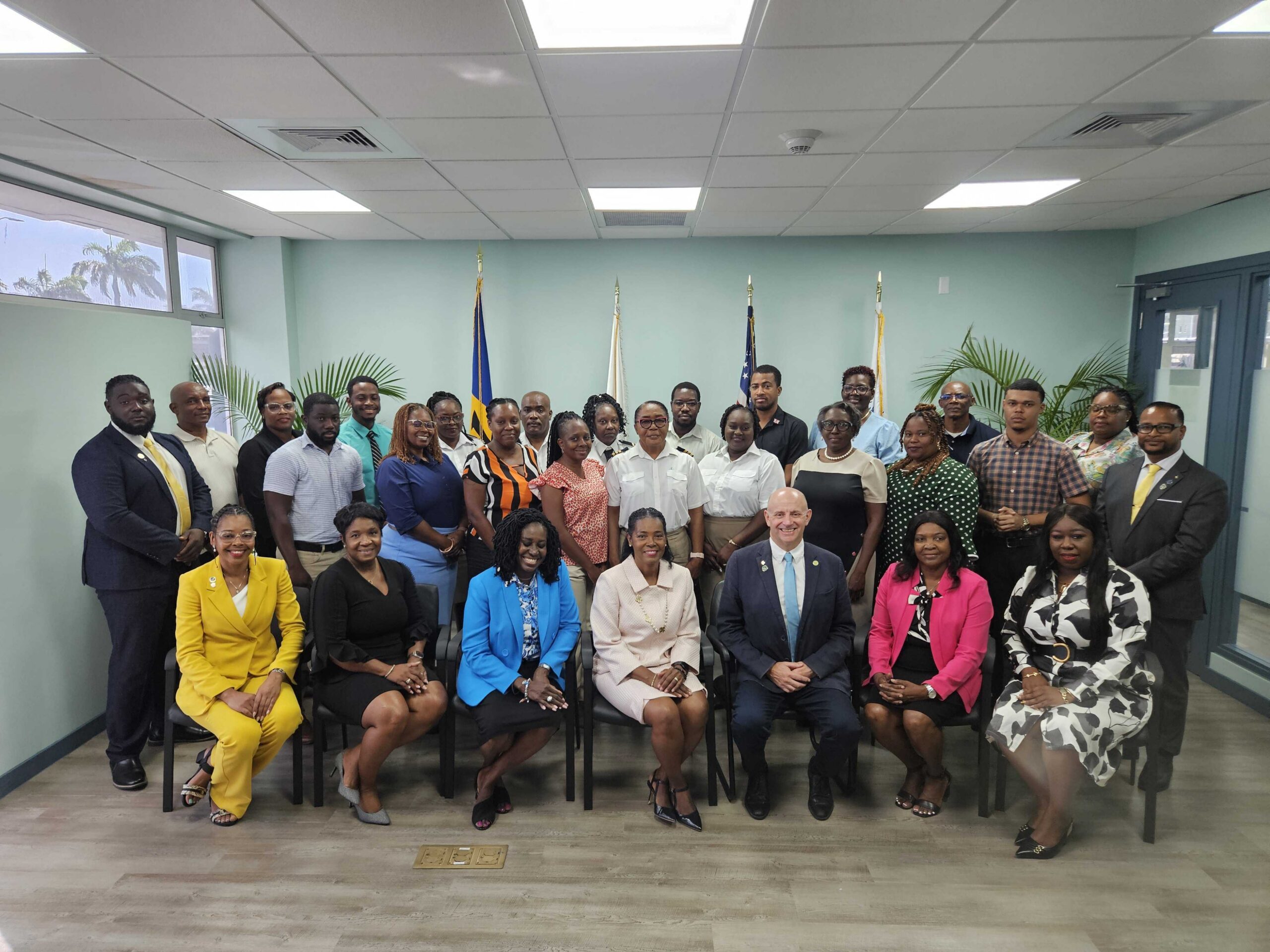
    In a decisive move to strengthen border security, the Barbados Customs and Excise Department has initiated an intensive five-day training program for 20 officers focused on identifying and intercepting illicit firearms. The specialized course, launched in collaboration with the World Customs Organization (WCO), represents a critical step in regional efforts to curb the escalating threat of small arms trafficking across the Caribbean.

    Acting Comptroller of Customs Cheryl-Ann Cumberbatch emphasized the urgency of the initiative, stating, ‘The current surge in firearm usage necessitates enhanced detection and interdiction capabilities within our customs operations. This training arrives at a pivotal moment for our national security framework.’

    The curriculum, delivered through the WCO’s Project BOLT initiative, combines theoretical knowledge with practical exercises covering international legal frameworks, weapon identification techniques, smuggling methodologies, and post-recovery firearm management. Notably, this marks the first WCO-led training in the English-speaking Caribbean utilizing regionally certified instructors through the organization’s train-the-trainer program.

    Duncan Potter, Project BOLT coordinator for WCO, highlighted the program’s strategic importance: ‘This represents a fundamental advancement for Barbados’ border security capabilities. Our organization remains committed to delivering capacity-building initiatives that empower members to protect their societies.’

    The training supports implementation of the Caribbean Firearms Roadmap, a multinational agreement Barbados has endorsed to reduce weapons trafficking. Officials directly linked the initiative to combating rising gun violence fueled by illegal firearms, which Comptroller Cumberbatch identified as ‘a significant threat to public safety and national security.’

    The program reinforces existing collaboration between customs authorities and the Barbados Police Service through improved intelligence sharing and coordinated enforcement operations. Project BOLT operates in partnership with CARICOM IMPACS and receives support from the United States Bureau of International Narcotics and Law Enforcement Affairs.

  • Young Steel Pan Talents Take Top Honors at National Junior Solo Competition

    Young Steel Pan Talents Take Top Honors at National Junior Solo Competition

    Antigua and Barbuda’s cultural future shone brightly on March 15th, 2026, as fourteen extraordinary young musicians took center stage at The UWI Global Campus for the National Junior Solo Competition. The Department of Culture has officially announced the winners following an evening that redefined youthful artistic excellence in steel pan performance.

    The competition, segmented into two age categories, showcased a remarkable display of technical mastery and creative interpretation. In the 5-13 age bracket, Kaiya Casimir and Keiyanna Davis claimed joint first place, demonstrating unparalleled synergy and skill. Tianna Spencer secured third position with a distinguished performance that captivated both audience and judges.

    The 14-21 category featured intense competition, with Keshawn Benjamin emerging victorious through a combination of precision and emotional depth. Imani Quinland captured second place, while Zari Roach and Calique Thomas earned third and fourth places respectively, each bringing unique artistic vision to their performances.

    Critical support from corporate partners Glow Up, Square Deal Security Solutions, Firehouse Grill, and Books by Barbara, alongside cultural ambassadors Aubrey ‘Lacu’ Samuel and Curtis ‘CC’ Cochrane, provided essential infrastructure for this celebration of national heritage. Their demonstrated commitment to youth development through cultural preservation created an environment where emerging talent could thrive.

    The Department of Culture reaffirmed its dedication to cultivating Antigua and Barbuda’s artistic legacy through such initiatives, noting that events of this caliber not only recognize achievement but also reinforce the importance of cultural continuity between generations.