作者: admin

  • Gillnets Found on Corona Reef During Reef Week

    Gillnets Found on Corona Reef During Reef Week

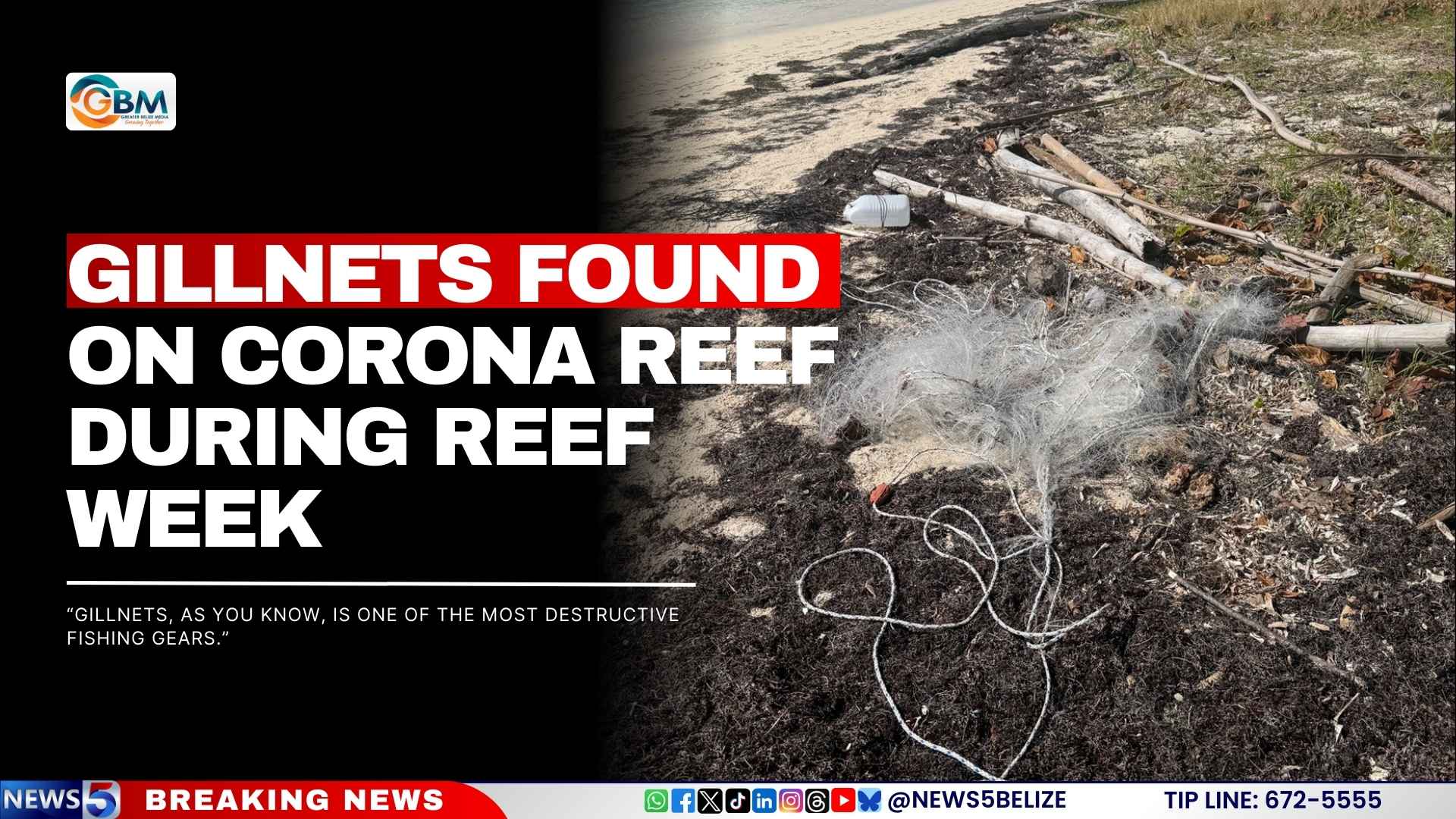
    In a startling discovery that contradicts ongoing conservation efforts, Belize’s ecologically significant Corona Reef was found contaminated with prohibited gillnets during the nation’s annual Reef Week celebrations. The incident occurred on March 12, 2026, when monitoring teams encountered the destructive fishing apparatus strategically deployed across the coral structures in the Sapodilla Range.

    Wil Maheia, representing the Belize Territorial Volunteers (BTV), expressed profound dismay at discovering the illegal nets during what should have been a period of heightened marine protection awareness. “The encounter left us utterly astonished,” Maheia conveyed to news outlets. “Corona Reef represents the crown jewel within the Mesoamerican Reef System, making this discovery particularly disheartening.”

    Despite partial removal efforts by the volunteer team, complete extraction proved unachievable without specialized equipment. The BTV documented precise geographical coordinates and promptly notified both the Belize Coast Guard and TIDE rangers for official intervention and complete remediation.

    Maheia contextualized the violation within regional dynamics, noting Belize’s longstanding prohibition against gillnets—fishing implements notorious for indiscriminate marine destruction. Based on the reef’s proximity to international boundaries and historical patterns, he attributed the illegal activity to Guatemalan fishers capitalizing on seasonal demand fluctuations preceding Easter celebrations.

    The conservation advocate acknowledged existing enforcement efforts while urging intensified patrols and surveillance operations. With escalating regional fish consumption expectations during the upcoming religious holiday, Maheia warned of potential increased incursions into Belize’s protected marine territories, emphasizing the critical need for preemptive defensive measures.


  • Minstens 600.000 extra aan lokale kip op de markt medio dit jaar

    Minstens 600.000 extra aan lokale kip op de markt medio dit jaar

    Suriname’s poultry industry is poised for significant expansion with projections indicating an additional 600,000 to 800,000 chickens will reach domestic markets by mid-year. This substantial production increase represents a strategic move to bolster national food security and reduce dependency on imported poultry products.

    Current market analysis reveals that approximately 65% of Suriname’s chicken supply is imported, while only 35% originates from local producers. Agriculture, Livestock, and Fisheries Minister Mike Noersalim emphasized that strengthening domestic production capabilities remains a government priority. “Enhancing local production capacity is essential to diminishing import reliance and fortifying our national food security framework,” Minister Noersalim stated during high-level discussions with poultry sector representatives.

    The government has established a collaborative working group comprising multiple stakeholders to address critical industry challenges. This implementation body, featuring representatives from various ministries and industry associations, will convene its inaugural meeting at the Finance Ministry to tackle pressing taxation and VAT-related issues affecting the sector.

    Minister Noersalim clarified that while his ministry oversees agricultural policy, effective resolution requires cross-ministerial cooperation. The Ministries of Finance, Public Works and Spatial Planning, and Economic Affairs, Entrepreneurship and Technological Innovation will all contribute expertise to the comprehensive solution matrix.

    The ongoing avian influenza outbreak in Europe has prompted import restrictions on breeding eggs from affected regions, forcing Surinamese producers to seek alternative suppliers including Brazil. Initial results from these new breeding partnerships are anticipated within approximately two weeks.

    The Poultry Sector Association of Suriname (APSS) has additionally advocated for converting technical specifications into formal legislation to enable more effective regulatory oversight and enforcement mechanisms. This legislative enhancement would ensure improved food safety standards for consumers while maintaining industry compliance.

  • High Turnover Strains Treasury Department Operations

    High Turnover Strains Treasury Department Operations

    A severe staffing crisis is undermining operational efficiency at the Treasury Department, according to alarming testimony delivered by Accountant General Teresita Miranda. Appearing before the Joint Public Accounts Committee (JPAC) on Friday, Miranda revealed that persistent high turnover rates and specialized skill requirements are creating significant obstacles in maintaining current financial records.

    Miranda presented a stark illustration of the department’s recruitment challenges, disclosing, “Just yesterday I received a resignation letter from an officer who completed six months of intensive training. In their seventh month, they decided to depart.” This pattern of departure after substantial investment in training creates a cyclical staffing dilemma that severely impedes departmental productivity.

    The Accountant General emphasized that Treasury operations extend far beyond conventional ministry accounting, comprising twelve specialized units handling critical functions including cash management, fiscal operations, and revenue administration. This complexity demands officers possess comprehensive understanding of interconnected financial systems.

    Despite implementing weekly training sessions, standardized reporting protocols, and strategic plans to reinforce Treasury functions, staff shortages continue to hamper progress. The department confronts substantial backlogs in financial statement preparation and faces thousands of unreconciled transactions requiring expert attention.

    Miranda’s testimony before JPAC highlighted the urgent need for systemic solutions to address both recruitment difficulties and retention problems within this vital government institution.

  • Computer World rises again after devastating fire

    Computer World rises again after devastating fire

    In a resilient response to a devastating fire, Saint Lucia’s premier technology retailer Computer World has established a temporary operational base at the Daher Commercial Centre in Bois d’Orange. This strategic relocation positions the company directly opposite the charred remnants of its former building, symbolizing its commitment to recovery and continued service to the community.

    The catastrophic blaze on March 6th completely gutted the Computer World structure, consuming the retail storefront, warehouse, and entire inventory. Firefighting crews confronted intense smoke and hazardous materials during their efforts to contain the inferno, which resulted in extensive property and data loss.

    Manager Melicia Thomas confirmed the phased reopening strategy, stating that accounting services will resume operations first. This initial phase is critical for reconstructing the company’s digital records and financial data lost in the disaster. The retail component is projected to follow shortly thereafter, targeting a reopening date of Monday, March 23, 2026.

    ‘Our accounting department must take priority as we need to re-enter all our operational data,’ Thomas explained. ‘The physical store will commence operations in the subsequent week.’

    Thomas revealed the profound impact on staff members, noting that some employees lost personal belongings stored onsite. Despite the emotional devastation and concerns about job security, the team has demonstrated remarkable solidarity. ‘We function as a family unit,’ Thomas emphasized. ‘We collectively mobilized to secure a new location and guarantee employment preservation for all our team members.’

    Computer World has established itself as an institutional provider of technology solutions and office supplies in Saint Lucia, serving corporate clients, educational institutions, and individual consumers with computing equipment, printers, networking hardware, and electronic devices.

  • Cruise tourism workers at IGY Marina secure wage increase

    Cruise tourism workers at IGY Marina secure wage increase

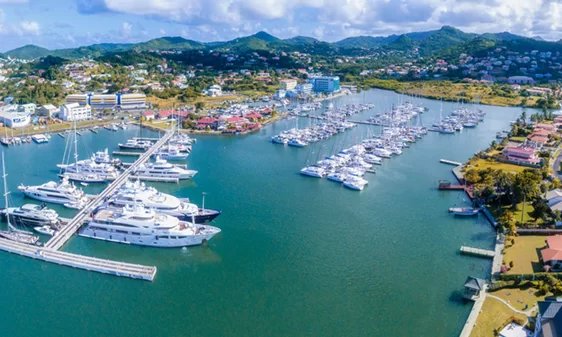
    Cruise tourism employees at IGY Marina have achieved a significant victory with a comprehensive compensation package negotiated by the National Workers Union (NWU). The landmark agreement guarantees an 11% cumulative wage increase structured over a three-year period, alongside substantially improved working conditions.

    NWU President General Tyrone G. Maynard formally announced the breakthrough following successful negotiations. The wage enhancement will be implemented incrementally, with a 4% raise in the first year, followed by another 4% in the second year, and a final 3% increase in the third year. This structured approach provides long-term financial stability for the workforce.

    Beyond base pay increases, the agreement introduces substantial improvements to employee benefits. The daily meal allowance system has been completely overhauled. The breakfast allowance has been elevated to $20, while a new comprehensive lunch and dinner allowance of $35.00 has been established, significantly reducing out-of-pocket expenses for daily meals.

    Additional contractual enhancements include a major revision to on-call compensation. The call-back provision has been doubled from 2 to 4 hours, ensuring fairer payment for unexpected work requirements. Furthermore, veteran employees with more than 11 years of service will now receive an increased annual leave entitlement of 24 working days, recognizing their long-term dedication.

    The NWU confirmed that these revised conditions will take effect imminently, with final preparations underway for the formal signing ceremony of the industrial agreement. This comprehensive package sets a new benchmark for labor standards within the Caribbean cruise tourism sector.

  • OP-ED: Dominica at a crossroads – Environmental sovereignty and the expanding influence of China in the Caribbean

    OP-ED: Dominica at a crossroads – Environmental sovereignty and the expanding influence of China in the Caribbean

    The Commonwealth of Dominica, celebrated as the Caribbean’s ‘Nature Island,’ faces a profound environmental and governance crisis as Chinese state-owned enterprise China Railway No. 5 Engineering Group (CR5) continues alleged mining operations despite an official stop order issued December 1, 2025. The Development and Planning Corporation of Dominica invoked the Physical Planning Act Chap 63:05 to halt activities in Stonefield, Concord, where sensitive ecological zones including the Deux Branches watershed, Northern Forest Reserve, and Pague River ecosystem remain threatened.

    This confrontation represents more than environmental concern—it embodies a critical test of national sovereignty and regulatory enforcement capacity. Since establishing diplomatic relations with China in 2004, Dominica has undergone substantial infrastructure transformation through Chinese-funded projects including government buildings, sports facilities, hospitals, and road networks. While international development partnerships provide essential resources for small island states, the apparent disregard for local regulations raises alarming questions about institutional authority.

    The situation highlights broader geopolitical dynamics as China expands its economic footprint across the Caribbean through infrastructure investments and concessional financing. Dominica’s strategic location between Guadeloupe and Martinique, adjacent to major maritime routes, adds significance to these developments that are closely monitored by international policymakers.

    Diaspora communities express growing apprehension that citizen voices are being marginalized as environmental degradation risks escalate. The case exemplifies challenges faced by developing nations with limited oversight resources when confronting powerful multinational corporations linked to major economies.

    Beyond immediate environmental implications—where damage to watersheds and forest reserves could be irreversible—this standoff tests the fundamental principles of democratic governance and rule of law. The outcome will determine whether development occurs through transparent, sustainable processes that respect local regulations, or through external imposition that undermines national sovereignty.

    Dominica’s leadership now faces a defining moment: enforce environmental protections and regulatory decisions to preserve both ecological heritage and governance integrity, or allow external actors to circumvent domestic law. The resolution will resonate throughout the Caribbean region and beyond, signaling the balance between development needs and sovereign authority in an era of intensified global competition.

  • How Are Belize’s Landowners Protecting Mangroves While Building?

    How Are Belize’s Landowners Protecting Mangroves While Building?

    The World Wildlife Fund (WWF) celebrated Belize’s pioneering approach to coastal development on Saturday, March 16, 2026, during the Mangrove Friendly Development Challenge awards ceremony. This innovative competition recognizes property owners, resorts, and community projects that successfully integrate construction with mangrove conservation.

    Nadia Bood, WWF Mesoamerica’s senior program officer, emphasized the critical importance of these efforts: “With most of Belize’s mangroves under private ownership, collaboration with landowners becomes essential. They can achieve both aesthetic appeal and functionality by incorporating mangroves into their landscape design instead of resorting to clear-cutting and concrete seawalls.”

    Bood further highlighted the natural superiority of mangroves over artificial barriers: “Seawalls represent vulnerable infrastructure that can collapse during storms, whereas mangroves demonstrate remarkable resilience against extreme weather events.”

    The competition featured two distinct categories. The Aesthetics and Creativity category honored developments that harmoniously blend with mangrove landscapes with minimal environmental impact. The Conservation and Sustainability category recognized projects actively engaged in mangrove protection and restoration.

    Category winners included:

    Aesthetics and Creativity:
    1st Place: Hideaway Caye – An off-grid retreat preserving majority mangroves while creating selective viewing areas for guests
    2nd Place: Naia Resort and Spa – Noted for its winding boardwalk design through mangrove areas
    3rd Place: Coral Pointe – Recognized for maintaining mangrove buffers and reserves within its Hopkins property

    Conservation and Sustainability:
    1st Place: Toledo Institute for Development and Environment (TIDE) – For mangrove-friendly infrastructure in Payne’s Creek National Park and Port Honduras Marine Reserve
    2nd Place: Sarteneja Alliance for Conservation and Development – For enhanced management of Bacalar Chico National Park
    3rd Place: St George’s Caye Village Council – Honored for long-standing mangrove reserve maintenance

    Additionally, seven Mangrove Champions received recognition for their contributions to restoration, research, and conservation advocacy. These awardees serve as ambassadors who can articulate the ecological and economic benefits that mangroves provide to both their establishments and financial sustainability.

  • Police investigate two recent homicides

    Police investigate two recent homicides

    Authorities in Dominica are conducting parallel investigations into two separate fatal incidents that occurred over the weekend, bringing the island nation’s homicide count to four for the year.

    The first incident occurred on Friday, March 13, 2026, when Rasaan Griffith, a 32-year-old resident of Goodwill/Pottersville, was discovered unresponsive on King’s Lane in Roseau. Emergency services transported Griffith to the Dominica-China Friendship Hospital where medical personnel pronounced him deceased. Preliminary examination indicates the victim sustained a single stab wound. Law enforcement officials are currently searching for a male individual connected to the circumstances surrounding Griffith’s death.

    In a second unrelated case, Everton Sabin of Bath Estate was discovered with critical injuries at Elmshall. Despite being rushed to the same medical facility, Sabin succumbed to his injuries on Sunday, March 15, 2026. Police have arrested Donald Michael Dorival, an adult male resident of Elmshall, who is currently assisting investigators with their inquiries into Sabin’s death.

    According to official statistics released by authorities, three of this year’s four homicides resulted from physical altercations between victims and assailants, while one incident involved firearm usage. Investigators have identified suspects in all cases except one, who remains at large. The Criminal Investigation Department continues to pursue active leads in both weekend cases.

  • Will the Briceño Administration End the Cuban Medical Brigade?

    Will the Briceño Administration End the Cuban Medical Brigade?

    BELMOPAN, BELIZE – The future of Cuba’s longstanding medical mission in Belize hangs in delicate balance as Prime Minister John Briceño’s administration evaluates its healthcare strategy against a backdrop of regional realignments and domestic capacity building.

    In recent months, multiple Latin American nations have scaled back their medical agreements with Cuba, a trend largely attributed to mounting diplomatic pressure from the United States. While Belizean officials maintain strategic silence on potential changes, Prime Minister Briceño offered revealing insights during a recent appearance on The Morning Show.

    “We remain profoundly grateful for the exemplary service rendered by Cuban medical professionals over several decades,” Briceño stated. “Their contribution has been instrumental in bridging critical healthcare gaps across our nation.”

    However, the Prime Minister emphasized his government’s fundamental priority: developing Belize’s indigenous medical workforce. This vision encompasses expanded scholarship initiatives for doctors and nurses alongside significant infrastructure investments, including a $19 million hospital project in San Pedro and plans for a tertiary care facility in Belmopan.

    Briceño identified a persistent challenge complicating these efforts – systematic brain drain fueled by international recruitment. “American healthcare entities actively recruit our nursing graduates educated with Belizean taxpayer funds,” he noted with evident frustration. “After investing in their education from primary school through university, we lose them to substantially higher compensation abroad.”

    The current deliberation involves three potential pathways: maintaining the Cuban Medical Brigade at current levels, negotiating revised terms of engagement, or gradually reducing Cuba’s medical presence as Belize develops its own capacity. The government has not established a definitive timeline for this decision, characterizing the negotiations as “complex and multifaceted.”

    The outcome will significantly impact Belize’s healthcare delivery, particularly in rural regions where Cuban medical personnel have traditionally provided essential services. The decision also carries diplomatic implications, reflecting Belize’s navigation of hemispheric relations amid shifting geopolitical currents.

  • EU-leiders wijzen militaire betrokkenheid in Straat van Hormuz af

    EU-leiders wijzen militaire betrokkenheid in Straat van Hormuz af

    European leaders have unanimously rejected U.S. President Donald Trump’s appeal for military involvement in securing the strategically vital Strait of Hormuz, despite escalating global oil prices triggered by the ongoing conflict between the United States, Israel, and Iran. The resistance emerged during a meeting of European foreign ministers in Brussels, where soaring energy costs dominated discussions.

    The Strait of Hormuz serves as a critical maritime passageway, facilitating approximately one-fifth of global oil exports. Since hostilities erupted on February 28, shipping through the region has virtually halted due to warfare, creating turmoil in international energy markets.

    Germany’s Foreign Minister Johann Wadephul emphasized that Berlin would not endorse military operations in the area, stating that the U.S. and Israel must first provide transparent information about their objectives and achievements before any collaborative security framework could be considered. Greece and Italy similarly declined participation in potential maritime missions, while Denmark expressed cautious openness to ensuring free navigation—though emphasizing de-escalation and pragmatic approaches.

    The United Kingdom is developing a joint plan to reopen the strait and restore navigation freedom but acknowledged the complexity of such an endeavor.

    Trump’s proposal for a NATO coalition to deploy warships to Hormuz was met with widespread skepticism. EU foreign policy chief Kaja Kallas indicated that member states must first determine their collective willingness to act, noting that the current blockade indirectly supports Russia’s war in Ukraine through increased energy revenues.

    European leaders feel increasingly pressured by the U.S. administration but remain reluctant to directly engage in the conflict. France suggested expanding the EU’s Aspides mission—currently active in the Red Sea protecting ships from Houthi rebels—to include Hormuz, with potential support from Italian and French vessels. However, Germany questioned the utility of deploying European frigates where the U.S. Navy already dominates.

    Defense Minister Boris Pistorius explicitly stated that this is ‘not our war,’ and Germany seeks no role in it. He does not anticipate NATO weakening due to the disagreement.

    The EU faces a complex dilemma: ensuring free navigation through Hormuz is essential for global energy security, yet military entanglement in a U.S.-Israel initiated conflict remains highly undesirable. As tensions surge and oil prices hit record highs, the bloc continues seeking a balanced approach that promotes stability without unnecessary escalation.