作者: admin

  • Arajet hosts recruitment drive to boost local aviation talent

    Arajet hosts recruitment drive to boost local aviation talent

    SANTO DOMINGO – In a significant push to bolster its human capital and operational capacity, Dominican carrier Arajet has concluded a comprehensive three-day recruitment initiative aimed at harnessing local expertise within the aviation industry. The event, branded as an Open Day and held from March 16 to 18, served as a platform for the airline to connect with a diverse pool of professionals and outline its ambitious growth trajectory.

    Prospective candidates, including pilots, aircraft maintenance technicians, and cabin crew members, gathered to explore career pathways and engage in preliminary selection processes. The airline reported strong turnout, with more than 35 pilots undergoing assessments for cadet and first officer positions. Furthermore, over 100 technical specialists and 120 cabin crew applicants registered their interest, signaling robust local engagement.

    Arajet’s Chief Executive Officer, Víctor Pacheco Méndez, articulated a vision centered on national capability. He championed the potential of Dominican professionals to spearhead aviation expansion across the Caribbean region. Pacheco Méndez emphasized that strategic investments in recruitment and specialized training are pivotal for sustainable job generation and technical skill development. This initiative, he noted, is a cornerstone of a broader ambition to establish the Dominican Republic as a preeminent aeronautical hub, thereby enhancing its economic stature and connectivity.

  • Abinader leads parade marking the Battle of March 19 Anniversary

    Abinader leads parade marking the Battle of March 19 Anniversary

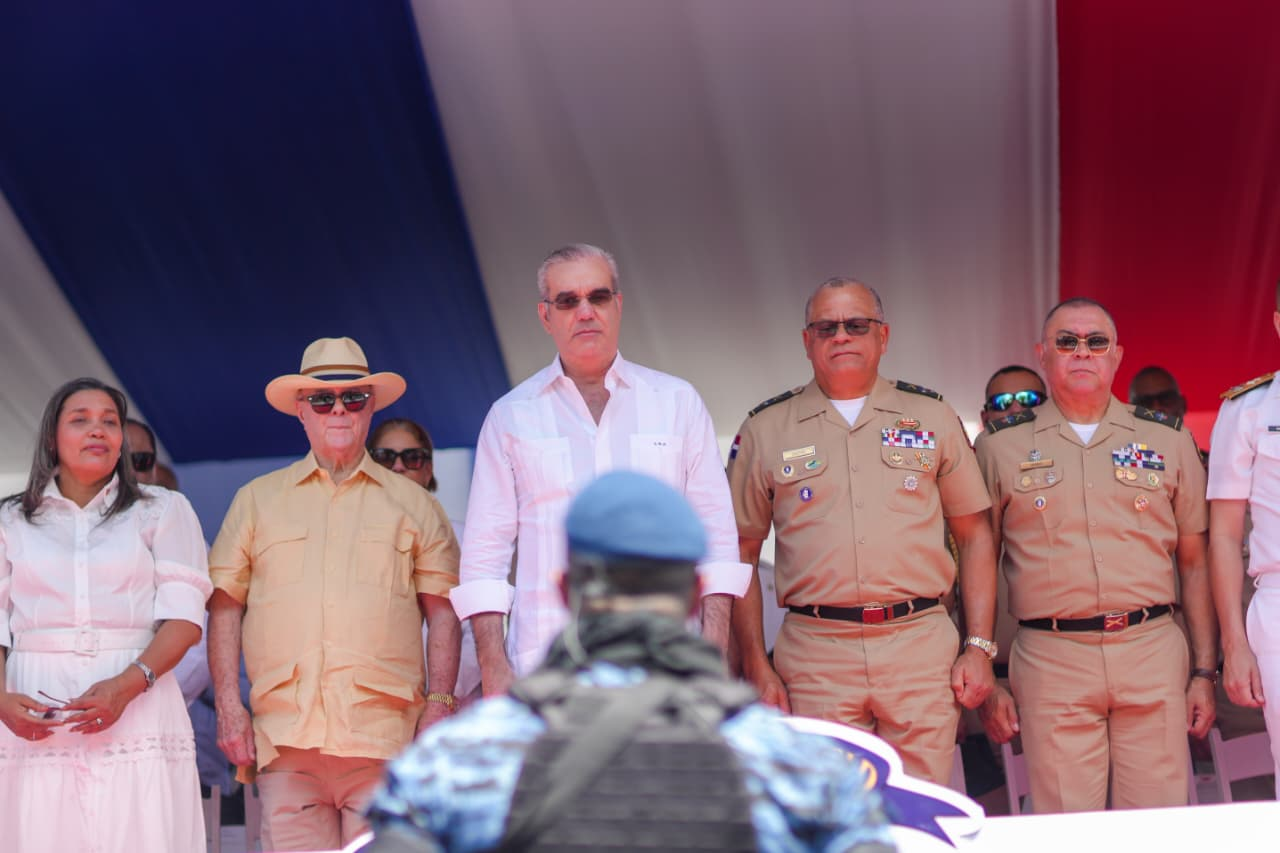
    AZUA, DOMINICAN REPUBLIC – President Luis Abinader presided over a significant civic-military parade in Azua province, marking the 182nd anniversary of the pivotal Battle of March 19. This historic confrontation, recognized as one of the initial major defenses of Dominican national sovereignty, was commemorated with extensive military honors and ceremonial proceedings.

    The presidential arrival featured full military honors, with Abinader joining high-ranking government officials, military leadership, and provincial authorities. The parade showcased coordinated displays from all branches of the Dominican armed forces, including the Army, Navy, Air Force, and National Police, alongside participating student contingents. The unified procession served as a tribute to the historical figures who secured the nation’s independence.

    Official addresses during the ceremony emphasized the critical importance of preserving historical memory and strengthening national identity. Government representatives further highlighted ongoing developmental initiatives within Azua province, demonstrating administrative commitment to regional progress.

    The historical context of the 1844 battle received particular emphasis during proceedings. Military historians noted how Dominican forces, under Commander Pedro Santana’s leadership, successfully repelled Haitian troops attempting to reclaim territory. This victory proved instrumental in establishing the Dominican Republic’s sovereign status. Contemporary speakers reinforced the nation’s enduring dedication to sovereignty principles, patriotic values, and honoring the legacy of independence architects.

    The ceremony concluded with reaffirmations of national commitment to defense readiness and historical preservation, positioning the anniversary as both a memorialization of past sacrifices and a reinforcement of contemporary national values.

  • St. Kitts welcomes over 10,000 cruise visitors in one day as tourism surge continues  – WIC News

    St. Kitts welcomes over 10,000 cruise visitors in one day as tourism surge continues  – WIC News

    The Caribbean nation of St. Kitts and Nevis achieved a remarkable tourism milestone this week as Port Zante welcomed an unprecedented 10,371 cruise passengers in a single day. According to the St. Christopher Air & Sea Ports Authority (SCASPA), this record-breaking arrival occurred on Tuesday when four major vessels simultaneously docked at the island’s premier port facility.

    Among the notable arrivals was the Brilliant Lady, completing its nine-day Red Hot Sailing Club voyage with 2,450 passengers arriving from Antigua before continuing to the Bimini Islands in The Bahamas. The AIDASol, carrying 2,171 passengers on a 29-day one-way journey originating from the Dominican Republic, arrived from St. Maarten with scheduled stops across multiple Caribbean destinations before its final arrival in Hamburg, Germany on April 12.

    Additional vessels included the Grand Princess transporting 2,740 passengers to Dominica, and the Celebrity Eclipse with 3,055 passengers on an 8-day round trip itinerary covering Antigua, St. Maarten, and San Juan, Puerto Rico. The vast majority of visitors and numerous off-duty crew members disembarked to participate in organized tours and recreational activities across the island.

    This exceptional day forms part of an increasingly robust 2025-2026 cruise season, which tourism officials project will exceed one million passengers and include approximately 13 maiden calls to the island nation. The season previously witnessed another significant event with Royal Caribbean’s Star of the Seas inaugural visit in October 2025, bringing over 7,000 guests.

    February and March 2026 are proving particularly active months, with 64 scheduled arrivals in February and 68 expected in March alone—collectively anticipated to bring over 130,000 visitors. SCASPA emphasized its commitment to maintaining safe, efficient, and seamless port operations throughout this period of intensified maritime activity.

    The sustained growth in cruise tourism represents a substantial economic boost for St. Kitts and Nevis, benefiting numerous sectors including transportation, retail, hospitality, and local tour operators. Industry analysts view these developments as indicative of the Caribbean’s continuing recovery and expansion in post-pandemic tourism.

  • FLASH : Yellow alert in the Far North

    FLASH : Yellow alert in the Far North

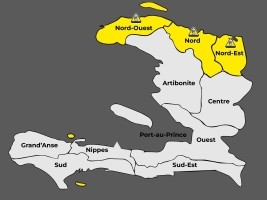
    Haiti’s northern territories are on high alert as meteorological authorities warn of an approaching cold front currently positioned over Cuba. The National Disaster Risk Management System (SNGRD), in coordination with the General Directorate of Civil Protection, has activated a yellow alert level for the North, North-East, and North-West departments, anticipating severe weather conditions expected to develop late this afternoon and throughout the evening.

    The weather system poses significant threats including torrential rainfall, intense thunderstorms, potential flooding, dangerous landslides, and hazardous coastal waves. Emergency management officials have issued comprehensive safety guidelines for residents, particularly those inhabiting vulnerable zones.

    Authorities emphasize the critical importance of monitoring official weather bulletins through reliable media channels and avoiding rumor dissemination. The population is advised to maintain constant access to information via radio, television, official internet sources, and community loudspeaker systems.

    Preparedness measures include securing personal belongings and vital documents in waterproof containers, establishing emergency supplies sufficient for several days including non-perishable food, treated drinking water, batteries, radios, flashlights, and essential medications. Residents are strongly discouraged from undertaking unnecessary travel to mountainous regions or areas proximate to rivers during this period of heightened meteorological risk.

  • Dominican Republic and France conclude DUNAS 2026 military exercises

    Dominican Republic and France conclude DUNAS 2026 military exercises

    PERAVIA, DOMINICAN REPUBLIC – The Dominican Republic and France have successfully concluded their landmark 20th edition of joint military exercises, codenamed ‘DUNAS 2026,’ marking a significant milestone in their bilateral defense partnership. The culminating events took place at the Las Calderas Naval Base, serving as a testament to two decades of sustained strategic cooperation between the Caribbean nation and the European power.

    The comprehensive drills were meticulously designed to enhance interoperability, boost operational readiness, and refine bilateral coordination protocols between the armed forces of both nations. The formal closing ceremony was presided over by Carlos Antonio Fernández Onofre, a key Dominican military figure, who was joined by a high-level delegation comprising senior military officials and diplomatic representatives from both countries.

    The ceremonious finale featured traditional military honors, a detailed presentation analyzing the final training outcomes, and special recognitions awarded to participants who demonstrated exceptional performance throughout the exercises. This closing event underscored the mutual commitment to maintaining and strengthening the collaborative framework between the Dominican and French armed forces, highlighting its role in regional security and international defense cooperation.

  • Iran valt Qatarese energiehub aan, na aanval op groot gasveld

    Iran valt Qatarese energiehub aan, na aanval op groot gasveld

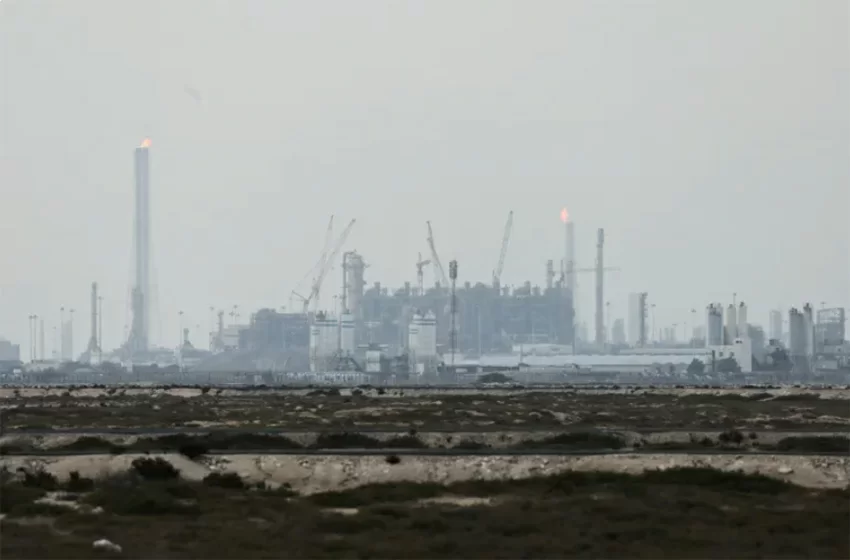
    Middle Eastern tensions reached a critical juncture on Wednesday as Iran launched missile strikes targeting the massive Pars gas field—a cornerstone of global energy infrastructure—while simultaneously damaging Qatar’s Ras Laffan Industrial City, the world’s largest liquefied natural gas (LNG) production complex. Saudi Arabia reported intercepting four ballistic missiles targeting Riyadh and neutralizing a drone attack on eastern gas facilities.

    This escalation occurs amid unprecedented disruptions to global energy markets, driving Brent crude prices up approximately 5% to exceed $108 per barrel. The United States witnessed diesel prices surge above $5 per gallon for the first time since the 2022 inflation peak, triggering declines across worldwide stock exchanges.

    The assault on the Pars field—shared between Iran and Qatar—was widely attributed in Israeli media to an Israeli operation potentially conducted with U.S. approval, though neither nation has formally claimed responsibility. Iranian authorities confirmed strikes hit gas storage facilities and refinery sections, with fires now contained and no casualties reported.

    Qatar issued strong condemnation, labeling the attacks “dangerous and irresponsible” with severe implications for global energy security. Doha declared Iranian military and security ambassadors persona non grata, ordering their departure within 24 hours.

    Iran subsequently threatened additional strikes against prominent oil and gas facilities across the Gulf region—including refineries in Saudi Arabia and the United Arab Emirates, plus Qatari petrochemical complexes—unless immediate evacuations occurred.

    The Strait of Hormuz, transit route for approximately 20% of global oil and LNG exports, remains closed since February 28th conflict initiation. While consumers hope for temporary disruptions assuming production infrastructure remains intact, current attacks amplify uncertainty.

    Regional tensions intensified following Israel’s recent assassinations of two high-ranking Iranian security officials, prompting Iranian retaliatory strikes against Israeli targets and U.S. bases across Gulf states that resulted in multiple casualties.

    Qatar’s Ras Laffan fire is contained with no fatalities reported, though production remains suspended. The complex supplies roughly 20% of global LNG markets, playing pivotal roles in Asian and European energy balances. Experts warn sustained high prices and further supply chain disruptions are likely.

    Simultaneously, the UAE neutralized dozens of Iranian rockets and drones while Saudi Arabia reported additional interceptions of ballistic missiles. Affected regional gas facilities temporarily halted operations without casualty reports.

    The European Union advocates for secure Strait of Hormuz passage and diplomatic conflict resolution, while the U.S. government prepares measures to curb rising fuel prices.

  • Blu Terrenas aims to position Samaná as high-end destination

    Blu Terrenas aims to position Samaná as high-end destination

    Las Terrenas, Dominican Republic – A transformative tourism and real estate development is rapidly taking shape along the northeastern coastline of the Samaná Peninsula. Blu Terrenas, positioned as one of the Caribbean’s most ambitious integrated resort communities, is poised to elevate the region’s status as a premium destination for international travelers and investors alike.

    Spanning an expansive three million square meters of prime coastal territory, the master-planned community represents a comprehensive approach to luxury living and vacation experiences. The development blueprint includes 2,500 fully furnished residential units ranging from contemporary apartments to exclusive beachfront villas, all designed to cater to discerning buyers seeking Caribbean property investments.

    The hospitality component features two Hilton-branded properties, with a flagship luxury hotel operating under the prestigious Curio Collection by Hilton banner. Beyond accommodation, the project will boast an impressive 4,500-capacity amphitheater for cultural events and entertainment, alongside a sophisticated beach club, comprehensive spa facilities, and multiple recreational and commercial zones seamlessly integrated into the landscape.

    With development costs projected to exceed US$250 million, Blu Terrenas represents a significant capital injection into the Dominican Republic’s tourism infrastructure. The project timeline targets full completion by 2028, with phased openings anticipated to begin sooner. Economic analysts predict substantial job creation during both construction and operational phases, potentially providing thousands of employment opportunities for local residents and stimulating ancillary businesses throughout the Samaná province.

    The strategic development aligns with broader national efforts to position the Dominican Republic as a diversified tourism destination capable of competing with established Caribbean markets. By combining residential, tourism, and entertainment elements within a single cohesive environment, Blu Terrenas aims to establish a new standard for integrated resort living in the region while driving sustainable economic growth through high-value tourism and real estate investment.

  • Guyana on literacy, numeracy drives- Education Minister tells CXC conference

    Guyana on literacy, numeracy drives- Education Minister tells CXC conference

    Guyana is implementing sweeping educational reforms with the introduction of Grade Two and Four literacy assessments, Education Minister Sonia Parag announced at the Caribbean Examinations Council (CXC) Ministerial Forum in Jamaica. The initiative aims to ensure students achieve literacy before completing primary education, addressing what Minister Parag acknowledged as the region’s problem with “producing functionally illiterates.”

    The comprehensive strategy includes establishing community literacy tents where parents can assist children with homework, creating a collaborative learning environment that extends beyond classroom walls. Minister Parag, who also chairs CARICOM’s Council for Human and Social Development, revealed that numeracy assessments will follow in 2027.

    The conference, themed “Navigating the Digital Age: Rethinking Teaching, Learning and Assessment,” became a platform for Caribbean education leaders to address both the opportunities and challenges presented by artificial intelligence. While recognizing AI’s potential for personalized learning and immediate feedback, Minister Parag warned of risks including false imagery, plagiarism, data privacy concerns, and increased bullying. She advocated for responsible integration with “clear frameworks” focusing on ethics, data protection, and academic integrity.

    CARICOM Assistant Secretary General Alison Drayton emphasized the urgency of educational transformation, stating incremental changes are insufficient in the face of rapid technological advancement. She cautioned that delays risk widening existing inequities, particularly when combined with the lingering impacts of COVID-19 and annual hurricane disasters.

    The conference concluded with several key resolutions: assessment systems prioritizing fairness and authenticity, sustained investment in teacher development and digital infrastructure, and strengthened regional collaboration. CXC Chairman Sir Hilary Beckles highlighted the concerning decline of history as a compulsory subject over the past fifty years, noting the visible consequences of historical ignorance in contemporary society.

    All speakers emphasized that educational reform must be implemented through phased, consultative approaches rather than sudden, heavy-handed measures that could leave teachers and students feeling unprepared or excluded. The consensus emerged that Caribbean nations must collectively navigate digital transformation while preserving regional identity and cultural values.

  • Who Doesn’t Want Peace?

    Who Doesn’t Want Peace?

    A coordinated campaign of destabilization emerges from Miami whenever diplomatic progress appears between the United States and Cuba, according to recent investigative findings. Hardline elements with financial and political investments in maintaining hostilities have repeatedly demonstrated willingness to sabotage peace initiatives through calculated acts of provocation.

    The pattern became particularly evident during recent bilateral talks held in St. Kitts and Nevis, where representatives from Washington and Havana engaged in unprecedented dialogue. Simultaneously, a group of ten individuals allegedly trained and armed in Florida executed an attack on a Cuban Border Guard vessel attempting to infiltrate Villa Clara’s northern coast. This synchronization suggests deliberate timing to undermine diplomatic efforts.

    Further evidence of coordination emerged through graffiti campaigns across Havana’s municipalities, where more than a dozen individuals recruited in Panama executed counterrevolutionary messaging using rented vehicles. These actions appeared designed to manufacture the illusion of widespread popular discontent rather than organic demonstrations.

    The strategy employs multiple fronts: congressional lobbying for intensified blockade measures, media campaigns promoting misinformation, and financial support for destabilization activities. Investigations indicate that recent acts of vandalism in Morón, including arson attacks on media outlets and destruction of property, follow patterns consistent with external direction rather than genuine civil protest.

    South Florida-based operatives have openly advocated for aggressive measures against Cuba, with one congressman reportedly using language suggesting annihilation rather than diplomatic engagement. The consistent pattern reveals a well-funded machinery dedicated to perpetuating conflict through economic strangulation and manufactured unrest, directly contradicting ongoing governmental efforts toward normalized relations.

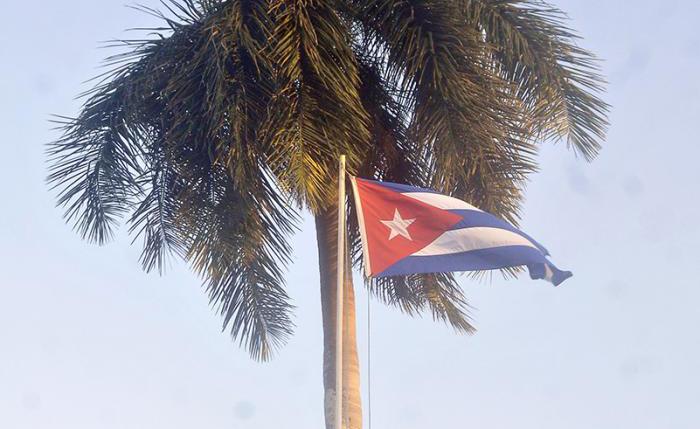
  • Under pressure from the United States, Costa Rica announces the closure of its embassy in Havana and limits relations with Cuba to consular matters

    Under pressure from the United States, Costa Rica announces the closure of its embassy in Havana and limits relations with Cuba to consular matters

    The Cuban government has issued a strong condemnation of Costa Rica’s unexpected decision to shutter its embassy in Havana and downgrade diplomatic relations. The move, communicated via diplomatic note on March 17th without prior consultation or justification, represents a significant deterioration in bilateral ties between the two nations.

    According to Cuba’s Ministry of Foreign Affairs, Costa Rican officials invoked an ‘alleged and unfounded principle of reciprocity’ when demanding that Cuba withdraw its diplomatic staff from San José while maintaining only consular and administrative personnel. The Central American nation further notified that effective April 1st, it would maintain relations with Cuba strictly at the consular level.

    The Cuban statement particularly criticized Costa Rican President Rodrigo Chaves Robles for what it characterized as ‘disrespectful statements’ made during a March 18th press conference. Cuban authorities accused Chaves of ‘crudely manipulating the history and reality of Cuba’ while ignoring the documented impact of the U.S. economic blockade on Cuba’s economic situation and living conditions—a fact previously acknowledged by Costa Rican governments.

    Havana described the decision as ‘arbitrary’ and ‘evidently adopted under pressure,’ suggesting it disregarded both national interests and regional solidarity. The Cuban government framed this development as Costa Rica’s latest alignment with U.S. policy objectives against Cuba, noting the country’s ‘history of subordination to U.S. policy against Cuba.’

    The statement positioned the embassy closure as part of a broader U.S. offensive to isolate Cuba within the Americas, making Costa Rica ‘a participant in its aggressive escalation against the Cuban Revolution.’ Despite these diplomatic tensions, Cuba expressed confidence that the move would ultimately fail, emphasizing the ‘unbreakable bonds’ between the Cuban and Costa Rican peoples, historically connected through figures like independence heroes José Martí and Antonio Maceo.

    The diplomatic note was formally released from Havana on March 18th, 2026, marking a new chapter in the complex relationship between the two American nations.