作者: admin

  • Sutherland urges better roads, youth chances in St George South

    Sutherland urges better roads, youth chances in St George South

    During parliamentary deliberations on the Appropriations Bill this Wednesday, backbench MP Dwight Sutherland presented a comprehensive set of concerns affecting his St George South constituency, emphasizing three critical areas requiring immediate government attention. The legislator highlighted the deteriorating state of rural infrastructure, the urgent need for youth economic pathways, and innovative community-based approaches to crime prevention as top priorities for budget allocation.

    Sutherland detailed the severe challenges facing rural road networks and drainage systems, noting that decades of service combined with increased traffic and changing weather patterns have resulted in widespread deterioration. Unlike urban corridors, rural parishes face unique geographical challenges with longer road networks and greater distances between communities, necessitating more extensive infrastructure investments. The MP cited Drax Hall Woods as a particularly egregious example, where residents have endured inadequate road access for over forty years, creating difficulties for waste collection and emergency services.

    Regarding economic development, Sutherland emphasized that young constituents seek opportunities rather than handouts, calling for enhanced training programs, entrepreneurship support, and emerging industry initiatives outlined in the national budget. He positioned youth engagement as fundamental to national development, rejecting paternalistic approaches in favor of creating substantive economic pathways.

    On crime prevention, the parliamentarian advocated for a multifaceted strategy extending beyond traditional policing methods. He argued that even isolated criminal incidents generate disproportionate fear in rural communities, requiring strengthened social infrastructure through youth programs, educational opportunities, and community partnerships. Sutherland highlighted the success of the Best Man Project—a constituency initiative launched in 2024 that provides mentorship through life-skills training, cultural activities, counseling, and partnerships with defense and correctional services.

  • PM make case for energy security as resilience to global shocks

    PM make case for energy security as resilience to global shocks

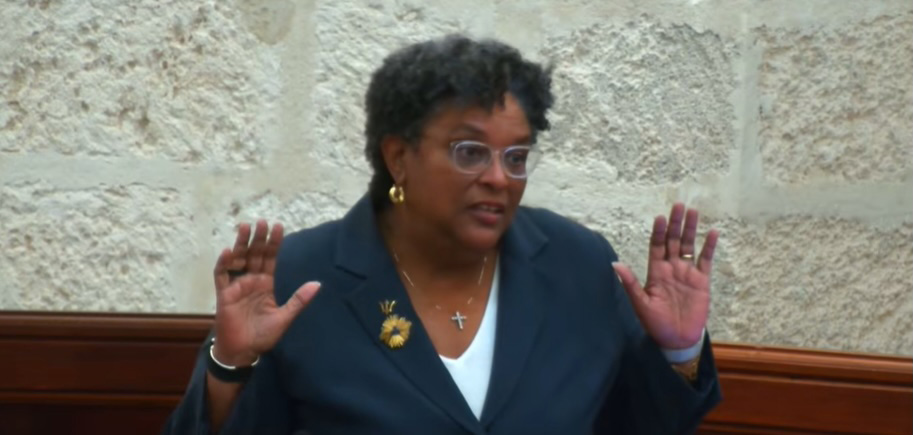
    Prime Minister Mia Mottley has declared an aggressive national initiative to drastically reduce Barbados’ dependence on imported fossil fuels, framing the transition to renewable energy as both an economic imperative and a national security priority. During a comprehensive 90-minute parliamentary defense of her administration’s budget on Wednesday, Mottley outlined a multi-faceted strategy to build economic resilience against global oil market instability.

    The urgency of this energy transformation was underscored by recent historical experience. Mottley revealed that Barbados’ fuel import bill skyrocketed to approximately $1.122 billion during the 2022 Russian invasion of Ukraine, a dramatic increase from the $728 million spent in 2019. ‘What folly is this?’ Mottley questioned parliament, emphasizing the paradox of a sun-rich nation spending over a billion dollars on imported oil.

    With fresh conflicts involving the United States, Israel, and Iran creating renewed uncertainty in global energy markets, Mottley warned that oil prices reaching $200 per barrel would present insurmountable challenges to the island’s economy. ‘There is no arithmetical solution to oil at $200,’ she stated. ‘The only solution is change of behavior—from government, households, and businesses alike.’

    The comprehensive energy security plan includes significantly expanded battery storage capacity, an urgent national colloquium on energy security scheduled for next month, and accelerated investment in renewable infrastructure. Mottley emphasized that the transition would proceed with ‘absolute speed and efficiency’ to reduce reliance on imported fossil fuels to ‘negligible amounts.’

    Beyond energy security, the Prime Minister framed renewable energy as a tool for economic enfranchisement and wealth democratization. ‘We need to make sure that whoever is delivering the energy to people are not exploiting households,’ Mottley stated, promising that new energy generation opportunities would serve as ‘a democratizing and an enfranchising tool for the creation of wealth in this country.’

    The budget defense also highlighted substantial social protection measures, including expanded reverse tax credits for low-income earners, increased tax relief for pensioners, and the establishment of the Barbados Republic Child Wealth Fund. Mottley acknowledged ongoing pressures on middle-income earners while pointing to significant economic progress: 18 consecutive quarters of growth, debt reduction from over 170% of GDP to just above 90%, and foreign reserves now exceeding $3 billion.

    ‘Poverty is not only about economic policy,’ Mottley concluded, ‘but about the social things—the abuse, the physical challenges—all of those things help to constitute poverty. Dealing with intergenerational poverty and getting rid of it is the mission of this government.’

  • Ten Cate presenteert eindselectie Natio voor WK-playoffs

    Ten Cate presenteert eindselectie Natio voor WK-playoffs

    Surinam’s national football team head coach Henk ten Cate has unveiled his final squad selection for the decisive World Cup qualification matches scheduled in Monterrey, Mexico. The team will face Bolivia on March 26th, with a potential subsequent match against Iraq five days later if victorious.

    Notable inclusions feature Leeds United striker Joel Piroe and LASK defensive midfielder Melayro Bogarde, both receiving their maiden national team call-ups and poised to make their international debuts. Goalkeeper Jahnilo Wiegel from Belgian club KFC Houtvenne also earns his first selection, replacing Jonathan Fonkel as third-choice goalkeeper behind established keepers Etienne Vaessen and Warner Hahn.

    Despite injury concerns, first-choice goalkeeper Etienne Vaessen has been included after missing recent club matches with FC Groningen due to muscle discomfort. The technical staff has confirmed his fitness for potential playing time during the qualifiers.

    Midfielder Jean-Paul Boëtius represents another significant selection after recently signing with RKC Waalwijk following his contract termination with Darmstadt—a move reportedly influenced by Ten Cate’s advice. This strategic transfer ensures Boëtius remains eligible for national duty while maintaining match fitness.

    Ten Cate’s influence extends beyond squad selection, having played advisory roles in recent player transfers including Sheraldo Becker’s move from Osasuna to Mainz and Immanuel Pherai’s switch from HSV Hamburg to SV Elversberg to regain match rhythm ahead of the qualifiers.

    The complete squad will assemble in Mexico on Sunday and Monday for their first physical gathering under Ten Cate, followed by three intensive training sessions before the crucial Bolivia encounter. Preparation has primarily occurred through extensive Zoom sessions where Ten Cate and assistants Winston Bogarde and Jimmy Floyd Hasselbaink meticulously detailed tactical approaches for each positional line.

  • Portvale strike amps ownership confusion, failed restructuring frustration

    Portvale strike amps ownership confusion, failed restructuring frustration

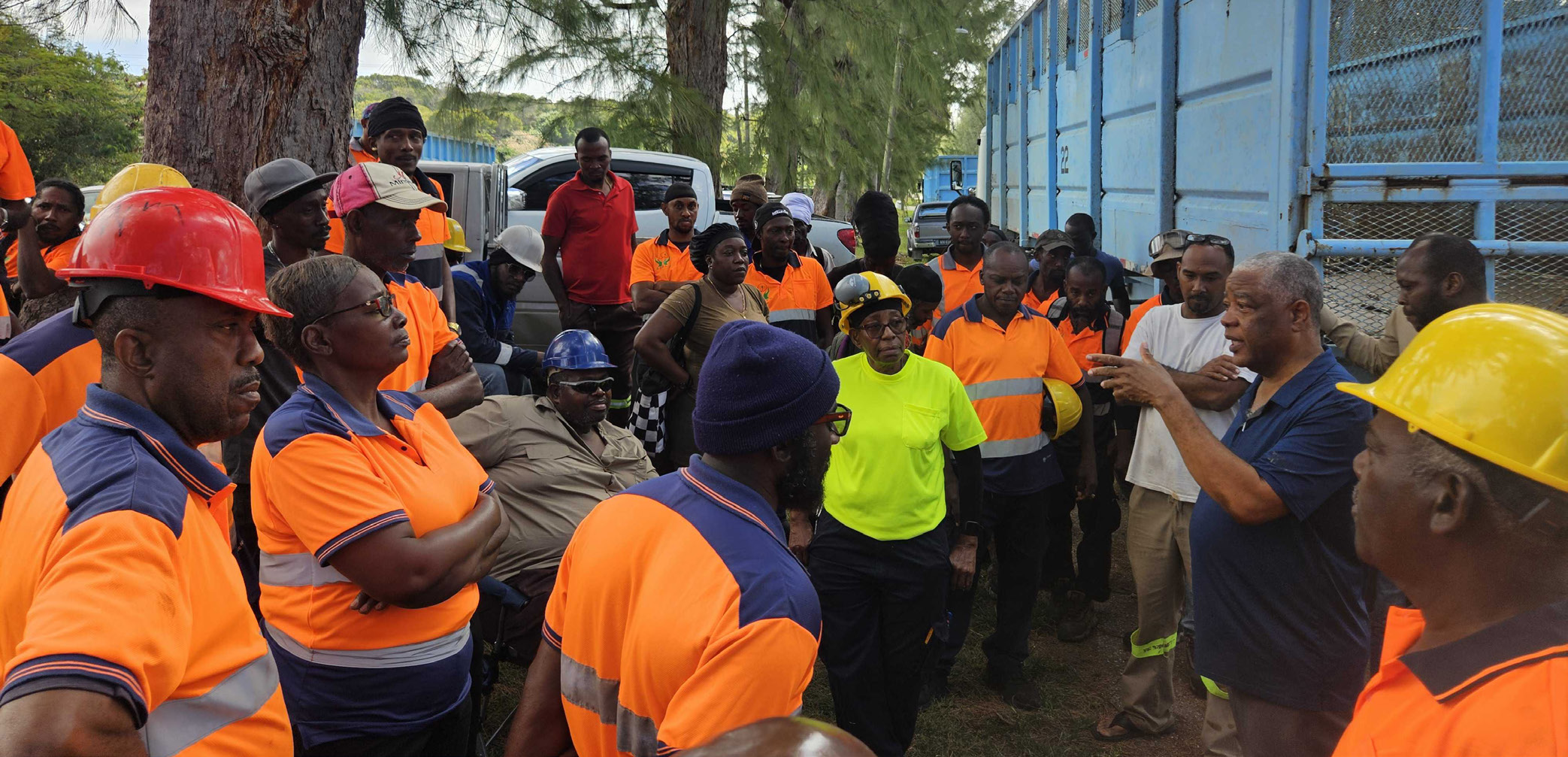
    A profound crisis of ownership and governance has plunged Barbados’s sugar industry into turmoil, culminating in a worker strike at the Portvale processing facility. Employees of the Barbados Energy and Sugar Company Inc. (BESCO) are protesting chronic mismanagement and the collapse of a government-backed initiative that promised them partial ownership of the sector.

    The core grievance stems from debilitating uncertainty regarding their actual employer. Veteran sugar boiler Cedric Eastmond, with 26 years of service, articulated the workers’ frustration, stating they lack a clear entity to address their grievances. “We need clarity that there’s a company called BESCO, that we have somebody that we can go to,” Eastmond emphasized, highlighting the absence of visible corporate leadership beyond local factory management.

    This operational ambiguity compounds the disappointment from the sudden termination of a landmark restructuring plan. Announced in January 2024 by then-Agriculture Minister Indar Weir, the model proposed a revolutionary ownership structure: Co-op Energy (55%), workers (20%), and the government (25%). The initiative, designed to replace the defunct Barbados Agricultural Management Company, established BESCO for milling and The Agricultural Business Company Ltd for agriculture. However, the government’s memorandum of understanding with Co-op Energy was abruptly terminated on August 18, 2025, shattering hopes for worker participation and leaving the industry’s future in limbo.

    Beyond ownership disputes, Eastmond detailed deep-seated operational failures. He cited rampant “favoritism,” “discrimination, and victimization” by unprofessional management, alongside a glaring lack of training programs and career development opportunities. Critical infrastructure shortcomings exacerbate losses; the factory frequently receives more cane than it can process, leading to spoilage and reduced purity in storage. Furthermore, congested storage bonds for processed sugar have forced complete production halts, as was the case last year when grinding stopped for two days because there was nowhere to store the output.

    Eastmond calls for urgent intervention, including expert technical consultants, a rigorous maintenance program, and a functional marketing system to ensure the viability of an industry that produces “the product that goes straight to the table.” The strike at Portvale is not merely about wages but represents a fundamental demand for transparency, professional governance, and a sustainable future for a historic Barbadian industry.

  • Authorities take ‘soft touch’ approach to enforcing nutrition rules

    Authorities take ‘soft touch’ approach to enforcing nutrition rules

    Barbadian education authorities have reaffirmed their commitment to a collaborative rather than punitive approach to implementing the national School Nutrition Policy, despite acknowledging significant compliance challenges. Speaking at the National Nutrition Conference on Wednesday, officials detailed their strategy of working with vendors to gradually improve food options around schools rather than imposing immediate penalties.

    Nicole Elliott, the education officer responsible for the policy implementation, clarified that authorities are not currently positioned to police or penalize vendors operating outside school gates, despite ongoing concerns about the availability of unhealthy food options. “We are not in a place where we are policing or punishing persons on the outside of schools,” Elliott stated. “However, we are there to work with them.”

    The Ministry of Education is preparing to host a vendor orientation session on April 18 designed to bridge the gap between current offerings and policy requirements. Approved suppliers have been invited to participate in the session, which will focus on improving access to compliant products and equipping vendors with techniques to transition toward healthier offerings.

    Elliott characterized the orientation as “a mediation between them and ourselves on how we would want them to help us to help the nation’s children,” emphasizing that achieving full compliance will be a gradual process requiring patience and sustained effort.

    The School Nutrition Policy, which regulates food sales both within and around school environments, has achieved partial success since implementation. Officials report approximately 85% compliance with standards relating to sugary drinks, but snack compliance remains significantly lower at around 45%.

    Elliott identified challenges beyond school compounds as a major factor, noting that “we still have the external environment that will impact the internal environment.” She emphasized that improving compliance will require enhanced coordination across multiple sectors, including increased availability of approved snack options, strengthened supply chains, and closer collaboration with the agriculture sector.

    Highlighting positive examples, Elliott pointed to schools like Ellerton that have been “growing and selling items to the community” as models that could be expanded to improve access to healthier options across the island.

    When questioned about whether the government should move beyond policy to legislation to address rising childhood obesity and non-communicable diseases, Elliott indicated authorities are not yet prepared to take a more aggressive approach. “I don’t think that we are at a point yet that we need to get to be that aggressive,” she said, noting that meaningful public health transformation “doesn’t happen in six months or one year.”

    Her position reflects the ministry’s broader philosophy, as articulated last December by Minister of Education Transformation Chad Blackman, who indicated compliance checks would prioritize guidance over punishment.

    Supporting this approach, Brian Payne, Assistant Nutrition Officer at the National Nutrition Centre, explained that government strategy has shifted away from emphasizing individual responsibility toward creating environments that make healthy choices easier. “We have moved away from this idea of individual responsibility where everything rests on the individual,” Payne stated.

    He described the School Nutrition Policy as part of a comprehensive public health strategy that includes planned restrictions on trans fats and smoking bans in public spaces. “The idea here is that we are trying to create an enabling environment so that Barbadians can actually not have to make an unhealthy choice, but the environment is conducive toward making a healthy choice,” Payne explained.

    While Barbados continues to confront high rates of non-communicable diseases and obesity, officials expressed confidence that the current policies, implemented gradually and collaboratively, will eventually reverse these troubling health trends.

  • ABLP Plans April Convention

    ABLP Plans April Convention

    The Antigua and Barbuda Labour Party (ABLP), the nation’s current governing political force, has officially declared its intention to convene a significant national convention in April. This gathering is poised to serve as a pivotal platform for the party to solidify its strategic direction, address pressing national issues, and galvanize its support base ahead of future electoral considerations. Party officials have indicated that the convention will focus on critical policy reviews, leadership discussions, and the reinforcement of the ABLP’s foundational principles. The event is expected to draw key party stalwarts, delegates from various constituencies, and influential supporters. Political analysts are closely monitoring this development, viewing the convention as a crucial barometer for the party’s internal cohesion and its readiness to present a unified front. The outcomes of this assembly are anticipated to have substantial implications for the country’s political landscape in the coming months.

  • Caribe Wave tsunami exercise under way today in Antigua and Barbuda

    Caribe Wave tsunami exercise under way today in Antigua and Barbuda

    Antigua and Barbuda is actively engaging in CARIBE WAVE 26, a pivotal annual tsunami preparedness drill encompassing nations throughout the Caribbean region. This critical exercise, meticulously orchestrated by UNESCO’s Intergovernmental Oceanographic Commission via the Caribbean Tsunami Warning System, serves as a comprehensive simulation to evaluate the responsiveness of governmental bodies and local communities to a hypothetical tsunami scenario. The Pacific Tsunami Warning Center is instrumental in the operation, disseminating fictitious alerts to enable national agencies to rehearse the intricate processes of receiving, interpreting, and disseminating urgent warnings in a real-time context. On the domestic front, the Antigua and Barbuda Meteorological Service is at the helm of the technical execution. Concurrently, the National Office of Disaster Services is managing the coordination of preparatory measures and potential emergency interventions. Authorities emphasize that this initiative is fundamentally designed to enhance inter-agency coordination, refine communication protocols, and sharpen decision-making capabilities. The ultimate objective is to ensure the populace is thoroughly educated and prepared to take appropriate action should a tsunami, identified as a rare yet profoundly catastrophic threat to the area, ever occur.

  • ABCAS launches poultry and crop courses to support food production

    ABCAS launches poultry and crop courses to support food production

    In a strategic move to enhance domestic food production capabilities, the Antigua and Barbuda College of Advanced Studies (ABCAS) has unveiled two specialized short-term programs in agricultural practices. The institution’s School of Agriculture will administer both the Broiler Poultry Production and Crop Production courses, which are specifically crafted to deliver practical, applicable skills for home-based and small-scale agricultural operations.

    Department Head Andrea Edwards-Browne emphasized the comprehensive nature of the poultry curriculum, which encompasses the entire lifecycle of broiler chickens—from nurturing day-old chicks through market preparation stages. The initiative emerges against the backdrop of persistent food security challenges, particularly acute within small island developing states like Antigua and Barbuda.

    “Global food security concerns have taken on renewed significance, and for our nation, developing self-sufficiency in food production is paramount,” Edwards-Browne stated. “Our instructional approach begins with fundamental principles, guiding participants through crop initiation, effective management techniques, and final market readiness.”

    The college has structured both programs as 10-week intensive studies, with poultry classes convening on Mondays and Wednesdays while crop production sessions occur on Tuesdays and Thursdays. This scheduling framework enables simultaneous enrollment in both courses, reflecting ABCAS’s commitment to encouraging multifaceted agricultural engagement.

    These educational initiatives represent a concerted effort to stimulate community participation in agricultural sectors and expand local food output capacities, addressing both immediate food security needs and long-term sustainable development goals.

  • PM Browne calls for a realignment of African and Caribbean economies

    PM Browne calls for a realignment of African and Caribbean economies

    In a significant address to a Nigerian royal delegation, Antigua and Barbuda Prime Minister Gaston Browne issued a powerful appeal for economic transformation across African and Caribbean nations. The Prime Minister received Dr. Nwachukwu Anakwenze, soon to be installed as King of Abagana Kingdom from Nigeria’s Anambra State, at his official residence.

    Browne delivered a critical analysis of what he termed ‘extractive economies’ that continue to plague both regions. He articulated how historical plundering created generational wealth in Europe while simultaneously establishing persistent poverty in Africa and the Caribbean. The Prime Minister emphasized that these nations have yet to achieve their full economic potential due to these deeply entrenched systems.

    The Antiguan leader presented a concrete example from his own administration’s experience with international banking operations. When two major Canadian banks attempted to withdraw from the region and sell their local branches externally, Browne’s government intervened decisively. Despite facing personal criticism and being labeled a ‘dictator,’ he refused to sign the necessary Vesting Orders unless the banks agreed to local ownership.

    This steadfast approach resulted in the successful sale of bank branches to local financial institutions, which have since grown substantially and now retain profits within the domestic economy. Browne framed this as emblematic of the ‘bold leadership’ required to counter special interests that resist economic sovereignty.

    The Prime Minister connected current economic challenges directly to historical injustices, noting how European powers deliberately destabilized African and Caribbean economies through slavery and colonialism. He asserted that it remains possible to redesign economic systems to transition from extractive to productive models that benefit regional populations.

    Browne expressed particular satisfaction with the Nigerian delegation’s visit and indicated his intention to reciprocate with a future visit to the Abagana Kingdom, signaling strengthened diplomatic ties between the regions.

  • PHOTOS: Roadworks Underway Across Multiple Communities in Antigua

    PHOTOS: Roadworks Underway Across Multiple Communities in Antigua

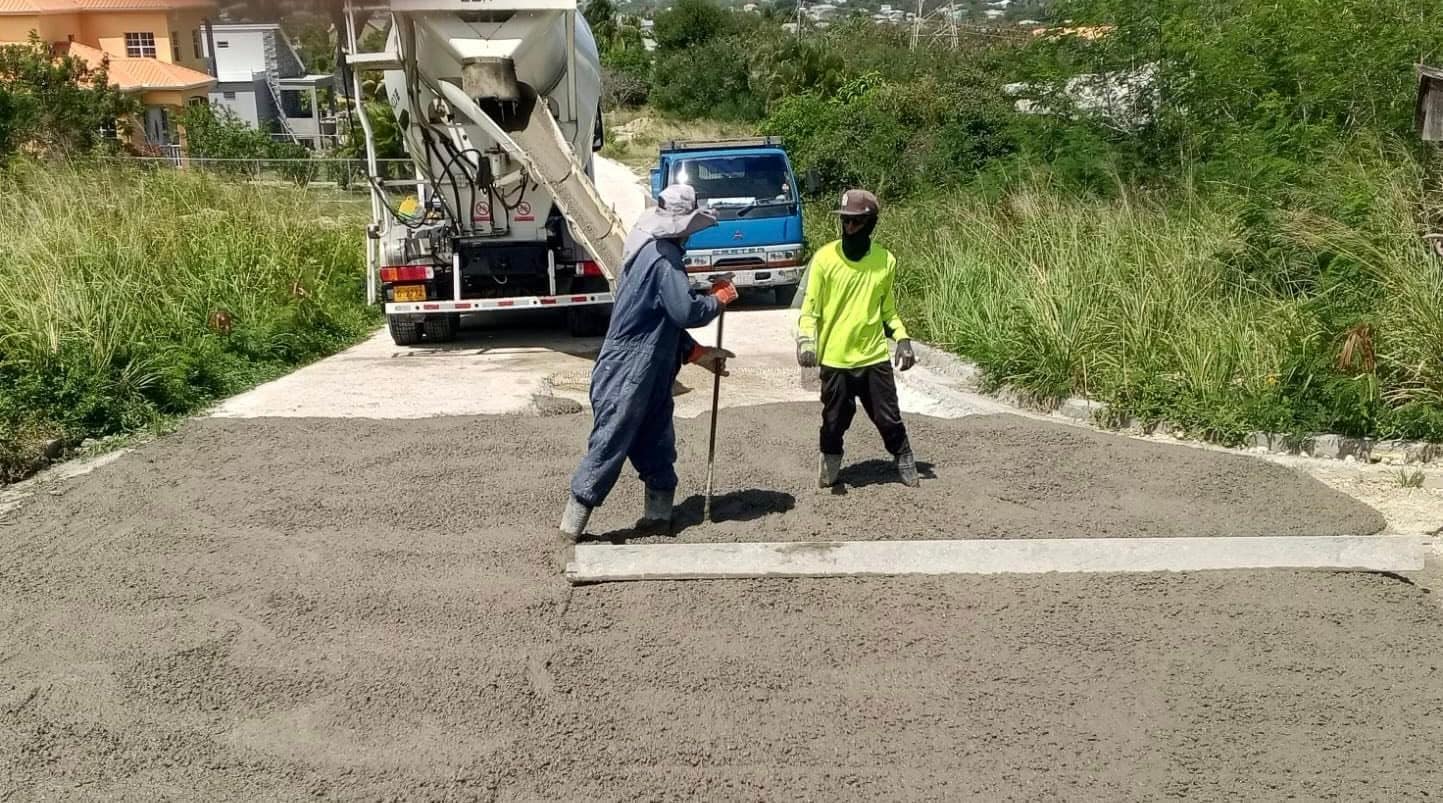
    The Caribbean nation of Antigua and Barbuda has initiated a comprehensive road rehabilitation initiative across multiple key communities as part of its ongoing national infrastructure enhancement program. The Ministry of Works is currently executing significant roadworks in the Potters, Piccadilly, Gunthrope’s, and Lightfoot districts, marking a crucial phase in the government’s broader strategy to modernize transportation networks and improve public infrastructure.

    This infrastructure development project represents a substantial investment in the nation’s physical assets, focusing on improving road surfaces, drainage systems, and overall transportation safety. The selected areas for rehabilitation have been prioritized based on traffic volume assessments and community needs evaluations conducted by transportation authorities.

    The strategic implementation of these improvements aligns with the government’s commitment to sustainable development and economic growth through enhanced infrastructure. By addressing road conditions in these densely populated and frequently traversed areas, the Ministry aims to reduce vehicle maintenance costs for residents, decrease travel time, and improve overall accessibility to essential services and economic centers.

    Infrastructure experts note that well-maintained road networks serve as critical economic enablers, facilitating smoother commerce, tourism access, and daily commuting. The current projects demonstrate the administration’s proactive approach to maintaining public assets and investing in long-term solutions rather than temporary repairs.

    Local residents and businesses have been notified of construction schedules and potential temporary disruptions, with authorities emphasizing that short-term inconveniences will yield long-term benefits through improved road quality and enhanced safety features.