作者: admin

  • Over 520 million gourdes for the Grenadiers (video)

    Over 520 million gourdes for the Grenadiers (video)

    Haiti’s national football team, the Grenadiers, has received landmark financial backing from the country’s government to fuel their 2026 FIFA World Cup campaign, with a total of more than 520 million Haitian gourdes committed in a formal ceremony held Wednesday, April 8, 2026. The event took place at Port-au-Prince’s Villa d’Accueil, under the official patronage of Haitian Prime Minister Alix Didier Fils-Aimé, who presided over the presentation of two separate 264 million gourde checks—equaling just over 2 million USD combined—to the Normalization Committee of the Haitian Football Federation (FHF).

    The two tranches of funding serve distinct, critical purposes for the historic World Cup run. The first check is designated as a qualification bonus for the players, rewarding their achievement of earning a spot in the world’s most-watched sporting tournament. The second allocation is earmarked exclusively for pre-tournament preparation, designed to give the squad access to top-tier training resources, logistics, and support to compete at their best on the global stage. This dual investment reflects the Haitian government’s structured, ambitious commitment to elevating the national team’s performance this summer.

    In his keynote remarks at the ceremony, Prime Minister Fils-Aimé extended warm congratulations to the Grenadiers for their historic qualification, noting that this milestone is more than a sporting win—it is a powerful representation of the courage and resilience that defines the Haitian nation. This appearance will mark only the second time Haiti has qualified for the FIFA World Cup in the country’s entire history, making the achievement all the more meaningful for fans across the nation. The Prime Minister emphasized that the public funding represents the government and the Haitian people’s unwavering confidence in both the national team and the broader cohort of young Haitian athletes. To ensure every Haitian can share in the excitement of the tournament, Fils-Aimé also announced plans to install public viewing screens across all regions of the country, giving all segments of the population access to watch the Grenadiers compete.

    Monique André, president of the FHF Normalization Committee, delivered remarks on behalf of the federation, expressing profound gratitude to the Haitian government for the critical investment. André noted that the funding fills key gaps in the team’s preparation budget, removing financial barriers that would otherwise hinder the squad’s ability to train and compete at the highest level. As a gesture of appreciation, André officially presented the Prime Minister with the official game jersey the Grenadiers will wear during their 2026 World Cup matches, capping the celebratory ceremony.
  • That day, people fought and died across the country

    That day, people fought and died across the country

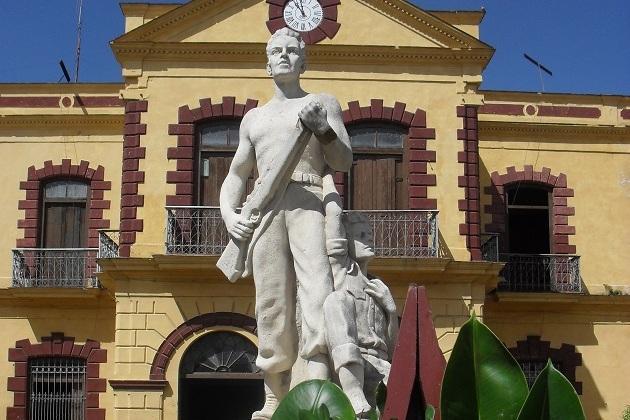
    Seventy-odd years after one of the most pivotal moments in Cuba’s revolutionary struggle, the legacy of the April 9 general strike against the Batista tyranny endures as a powerful testament to the Cuban people’s unbreakable commitment to change. In excerpts from his 1989 book *Semillas de fuego (Seeds of Fire)*, Rebel Army Commander Faustino Pérez reflects on the failed 1958 uprising, drawing lessons that remain resonant for Cuba’s ongoing journey decades later.

    When revolutionary leaders called for a nationwide general strike to oust the Batista regime, activists across the island rose to answer the call. From the capital of Havana to the far eastern provinces, hundreds of disparate actions unfolded: revolutionary activists seized national radio outlets to broadcast the strike call, stormed the Old Havana armory, destroyed electricity substations, shut down transportation hubs, blocked key travel routes into and out of the capital, and derailed trains in multiple regions. Guerrilla forces joined the effort, matching the underground movement’s actions with coordinated assaults: Enrique Hart led a raid on the Matanzas radio station, rebels attacked the Quemado de Güines barracks and shut down Cuba’s Central Highway, and militias from Santiago de Cuba, led by René Ramos Latour (who had stepped into Frank País’ post at the National Action Headquarters in the Sierra Maestra), launched an assault on the Boniato Barracks. By the end of the day, the entire Eastern region was effectively paralyzed by the combined power of guerrilla fighters and underground organizers.

    Despite the widespread popular mobilization, the strike failed to achieve its core goal of toppling the Batista tyranny. In the wake of the uprising, the regime unleashed a wave of brutal repression that claimed more than 100 revolutionary combatants, including Marcelo Salado, the July 26 Movement’s capital field commander and one of its most promising young leaders. The defeat pushed the Cuban revolutionary movement into one of the most difficult periods of its entire campaign against Batista.

    Pérez offers a candid reflection on the causes of the failure, acknowledging that while multiple contributing factors were at play, the primary responsibility rested with errors in judgment and leadership among the activists tasked with directing the uprising. Yet far from framing the April 9 strike as a catastrophic and final loss, Pérez frames it as a critical turning point that strengthened the revolutionary cause. Even in defeat, the uprising proved beyond doubt that the Cuban people retained an unyielding commitment to struggle and sacrifice for their vision of independence.

    The immediate aftermath of the April 9 setback also laid new groundwork for future victory. Dozens of grassroots insurgent groups, many armed only with basic weapons, remained active across the island, and gradually merged with established guerrilla fronts. Two new full guerrilla columns formed to expand the revolutionary struggle: the Pepito Tey column, which joined the Frank País Second Front under Belarmino Castilla after winning the battle of Ramón de las Yaguas, and a separate column led by Víctor Bordón that began operations in the Escambray Mountains. Even an unsuccessful expedition to Pinar del Río, which included future combatant Jesús Suárez Gayol (who would later die fighting alongside Che Guevara in Bolivia), represented a step forward in building insurgent capacity across the island.

    For Pérez, this trajectory of defeat turned into strength is a defining feature of Cuba’s century-long revolutionary journey. “On the Cuban people’s upward path, no setback has ever been or will ever be definitive; it has never brought paralysis, nor has it ever meant abandoning the struggle,” he writes. “The darkness of the setback has never extinguished the revolutionaries’ certainty of victory.” The April 9 defeat was no exception, Pérez argues: through the fighting spirit of the Cuban people, the courage of frontline combatants, and steady revolutionary leadership, what appeared to be a total loss was eventually re-forged into a stepping stone to the eventual victory that would reshape Cuba’s history forever.

  • Progress reported on natural treatments for post-stroke conditions and skin diseases

    Progress reported on natural treatments for post-stroke conditions and skin diseases

    In a high-profile meeting this week between Cuban leadership and top national health scientists, the National Center for Scientific Research (CNIC) has unveiled encouraging clinical trial results for two lines of new natural-product based therapies targeting post-stroke cognitive impairment and common dermatological conditions, advancing the institution’s decades-long legacy of innovative biomedical research.

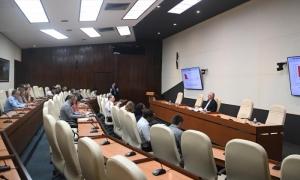
    The presentation was delivered to Miguel Díaz-Canel Bermúdez, First Secretary of the Party’s Central Committee and President of the Republic of Cuba, during the country’s regular consultative exchanges between government leadership and scientific health experts. Per Dr. Sarahí Mendoza Castaño, Director of Research, Development, and Innovation at CNIC, all the developed products have already demonstrated clear efficacy and safety in trials. These developments will not only expand Cuba’s domestic portfolio of accessible medical treatments for its population but also position the country to compete in the global pharmaceutical market.

    The most high-profile outcome shared was from a clinical trial investigating the combination of policosanol, the active ingredient in CNIC’s iconic PPG first developed by the center in the late 1980s, paired with a low 81-milligram daily dose of aspirin, for the treatment of post-ischemic-stroke cognitive impairment. The 12-month controlled study enrolled 100 male and female patients with an average age of 69, all living with post-stroke cognitive decline, and split participants into two separate treatment groups for comparative analysis.

    Researchers recorded measurable, significant improvement in cognitive function as early as 45 days after the start of treatment across both groups. “With this study, we demonstrate for the first time that long-term therapy with 20 milligrams of policosanol and a daily dose of 81 milligrams of ASA improves both functional recovery and post-stroke cognitive impairment in patients who have suffered an ischemic stroke,” explained Dr. Javier Sánchez López of Cuba’s Center for Neurology and Neurosurgery.

    The neurologist noted that the initial results open doors for expanded use of the combination therapy down the line. “This is a promising result, and we are preparing to use this therapy in the future for vascular parkinsonism, because policosanol clearly protects the vascular tree; therefore, in any condition involving this type of damage, its effect will be beneficial. That is our hypothesis, and the results have been encouraging in this initial study.”

    Given that ischemic stroke is a major contributing factor to late-life dementia, Sánchez López emphasized the critical public health value of this breakthrough. As global life expectancy continues to rise, cognitive decline has become an increasingly common burden on older populations. “Any product, any trial that points to an improvement is welcomed as a relief, knowing that we want to live longer, but also with a better quality of life, and even more so by using natural products, which are highly reliable and safe for medical use,” he added.

    Alongside the stroke therapy research, CNIC also shared new data on dermatological treatments based on ozonized sunflower oil (OSO). Researchers conducted trials testing the efficacy of OSO cream paired with specialized sulfur-based AGO soaps for multiple common skin conditions. One trial focused on acne patients, enrolling 75 participants (average age 24, majority female) split into three groups: one receiving only OSO soap, one only OSO cream, and the third a combined therapy of both products.

    All three groups recorded clinical improvement, higher assessment scores, and better quality of life after treatment, with the combined therapy delivering notably stronger results than either monotherapy. CNIC plans to continue testing these dermatological products with larger patient cohorts and longer treatment periods to confirm the initial positive outcomes. A separate eight-week trial of OSO soap paired with an alcohol-based anti-inflammatory OSO cream for chronic dermatitis, which enrolled 90 patients, also returned promising preliminary results, which are currently under peer review. Additional promising early data was also shared for rectal ozone therapy as a treatment for persistent joint pain following the acute phase of chikungunya infection.

    President Díaz-Canel praised the new achievements from CNIC, an institution founded in 1965 by former Cuban leader Fidel Castro Ruz that holds the distinction of being the founding core of Cuba’s network of revolutionary scientific institutions, evolving from the original Scientific Pole into today’s Biocubafarma. The center’s latest breakthroughs confirm that six decades after its founding, CNIC remains fully committed to addressing high-priority biomedical and technological challenges that advance Cuba’s economic and social welfare, while developing cutting-edge, globally competitive pharmaceutical products.

  • Patria: a communication milestone of our time

    Patria: a communication milestone of our time

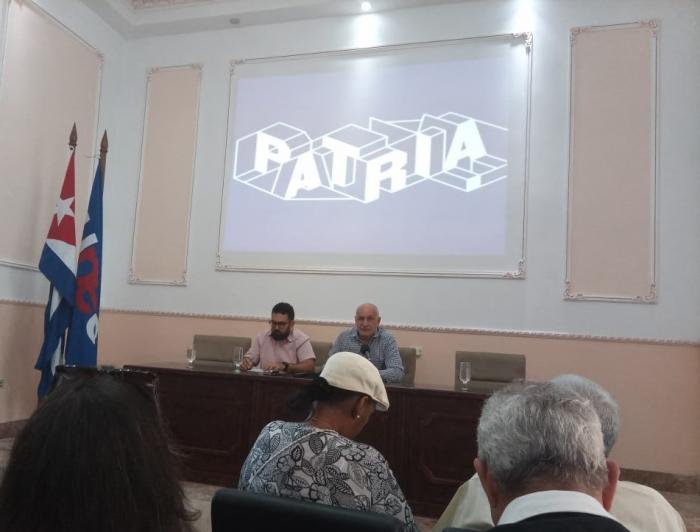
    Cuba’s leading international communication gathering, the Patria International Colloquium, is gearing up to open its fifth iteration in 2026, bringing a slate of new updates and symbolic milestones to Havana. Rooted in the core mission of aligning Cuba’s public communication network with progressive, leftist frameworks adapted to 21st-century digital shifts, the event carries heavy symbolic weight this year, timed to coincide with two landmark national anniversaries: the centennial of Cuba’s iconic Commander-in-Chief, and the 65th anniversary of the victory at the Bay of Pigs, as well as the declaration of the socialist character of the Cuban Revolution.

    Against a backdrop of sustained international media pressure targeting Cuba, the colloquium stands as a tangible demonstration of global solidarity with the island nation, event organizers confirmed. At an official press conference, Ricardo Ronquillo Bello, president of the Union of Cuban Journalists (UPEC), shared that even with an accelerated call for participation, global turnout has exceeded expectations, with roughly 150 international delegates already confirmed to attend. This strong response, he noted, is clear evidence of widespread global support for Cuba and the long-standing international prestige the colloquium has built since its launch.

    This year’s edition introduces a restructured programming model that expands the event’s core mission beyond academic discussion, positioning it as a hub for practical professional preparation and skills training. Parallel to the main keynote panels and discussions, a series of hands-on workshops will be held, and a hybrid virtual component will be offered to extend access to communication professionals across every region of Cuba. Organizers emphasized they are prioritizing leveraging the expertise of high-profile attendees, including senior specialists, veteran journalists, leading communication theorists, and heads of major communication organizations from around the world.

    Daniel González, a member of the colloquium’s organizing committee, added that the event will center cutting-edge shifts in the global communication sector, with artificial intelligence and its real-world applications for media and public communication set to be one of the central thematic focuses of the conference. The gathering will also feature a large-scale public exhibition hosted at Havana’s Línea y 18 fairgrounds, where domestic and international media outlets and communication-focused initiatives will display their latest technological and innovative advances to attendees.

    A key milestone of this fifth edition will be the official inauguration of the permanent Patria Project headquarters, a facility designed to operate as a year-round hub for communication research, professional training, and preparatory work for future industry initiatives. Closing his remarks, Ronquillo Bello framed the colloquium as a modern stand against external media pressure, drawing a parallel to the historic Bay of Pigs victory: “Patria coincides with dates of great national symbolism. Let us say, then, that Patria is the communications-based Bay of Pigs of our time.”

  • St. Kitts and Nevis, Guyana Deepen Strategic Ties Through Security, Agriculture, Modernization and Biodiversity Pact

    St. Kitts and Nevis, Guyana Deepen Strategic Ties Through Security, Agriculture, Modernization and Biodiversity Pact

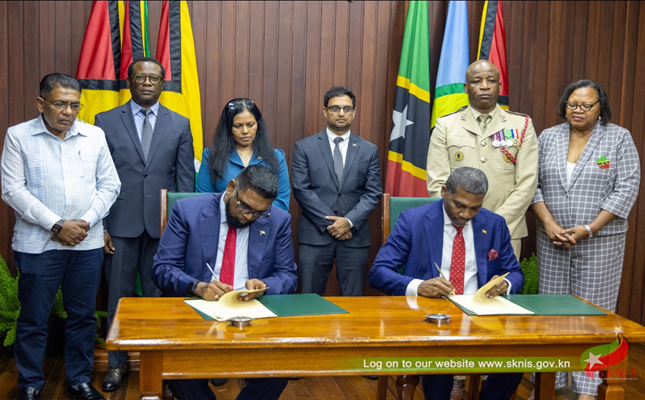
    Two Caribbean nations, the Federation of Saint Kitts and Nevis and the Cooperative Republic of Guyana, have advanced their longstanding bilateral relationship into a new era of targeted strategic cooperation, following a landmark series of agreements signed during an official visit by Saint Kitts and Nevis Prime Minister Dr. Terrance Drew to Georgetown on April 8, 2026.

    Three core Memoranda of Understanding (MOUs) were formalized during the visit, covering non-lethal defense and security collaboration, agriculture and food security, and public sector modernization. On top of these bilateral accords, Drew also officially marked Saint Kitts and Nevis’ entry into the Global Biodiversity Alliance, an international conservation and sustainable development initiative spearheaded by Guyanese President Mohamed Irfaan Ali.

    The new agreements build on decades of connection between the two countries, which are anchored in shared colonial history, collective regional solidarity within the Caribbean Community (CARICOM), and deep people-to-people connections. The frameworks create structured, actionable collaboration pathways in sectors that sit at the top of both nations’ national development agendas, with benefits expected to ripple across the broader Caribbean bloc.

    In remarks following the signing, Prime Minister Drew emphasized that the cooperation areas were deliberately selected to deliver tangible, measurable improvements to the lives of citizens in both the near and long term. “I’ve selected what I think would have solid impact on St. Kitts and Nevis,” Drew stated, noting that intentional, focused implementation would be key to unlocking the full value of the new partnerships.

    On the topic of agriculture and food security, Drew highlighted the urgent need for Caribbean nations to boost local production and cut overreliance on extra-regional imports, a priority that has grown more pressing amid persistent global food price inflation and ongoing supply chain disruptions. He noted that Guyana’s rapidly expanding agricultural sector creates unique mutual benefits: Saint Kitts and Nevis can gain reliable access to affordable regional food staples while building its own domestic production capacity through knowledge sharing and technical assistance from Guyana.

    “As you can see, the cost of food across the world… there’s a lot to learn, but there’s also opportunities, because we want to buy food as well. You have it here in Guyana. Why buy it from outside the region?” Drew said. He added that Saint Kitts and Nevis’ large, fast-growing tourism sector creates a steady, high-demand market for other Caribbean nations’ agricultural exports, while expanded local production will simultaneously improve national food resilience and lower grocery costs for local residents.

    Turning to government modernization, Drew welcomed Guyana’s offer to support Saint Kitts and Nevis’ digital transformation agenda by sharing expertise in leveraging technology to strengthen governance, enhance project oversight, and improve evidence-based decision-making. The prime minister explained that access to real-time data and modern digital administrative systems will significantly boost the efficiency of public services, speed up development project delivery, and improve transparency and accountability across all government ministries and departments.

    Saint Kitts and Nevis’ accession to the Global Biodiversity Alliance aligns the Federation’s national Sustainable Island State Agenda with a global movement focused on protecting critical ecosystems, preserving irreplaceable natural resources, and advancing scientific innovation for conservation. Drew noted that the alliance’s mission fits seamlessly with his administration’s domestic policy priorities. “This community champions for diversity… biodiversity fits exactly to what our national agenda is. We want to create a sustainable Island. Biodiversity is fundamental, so for us this is natural,” he said.

    As the current Chairman of CARICOM, Drew also committed to advocating for the alliance across the Caribbean region, working to encourage more Caribbean nations to join the initiative and expand its collective impact.

    Guyanese President Mohamed Irfaan Ali, who was present for the signing ceremonies, welcomed the deepened partnership between the two nations and reaffirmed Guyana’s commitment to driving regional development through shared resources, innovative collaboration, and practical, action-oriented agreements. Ali praised Drew’s leadership across CARICOM and noted that the new accords mark just the beginning of deeper collaboration that will directly improve quality of life for people across the Caribbean.

    The April 2026 visit and resulting agreements highlight Saint Kitts and Nevis’ proactive approach to regional diplomacy and targeted development cooperation. The country continues to pursue strategic partnerships that advance its core national priorities, strengthen economic and climate resilience, and create long-lasting, inclusive opportunities for its population.

  • Walters urges fish festival overhaul over economic, safety concerns

    Walters urges fish festival overhaul over economic, safety concerns

    One of Barbados’ most beloved cultural gatherings, the Oistins Fish Festival, faces an existential threat without urgent, comprehensive reforms to its outdated management framework and public safety protocols, opposition Senator Ryan Walters has warned in an official statement shared with Barbados TODAY on Wednesday.

    Rooted in decades of local coastal tradition, the festival has long been a cornerstone of both Barbadian cultural identity and small-scale enterprise, drawing thousands of local and international visitors annually to sample fresh local seafood, enjoy live entertainment, and celebrate the island’s fishing heritage. But Walters argues that a growing gap between its long-standing cultural legacy and shifting modern economic and social realities has put the event’s future viability at risk, with two key issues driving the crisis: plummeting profits for participating micro-vendors and widespread public anxiety over violent crime that is keeping crowds away.

    Walters was quick to acknowledge the hard work and commitment of the festival’s existing management committee, which has worked for years to preserve the event’s core cultural identity. Even so, he highlighted widespread reports from on-the-ground small business owners of a steep, alarming decline in sales over recent events. The current management model, he argued, has not kept pace with modern event marketing strategies or the changing expectations of today’s festival-goers. The festival can no longer rely on its cultural heritage alone to draw crowds and sustain vendors, he insisted, noting that it must adapt to compete in an increasingly saturated regional and global entertainment market.

    “We cannot walk into planning for the 2026 festival using the same structure, the same level of investment, and the same outdated approach that we relied on a decade ago,” Walters said. “Patron expectations have shifted entirely. How events are marketed and promoted has been revolutionized by digital platforms and new audience engagement strategies. Competition for the time and attention of both local and international visitors is far more intense than it once was. That means the entire support structure behind the festival has to evolve with these changes.”

    Walters centered his call for reform on protecting the small entrepreneurs that form the backbone of the Oistins Fish Festival experience. For many of these micro-vendors, a slow weekend at the festival is far more than a minor disappointment: it delivers a major financial setback at a time when operating costs for small businesses across Barbados have skyrocketed. He challenged the current government to do more than simply provide a physical venue for vendors, calling for a new strategic framework that actively drives attendance to the event and guarantees vendors can earn a viable return on their investment.

    Right now, Walters argued, the current model boils down to selling vendor spots and hoping for strong turnout, which shifts almost all the risk onto small business owners already operating on razor-thin profit margins. For most vendors, festival income is not casual side money: even a daily loss of $100 to $200 over the major festival weekend can cause devastating financial strain, especially as the costs of inventory, transportation, and labor continue to climb across the island.

    A core component of Walters’ critique centered on the growing impact of recent violent crime trends on the festival’s appeal, noting that widespread public fear of violence has had a chilling effect on attendance. He tied the long-term success of Barbados’ heritage tourism sector directly to the government’s ability to maintain consistent public safety, explaining that anxiety over crime acts as a powerful deterrent for both local families and international tourists. The growing prevalence of gun violence in public spaces, he argued, creates an economic barrier that no amount of marketing can overcome without direct, decisive intervention from the government.

    “Another critical issue we cannot sweep under the rug is the growing public concern over crime across Barbados, particularly shootings in public gathering spaces,” Walters said. “This is not just a law enforcement issue—it directly hits public confidence and keeps people from participating. If attendees do not feel safe, they will simply stay home, no matter how well the event is marketed or promoted. The government has to treat this with the urgency it deserves and put stronger, visible safety measures in place to reverse this troubling trend.”

    Walters closed by noting that while public affection for the Oistins Fish Festival remains strong, the electric energy and large crowds that once defined the iconic event are missing compared to other major national gatherings across the island. He urged the government to abandon complacent status-quo planning to protect the livelihoods of small vendors and unlock the festival’s full economic potential.

    “Public safety is the absolute foundation of any successful national event,” he emphasized. “Without it, even the most well-planned festival will struggle to draw the crowds that vendors and local communities depend on. The core of the festival is strong. The public passion for it is there. Its cultural importance to Barbados is unquestioned. Now, we have to expand our vision to make the festival bigger, better, and economically viable for every single person involved.”

  • Kickstart move up with win over Ellerton

    Kickstart move up with win over Ellerton

    The 2024 Barbados Football Association Premier League continues to deliver high-stakes, tightly contested action this season, with two crucial midweek matches shaking up the league table on Tuesday. In the headline fixture of the week’s matchday, Kickstart Rush secured a dramatic 2-1 victory over Ellerton that lifted them into the second spot in the overall standings, tightening the race for the league title. It did not take long for the first breakthrough to come, with forward Azarel Croney finding the back of the net in the 30th minute to put Kickstart Rush ahead early in the second half of the campaign. Ellerton responded quickly after the break, with Anson Barrow leveling the score in the 55th minute to set up a tense final 35 minutes of play. The match-winning goal came courtesy of 17-year-old national team prospect Jamarco Johnson, who netted in the 71st minute to seal all three points for Kickstart Rush. With the result, Kickstart Rush now sits on 23 points, just a single point adrift of current league leaders Paradise. For Ellerton, the defeat drops the side to fifth place in the table with 20 points, leaving them just narrowly outside the top contention group in what is being called the most competitive Premier League campaign in recent memory. The night’s second fixture, played at the BFA Technical Centre in Wildey, pitted two newly promoted sides against each other in a battle that could have major implications for relegation survival at the end of the season. Bagatelle claimed a dominant 4-1 win over St Andrew Lions, with forward Torian Joseph delivering a standout performance that included a match-winning hat-trick. Joseph opened the scoring for Bagatelle in the 19th minute, but St Andrew Lions managed to pull level just before halftime, with Zeco Graves finding the net in the 44th minute. Bagatelle reclaimed the lead just two minutes later, with Tyreese King putting the newly promoted side back ahead before the break. Joseph put the result beyond doubt after halftime, scoring his second of the game in the 46th minute before sealing his hat-trick in the 86th minute to lock in the three points. The win moves Bagatelle up to sixth place in the league standings with 14 points, pulling the side clear of the bottom half of the table and leapfrogging UWI, who now sit one spot below on 12 points. For St Andrew Lions, the loss leaves the club stuck in ninth place on just six points, occupying one of the two relegation spots in the league. They share the relegation zone with winless bottom side Wotton, who have yet to pick up a single point this season. St Andrew Lions now sit five points adrift of eighth-placed Eyre’s Meat Shop Pride of Gall Hill, leaving them with a steep climb to avoid dropping back down to the lower division at the end of the campaign. The action will continue this coming Sunday, with a full slate of matches that could see league leaders Paradise extend their advantage at the top of the table. Paradise will kick off Sunday’s matchday against Bagatelle, and a win would push their lead over second-placed Kickstart Rush out to four points. Ellerton, fresh off Tuesday’s defeat, will face a challenging test against UWI Blackbirds, while defending champions Weymouth Wales will close out the night against St Andrew Lions. The two sides played to a 1-1 draw in their first meeting during the first half of the season, setting up another competitive encounter for the reigning title holders.

  • Used car dealer convicted of theft, money laundering

    Used car dealer convicted of theft, money laundering

    After a trial that laid out allegations of sustained financial exploitation, a Barbadian used car dealer has been found guilty of sustained theft and money laundering that drained more than $42,000 from a single customer over the course of two years. Dwayne Omar Clarke, a resident of Warrens Crescent in St Michael, was handed the unanimous conviction by a nine-member jury at the No. 5A Supreme Court, following a prosecution led by Barbados’ Office of the Director of Public Prosecutions.

    Court documents detail two distinct counts of theft and criminal proceeds possession, both linked to customer Joy-Ann Mapp. The first conviction stems from an $18,000 cheque issued by Republic Bank Limited and made payable to Clarke’s business, MD Auto Sales, taken between August 17, 2019, and July 6, 2021. Clarke was also found guilty of holding these funds, which he knew or reasonably should have known were obtained through criminal activity.

    The second guilty verdict comes from a second theft: a $24,500 Republic Bank cheque made payable directly to Clarke personally on February 4, 2020. Clarke wrongfully withheld this sum from Mapp, and held the funds as criminal proceeds between the date of the cheque and July 6, 2021, when the charges were brought.

    In an unusual procedural detail, Clarke chose to represent himself throughout the trial, rather than retaining private legal counsel or requesting a court-appointed attorney. The prosecution team was led by Principal State Counsel Romario Straker, supported by State Counsels Maya Kellman and Eleazar Williams.

    Following the jury’s guilty verdict on all counts, Justice Christopher Birch ordered Clarke be remanded to Dodds Prison to await his sentencing hearing. The case will resume on April 10, when the court will hand down official punishment for the convictions.

  • Simons, Demon en Mijnals geëerd met ‘Dya Dya Sranan Uma’-award

    Simons, Demon en Mijnals geëerd met ‘Dya Dya Sranan Uma’-award

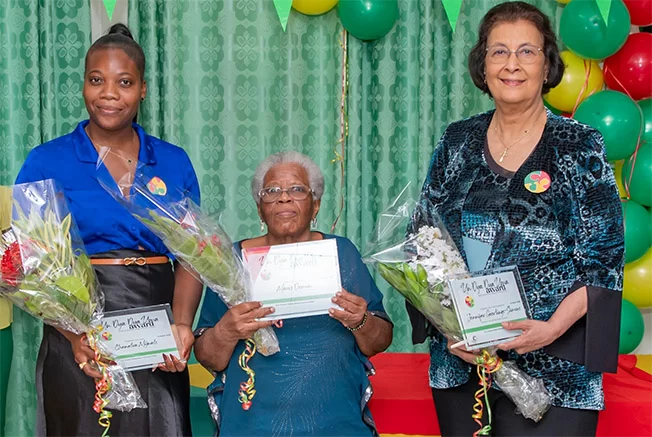
    Three influential Surinamese women have received the prestigious “Dya Dya Sranan Uma” award from the Suriname Women’s Political Alliance Foundation (VPAS) in a ceremony held Tuesday, recognizing decades of dedicated contribution to national social development. The recipients span generations of female leadership: Suriname’s President Jennifer Simons, Mavis Demon, chair of the community organization Stichting Uma Opo Wroko De Fu Du, and young professional Chenelva Mijnals.

    Hosted at Grun Dyari, the award ceremony was originally scheduled to coincide with International Women’s Day on March 8, but was rescheduled to April 8 due to personal circumstances affecting one of the honorees. The delayed event still centered its mission on celebrating the global recognition of women’s contributions, retaining the core spirit of International Women’s Day.

    VPAS chair Sjachnaz Pengel explained that the three women were selected for their extraordinary commitment, persistence, resilience, and long-standing impact on advancing Suriname’s society. Pengel emphasized that the recipients serve as critical role models for both women and young people across the country, demonstrating what can be achieved through purpose-driven work.

    In her keynote address following the award presentation, President Simons framed her participation as more than a formal appearance as head of state. “I am here not only as president, but first and foremost as a woman, a mother, and a Surinamese,” she stated. She went on to highlight the countless essential roles women play across Surinamese society, from high-profile public leadership to the unseen, foundational work that holds communities together.

    President Simons used the platform to call for greater cross-gender and intra-gender collaboration across all sectors of the nation. She argued that the largest barrier to gender equity in Suriname is not a lack of formal legislation, but deeply ingrained cultural mindsets that hold women back from reaching their potential. She closed her remarks by urging women and girls across the country to believe in their own capabilities and boldly pursue their personal and professional ambitions.

    Attendees and organizers alike reinforced a core theme throughout the event: sustainable national development cannot be achieved unless women and men work in partnership, with equal access to opportunities to contribute to national progress. For the VPAS, the annual award program serves two core goals: to formally recognize women who have already made an exceptional impact on Suriname, and to spread a broader national message that female leadership is not just valuable, but essential to the country’s ongoing growth and prosperity.

  • Hundreds of children caught in wave of abuse, neglect, officials reveal

    Hundreds of children caught in wave of abuse, neglect, officials reveal

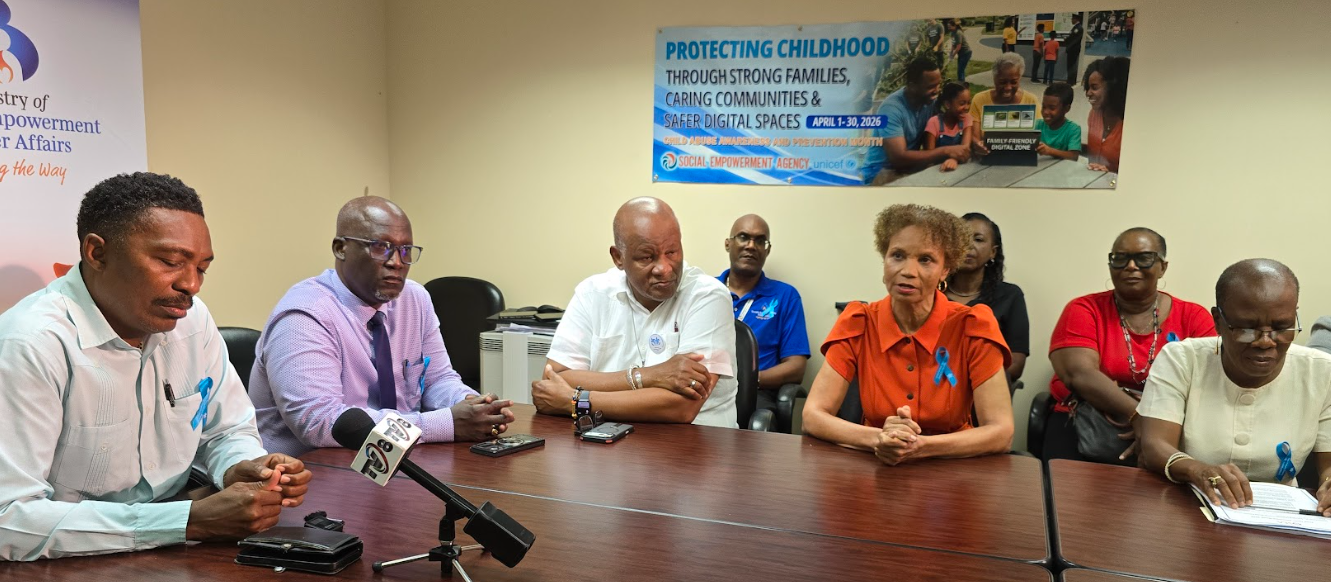
    Barbados is confronting a accelerating child protection emergency, newly released official data confirms, with hundreds of minors experiencing abuse and neglect across the country over the last two years. Speaking at the official launch of Child Abuse Awareness and Prevention Month held at the HIV/AIDS Conference Room this Wednesday, Roseanne Richards, head of the Social Care Delivery and Support Directorate at Barbados’ Social Empowerment Agency (SEA), outlined the staggering scale of the issue. Between 2024 and 2026, officials recorded roughly 639 reported incidents of child mistreatment, which impacted a total of 811 children across the island nation. The majority of these reported cases are concentrated in two populous parishes: St Michael and Christ Church.

    Neglect stands as the most widespread form of child maltreatment recorded in the data, Richards emphasized. She noted that female children are disproportionately impacted by neglect, with inadequate adult supervision identified as the leading root cause. Under Barbadian national law, leaving children under the age of 12 unsupervised without appropriate care qualifies as neglect – a violation that becomes even more severe when older children are forced to supervise younger siblings. Richards added that neglect often acts as a gateway to other forms of abuse, including physical, sexual and verbal mistreatment, making it the most pressing priority for intervention.

    Addressing systemic delays in processing child protection court cases, Richards explained that effective intervention requires coordinated cross-sector collaboration. Social work experts rely on close partnerships with law enforcement, medical professionals, mental health practitioners, and school officials to resolve cases, and progress depends on the alignment of all involved stakeholders.

    Adrian Forde, Minister of People Empowerment and Elder Affairs, highlighted that new national child protection legislation approved in January introduces a key structural reform: mandatory reporting of suspected child abuse for all adults who work regularly with children. Forde noted that while it is unfortunate that legal mandate was required to enforce this responsibility, the new framework creates clear accountability for protecting at-risk minors. He stressed that every resident of Barbados holds an inherent duty to safeguard the nation’s children, noting that even one case of abused child is unacceptable for the country. Protecting children, he added, is an investment in Barbados’ future, as today’s young people will go on to lead the small island developing state in coming decades. The government remains fully committed to building a safe environment where all young people can thrive and reach their potential, Forde said.

    To mark the fifth annual Child Abuse Awareness and Prevention Month, SEA has planned a full slate of public education and outreach activities in partnership with UNICEF and other key stakeholders. Throughout the month, SEA representatives will appear on national radio and television programming to raise public awareness, and new public service announcements will educate communities on how to identify and prevent child abuse. Series of targeted workshops will run through April and May covering critical emerging and ongoing issues, including online child safety in digital spaces, forensic investigation techniques for abuse cases (held in partnership with the Barbados Police Service), and caregiver training for parents, teachers, sports coaches and other frontline professionals who work with children. The month of activities will conclude with a public Walk Against Abuse scheduled for April 24 in Warrens.