As artificial intelligence reshapes creative industries across the globe, one of the southern Caribbean’s most iconic cultural celebrations is moving to set clear boundaries for the emerging technology — to safeguard its centuries-old cultural roots without rejecting innovation entirely.
The Carnival Development Corporation (CDC), the governing body of Vincymas, St. Vincent and the Grenadines’ premier annual carnival, is currently developing a formal policy that will limit and regulate the use of AI in festival music. The initiative comes amid growing concern that unregulated overreliance on generative AI could erode the unique cultural authenticity that defines the centuries-old regional celebration.
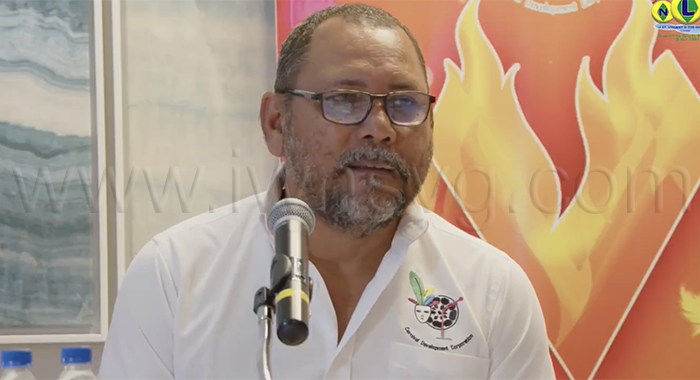
CDC Chairman Ricardo Adams outlined the organization’s plan during a press conference focused on preparations for the 2026 iteration of Vincymas, confirming that event organisers have already identified AI-generated musical submissions among tracks released for this year’s festival. Rather than pushing for an all-out ban on the technology, Adams framed the new rules as a defensive measure to protect human creativity and local cultural ownership, core pillars of the southern Caribbean carnival tradition.
“We’ve had a very robust discussion on the introduction of AI into our creative space, and we recognise that there is a place for AI,” Adams explained during the briefing in Kingstown. “I’m not going to say that we should ignore AI, or completely eliminate it. But AI cannot become your creative juice. AI can help you refine your creation, but it cannot become the core of your work.”
Adams warned that without clear guardrails, Vincymas risks losing the raw passion and cultural specificity that makes it unique, eventually devolving into a series of events centered on generic, algorithm-generated content disconnected from local heritage. “Otherwise, we’ll all be jumping up to metadata-created music with no input of the passion and the energy and the culture of what is Vincy Mas,” he said.
While Adams did not disclose specific regulatory thresholds or draft rules during the press conference, his comments confirm that formal guidelines will apply to all future competitions and official performances overseen by the CDC. The organization is currently collaborating directly with local artists to shape the policy, which aims to strike a deliberate balance between innovation and preservation: AI will be permitted as a supporting tool for editing, mixing and refining tracks, but all core creative work — including melody composition, lyric writing, and core performance — must be completed by human creators rooted in local cultural experience.
Adams tied the AI regulation debate to a broader, longstanding concern about cultural sovereignty for Caribbean creators. He reminded stakeholders that foundational elements of modern carnival culture, including steelpan instrumentation, mas design, and soca music, originated in the southern Caribbean and remain driven by regional artists. Unchecked AI adoption, he argued, risks reducing local creators to passive consumers of generic content produced outside the region, stripping them of control over an art form they built.
The policy push also comes as the CDC works to address a larger shift in global carnival culture: the gradual erosion of artistic and cultural identity driven by a turn toward commercialization. Adams noted that without intentional guardrails, Vincymas could drift from its cultural roots to become nothing more than a series of high-priced commercial parties, prioritizing convenience and volume over the artistic expression that has long defined the event. He framed unregulated AI as one more shortcut that could hollow out the festival’s core artistic identity if left unaddressed.
The debate over AI regulation comes as the CDC enters a pivotal period for the festival: the organization is currently pushing for a formal economic impact analysis of Vincymas, recognizing it as both a core cultural expression and a major local creative industry, and preparations are underway for the 50th anniversary of Vincymas’ current June-July schedule, a milestone branded the “Road to 50”.
Adams emphasized that protecting the festival’s cultural authenticity through responsible AI governance now is critical to building a credible, meaningful celebration for the golden anniversary and future iterations. “The best way to promote next year’s milestone is to ensure that when people come here this year, we give them a safe festival, we let them experience the warmth and the energy that is St. Vincent and the Grenadines, Vincymas,” he said.
Vincymas’ move to regulate AI places the festival among a fast-growing group of global cultural institutions and creative industries grappling with the same question: what role should generative AI play in reshaping traditional art forms? For Adams and the CDC, the answer is not outright rejection of new technology, but a deliberate reaffirmation that human creators and local culture must remain at the center of the celebration.