
As the global maritime community marks World Maritime Day 2024 on September 26, calls are growing louder to turn aspirational policy commitments into tangible, daily action that advances the sector toward long-overdue excellence. This year’s official theme, “From Policy to Practice: Powering Maritime Excellence,” aligns with a multi-year strategic focus from the International Maritime Organization (IMO): the 2026–2027 thematic framework prioritizes translating international maritime standards into enforceable national legislation, consistent on-the-ground implementation, targeted workforce training, and embedded equitable practices across every level of daily operations.
作者: admin
-
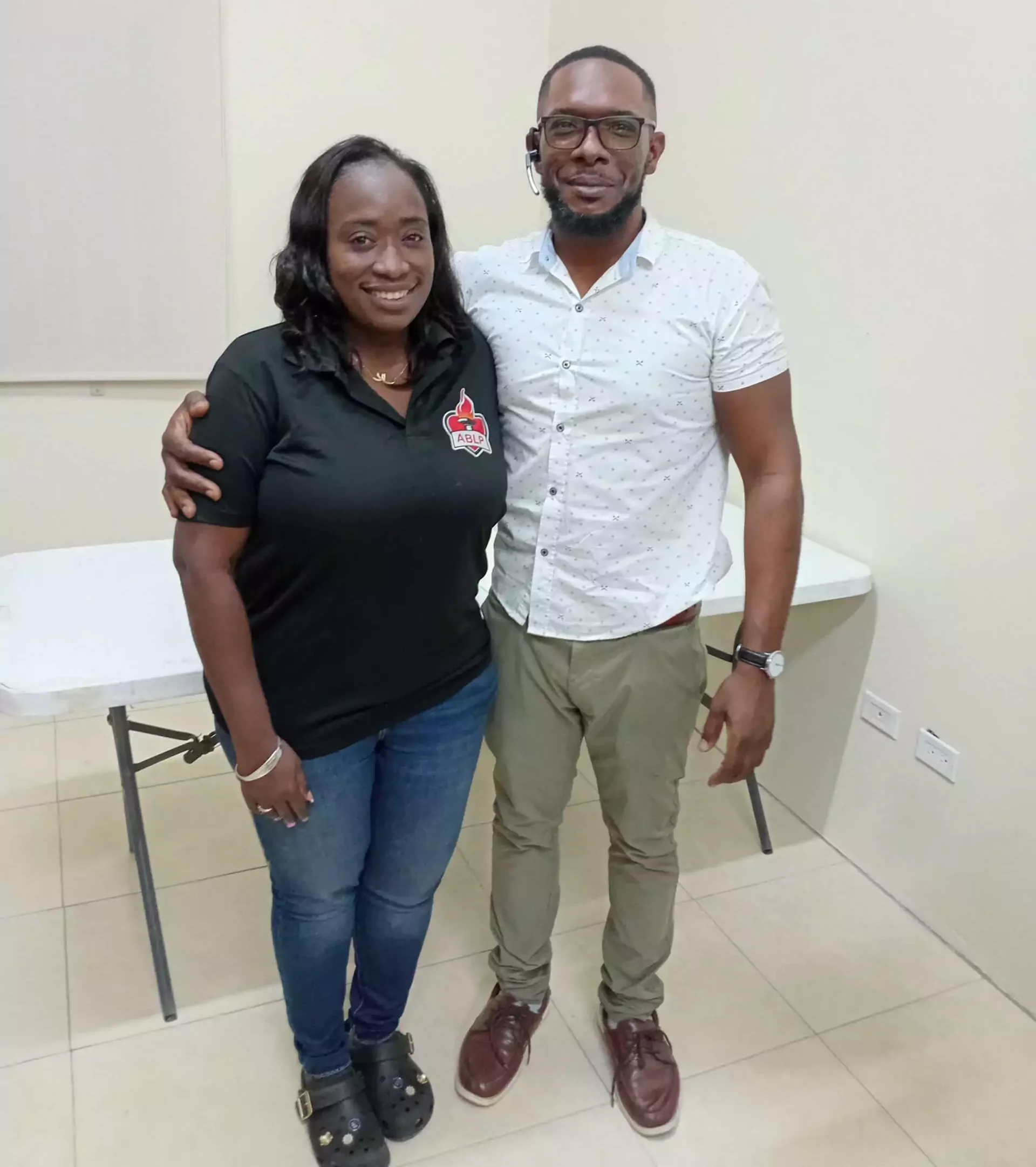
Adrian Richardson Elected Chairman of ABLP’s St. Philip’s South Branch
An internal leadership election held by the St Philip’s South Constituency Branch of the Antigua and Barbuda Labour Party (ABLP) has delivered a decisive outcome, with Adrian Richardson claiming the position of branch chairman in a landslide win over his competitor. Held on Wednesday, the election was not limited to the top leadership post: party members turned out to cast ballots for six full executive branch positions, ranging from chairman and vice chairman to secretary, treasurer, women’s development officer and youth development officer.
In the race for chairman, Richardson outpaced former branch vice chairman Linda Josiah by a wide margin, securing 34 votes to Josiah’s 10. Following the confirmation of the final results, ABLP General Secretary Senator Shenella Govia extended official congratulations to Richardson on his electoral win. Govia shared that the party is eager to collaborate with Richardson in his new role, and looks forward to productive working relationship moving forward.
For his part, Richardson expressed surprise and gratitude at the scale of his victory, describing the outcome as a humbling show of support from party members. In his first public remarks after the win, he made a public pledge to prioritize the branch’s interests and commit his full effort to serving members throughout his tenure. He also issued a call for unity across all faction of the constituency branch, emphasizing that collective collaboration is key to advancing the party’s goals in the region. To guide his decision-making as he takes office, Richardson added that he will seek spiritual guidance throughout his term.
-
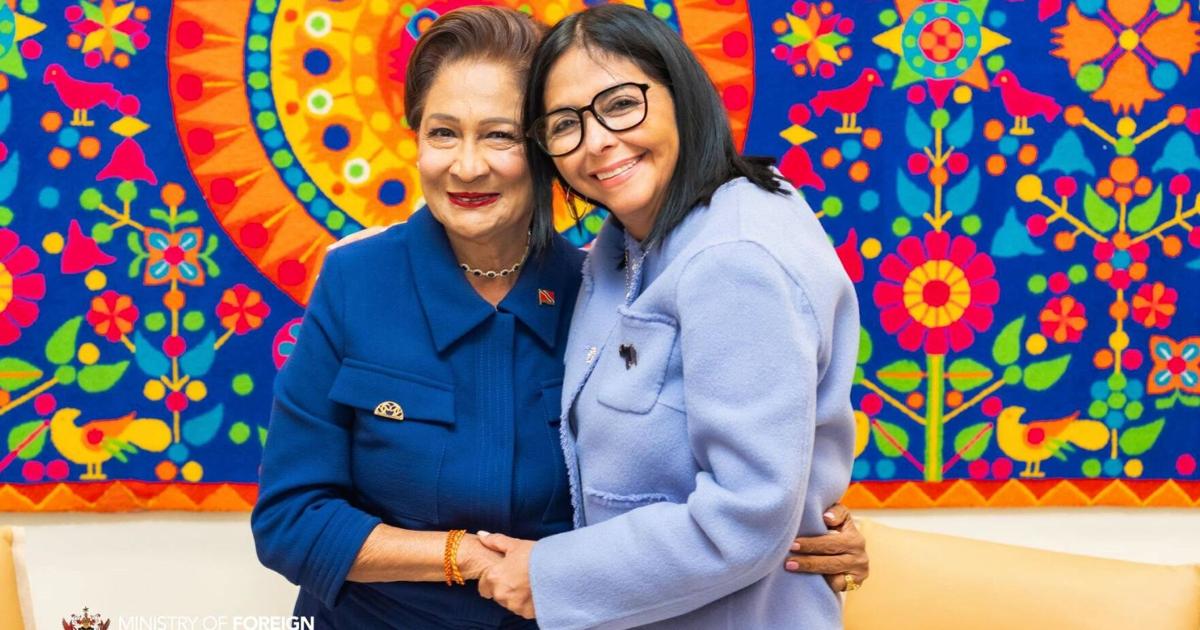
Delcy: I love you
On the sidelines of the 81st United Nations General Assembly in New York, a high-stakes meeting between Trinidad and Tobago (T&T) Prime Minister Kamla Persad-Bissessar and Venezuela’s acting President Delcy Rodriguez has rewritten the trajectory of bilateral relations between the neighboring Caribbean nations, ending 11 months of open hostility with a dramatic public display of goodwill. The encounter, held at Venezuela’s Permanent UN Mission, culminated in a warm embrace, broad shared smiles, and a mutual declaration of affection that quickly spread across global social media platforms, serving as a visual symbol of the sharp turnaround in cross-border ties.
Just 11 months prior, relations between Port of Spain and Caracas had deteriorated into open estrangement. Against the backdrop of the Persad-Bissessar government’s deepening security cooperation with the United States amid Washington’s campaign against transnational drug cartels, and rising tensions over U.S. military activity in the Caribbean, Venezuela’s National Assembly under then-President Nicolas Maduro unanimously designated Persad-Bissessar as persona non grata, barring her from entering Venezuelan territory.
The regional geopolitical landscape shifted fundamentally in January 2026, when U.S. forces launched a large-scale military operation inside Venezuela that captured Maduro and his wife Cilia Flores, extracting the pair to the United States where Maduro now faces federal drug and weapons charges in New York courts. Though T&T officials have repeatedly stressed the country did not participate in the capture operation, the Persad-Bissessar administration had expanded counter-narcotics and security collaboration with Washington in the months leading up to the mission. Following the operation, Rodriguez stepped into the role of acting president, opening a new chapter of Venezuelan politics.
Weeks before the UNGA meeting, Persad-Bissessar had already signaled her intention to repair bilateral ties, telling reporters in response to a question about Rodriguez: “I love her. I look forward to meeting her.” That public gesture was reciprocated during Wednesday’s encounter, when Rodriguez wrapped the T&T prime minister in a hug and replied “I love you” — a moment that quickly went viral.
A joint statement released by both delegations following the closed-door cordial working meeting formally confirmed the reversal of Persad-Bissessar’s persona non grata status, explicitly stating that “the Venezuelan side indicated that the Prime Minister was indeed Persona Grata in Venezuela.”
The meeting was framed by both leaders as the launch of a “new era” in bilateral relations, built on the foundational principles of mutual respect, national sovereignty, good neighborliness, open dialogue, and reciprocal cooperation. Both leaders reaffirmed the long historical bonds of friendship between their peoples, and committed to advancing a shared work agenda designed to deliver tangible development and improved quality of life for both nations, while contributing to broader peace, stability, and prosperity across the Caribbean region.
Under the agreed work plan, the two countries will expand mutually beneficial exchanges across a wide range of sectors, including cross-border trade, energy, public security, disaster risk reduction, environmental protection, agriculture, tourism, air transport connectivity, and cultural exchange. The statement also noted that Rodriguez reiterated the Venezuelan people’s gratitude to the government and people of Trinidad and Tobago for the solidarity extended in the wake of devastating earthquakes that struck Venezuela in June 2026.
In a further step to cement the warming relationship, the two leaders agreed to reestablish a high-level direct consultation mechanism through reciprocal official visits, with Persad-Bissessar set to travel to Caracas and Rodriguez to visit Port of Spain in coming months. The dramatic diplomatic shift has drawn global attention as one of the most visible realignments in Caribbean geopolitics following the 2026 change in Venezuela’s leadership.
-
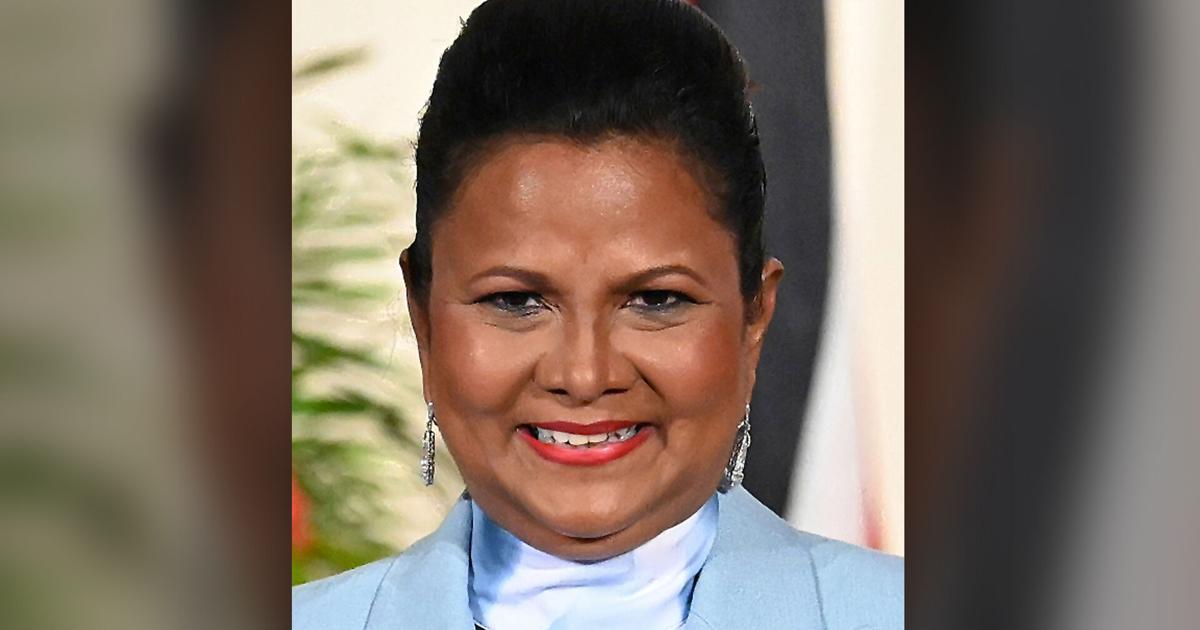
DON’T GIVE IN TO FEAR
As Trinidad and Tobago marks 50 years since it became a republic, President Christine Kangaloo has delivered a landmark national address urging the country to prioritize the protection of civil liberties even as it confronts a devastating national crime wave. In her official Republic Day message, Kangaloo warned that widespread public fear over rising violent crime must not be allowed to erode the fundamental rights that form the backbone of the nation’s constitutional democracy.
Acknowledging the deep harm crime has inflicted across communities, leaving countless households gripped by grief and constant anxiety, Kangaloo reaffirmed the state’s non-negotiable obligation to protect human life, uphold public order, and guarantee all citizens the right to live free from fear. But she emphasized that a truly mature republic must advance both collective security and individual freedom simultaneously, arguing that any public safety measures adopted must meet strict legal standards: they must be necessary, proportionate, transparent, and fully accountable to the rule of law.
“Exceptional emergency powers must remain truly exceptional,” Kangaloo stressed. She cautioned that fear can insidiously shift public opinion over time, leading communities to mistakenly view freedom as a barrier to public safety. “Rights surrendered in anxious times are not always easily recovered,” she added, noting that the strength of a constitutional democracy is not measured by its ability to wield unchecked power, but by its capacity to govern effectively while upholding the inherent dignity and freedom of every citizen it serves.
Against the backdrop of the 50th republic anniversary, Kangaloo framed the milestone not as an occasion for empty celebration alone, but as a critical moment for national reflection. The anniversary, she argued, demands that the nation answer pressing questions: have we only preserved the formal institutions of the republic, or have we upheld its core democratic values? Does public power get exercised with intentional restraint? Is political disagreement conducted with mutual respect? Does every citizen hold equal standing under the law? Are both liberty and security equally protected for all?
She also addressed the declining standards of political and civic discourse in the diverse nation, warning that the republic is weakened when respectful debate gives way to mockery, when simplistic labels replace substantive argument, and when inflammatory provocation is misinterpreted as strength. “Courtesy is not weakness, and restraint is not timidity,” Kangaloo said. “They are disciplines of democratic leadership, especially in a society as varied and closely woven as ours.”
Looking back to the nation’s 1976 transition to a republic, Kangaloo recalled that the historic decision was rooted in national self-confidence. It was a public declaration that while Trinidad and Tobago would remain open to global engagement, it would not copy the political divisions, anger, or culture of contempt seen in other nations. The country can learn from global partners without adopting their most harmful divisions, she argued, allowing it to engage the world confidently while retaining its distinct national identity.
Out of the nation’s overlapping, diverse histories, cultures, and faiths, Kangaloo noted that Trinidad and Tobago has built a rare, inclusive national identity spacious enough to welcome every community. This unique inheritance carries a core obligation: no citizen should ever be reduced to a simplistic identity label, and no group should ever be made to feel their place in the republic is conditional. Equal citizenship means the republic belongs fully and equally to every person — not as a granted permission, not tied to ancestry, and not dependent on political convenience.
Beyond the responsibilities of elected leaders, Kangaloo emphasized that ordinary citizens also hold a critical role in sustaining the nation’s democracy. Civic duty does not end at casting a vote or supporting aligned political actors, she explained. It also requires holding public power to account, defending the rights of others with the same care one defends their own, rejecting divisive language that erodes national communal life, and demanding that public institutions serve the entire nation, not just narrow interests.
The long-term health of the republic, she added, depends not only on the standards leaders choose to uphold, but also on the standards citizens demand from those who govern them. Fifty years after becoming a republic, the core question facing the nation is no longer whether Trinidadians and Tobagonians are capable of governing themselves — it is whether they will choose to govern themselves well: with courage, but without cruelty; with vigilance against threats, but without being ruled by fear; with pride in national identity, but without hostility toward those who are different.
Finally, Kangaloo reminded citizens that the republic is far more than the 1976 constitutional framework that established it. It is a daily, deliberate choice: to live as one united people under the rule of law, to preserve both public order and individual freedom, and to hold space for every citizen equally within the national community. “If we make that choice deliberately and consistently, we will not simply commemorate the promise of the Republic. We will renew it,” she concluded.
-
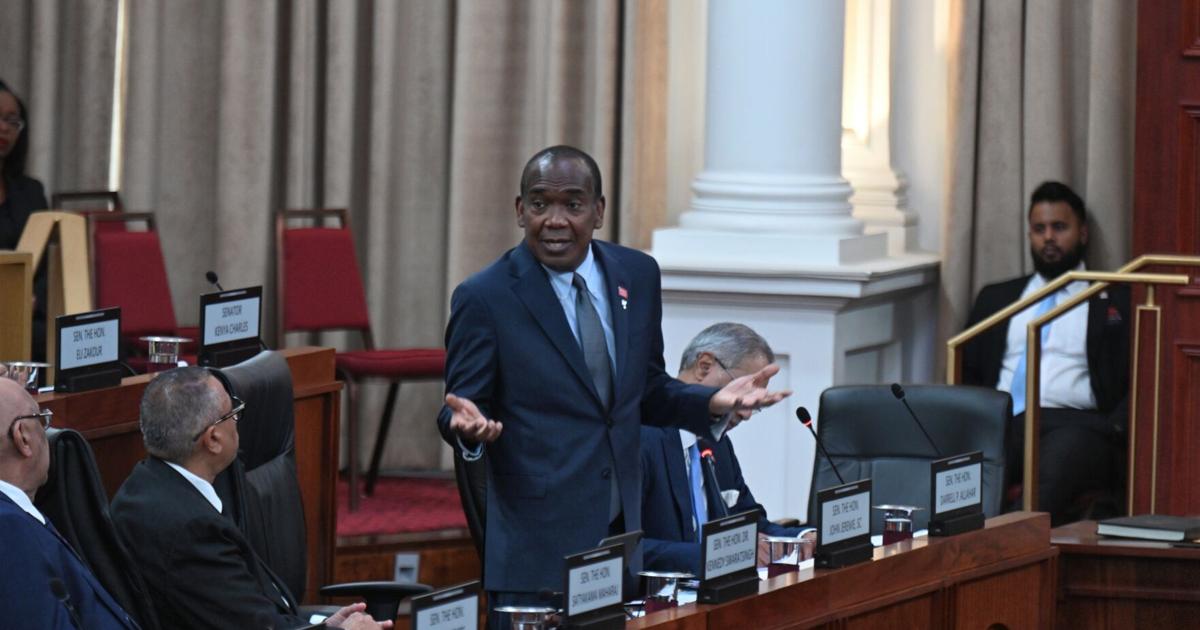
AG warns drug traffickers
A fiery Senate debate over the 2026 Special Operations Bill has put Trinidad and Tobago’s government and opposition at odds, as the administration pushes forward with a sweeping new crackdown on transnational drug trafficking, gang violence and organized crime.
Opening the debate in defense of the legislation, Attorney General John Jeremie delivered an uncompromising message to drug traffickers who have long relied on political connections and state protection to operate: exit the trade now, before the new law brings severe consequences. “If you are involved in the trafficking of narcotics, if you think that you have the in with the State that you have enjoyed for a decade, the message is simple. I am asking you to quit while you are ahead,” Jeremie told the upper chamber.
Jeremie emphasized that the government has no intention of backing down from its offensive against criminal networks, noting that all Trinidad and Tobago citizens hold a fundamental right to live free from pervasive fear. For him, true public peace means residents can walk their neighborhoods, commute to work, and return home each day with full confidence that their lives and personal freedoms are protected. He added that a functional, orderly society cannot exist without respect for the rule of law, acknowledging that while not every new policy will win universal popularity, democratic governance requires all laws to be followed consistently by all members of society.
The Special Operations Bill lays out a framework for dividing Trinidad and Tobago into dedicated policing districts, authorizing law enforcement to carry out targeted anti-crime operations in high-risk areas, with the option to call on support from the national Defence Force. It also requires monthly public reports on the scope and outcomes of these operations to be submitted to the Prime Minister and relevant cabinet ministers.
Much of the debate centered on fierce pushback from Jeremie against opposition criticism that framed the bill as racially discriminatory and comparable to apartheid-era South African policy. Jeremie forcefully rejected these claims, tracing the opposition’s racial rhetoric to the harmful racial hierarchy imposed during the transatlantic slave trade, where lighter-skinned enslaved people often internalized white supremacist tropes to demean darker-skinned enslaved people. He noted that the current opposition’s racial attacks are targeted at two senior government figures: a woman of color and a Black man, making the rhetoric particularly insidious.
Calling the comparison to apartheid deeply objectionable, Jeremie reminded senators that apartheid was a formal system of state-enforced racial segregation that allowed a white minority to systematically oppress and dehumanize a Black majority. He argued that invoking this violent history in a debate over legislation designed explicitly to protect the right to safety of Black communities across Trinidad and Tobago is far more than accidental overstatement.
“To invoke that history here while our black children are being slaughtered in the streets of their own communities is not careless rhetoric. It demands that we examine the assumptions beneath it,” he said. “What is particularly shameful is that some who have enjoyed extraordinary privilege and accumulated extraordinary wealth would lecture us on oppression while the blood of young people of colour, many of whom will never see their 20th birthday, runs through our streets.” Jeremie closed his rebuttal by urging all senators to reject the opposition’s racially charged line of criticism.
For his part, Opposition Senator Faris Al-Rawi laid out a series of procedural and constitutional concerns about the legislation, arguing that the selective implementation of special operations outlined by the government would only displace criminal activity rather than eliminate it. Al-Rawi warned that if the government only applies the new hardline measures in non-government held districts, drug traffickers and gang members would simply relocate to areas where the rules are less strict, leaving the overall problem of violence unchanged.
Al-Rawi also questioned the bill’s provisions allowing the Prime Minister to access detailed law enforcement information on criminal cases, noting the legislation includes no explicit limits on what information can be requested or how it can be used. He raised alarms that this framework could open the door to political interference in prosecutorial decisions, charging and targeting of individuals under the law. He tied these concerns to recent public comments from opposition leader Kamla Persad-Bissessar, who noted the government has already signaled it will not impose special operations in ruling PNM-controlled districts where local representatives and residents oppose the measures.
Under Trinidad and Tobago’s Constitution, all national legislation must be enacted for the peace, order and good governance of the entire country. Al-Rawi argued that the proposed selective application of the bill makes it inherently unconstitutional, because it targets specific groups and regions rather than applying uniformly across the nation. He confirmed the opposition remains united in its position that the law is unconstitutional and cannot withstand legal challenge.
Despite the opposition’s widespread criticism, the bill was widely expected to pass the Senate on the night of the debate, backed by the government’s governing majority.
-
Jusvinza Demonstrates Efficacy Against Chikungunya
On September 24, 2026, Cuban medical and scientific researchers announced promising top-line results from a Phase 3 clinical trial of Jusvinza, a homegrown biologic therapy developed by the island nation’s Center for Genetic Engineering and Biotechnology (CIGB), confirming its superior performance in treating post-acute and chronic Chikungunya virus infections compared to conventional care.
The multi-institutional research initiative, codenamed Project Fénix, spanned three sequential clinical trial phases and brought together leading Cuban health institutions: CIGB, Diez de Octubre Clinical-Surgical Teaching Hospital — a national reference center for arthritis care — and Havana’s Clínica 1 de la Lisa. The Phase 3 trial, which launched in mid-March 2026, enrolled 300 patients across treatment sites. Participants received nine subcutaneous doses of Jusvinza over a 45-day treatment period.
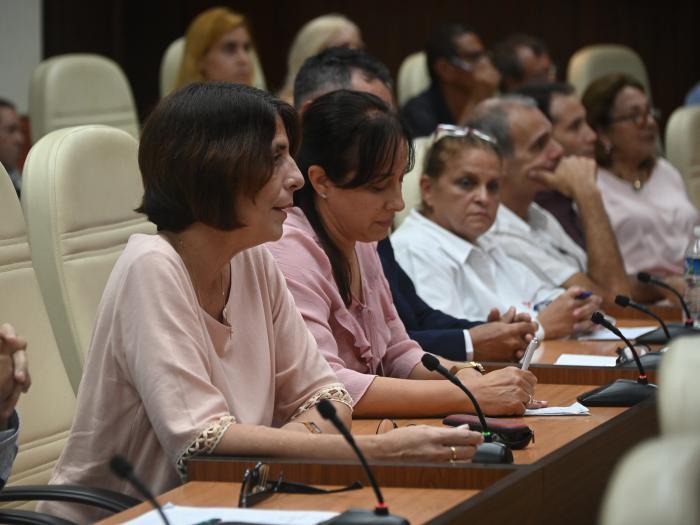
Findings were presented during a regular working meeting between Cuban President Miguel Díaz-Canel Bermúdez, First Secretary of the Party Central Committee, and the country’s leading scientists and public health experts. Dr. Julio Baldomero Hernández, Director of Clinical Research at CIGB, told attendees that 80% of trial participants — 240 out of 300 total patients — achieved full remission or low disease activity by the end of the 45-day treatment window. This marks an absolute improvement of more than 45 percentage points over outcomes from historical control groups receiving standard conventional care.
At the 12-week post-treatment follow-up assessment, the share of patients with either recovery or sustained low disease activity climbed to 86.7%. This rate far outpaces the 50% efficacy benchmark reported in earlier observational studies and for existing conventional Chikungunya treatments. Crucially, the trial confirmed Jusvinza delivers consistent benefits across all patient subgroups: it works for individuals in early post-acute stages of infection as well as those with long-standing chronic Chikungunya, significantly outperforming both the untreated natural progression of the disease and standard treatment protocols, Dr. Hernández emphasized.
Originally developed to target rheumatoid arthritis and other autoimmune disorders, Jusvinza has already established a track record of broad clinical utility. It previously played a key role in Cuba’s public health response to the COVID-19 pandemic, demonstrating efficacy in managing a range of inflammatory virus-related complications.
While the Phase 3 trial results are overwhelmingly positive, the therapy has not yet received regulatory approval for widespread clinical use. Researchers plan to imminently submit a full marketing and clinical use application to Cuba’s national regulatory body, the Center for State Control of Medicines, Equipment and Medical Devices (CECMED), to secure the necessary authorization for general therapeutic use.
-
The transformations are not a shift toward capitalism; they are the updating of an innovative socialist model
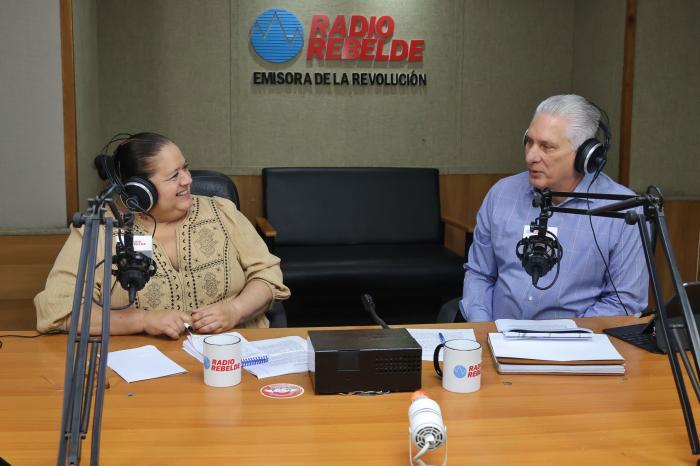
On September 24, 2026, Cuban President Miguel Díaz-Canel Bermúdez, who also serves as First Secretary of the Party Central Committee, launched a new biweekly radio program titled *Criterio Compartido* (Shared Views) aired on Radio Rebelde, designed to create a direct, unfiltered channel of communication between the national leadership and the Cuban public. Framing the show as an innovative mechanism for grassroots engagement, Díaz-Canel opened the debut broadcast by emphasizing that every citizen’s input holds weight, confirming that all incoming calls and public comments—even those not selected for live broadcast—would be formally documented, categorized, and routed to relevant government bodies for official follow-up.
The premiere episode featured live calls from listeners across Cuba’s diverse regions, who raised a range of pressing daily concerns that reflect the challenges currently facing Cuban households. A caller from Cienfuegos pointed out the persistent implementation gap between national policy and local execution, calling for strengthened oversight to ensure central-level decisions deliver tangible results at the community level. A woman from Arroyo Naranjo shared a decade-long struggle to secure access to an unused plot of land for food production, noting that despite a positive official assessment from the Ministry of Agriculture, her request has not yet been approved. She added that she is part of a nationwide network of 101 women-led productive plots, and asked the president to help resolve her long-standing case. Another caller from Contramaestre raised urgent questions about sky-high inflation and rising living costs, arguing that current wages and pension benefits are no longer sufficient to cover basic household needs. An 88-year-old retiree echoed this concern, describing the daily difficulties of making ends meet on a fixed pension and urging that upcoming economic reforms prioritize support for vulnerable older adults. One listener also pressed the president on Cuba’s ongoing fuel shortages, asking if the government had secured new fuel supply agreements with allied nations.
In his candid response, Díaz-Canel acknowledged the acute severity of the current fuel crisis, confirming that despite exhaustive diplomatic and logistical efforts, no fuel shipments have reached Cuba from global markets in nine months. He placed full blame for this crisis on the extraterritorial energy blockade imposed by the United States, which was expanded under the Trump administration’s second executive order, cutting off Cuba’s access to international fuel markets. The president also outlined the wide-ranging ripple effects of the blockade across the Cuban economy: persistent electricity deficits, interrupted drinking water supplies, widespread flour shortages at bakeries, ongoing shortages of liquefied gas, and systemic disruptions to public transportation. Pushing back against narratives that attribute Cuba’s challenges solely to internal inefficiency or state failure, he described the US blockade as a criminal policy that has crippled the country’s ability to sustain normal economic activity.
A central core of Díaz-Canel’s message during the broadcast was the critical need to rebuild and expand domestic productive capacity. “The country must produce. It cannot keep hoping to solve everything through imports,” he stressed, adding that administrative price controls alone cannot resolve the country’s inflation crisis. Long-term price stability, he argued, can only be achieved by increasing domestic output, growing overall national wealth, and expanding the supply of goods available to the public. The president acknowledged that the Cuban public will judge the government’s ongoing economic and social transformations by their tangible impact on daily life, noting, “Until we see the results of these transformations on the dinner table, at the pharmacy, and in the hospital, there will be no satisfaction.” He summed up the core goals of the current reform process in three simple terms: more production, more jobs, and higher wages.
Addressing widespread public concern that the expansion of market mechanisms and the non-state sector signals a shift away from socialism toward capitalism, Díaz-Canel offered a clear, unambiguous rejection of that idea. “These transformations are neither a turn toward capitalism nor a process of capitalist restoration,” he stated. “They are the updating of our economic and social model within a socialist framework—one that must also be innovative.” The president emphasized firmly that there would be no return to capitalism in Cuba, noting that even with the inclusion of private enterprise, market activity, and foreign investment, ultimate authority remains with the Cuban people through their state and party institutions. “The market is a tool, not a master—as it is in capitalism,” he explained, adding that centralized planning, the leading role of the state and the Communist Party, and popular oversight will continue to govern how these tools are used.
Díaz-Canel also reaffirmed the government’s commitment to ongoing grassroots dialogue throughout the reform process, acknowledging that implementation errors are inevitable and that the government will adjust course based on public feedback. “These transformations will truly work if we participate as a people, exercise oversight as a people, make demands as a people, and get involved as a people,” he said. He also emphasized that all reforms must prioritize a strong social dimension to prevent growing inequality, highlighting existing protection measures for retirees and vulnerable groups, including targeted subsidies, special support programs, and a dedicated social development fund.
On the topic of renewable energy transition, the president shared positive progress updates: Cuba has already installed 1,418 megawatts of renewable energy capacity across 144 photovoltaic solar parks, with total capacity expected to cross 1,500 megawatts by the end of 2026. Currently, 21.4% of Cuba’s total electricity generation comes from renewable sources, with solar systems installed in public health facilities including polyclinics, hospitals, maternity wards, and nursing homes. The country is also progressing on a project to decouple water pumping operations from the national electric grid, reducing strain on the system and improving resilience.
Closing out the debut broadcast, Díaz-Canel responded to recent interventionist statements from former US President Donald Trump, describing them as “utterly arrogant, high-handed, and interventionist” that reflect a “genocidal, criminal mindset and the contempt directed toward Cuba.” He accused the United States of deliberately spreading false narratives that Cuba is a failed state to shift blame for the humanitarian harm caused by the decades-long blockade. Closing with a forceful defense of Cuban sovereignty, he declared, “Cuba’s freedom arrived on January 1, 1959, with this Revolution; we are not going to lose that freedom—we are going to defend it.”
-
PAM’s Convention 60 set to bring new energy, entertainment and participation to Constituency 4
Basseterre, St. Kitts – September 23, 2026 — Four days from now, on Sunday, September 27, the small community of Verchilds will play host to a landmark political gathering when St. Kitts and Nevis’ People’s Action Movement (PAM) opens the doors to its 60th National Convention at the Samuel-Williams Playfield, kicking off the official program at 4:00 p.m.
This convention arrives at a defining turning point for the 60-year-old opposition party. Earlier this month, members voted to elect Dr. the Hon. Shawn Richards as the party’s sixth political leader, and Convention 60 will serve as the first formal introduction of this new leadership body to PAM’s full national membership. The event will also host a formal vote to ratify the party’s newly selected executive committee, cementing the leadership transition ahead of upcoming political cycles.
Adding a prominent regional perspective to the diamond anniversary celebration, the convention has tapped Jamaica’s Hon. Alando Terrelonge, Minister of State in Jamaica’s Ministry of Foreign Affairs and Foreign Trade, to serve as the keynote speaker. Terrelonge brings a wealth of diverse experience to the role. Raised in the Grants Pen community of St. Andrew, Jamaica, he completed his legal education at the University of the West Indies and Norman Manley Law School before earning a competitive Chevening Scholarship to pursue postgraduate studies at the United Kingdom’s University of Warwick. Early in his career, he worked in Madrid on projects focused on democratic governance and global peace and security, before returning to Jamaica to build a profile as a respected commentator on legal, political, and social issues ahead of his entry into elective politics. Over the course of his public service career, Terrelonge has held portfolios covering education, youth development, information, culture, gender equity, entertainment, and sport, giving him a broad, cross-sectoral perspective on Caribbean political and social issues.
Unlike traditional, formal political conventions, PAM has structured the 60th gathering around active engagement from attending delegates. Organizers have framed the event as a rally-style convention, with scheduled presentations from party candidates and constituency representatives paired with non-stop entertainment running through the afternoon and evening. Delegates are encouraged to dress comfortably to fully participate in interactive sessions, as the new leadership looks to build direct connections with the party’s base. To further boost engagement, the convention will offer a number of giveaways: all attendees will be eligible to win door prizes including $75 USD Amazon gift cards, with a grand prize Apple iPad up for grabs in a general raffle.
For newly elected leader Dr. Richards, the convention is more than a milestone celebration—it is a launchpad for the party’s next chapter. “The evolution of PAM into a bold and forceful opposition party is underway,” he explained. “As the main opposition in St. Kitts and Nevis, we intend, under my leadership, to excite the base again as we go forward with the one intention to form the next government.”
Founded in 1965, PAM marked its 60th anniversary as a political organization in 2025, making this year’s national convention an official capstone to the year of diamond anniversary celebrations. With fresh leadership at the helm, a distinguished guest speaker from across the Caribbean, an interactive, participation-focused format, and clear goals for future growth, Convention 60 positions PAM to unify its members and supporters as it charts a course for the upcoming electoral cycle.
-
Global Partnership launched to advance equity and transform Sickle Cell Care
On September 23, 2026, a landmark new global initiative aimed at closing gaping disparities in sickle cell disease care around the world officially launched at a high-level event in New York, with the Federation of Saint Kitts and Nevis stepping into a leading role to drive forward this critical global health action.
Dubbed OneSCD: A Global Partnership to Advance Equity and Transform Sickle Cell Care, the initiative unites a broad coalition of international stakeholders, all bound by a shared goal: to expand universal access to high-quality care for people living with sickle cell disease and eliminate systemic gaps that leave marginalized communities underserved. Attendees at the launch included representatives from the World Health Organization (WHO), UNICEF, the Africa Centres for Disease Control and Prevention, St. Jude Children’s Research Hospital, frontline medical professionals, patient advocacy groups, and other global health partners. The Honourable Dr. Geoffrey Hanley, Acting Prime Minister of Saint Kitts and Nevis, led the federation’s delegation at the event, speaking on behalf of Prime Minister and Health Minister Dr. Terrance Drew.
In his address, Hanley emphasized that Saint Kitts and Nevis was proud to co-host an initiative dedicated to translating breakthroughs in medical research into tangible, life-changing improvements for the millions of people impacted by this genetic blood disorder. “No child’s opportunity to live a full and healthy life should be determined by the circumstances of their birth or the country they call home,” Hanley stated.
He went on to acknowledge that while medical science has delivered major advances in early detection, evidence-based treatment, and complication prevention for sickle cell disease in recent decades, access to these life-saving tools remains deeply unequal across regions and income groups. This global inequity is what the OneSCD partnership was designed to address.
Hanley also outlined the concrete steps Saint Kitts and Nevis has already taken at the national level to strengthen sickle cell care and broader hematology services. These investments include upgrades to the country’s national Blood Bank, expanded community blood donation programs, the reactivation of a centralized national blood donor registry, and financial support through the Children’s Medical Fund for eligible families whose children need specialized medical treatment abroad.
He further highlighted Prime Minister Drew’s long-standing, personal advocacy for improved sickle cell care across the Caribbean region. That advocacy includes ongoing collaborations with leading medical specialists in Germany, and a landmark call Drew made during his 2024 tenure as Chairman of the Organization of Eastern Caribbean States (OECS) Authority to establish regional centers of medical excellence, including a dedicated facility for sickle cell disease treatment and research.
For Hanley, OneSCD represents a rare, critical opportunity to scale up national and regional progress through coordinated global collaboration. By pooling shared expertise, directing targeted investment to under-resourced health systems, and centering equity in every aspect of its work, the partnership can turn fragmented local efforts into cohesive global action. “Through this partnership, let us move from fragmented efforts to coordinated action, and from unequal access to a future in which quality sickle cell care is available to every child and adult who needs it,” Hanley said.
The federation of Saint Kitts and Nevis has fully endorsed the OneSCD partnership, framing it as a transformative step toward uniting the global community behind a coordinated response to sickle cell disease. The initiative’s ultimate goal is to ensure that cutting-edge treatment and high-quality care finally reach the underserved people and communities that need it most.
-
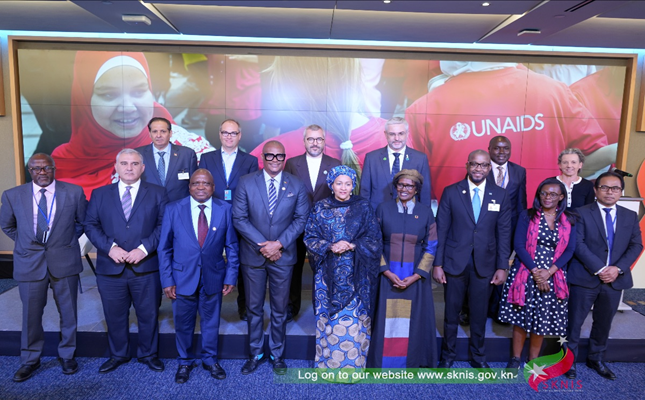
“Our task is not to wind down UNAIDS”: Acting Prime Minister Hanley tells UNGA81 side event
NEW YORK, September 24, 2026 — At a high-profile side event coinciding with the 81st session of the United Nations General Assembly, the Acting Prime Minister of Saint Kitts and Nevis, Hon. Dr. Geoffrey Hanley, delivered a resolute plea to the global community: reject any plans to downsize or wind down the Joint United Nations Programme on HIV/AIDS (UNAIDS), and instead commit to sustained, robust funding and international collaboration to meet the 2030 target of ending AIDS as a public health threat.
Dr. Hanley opened the UNAIDS Transformation Side Event by framing the ongoing fight against HIV/AIDS as both an urgent political priority and a defining measure of global collective solidarity. For small island nations like Saint Kitts and Nevis, and across the broader Caribbean Community (CARICOM) bloc, UNAIDS has proven irreplaceable, he explained, providing indispensable strategic direction, specialized technical expertise, and data-driven insights that underpin the design of effective national and regional HIV response policies.
“For Saint Kitts and Nevis, and indeed across the entire CARICOM region, the response to HIV/AIDS is not only a political imperative, but a profound test of our collective solidarity and our commitment to ending a pandemic that has taken too many lives,” Dr. Hanley told attendees, which included global leaders, public health stakeholders, and AIDS response advocates.
While acknowledging the meaningful progress that the global community has made in curbing the spread of HIV and improving access to life-saving treatment over the past four decades, Dr. Hanley emphasized that the mission remains far from complete. Hitting the 2030 end-goal, he stressed, depends entirely on three core pillars: unwavering political commitment from all member states, deepened cross-border international cooperation, and a fully empowered, resourced UNAIDS to coordinate the global response.
Dr. Hanley also highlighted the organization’s longstanding leadership in keeping HIV/AIDS at the top of the global policy agenda, noting that UNAIDS has consistently provided critical technical and political backbone for every UN General Assembly High-Level Meeting focused on the pandemic, helping align global action around shared targets.
“Our collective task is not to wind down UNAIDS, but to support it, fully resource it, and leverage its unique multisectoral expertise to end AIDS once and for all,” Dr. Hanley stated.
He pointed to the 2026 UN High-Level Meeting Political Declaration as clear proof of the global mandate for this approach, noting that the document explicitly calls on member states to expand support, utilize UNAIDS’ unique capabilities, and provide full, consistent resourcing for the Joint Programme.
In closing, Dr. Hanley reaffirmed the government of Saint Kitts and Nevis’ unwavering commitment to partnering with CARICOM, UNAIDS, and the entire global public health community to accelerate progress, remove gaps in access to care, and deliver on the shared promise of eliminating AIDS as a public health threat by 2030.