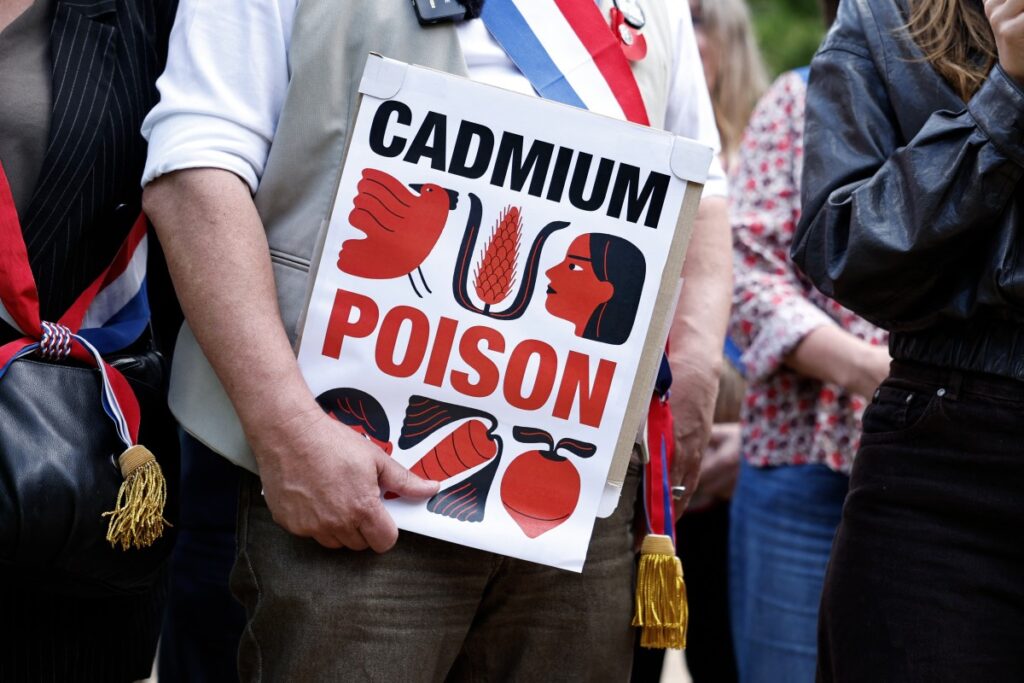
PARIS, France – In a historic, unanimous vote held Tuesday in France’s National Assembly, lawmakers officially enshrined the French state’s partial accountability for the widespread, long-lasting damage inflicted on Guadeloupe and Martinique by decades of unregulated use of the highly toxic pesticide chlordecone. The vote marks a turning point for local communities that have spent years fighting for recognition of the harm caused by the chemical, which contaminated entire populations and ecosystems in France’s Caribbean overseas territories.
Chlordecone, sold commercially under the brand name Kepone, was deployed extensively across banana plantations in Guadeloupe and Martinique from 1972 to 1993 to control invasive weevil populations. A notable regulatory double standard exposed decades of government inaction: France formally banned chlordecone for use on mainland French territory in 1990, yet granted a three-year extension for its continued application on the two Caribbean islands, allowing the toxic chemical to spread further into soil and water reserves.
The bipartisan legislation adopted Tuesday formally states that the French state acknowledges its share of responsibility for the multi-faceted harm resulting from chlordecone’s prolonged use, encompassing severe public health crises, moral injury, widespread environmental destruction, and long-term economic damage to both island territories and their resident populations. The bill had already secured full approval from the French Senate in an earlier vote, moving it quickly to final passage in the lower chamber.
According to data from France’s national food, environmental and occupational health safety agency ANSES, nearly 90 percent of the populations of both Guadeloupe and Martinique currently carry detectable levels of chlordecone contamination in their bodies. The toxic compound has been definitively linked to elevated rates of multiple aggressive cancers: prostate cancer incidence in both territories ranks among the highest globally, and the chemical is also associated with higher rates of stomach and pancreatic cancer. ANSES research has additionally documented that chlordecone causes serious damage to the nervous system, reproductive function, hormonal balance, and critical organ function including cardiac health.
Public health warnings about the dangers of chlordecone date back decades: a 1979 World Health Organization assessment confirmed the compound caused cancer in laboratory mice and rats, and concluded it posed a clear carcinogenic risk to humans. It was not until 2009 that the Stockholm Convention on Persistent Organic Pollutants enacted a global ban on the production and use of the chemical.
Beyond formal recognition of state responsibility, the new law sets two binding core goals for the French government: completing full decontamination of all chlordecone-polluted soil and water reserves across the two territories, and delivering full financial compensation to every individual harmed by the contamination. Elie Califer, the Guadeloupe-based Socialist lawmaker who sponsored the bill, described the compromise legislation as a critical step toward repairing the deep erosion of public trust between the overseas territories and the Paris government. Even so, Califer emphasized that substantial additional work remains to deliver full reparations to affected communities.
Olivier Serva, another Guadeloupean lawmaker, acknowledged he was not completely satisfied with the final legislation, but noted that the vote represented significant progress, given that the French state initially refused to admit any level of responsibility for the contamination crisis. Tuesday’s historic vote comes one week after the National Assembly voted to repeal a set of outdated 19th-century slavery laws that remained on the French statute books decades after the formal abolition of slavery in 1848. Historical records show that between the 17th and 19th centuries, more than one million enslaved African people were forcibly transported to French Caribbean colonies, where most were forced to work on the same sugar and banana plantations that remain central to the region’s economy today.
Activists have long drawn a connection between the ongoing harms of chlordecone contamination and the persistent legacy of colonialism, pointing to systemic inequalities between mainland France and its former colonial overseas territories that prioritized agricultural industry profits over the health and safety of local populations. Serge Letchimy, a senior official from Martinique, hailed the vote as a critical breakthrough that shatters a long-standing system that suppressed the truth, shielded responsible parties from accountability, and disregarded the suffering of victims.
In a parallel development that will unfold later this month, the Paris Court of Appeal will rule on whether to reopen a criminal investigation into the chlordecone contamination scandal. Three years ago, investigating magistrates closed the original case, arguing that the statute of limitations had expired to secure convictions against responsible parties.