作者: admin

  • Dominican artist Ilyas Nassief gears up for upcoming Old Mill exhibition exploring Identity, memory and cultural connection

    Dominican artist Ilyas Nassief gears up for upcoming Old Mill exhibition exploring Identity, memory and cultural connection

    For internationally recognized Dominican-born artist Jean-Claude Elias Nassief, better known by his professional name Ilyas Nassief, art has always been a mirror that reflects the full arc of a life shaped by movement, learning, and rediscovery. This month, he prepares to open his most personal exhibition to date, titled *The Return Series*, a collection of works rooted in themes of cross-border migration, collective and personal memory, evolving cultural identity, and the quiet joy of returning to one’s creative roots after a long journey away from the canvas.

    Nassief’s artistic path began in his home country of Dominica, where he was born in June 1968. He pursued formal artistic training in the United States, cutting his teeth in printmaking at Miami Dade Community College before completing his fine arts degree at the prestigious Maryland Institute College of Art. Over the decades, his work has earned global acclaim and widespread recognition across multiple creative fields: in 1995, he took home first prize in the highly regarded Lime Calendar Cover Design competition, and his art has graced the covers and pages of prominent publications including *Miambiance* magazine, *France-Antilles* newspaper, and *Domnitjen Magazine*. His work has been featured in international exhibitions spanning from Vienna’s Art Exchange to the Cezanne Center in Saudi Arabia, CARIFESTA 2019 in Trinidad and Tobago, and the Gallery of Caribbean Art in Barbados, alongside solo and group shows across the Caribbean with titles like *Repetition*, *Glimpses of Contrast and Sameness*, and *All Must Go*.

    A defining chapter of Nassief’s creative journey came between 2000 and 2012, when he stepped back from full-time painting to explore other passions, most notably the academic study of Arabic language. Even as painting receded to the background of his life, it never fully left his creative identity, and when he returned to the canvas, he brought with him a new depth of perspective shaped by his years living abroad. After 25 years residing in Saudi Arabia — a period he describes as deeply enriching both culturally and intellectually — Nassief made the decision to relocate back to his native Dominica. The journey home was far from simple: bureaucratic red tape and complex logistical hurdles turned a planned move into a years-long struggle, with barriers that finally fell only in December 2025.

    Even after arriving home, limitations shaped the earliest works of what would become *The Return Series*: restricted access to professional art supplies left Nassief working with just three core pigments, a constraint that ultimately shaped the stripped-down, intentional aesthetic of his new pieces. That raw, focused approach aligns with the artistic philosophy Nassief has cultivated over his entire career, rooted in his foundational training in printmaking. His signature style blends classic print techniques including woodcutting and stenciling, balancing abstract non-figurative imagery with recognizable, relatable visual elements. Contrast, he says, has been a core theme of his work since he first began creating art: contrast between bold and muted hues, between organic and geometric shapes, between rough and smooth textures.

    “My art is based on a vision that goes beyond geographical limitations to embrace traditions that are universal and varied, much like the variety in all aspects of the world which surrounds us,” Nassief explained in his artist statement for the upcoming show.

    *The Return Series* brings together both earlier works created during Nassief’s time abroad and new pieces completed after his return to Dominica, revealing the recurring symbols, forms, and themes that have threaded through his entire creative practice. Rather than seeing a sharp divide between works created in different places and times, Nassief notes that core motifs often reemerge and are reimagined across new bodies of work, creating a cohesive creative language unique to his practice. This continuity, he argues, is inherent to all art: “art, in reality, is an expression of thought, directed by inspiration and what one sees as relevant or important.”

    A recurring symbolic throughline in the exhibition is the use of Madras fabric, a textile deeply tied to Dominican and broader Caribbean cultural identity. For Nassief, the fabric carries layered meaning that perfectly encapsulates his interest in cross-cultural connection. The textile takes its name from Chennai, India — where it has long been produced — and the word itself traces back to the Arabic term *madrasah*, meaning “place of learning.” This layered history, with connections to South Asia, the Arab world, and the Caribbean, embodies the interconnectedness that is central to his work.

    Unlike the direct observational tradition that defines much of European art, Nassief’s practice draws heavily on intuitive and abstract approaches rooted in Eastern and indigenous artistic traditions, aligning more closely with his personal creative perspective. Rejecting narrow definitions of art tied to national or geographic boundaries, he instead leans into the universal threads that connect creative practices across the globe, even as his own personal experiences and roots inevitably find their way into his work.

    As audiences prepare to engage with *The Return Series*, Nassief says he has no fixed expectations for how viewers should interpret his work. Instead, he hopes each person will find their own personal connection and inspiration in the canvases, a outcome that he considers the ultimate goal of any creative work.

  • Paper or digital? Students on CXC exam shift

    Paper or digital? Students on CXC exam shift

    The 2024 May-June examination season has kicked off across the Caribbean, marking a key milestone in the Caribbean Examinations Council (CXC)’s gradual shift from traditional paper-and-pen assessments to fully digital testing. But as regional secondary schools rolled out the first wave of digital exams for this term, student opinion remains sharply divided on the transition, with conflicting views on convenience, reliability, and long-term implications for testing integrity and learning culture.

    For some learners, the shift to digital formats brings clear practical benefits that address longstanding flaws of traditional paper-based testing. Tai Gill, a Lower Sixth student at Barbados’ elite Harrison College, noted that digital assessments are far more streamlined for objective, multiple-choice question sections. Unlike paper answer sheets that can be blown away by open classroom drafts or smudged during bubbling, digital interfaces let students select and adjust answers with a single click, eliminating unnecessary disruptions.

    Gill also highlighted major improvements for audio-dependent subjects like Communication Studies. In traditional paper-based listening exams, students seated far from the classroom speaker or teacher’s audio setup often struggle to hear playback clearly, creating unfair disparities between students based on their seating position. With digital testing, every student gets their own personal headphones connected to a dedicated testing device, ensuring consistent audio quality for all participants. “It removes the unfairness of trying to listen to a teacher from afar,” Gill explained.

    Even with these benefits, Gill and many other students still favor paper for extended written response sections and science-based exams. They argue that traditional answer sheets remain far more reliable for longer form work, especially when examinees need extra space for working through equations, drafting essay outlines, or organizing multiple reference materials such as data booklets during testing. “Instead of having limited desk space when you have a laptop, your answer sheet, your data booklet all at once, paper gives you more room to work,” Gill said. He added that many students also find writing on paper more comfortable, resulting in neater handwriting and a more natural testing experience that reduces unnecessary stress.

    Other students are fully committed to retaining traditional paper exams, citing a mix of cultural, practical, and ethical concerns. Na’Zyia Clarke, a student at Christ Church Foundation School, argued that preserving paper assessments is a way to maintain longstanding educational traditions amid a wave of rapid digital transformation. “Everything is going digital and online. I think we need to keep it old time-ish. We should stick to paper,” Clarke said.

    Her biggest worries around digital testing center on testing integrity and the growing role of artificial intelligence in academic work. Clarke pointed out that connected digital devices open new opportunities for students to cheat, while the broader shift to AI-integrated digital testing risks eroding core human skills that traditional assessments are designed to measure. “And just like you losing humanity in general and AI taking over,” she noted.

    For other students like Sarah Francis of Springer Memorial Secondary School, the main concern is technical reliability. Francis said she leans toward paper exams primarily because of widespread reports of technical glitches during earlier digital testing trials, noting that an unexpected computer crash or internet outage could derail a student’s months of preparation. Even so, she added that she could adapt to either format if required.

    The debate comes as the CXC moves forward with plans to transition all secondary school assessments to fully digital formats within the next three to five years. The regional examination body launched its first large-scale trial of digital and hybrid assessments in January 2024, with more than 10,000 students across the Caribbean participating in the pilot. While the CXC later described the pilot rollout as broadly successful, parents and education advocacy groups across the region have already raised a host of ongoing concerns, including inconsistent internet connectivity at testing centers, delayed exam starts, and insufficient access to dedicated devices for students at under-resourced schools.

  • Ecuador’s Maria Fernanda Espinosa kandidaat voor leiderschap VN

    Ecuador’s Maria Fernanda Espinosa kandidaat voor leiderschap VN

    A historic shift in the race for the world’s most prominent diplomatic role is taking shape, as veteran Ecuadorian diplomat Maria Fernanda Espinosa Garces has officially been put forward as a candidate for the next Secretary-General of the United Nations. The nomination was submitted Tuesday by the government of Antigua and Barbuda, a senior United Nations official confirmed to international news agency Reuters.

    Espinosa brings decades of high-level experience to the contest, with a long and distinguished track record in global diplomacy, multilateral cooperation and human rights advocacy. Between 2018 and 2019, she served as President of the UN General Assembly, holding one of the body’s most visible leadership roles before. She also previously served as Ecuador’s minister of both Foreign Affairs and Defense, giving her deep experience in national and international governance.

    With Espinosa’s entry into the race, the field of candidates vying to succeed incumbent Secretary-General António Guterres now stands at five. Notably, three of the five contenders are women, meaning the 2026 selection process could end with the appointment of the first female Secretary-General in the United Nations’ 81-year history. The election for this critical global leadership post is scheduled to take place later in 2026, and the successful candidate will begin a five-year term starting on January 1, 2027.

    The role of UN Secretary-General is widely regarded as one of the most influential positions in modern world politics. Tasked with leading the UN’s sprawling bureaucracy, the officeholder is responsible for advancing global peace and security, coordinating cross-border cooperation on a wide range of pressing global issues, from human rights protections and sustainable development to large-scale humanitarian response efforts.

    Guterres, who first took office in 2017, has spent his two terms navigating an unprecedented string of global crises, ranging from protracted regional armed conflicts to the accelerating impacts of climate change and the global COVID-19 pandemic. Whoever succeeds him will inherit a complex set of interconnected challenges, and will face the urgent task of rebuilding broad global confidence in multilateral cooperation at a time of rising geopolitical division.

    The presence of three women in the current candidate pool reflects a growing, years-long global demand for greater gender parity at the highest levels of international institutional leadership. For decades, advocacy groups have pushed for the United Nations to break the long-standing pattern of male-only leadership at the organization, arguing that greater gender diversity at the top will lead to more inclusive and effective global governance.

  • ABCAS Participants Return Home After UK Heritage Building Training

    ABCAS Participants Return Home After UK Heritage Building Training

    A cohort of vocational trainees from Antigua and Barbuda has completed an intensive specialized training course through the King’s Foundation Building Craft Programme in the United Kingdom, and has now returned to their home country ready to put their new expertise into practice. At the V.C. Bird International Airport, the returning group received a formal welcome from Dr. E. Jonah Greene, president of the Antigua and Barbuda College of Advanced Studies (ABCAS), the local institutional partner coordinating the skills initiative. As the trainees settle back into local life, they are preparing to roll out their updated competencies across heritage and construction projects across the twin-island nation.

    Per details shared by ABCAS, the UK-based training program was designed to immerse participants in two critical skill sets: time-honored traditional building crafts that are essential for restoring and maintaining historic structures, and cutting-edge climate-resilient construction techniques tailored to the unique environmental challenges facing small island developing states like Antigua and Barbuda. These skills directly address two long-term national priorities: preserving the country’s irreplaceable cultural heritage and building infrastructure that can withstand the growing impacts of climate change, including rising sea levels and more intense tropical storms.

    The training forms part of a sustained, coordinated national strategy to upskill local workers in high-demand specialized fields. By equipping Antigua and Barbuda residents with these niche construction and preservation capabilities, the initiative supports the country’s broader push to expand resilient infrastructure development and boost heritage tourism, a key economic driver for the nation. Moving forward, the newly trained cohort is expected to play a central role in advancing both conservation and sustainable development goals across Antigua and Barbuda.

  • St. Kitts and Nevis to launch 1st home porting cruise in Nov 2027, PM Drew confirms – WIC News

    St. Kitts and Nevis to launch 1st home porting cruise in Nov 2027, PM Drew confirms – WIC News

    The Caribbean federation of St. Kitts and Nevis is poised to claim a transformative new position in the regional cruise tourism industry, with Prime Minister Dr. Terrance Drew officially confirming the launch of the nation’s first-ever home porting cruise set for November 7, 2027. In a public announcement shared via official government social media channels, Drew revealed that he and his family will be onboard the inaugural voyage departing from Basseterre’s Port Zante, framing the project as a landmark turning point for the country’s tourism landscape and broader economic development.

    Unlike the traditional cruise stop model, where vessels only dock for a few hours and passengers leave limited economic impact on the destination, home porting operates as a game-changing structure: cruise itineraries begin and end at the host port. This model typically encourages travelers to arrive one or more days ahead of their departure date, or extend their vacation after the cruise concludes, translating to far greater spending across nearly every sector of the local tourism economy. Hotels, local restaurants, transportation providers, retail shops, independent tour operators and local attraction operators all stand to benefit from the extended visitor stays associated with home porting.

    The inaugural 2027 program will feature sailings on two of P&O Cruises’ flagship vessels, the Arvia and the Iona. The itineraries will connect St. Kitts and Nevis to 10 other popular Caribbean destinations, including Dominica, Antigua and Barbuda, Grenada, Curacao, Tortola, Saint Martin, Castries (St. Lucia), Bridgetown (Barbados), and Fort-de-France (Martinique).

    To accommodate the new operational demands of home porting, Port Zante will undergo major infrastructure upgrades centered on building a modernized cruise terminal. The upgraded facility will be engineered to handle higher passenger volumes and meet the expanded operational requirements that come with serving as a home port.

    Prime Minister Drew emphasized that the initiative delivers far more than just incremental growth to the country’s tourism sector. “This is tourism growth. This is economic transformation. This means hundreds of new jobs and opportunities for our people,” he stated. He also credited Minister Marsha T. Henderson and her entire ministry team for their persistent behind-the-scenes work and strong leadership that brought the project to fruition, noting that the initiative would not have become a reality without their sustained effort.

    Government and tourism officials project that home porting will act as a long-term economic driver for the federation, strengthening its competitive standing in the $35 billion Caribbean cruise industry while advancing the country’s ongoing tourism diversification strategy. The project is expected to generate sustained employment growth, lift overall visitor expenditure, and cement St. Kitts and Nevis’ status as a premier cruise departure and destination hub in the Eastern Caribbean.

  • Antigua and Barbuda advances CHOGM 2026 preparations following successful advance visits

    Antigua and Barbuda advances CHOGM 2026 preparations following successful advance visits

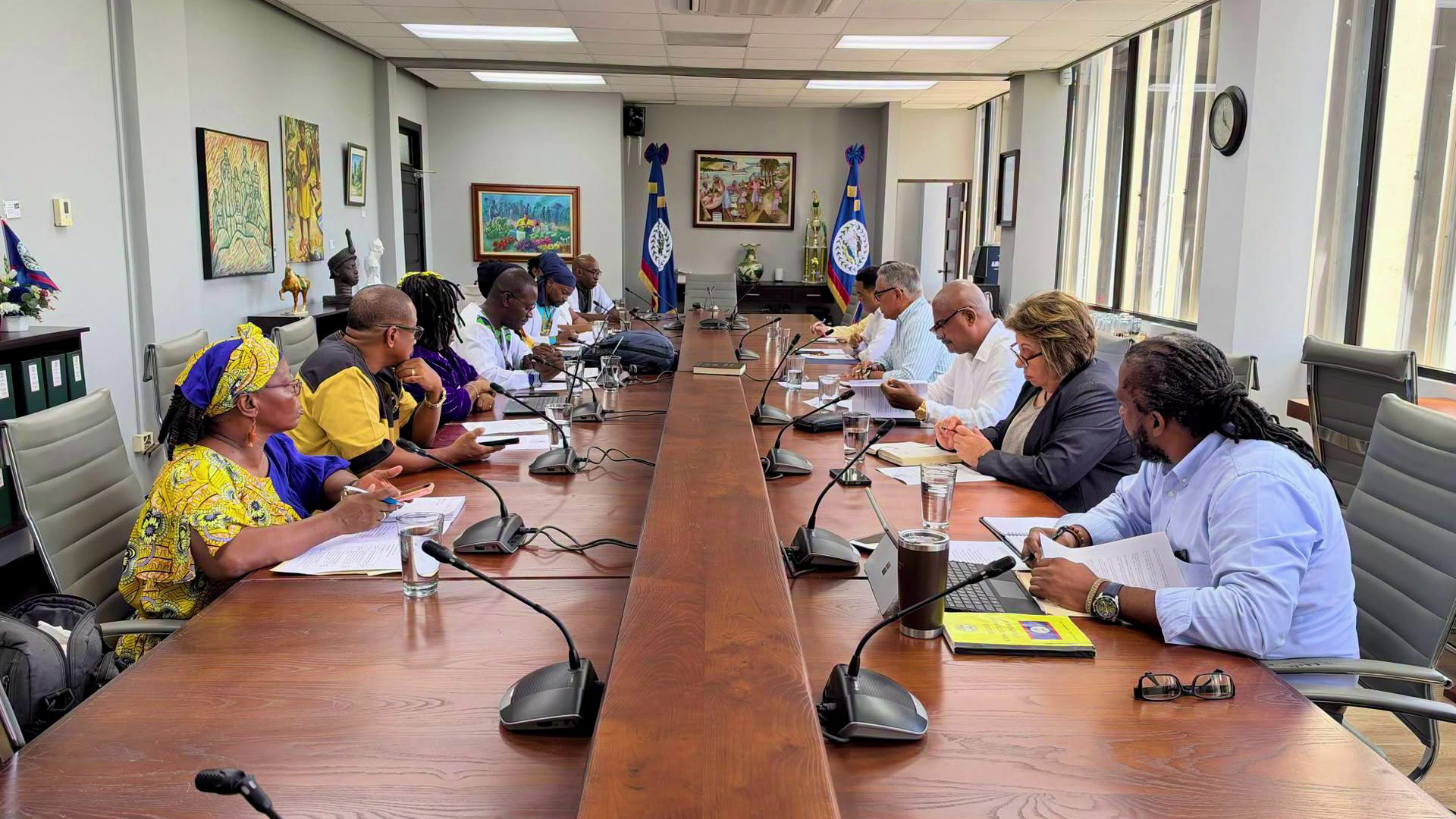
    St. John’s, Antigua – May 11, 2025 – As the countdown continues to the 2026 Commonwealth Heads of Government Meeting (CHOGM), set to take place across the Caribbean nation of Antigua and Barbuda from November 1 to 4, 2026, the host government has hit a key milestone in pre-event preparations. Three coordinated advance visits – two in-person engagements held April 28–29 and May 5–6, and a final virtual briefing on May 11 – have wrapped up successfully, laying critical groundwork for the high-profile diplomatic gathering.

    The pre-summit visits drew participation from representatives of 26 Commonwealth member states, alongside senior officials from the Commonwealth Secretariat, Antigua and Barbuda’s own CHOGM 2026 Taskforce, national government agencies, cross-functional protocol teams, security units, logistics coordinators and a wide range of other key stakeholders.

    During the visits, Antigua and Barbuda’s organizing team provided delegations with a full, detailed walkthrough of all planned preparations for what will be one of the Commonwealth’s most influential annual diplomatic events. Briefings covered every critical operational domain, from official protocol processes, delegate accreditation systems and streamlined arrival and departure procedures to enhanced immigration facilitation, pre-booked accommodation arrangements, inter-venue transportation plans, media operations infrastructure, cross-agency security coordination, programming for special high-level events, and logistical setups for the official Commonwealth forums and associated side events.

    The in-person visits offered visiting delegations a unique opportunity to connect directly with their Antiguan and Barbudan counterparts, meet the dedicated liaison officers assigned to each delegation, inspect on-ground operational setups first-hand, and flag any technical concerns related to their upcoming participation in the November summit. These interactive engagements have already tightened cross-stakeholder coordination across protocol, logistics, media services, transportation and delegate support, while reaffirming Antigua and Barbuda’s firm commitment to delivering a smoothly run, warmly welcoming summit for the entire Commonwealth community.

    For its part, the virtual advance engagement ensured that even delegations unable to travel for in-person visits received full access to all critical briefing materials and up-to-date preparatory information, leaving no participant out of pre-summit planning loops.

    Speaking on the completion of the advance visits, E. P. Chet Greene, Antigua and Barbuda’s Minister of Foreign Affairs, Trade and Immigration, emphasized the significance of the milestone for the host nation. “These visits have allowed Antigua and Barbuda to showcase just how far our coordination, preparation and planning for CHOGM have advanced,” Greene noted. “Welcoming the entire Commonwealth family to our shores later this year is both a tremendous honour and a serious responsibility. Our team is working tirelessly to ensure every delegation is received with warmth, efficiency and excellence, as leaders gather to discuss an urgent, important global agenda at this critical moment in world affairs.”

    Sir Vivian Richards, the designated CHOGM 2026 Envoy, echoed that sentiment, highlighting the national spirit that will define the summit. “Antigua and Barbuda is preparing to welcome the Commonwealth family with the core values that define our people: confidence, resilience, hospitality and national pride,” Richards said. “CHOGM 2026 is far more than just another diplomatic meeting; it is a moment for our small nation to stand proudly on the global stage and showcase everything we have to offer.”

    Key dignitaries including Sir Rodney Williams, Governor General of Antigua and Barbuda, took part in the closing receptions held for both in-person advance visits. Karen-Mae Hill, CHOGM Focal Point and High Commissioner, also joined both in-person visit delegations to support coordination throughout the process.

    The Government of Antigua and Barbuda has formally extended its gratitude to all participating delegations, national agencies, technical working groups, volunteer teams, service providers and partner organizations that have contributed to the planning and delivery of both the advance visits and the broader CHOGM 2026 project. Special recognition was given to the Ministry of Foreign Affairs for leading and coordinating all aspects of the advance visit program.

  • Baltimore Begins Duties as Agriculture Minister of State

    Baltimore Begins Duties as Agriculture Minister of State

    Randy Baltimore has officially stepped into his new post as Minister of State within Antigua and Barbuda’s Ministry of Agriculture, Lands, Fisheries and the Blue Economy, and he has identified targeted collaboration with and tangible support for local producers as his top priorities heading into the role. Monday marked Baltimore’s first full day on the job, a day he spent engaging in strategic working sessions alongside senior ministry leadership. He joined Cabinet-level Agriculture Minister Anthony Smith Jr. for discussions with the Permanent Secretary of the ministry and the department’s core technical team to align on early operational goals.

    During the introductory meetings, participants centered talks on upgrading and reinforcing the institutional frameworks that underpin the nation’s agricultural and fisheries industries. The talks also focused on aligning these system improvements with the broader development objectives the ministry has laid out for the coming term. Baltimore’s appointment comes at a critical juncture for the Caribbean nation, as the national government continues rolling out ambitious work to expand national food security programs and unlock sustainable growth in the blue economy, a sector that holds massive potential for job creation, export expansion and long-term economic resilience for the island nation.

  • President-commissaris Scheek ziet grote uitdagingen bij TAS

    President-commissaris Scheek ziet grote uitdagingen bij TAS

    On May 12, a key leadership appointment was formalized for one of Suriname’s most critical telecommunications regulatory bodies, marking a new chapter in the South American nation’s digital governance efforts. Emanuel Scheek has taken up the post of president-commissioner of the Telecommunicatie Autoriteit Suriname (TAS), during a shareholders’ general meeting held at the Presidential Cabinet.

    The installation ceremony was led by Raymond Landveld, Suriname’s Minister of Transport, Communication and Tourism, who stood in for President Jennifer Simons, who was unable to attend the event. In his remarks at the ceremony, Minister Landveld underscored the outsized regulatory importance TAS holds for Suriname’s fast-evolving telecommunications sector. He noted that both TAS and national telecom provider Telesur rank among the government’s core strategic institutions for the country’s digital ecosystem, emphasizing that TAS carries the formal mandate to oversee operations of Telesur and every other private and public telecommunications company operating across Suriname.

    Beyond routine market oversight, Landveld confirmed that the Surinamese government has tasked TAS with a high-priority additional responsibility: contributing substantially to the drafting and preparation of a landmark new electronic communications law. The new regulatory framework is designed to keep pace with rapid technological advancements reshaping the global and local telecom sector, updating outdated rules to match current industry realities, and TAS will bring its on-the-ground regulatory expertise to shape fit-for-purpose legislation and sector standards.

    In his first public remarks following his appointment, Scheek acknowledged the heavy workload ahead for the agency and his new leadership role, but expressed confidence that collaborative work centered on national interests will deliver tangible progress. “There is a great deal of work waiting to be done. But I am certain that if we work together and put national interest first, we will overcome the challenges ahead,” Scheek told attendees.

    The new TAS chief noted he did not accept the position lightly, saying the immediate coming months will be dedicated to aligning goals with TAS’s governing board, setting clear institutional priorities, and mapping out a strategic path forward. “The goal is for me to contribute my part in my own way, and we will adapt as developments unfold,” he added.

    Scheek also highlighted that he has existing professional ties with multiple members of the TAS board, having collaborated with them on prior initiatives. This existing working relationship, he said, creates a strong foundation to advance the shared goal of strengthening TAS as an independent, effective regulatory authority for Suriname’s telecom sector. “I look forward to a productive collaboration, so that we can deliver strong results and ensure TAS truly lives up to the standard of the authoritative regulatory body it is meant to be,” Scheek said.

  • No hantavirus in T&T

    No hantavirus in T&T

    Public anxiety over a purported hantavirus outbreak in Trinidad and Tobago was rapidly quelled on Wednesday by top national and regional health authorities, who confirmed that no confirmed or suspected cases of the virus have been detected in the country, and labeled widespread social media claims of school closures and national lockdowns as entirely fabricated misinformation.

    Minister of Health Dr. Lackram Bodoe was the first to issue a public reassurance, addressing the spread of false documents circulating online that claimed to be official Ministry of Health releases. The first fake statement claimed all schools across the country would close for two weeks in response to unreported community hantavirus detections, while a second forged document even alleged an imminent national shutdown and closure of all international airports. Speaking in an interview with local outlet TV6, Bodoe firmly condemned the spread of the false content, emphasizing that none of the measures outlined in the posts reflect official government policy. “There are zero confirmed or suspected cases of hantavirus in Trinidad and Tobago right now,” Bodoe clarified, pushing back against the panic stoked by the fake posts. He also noted that while the World Health Organization has reported a small cluster of cases linked to an international cruise ship traveling toward the Canary Islands, that event does not pose an immediate threat to the country, and there is no justification for widespread public alarm.

    Regional health leaders echoed the national government’s reassurance during a dedicated virtual press conference hosted by the Caribbean Public Health Agency (CARPHA). CARPHA Executive Director Dr. Lisa Indar confirmed that there is no evidence to suggest hantavirus is currently circulating in either Trinidad and Tobago or any other Caribbean nation, in the wake of the May 3 outbreak reported on the cruise vessel MV Hondius. She was joined at the briefing by other senior CARPHA officials, including the director of the Surveillance, Disease Prevention and Control Division Dr. Horace Cox, director of Corporate Services Dr. Mark Sami, and head of CARPHA’s Medical Microbiology Laboratory Dr. Gabriel Escobar.

    Indar explained that the underlying geography of the Caribbean makes sustained local transmission of hantavirus extremely unlikely: the specific rodent species that acts as the natural reservoir for the virus is not native to any Caribbean island, meaning there has never been a documented case of local hantavirus transmission anywhere in the region. While she stressed that the chance of any cases emerging in Trinidad and Tobago remains very low, Indar confirmed that CARPHA is prepared to investigate any suspected reports thoroughly alongside the Ministry of Health, and will not take potential threats lightly. She also addressed the wave of misinformation that has spread alongside the cruise ship outbreak news, noting that CARPHA is working closely with national health officials to correct false claims and provide the public with accurate, evidence-based information.

    In a clinical breakdown of the virus, Indar noted that the human-to-human transmission event linked to the cruise ship is extremely rare, and requires either intimate or extended close contact with an infected person to occur. The incubation period for hantavirus ranges from one to six weeks after exposure, and while there is currently no specific antiviral treatment approved for the infection, supportive care including oxygen therapy and close clinical monitoring can improve patient outcomes.

    As of press time, the World Health Organization has reported a total of eight confirmed and suspected hantavirus cases linked to the MV Hondius outbreak, including three fatalities. Indar noted that it remains unclear whether two recently reported cases in passengers from the United States and France are included in this global count. CARPHA is currently working alongside global health bodies, including the WHO, to maintain ongoing monitoring of the outbreak and track any potential spread to the Caribbean region.

    Even as officials emphasized that there is no current risk to local communities, Indar encouraged all Caribbean residents to maintain basic preventive hygiene habits that reduce the risk of a wide range of infectious diseases, not just hantavirus. These include regular and thorough handwashing, avoiding close contact with individuals showing signs of illness, and taking appropriate precautions when entering environments where rodents could potentially be present.

  • Tampering at fire scene

    Tampering at fire scene

    A months-long probe into a devastating commercial blaze at Trinidad and Tobago’s Globe City Plaza has been forced to an early end after unauthorized intruders compromised the fire’s origin site, law enforcement officials confirmed this week. The case has officially been classified as undetermined, with final procedural reports currently being compiled by the Central Division’s Fire Prevention Investigation team.

    Acting Deputy Chief Fire Officer Ansar Ali shared details of the botched investigation in a phone interview with local outlet *Express*, explaining that tampering with the secured crime scene left investigators unable to pinpoint what sparked the fire that destroyed a third of the Chase Village commercial complex two weeks prior. The probe had been advancing through a coordinated multi-agency cleanup effort, with the Trinidad and Tobago Fire Service (TTFS) partnering with the country’s Defence Force and Ministry of Works to remove thousands of tons of fallen rubble in a search for critical evidence of the fire’s cause. Given the scale of the blaze and the volume of debris to be moved, the site-clearing process stretched over several days, Ali noted.

    During the final stages of evidence gathering, however, investigators made a troubling discovery: intruders had breached the eastern perimeter wall of the burned section, gaining unauthorized access to the zone that had been formally identified as the fire’s point of origin. Once inside, the intruders removed critical evidence, including scorched wiring and building components to strip out sellable copper. “They pulled out all the wires and all the things that were burnt and they compromised the scene. All the electrical wires that were left, the copper wires, all of it was removed from the site,” Ali said.

    With the TTFS investigation formally closed, the case has now been transferred to the Trinidad and Tobago Police Service for further review. The massive fire broke out two Tuesdays ago at the multi-tenant complex, which hosts at least 15 separate small and medium businesses ranging from retail shops and food outlets to medical clinics and professional service providers. Founded by local businessman RS Jaglal, who also leads several connected firms including RS Jaglal Hardware Ltd and Globe Manufacturing and Marketing Ltd, the plaza is a key commercial hub for the Chase Village area.

    When the fire first broke out, the TTFS launched a rapid joint response from its Central and South Divisions, which lasted for nine consecutive hours. Firefighters’ efforts successfully protected more than 50 percent of the building, saving three major components of the complex: the front-facing hardware store, the western wing mall space, and an on-site foam factory. Ultimately, only three businesses suffered direct damage from the blaze, but the disruption extended far beyond the plaza’s walls: thick plumes of smoke blanketed the surrounding neighborhood, authorities were forced to close the nearby Chase Village overpass, and traffic backed up on both northbound and southbound lanes of the adjacent highway, leaving motorists stuck in multi-hour delays as emergency vehicles and onlookers crowded the area.

    An initial damage assessment pegs structural losses to the complex at roughly $4 million, Ali said, though a full accounting of total losses—including the value of destroyed inventory and business assets—will not be available until investigators can fully assess the contents of the burned section. Local elected official Jearlean John, Member of Parliament for Couva North, visited the fire site on the day of the blaze and expressed deep sorrow for the business owners who lost their livelihoods. “It is extremely sad when people sacrifice for their families, for their dreams to lose it all in this terrible and unfortunate event. I will visit the families,” John told *Express* via WhatsApp the day of the fire.