作者: admin

  • Heidi Lalor appointed to FEI Solidarity Committee, strengthening Caribbean voice in equestrian

    Heidi Lalor appointed to FEI Solidarity Committee, strengthening Caribbean voice in equestrian

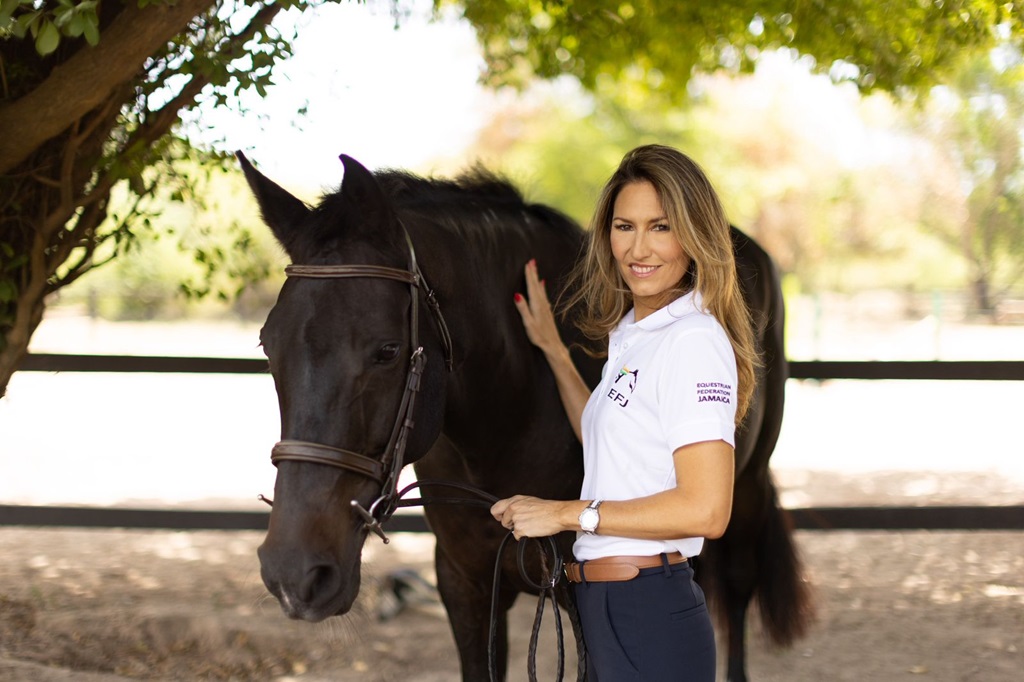
    A historic milestone for Caribbean equestrian sports has been reached, with Heidi Lalor, President of the Equestrian Federation of Jamaica (EFJ), earning a coveted seat on the prestigious FEI Solidarity Committee — the first appointment of a Jamaican representative to the high-level global body. The confirmation of Lalor’s appointment came during the FEI General Assembly held in Hong Kong, where she secured the seat representing Group IV, a regional bloc encompassing Canada, the United States, and all Caribbean nations. She takes her place on a diverse international panel that includes delegates from Qatar, Bolivia, Cambodia, Kenya, Uzbekistan, Finland, and Guatemala.

    Prior to this breakthrough, the Caribbean has seen limited representation on the committee from nations including Haiti, the Cayman Islands, and The Bahamas, making Lalor’s appointment a new chapter for regional representation in global equestrian governance. The appointment follows five years of transformative strategic leadership from Lalor at the helm of the EFJ, a period marked by effective stewardship of international development grants, expanded investment in athlete training and coach education, and growing participation in FEI World Challenge competitions across Jamaica.

    Reflecting on her selection, Lalor attributed the historic appointment to two key factors: aligned priorities with FEI’s global development initiatives, and a proven track record of growing equestrian sports across the Caribbean region. “My selection came from alignment with global programs that boost awareness and participation, like the Racehorse Retraining Programme and the Eventing World Challenge, paired with my track record of delivering results and promoting the sport across the Caribbean,” Lalor noted. She added that her five years of leading Jamaica’s national federation have delivered measurable progress: “We have seen rising motivation, growing volunteer engagement, new sponsorship opportunities, higher competitive standards, and the development of a new generation of certified officials under the Jamaican flag.”

    Lalor emphasized that her appointment is part of a broader trend of growing Caribbean influence in global equestrian circles, pointing to tangible progress across the region. Barbados now holds a seat on the FEI Board, while Trinidad and Tobago has built a consistent record of competitive success across Olympic disciplines using exclusively locally trained horses. Other regional nations, including the Cayman Islands, Bermuda, and The Bahamas, are also advancing their own FEI Solidarity-backed development projects.

    For Lalor, the appointment is also deeply personal, rooted in decades of support from FEI development programs. Since 2003, she has benefited from FEI-funded coaching initiatives across the Caribbean, training in Trinidad and Tobago, the Cayman Islands, and her home country of Jamaica. “I am a direct product of these development initiatives,” she explained. “They provided coaching education for local federations that lifted up athletes, and built the professional governance frameworks that allow national federations to effectively manage and grow the sport.”

    Now working directly alongside FEI President Ingmar De Vos — who also serves as Solidarity Chair and a newly appointed International Olympic Committee Board member — Lalor says her role will extend far beyond formal representation. She plans to actively drive inclusive global development of the sport. “This appointment proves that doors are opening for small island nations,” she said. “It gives me the opportunity to support multiple regional countries, assist with equitable funding allocation, and help shape the future of equestrian sport on a global scale.”

    Looking ahead, Lalor’s core priorities are clear: unify the Caribbean region to raise its global profile, and expand access to equestrian sports by creating more development opportunities on local islands. “My central goal is to continue lifting regional standards and creating more on-island access through professional courses delivered by FEI Solidarity,” she said, noting that expanded certification for local coaches and officials will be the foundation of long-term sustainable growth. She also highlighted the critical role of strong governance, noting that robust administrative frameworks build trust with international bodies and unlock sustained investment. “With solid governance in place, you gain greater confidence and more effective productive management, which paves the way for long-term development,” Lalor explained. “I am eager to elevate the Caribbean’s presence on the global stage with energy, inspiration, and a deep commitment to sustainable growth.”

    Despite the progress, Lalor acknowledges persistent challenges, most notably the gap between grassroots participation and elite international competition for small island nations. “Bridging that divide is always a unique challenge for island communities,” she admitted, “but with clear vision, a strong foundational framework, and intentional advocacy, programs like the FEI World Challenge Series can help close that gap.”

    Beyond infrastructure and funding, Lalor says her appointment carries an important message for young aspiring equestrians across the Caribbean and the globe. “It is critical for young people to see this level of international representation from our region,” she shared. “One of my first core goals when I became EFJ President in 2022 was to show young people that this pathway exists — that broader global opportunities come from active engagement with your national federation.”

    Her advice to emerging equestrian leaders is simple but impactful: “Whether you are an Olympian, a recreational rider, or a coach, show up for your National Federation. Stay committed, stay positive, put in the work, and the support will follow.”

    Founded in 2012, the FEI Solidarity program remains focused on core global missions: expanding access to equestrian sports, growing global participation rates, raising competitive and governance standards, and strengthening the interconnected global equestrian community.


  • Virus-hit cruise ship heads for Spain as evacuees land in Europe

    Virus-hit cruise ship heads for Spain as evacuees land in Europe

    MADRID, Spain — Spanish authorities announced Wednesday that the MV Hondius, a cruise ship affected by a fatal hantavirus outbreak that has claimed three lives, is on track to dock at the Canary Islands’ Tenerife within three days, with mass passenger evacuation operations set to begin on May 11. The outbreak has triggered international concern over potential spread, though top global health officials have moved quickly to reassure the public that the situation does not mirror the scale of the COVID-19 pandemic.

    Earlier on Wednesday, emergency response teams completed the evacuation of three individuals from the vessel: two symptomatic crew members and one close contact of a confirmed infection case. The ship had previously been anchored off the coast of Cape Verde, and after the evacuation operation was completed, it set sail for the Spanish archipelago. Medical personnel clad in full hazmat suits transferred the three evacuees from the cruise ship to a specialized ambulance boat, before the group was transported to Praia International Airport, Cape Verde’s main air hub in its capital, for onward travel.

    According to on-site AFP correspondents, a medical aircraft carrying two of the evacuated passengers touched down at Amsterdam Airport Schiphol in the Netherlands at 17:47 GMT. German emergency services confirmed they subsequently took custody of the third evacuee — the individual who had been exposed to an infected passenger on board — and transported the person to a specialized hospital in Dusseldorf for monitoring and treatment.

    Virology experts have confirmed that the strain of hantavirus detected on the MV Hondius is the Andes virus, an uncommon subtype that is the only known hantavirus capable of spreading from person to person. World Health Organization (WHO) expert Anais Legand explained to AFP that based on the virus’s 1- to 6-week incubation period, the initial index case on the cruise could not have contracted the virus during the voyage itself. The ship departed Ushuaia, Argentina on April 1, and the first fatality linked to the outbreak was recorded just 10 days later on April 11.

    Argentine health officials confirmed that the first couple killed by the virus had completed travel through Chile, Uruguay and Argentina before boarding the cruise in Ushuaia. In response to the outbreak, experts will travel to the southern Argentine port city to conduct testing on local rodent populations — the natural reservoir for hantavirus — to trace the origin of the infection.

    Global and national health authorities have actively sought to calm widespread public anxiety over a potential large-scale global outbreak, noting that hantavirus is significantly less transmissible than the SARS-CoV-2 virus that caused the COVID-19 pandemic. WHO Director-General Tedros Adhanom Ghebreyesus told AFP that the current situation is not comparable to the COVID-19 pandemic, emphasizing: “The risk to the rest of the world is low.”

  • Firestorm over dead witness’s statement dominates Klans trial for second day

    Firestorm over dead witness’s statement dominates Klans trial for second day

    A high-stakes criminal trial involving 25 alleged members of the Tesha Miller-affiliated Klansman Gang saw intensifying legal battles on Wednesday, as defense teams doubled down on efforts to block prosecutors from entering a key witness statement from a deceased woman into official court evidence. The core of the defense’s challenge centers on serious unresolved questions surrounding the woman’s formal identity.

    Prosecutors (referred to as the Crown in this jurisdiction) have been calling a sequence of witnesses to meet the legal criteria laid out in Section 31(D) of the country’s Evidence Act. This provision allows out-of-court statements to be admitted as evidence when a witness is unable to testify in person, a rule that applies in cases of death, severe illness, the witness being outside the court’s jurisdiction, or failure to locate the witness after exhaustive reasonable searches. The statement in question relates specifically to the 15th and 16th charges laid out in the grand indictment.

    The would-be witness, identified as Shanice Roberts, passed away in February 2021. Before her death, she provided a formal statement to law enforcement investigators about the February 7, 2020 murder of Noah Smith, which occurred at Yarico Place in St. Andrew. Four of the accused — Michael Wildman, Jerome Spike, Nashuan Guest, and Geovaughni McDonald — are standing trial on charges that they knowingly facilitated the robbery and killing that resulted in Smith’s death.

    Wednesday’s proceedings focused heavily on cross-examination of the detective constable who recorded Roberts’ statement on the night of the 2020 murder. Denise Hinson, the defense attorney representing Nashuan Guest, subjected the officer’s testimony to searching scrutiny. Hinson argued that the photographic exhibit entered into the record, which the detective identified on Monday as depicting the woman he interviewed the night of the killing, is actually not a photo of Roberts. The detective had previously told the Crown during his direct examination that he could recognize Roberts from her distinctive facial features, specifically noting she had a very small nose. The defense has pushed back hard, contending that the submitted photograph is too blurry for the officer to even make out the shape of her nose, undermining his identification.

    Hinson’s attempt to prove that the spelling of the woman’s name recorded by the detective did not match the spelling on official court records was unsuccessful. In response, prosecutors argued that variations in spelling were ultimately irrelevant to the case, emphasizing that the Crown only needs to prove the deceased witness and the person in the photograph are the same individual, regardless of minor name spelling discrepancies.

    Presiding Justice Dale Palmer ruled on the dispute, noting that recalling the witness solely to address a minor spelling discrepancy does nothing to resolve the core question of whether the person in the photo is actually Shanice Roberts. “It might not take us anywhere,” Palmer observed, later adding: “How does the spelling assist us in one way or the other even if it was a clear image?”

    With the judge indicating he would not allow a witness to be recalled to address Hinson’s spelling challenge, prosecutors announced they will outline next steps for their Section 31(D) application when the court reconvenes next Monday. Hinson and fellow defense attorney Sasha-Kay Shaw, who have both formally objected to admitting the statement, are scheduled to submit written legal arguments on the matter in the coming days.

    In a separate procedural ruling on Wednesday, the Crown secured judicial approval to amend the third and fourth counts of the indictment, despite fierce pushback from the defense team. The amendment corrects an incorrect date listed for the offense in question. Defense attorneys argued that the amendment would prejudice their clients — Tesha Miller, Rolando Jermaine Hall and Michael Wildman — who are named in these counts.

    Justice Palmer, however, rejected the defense’s objections. He noted that there had been no disagreement over the actual date of the offense during cross-examination of the only witness called so far for these counts. Furthermore, Palmer ruled that the amendment request was filed sufficiently early in the trial proceedings, and that defense teams already have more than enough time to adjust their strategies in response. The judge concluded there was no material prejudice to the accused as a result of the change.

    Following the ruling, all defendants formally entered a plea of “not guilty” when asked to respond to the amended counts. The trial is scheduled to resume later on Thursday, with additional procedural and substantive arguments expected to move the high-profile case forward.

  • NaRRA accountability call

    NaRRA accountability call

    In the wake of Hurricane Melissa’s catastrophic October 2023 landfall, which caused $12.2 billion in damage and erased 56% of Jamaica’s gross domestic product, the Jamaican government established the National Reconstruction and Resilience Authority (NaRRA) to lead the country’s recovery and rebuilding effort. But a leading transparency and accountability advocate is sounding the alarm over gaps in the NaRRA legislation, warning that the same government overreach that was recently struck down by the country’s Constitutional Court could become legally enshrined if reforms are not made.

    Jeanette Calder, executive director of the Jamaica Accountability Meter Portal (JAMP), laid out these concerns during a virtual address to the Kiwanis Club of Kingston on Tuesday, in a presentation titled *Trust, Power & Public Funds: Understanding the NaRRA Bill*. Calder anchored her warning in a landmark Constitutional Court ruling handed down in late April, which invalidated a 2020 environmental permit granted to Bengal Development Limited for a large-scale mining project in the ecologically fragile Dry Harbour Mountains of St Ann. The court found the permit unconstitutional after the Jamaican government overrode formal objections from the National Environment and Planning Agency (NEPA) and local communities, both of which warned the project would cause irreversible harm to the sensitive ecosystem.

    Calder pushed back against common claims that the NaRRA Bill is crafted to let the government outright bypass independent regulatory agencies entirely. Instead, she clarified, the legislation lets NaRRA control those bodies through a controversial “stepping order” mechanism. Under the bill’s terms, when a regulatory body like NEPA is asked to approve a reconstruction or infrastructure project, NaRRA’s appointed chief executive officer can set a mandatory deadline for the agency to issue a decision. If the agency fails to meet that deadline, or if the CEO simply disagrees with the agency’s technical or planning assessment, the stepping order allows NaRRA to override the regulator’s ruling entirely and issue the approval itself. Critically, the legislation includes no requirement to publicly disclose when NaRRA has chosen to disregard independent technical advice from regulators.

    Beyond the lack of transparency around overridden regulatory decisions, Calder identified two additional major accountability gaps in the bill: there is no explicit legal right for affected local communities to weigh in on projects that impact them, and the legislation does not codify a clear right to judicial review for contested NaRRA decisions. For Calder, this framework directly echoes the overreach the Constitutional Court condemned in the Dry Harbour Mountain case, risking embedding that same undemocratic practice into national law.

    Calder also drew attention to Section 26 of the NaRRA Bill, which exempts the new authority from the 2019 Public Investment Management System (PIMS) — a regulatory framework designed to guarantee value for public money on large-scale infrastructure projects by requiring a full pre-funding appraisal before any public funds are committed. This exemption is particularly concerning, she argued, because NaRRA’s mandate extends beyond hurricane recovery projects to include a portfolio of broad “national strategic projects” unrelated to post-storm rebuilding. While Calder acknowledged that proponents argue PIMS can slow project delivery, she stressed that the exemption creates a critical accountability risk that could open the door to wasteful spending of public resources.

    Perhaps the most pressing concern raised by Calder centers on governance oversight for NaRRA, which will manage a public budget totaling $6.7 billion USD, equal to roughly 1 trillion Jamaican dollars, at a time when public trust in government institutions is already low. Jamaica’s own 2012 Corporate Governance Framework requires independent governing boards for public entities to strengthen transparency, probity and decision-making effectiveness. Yet the NaRRA Bill does not include a formal governing board. Instead, the authority will be led by a single CEO appointed directly by the prime minister, supported by an advisory committee appointed by the relevant government minister.

    Calder emphasized that the advisory committee holds no actual legal authority: it cannot block or reverse any decision made by the CEO, the legislation does not require the committee to hold formal meetings, and ignoring the committee’s advice carries no legal consequences. Calder acknowledged that rapid reconstruction is a critical national priority after Hurricane Melissa’s devastation, but she argued that speed should never come at the cost of accountability for public funds and democratic decision-making. She called on the government to integrate robust transparency and accountability mechanisms into the final NaRRA legislation to avoid repeating the mistakes that led to the Dry Harbour Mountain constitutional conflict.

  • Delly Ranx Better Than Before

    Delly Ranx Better Than Before

    After decades of shaping the dancehall and reggae genres, iconic veteran artist Delly Ranx is launching a transformative new chapter of his musical journey with the release of his deeply introspective solo album *Better Than Before*, distributed through House A Stars/Pure Music Productions. For the seasoned performer, the album’s title is far more than a marketing hook—it is a raw, unfiltered reflection of his decades-long personal and artistic evolution.

    “The Delly Ranx of the past and the Delly Ranx of today are entirely different people,” the artist shared in discussing the project. “This version of me understands patience, trusts the process, and holds a deeper love for the Creator than ever before. Every day, we push ourselves to grow, and that same drive is what I poured into every track of this album.”

    Blending the rhythmic roots of reggae with the vibrant energy of dancehall, the 100% solo project draws directly from Ranx’s real-life journeys, personal hardships, and unshakable spiritual foundation. The artist revealed that the entire record was written and recorded during one of the most difficult periods of his life, turning personal struggle into creative fuel. “This was one of the hardest seasons I have ever walked through,” he explained. “I had to dig deep into my core and lean entirely on the Most High for strength and guidance. This isn’t just a collection of songs—it’s survival, faith, and raw, uncut emotion laid to rhythm.”

    Crafted with production support from Vigga and a small team of key collaborators, the album carries a distinctly mature sonic and thematic identity, mirroring Ranx’s growth as a songwriter and musical storyteller. In a departure from the common industry practice of packing projects with high-profile guest features to boost streams, *Better Than Before* includes no featured artists at all. From opening notes to the final closing track, every lyric, vocal, and creative choice is authentically his. “This is 100% Delly Ranx—my thoughts, my voice, my energy from start to finish,” Ranx emphasized.

    The record touches on a range of grounded, real-world themes, from love and relationships to betrayal and personal accountability. One standout track, *Love Scam*, produced by Upsetta Records with co-writing credits between Ranx and Dubee, is already projected to strike a powerful chord with Jamaican audiences, thanks to its honest narrative rooted in real experiences.

    Beyond sharing his own story, Ranx hopes the album will challenge limiting labels within the global music industry. “I don’t want to be boxed in as just a dancehall or reggae artiste,” he said. “I simply want to be known as an artist—full stop.” At 50 years old, Ranx also aims to inspire fellow creators of all ages to keep pursuing their craft, regardless of societal expectations around age. “I’m a 50-year-old youth still making music, still growing,” he noted. “That proves that if you have the will, there is always a way. Age is never a limit.”

    Looking forward, Ranx has outlined a robust global rollout for the album, including new music videos, international press interviews, and cross-regional tours. Beyond promoting his own work, he also plans to dedicate more time to mentoring emerging Jamaican artists, passing on the wisdom he has gained over his decades-long career. For Ranx, this project is more than a new release—it is the defining turning point of his professional legacy. “I want this album to be remembered as the turning point in my career,” he shared. “Something that inspires people and shows them they can always work to become better than they were before.”

  • No sideshows

    No sideshows

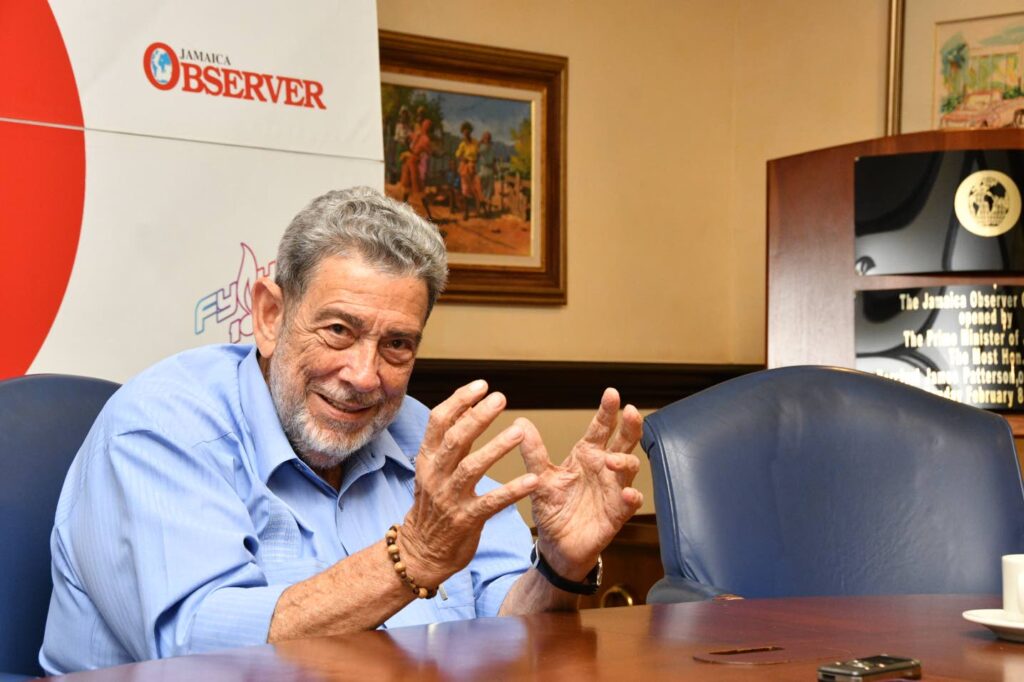
    In a candid address at the Jamaica Observer Press Club this Wednesday, Dr Ralph Gonsalves, former Prime Minister of St Vincent and the Grenadines and current senior advisor to the global Repair Campaign, issued a sharp rebuke of diversionary arguments meant to undermine the Caribbean’s decades-long push for reparatory justice for the atrocities of transatlantic slavery and colonial rule.

    Gonsalves centerd his remarks on pushing back against growing attempts by critics to shift the narrative of the reparation movement toward African involvement in the slave trade, framing these talking points as deliberate sideshows designed to draw focus away from the systematic role European governments played in building, expanding and profiting from centuries of human trafficking and exploitation. “One of the amazing things that persons who don’t want to confront reparation do is try to keep our minds from the central focus, and take us to sideshows, to distractions,” Gonsalves told attendees. “We have to be careful that we do not fall prey to distractions and sideshows. We have to keep our minds on the main event.”

    The veteran Caribbean politician outlined the core structural reality that underpins the reparation campaign, detailing how European state institutions actively orchestrated every stage of the transatlantic slave trade: from encouraging African groups to capture enslaved people, to building coastal forts to detain captives, to transporting them across the Atlantic on European ships, and finally selling them to work on exploitative colonial plantations across the Caribbean. This state-backed system of exploitation generated unprecedented wealth for European powers, while leaving lasting damage to Caribbean societies that persists to this day.

    Gonsalves also pushed back against a second common counterargument: that post-colonial development aid and trade concessions from former colonial powers like Britain amount to sufficient compensation for the harms of slavery. He rejected this claim outright, noting that any support the Caribbean has received is minuscule when measured against the trillions in wealth extracted from the region over centuries of colonial rule.

    To illustrate his point, Gonsalves cited the post-World War II preferential trade deal for Caribbean banana exports to Britain. Far from an act of altruism, he explained, the arrangement was rooted entirely in Britain’s own economic self-interest: after the war, Britain lacked enough US dollars to purchase bananas from Latin American producers, so it turned to its former Caribbean colonies to meet domestic demand. When Britain joined the European single market decades later, the preferential terms were revoked, leaving Caribbean producers to bear the economic costs. “It’s true we benefited, but they benefited too,” Gonsalves said, emphasizing that even these limited gains cannot offset the centuries of uncompensated exploitation.

    Beyond refuting counterarguments, Gonsalves redefined the framing of the reparation movement itself, rejecting attempts to dismiss it as a purely historical debate. Instead, he positioned the quest for reparation as a pressing modern human rights issue, aligned with a United Nations General Assembly resolution passed this past March that formally designated slavery as “the gravest of crimes against humanity.”

    “Secondly, the quest for reparation, in a practical sense, is meant to repair the many-sided legacies of underdevelopment, which can be sourced directly to native genocide and the enslavement of African bodies,” he added. Gonsalves drew a direct line between historical exploitation and modern Caribbean development gaps, noting that formerly enslaved people were granted freedom but no access to land, capital, education or generational wealth — a stark contrast to the generous compensation the British government paid to enslavers when it abolished slavery in the 1830s.

    The Repair Campaign, the initiative Gonsalves advises, was launched in 2022 by Irish businessman Denis O’Brien. It works in formal partnership with the Caricom Reparations Commission to coordinate advocacy, build public support, and develop actionable reparatory justice plans across all 15 Caribbean Community member states. The collective campaign continues to push European former colonial powers to acknowledge the scale of their historical role in slavery and provide tangible compensation to address the intergenerational harms that shape the Caribbean today.

  • Cruise ship caution

    Cruise ship caution

    Against the backdrop of a recent hantavirus outbreak linked to a cruise ship off West Africa that has left three people dead, Jamaica’s Ministry of Health has moved quickly to reassure the public that robust precautionary measures are in place to block the virus from reaching the country’s borders.

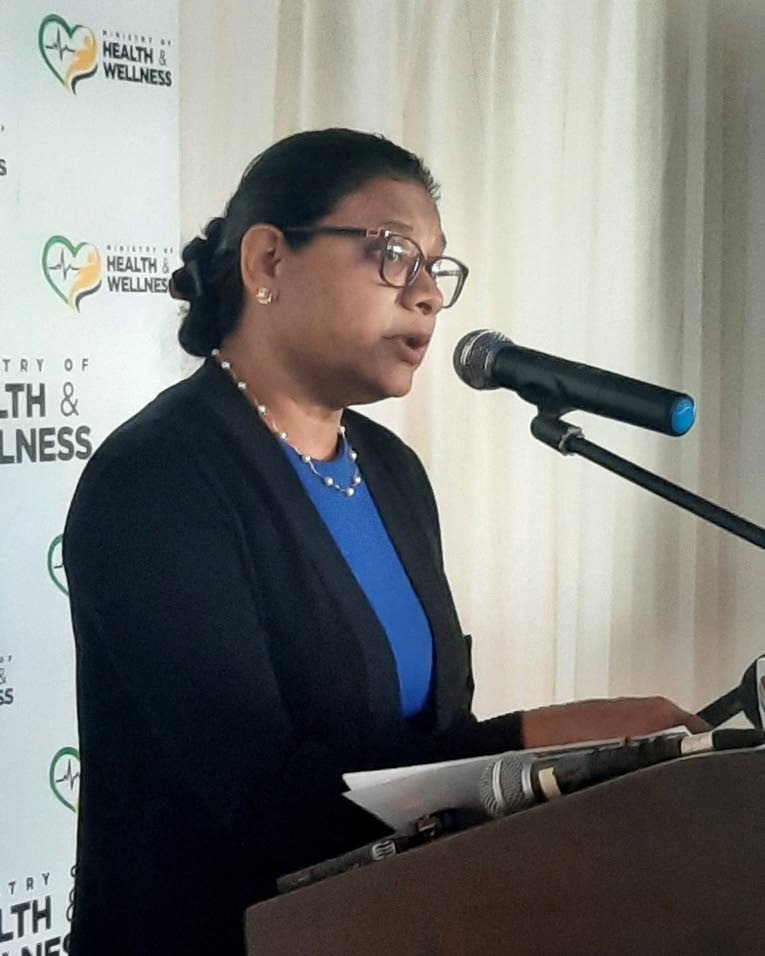
    With Jamaica long established as a major regional hub for international cruise shipping, authorities have identified vessel arrivals as the highest priority point of entry for enhanced monitoring. Speaking at a post-Cabinet media briefing Wednesday, Chief Medical Officer Dr. Jacquiline Bisasor-McKenzie outlined the government’s stepped-up vigilance, noting that while the World Health Organization (WHO) currently assesses the risk of global hantavirus spread as low, the island nation is leaving no room for complacency.

    “WHO’s current assessment pegs global transmission risk at low, but we are taking every possible step to stop the virus from entering Jamaica, especially through our cruise ports,” Bisasor-McKenzie said. “Given our status as a core cruise shipping hub, boosting our vigilance is a logical, necessary precaution.”

    Public health protocols for incoming cruise vessels have been strengthened around three core pillars: early detection, rapid clinical intervention, and minimizing public exposure risk. All cruise ships bound for Jamaican ports are already required to submit a full maritime declaration of health before docking, which lists any cases of illness on board during the voyage. Under the new enhanced protocols, local health officials will conduct more rigorous reviews of these pre-arrival reports, followed by on-board inspections to verify the information provided before clearance is granted.

    Bisasor-McKenzie also confirmed that all port health and environmental teams have completed updated sensitization training on hantavirus identification and response protocols, shifting the country’s response from reactive monitoring to proactive inspection.

    To address potential risks from the virus’s natural reservoir, Jamaican veterinary and environmental health authorities have already completed nationwide surveys of rodent populations, the primary reservoir for hantavirus, and found no evidence of the virus circulating among local rodent communities.
    Bisasor-McKenzie further explained key clinical facts about hantavirus to inform the public: the virus causes two life-threatening syndromes in humans, hantavirus pulmonary syndrome and hemorrhagic fever with renal syndrome. Initial infection presents with fever, before progressing to severe pneumonia, acute respiratory distress syndrome and potentially fatal shock. Symptoms develop between one and eight weeks after exposure, most commonly within a two-to-four-week window. The virus is primarily spread to humans through contact with infected rodents’ urine, feces or saliva. While human-to-human transmission is extremely rare, the Andes virus strain circulating in South America has been documented to spread between people through close contact with infected respiratory droplets or saliva.

    On testing capacity, Bisasor-McKenzie confirmed that Jamaica does not currently have on-island facilities to process hantavirus tests, but has established a reliable testing pathway through the Caribbean Public Health Agency (CARPHA), headquartered in Trinidad and Tobago. Recent upgrades to CARPHA’s sample transport network have cut delivery times and improved reliability for Jamaican samples, and the ministry is also in ongoing discussions with the Pan American Health Organization (PAHO) to secure additional testing partnerships with global collaborating centers.

    The heightened precautions come as eight cases of hantavirus – three confirmed, five suspected – have been reported on the cruise ship MV Hondius, currently anchored off the coast of West Africa, with three fatalities already recorded.

  • WE’LL BE BACK!

    WE’LL BE BACK!

    The final matchday of the Jamaica Premier League regular season delivered one of the most shocking results in the competition’s modern history, as five-time title winners Harbour View suffered a devastating 1-2 defeat to defending champions Cavalier at Stadium East on Wednesday, dropping the iconic club out of the top flight for the first time in 31 years. Harbour View, which last lifted the JPL trophy as recently as 2022, will compete in parish-level football next season after promotion to the top tier in 1993. This marked the club’s first absence from Jamaica’s premier men’s football competition since that 1993 promotion. A dramatic turn of events unfolded across the league’s simultaneous final matches, flipping survival hopes on their head in the final 45 minutes of the season. Harbour View seemed to have secured their top-flight safety for another season when Trayvonne Reid curled a stunning strike into the back of the net to put the club ahead in the 33rd minute. At that point in the afternoon, fellow relegation contenders Molynes United remained locked in a goalless draw against Treasure Beach, a result that would have sent Molynes down and kept Harbour View up. But when word filtered through the Stadium East stands that Molynes United had broken the deadlock to take a lead against Treasure Beach, a stunned silence fell over the Harbour View fan section. Players and supporters alike understood immediately: a win for Molynes would confirm Harbour View’s relegation regardless of their own result. Defending champions Cavalier, who entered the match fighting to secure one of the top six playoff spots on the final day, capitalized on the shifted momentum to turn the game on its head with two goals in just two second-half minutes. Both goals came from clinical headers, a finishing touch that ultimately sealed Harbour View’s fate. Adrian Reid opened Cavalier’s scoring with a well-placed header from a corner kick in the 76th minute, before Christopher Ainsworth nodded home a glancing low header just two minutes later to put the defending champions ahead. For Harbour View, the full-time whistle brought only heartbreak and the unthinkable end to their three-decade-long run in Jamaica’s top football division. For Cavalier, the come-from-behind victory sparked wild celebrations, after the club looked set to miss out on the playoffs and surrender their title defense before halftime. “We rallied like the champions we are,” said Cavalier assistant coach David Lalor, reflecting on his halftime team talk. “I just told the guys not to panic. We’d been playing well the whole first half, we just made one mistake that they put away. We could have been ahead earlier ourselves. I told them to relax, the chances would come, and in the end we got the result we needed.” The final standings confirm the drama of the day: Cavalier held onto the fifth and final playoff spot with 61 points, edging out Racing United who finished one point behind at 60 after a 4-0 win over Spanish Town Police FC. Molynes United held onto their top-flight spot, cementing their 2-0 win over Treasure Beach with second-half goals from Marlon Pennicooke (46′) and Odane Murray (62′), finishing the season on 42 points to avoid relegation. One of the other major shocks of the final day saw perennial title contenders Arnett Gardens miss out on playoff contention entirely. The club, which held a playoff spot entering the final day while Cavalier trailed, dominated Chapelton Maroons to a 7-2 victory but still fell short of the top six, finishing seventh on 58 points. Mount Pleasant FA secured the regular season championship with a 2-1 win over Montego Bay United, finishing the campaign atop the table on 74 points. Montego Bay United held onto second place with 71 points, while Portmore United claimed third with a 3-0 shutout of Tivoli Gardens, who finished 10th on 44 points. Waterhouse FC rounded out the top four with a 4-0 win over Dunbeholden, finishing on 65 points, while Dunbeholden ended the season ninth on 48 points. As Harbour View begins its transition to parish football, club chairman and founder Carvel Stewart, who helped establish the club in 1974, has vowed to prevent the historic side from fading into obscurity — a fate that has befallen other former JPL champions Santos and Boys’ Town. “We don’t plan to go the way of those former champions, and I will carry out a full review to make sure we pull through this,” Stewart told the Jamaica Observer. “We have a very bright, vibrant youth development system here, and we will bring those young players through. Some should have made the step up to the first team this year, but for reasons I am still looking into, that did not happen. We will fix that, and we will come back stronger.”

  • Broken bodies

    Broken bodies

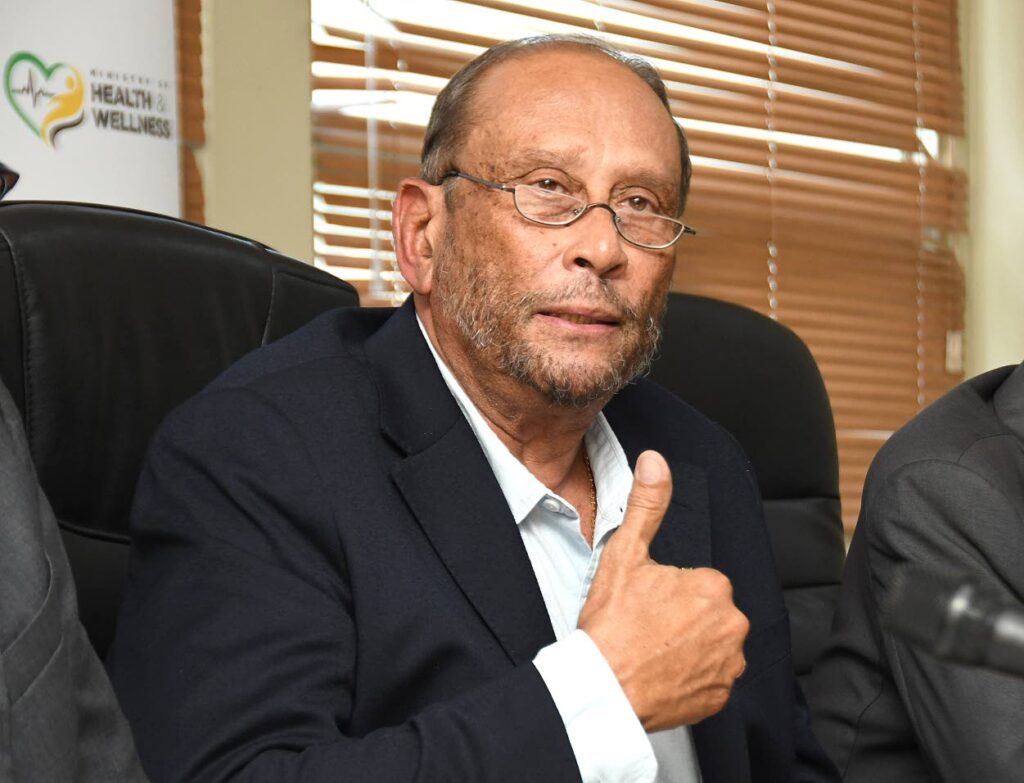
    Veteran Jamaican attorney Howard Mitchell, who leads a government-appointed review committee probing governance irregularities at the University Hospital of the West Indies (UHWI), has sounded the alarm over a deeply entrenched culture of insufficient accountability and lax oversight that permeates nearly the entire public sector. Far from being an isolated issue at the prominent teaching hospital, Mitchell argues that the gaps uncovered during the UHWI investigation are symptomatic of broad, structural flaws that have undermined the performance and integrity of state institutions across the island.

    Mitchell outlined three core drivers that allow governance failures to persist across the country’s 156 public bodies: widespread non-compliance with existing regulatory requirements, toothless monitoring mechanisms, and inadequate enforcement of established rules. To illustrate the scope of the compliance crisis, he noted that only 12 of the 156 public bodies are fully up to date on the mandatory financial and operational reports required under the Public Bodies Management and Accountability Act (PBMA). Shockingly, at least one public body has failed to submit a single required report in the 50 years since it was founded, leaving public funds unaccounted for and raising urgent questions about fiscal transparency. This lack of transparency is particularly striking, Mitchell emphasized, given Jamaica’s widely celebrated recent successes in macroeconomic management.

    The review committee was convened specifically to examine procurement and governance shortcomings at UHWI, following a 2025 report from Jamaica’s Auditor General that flagged major irregularities at the facility. But Mitchell said the investigation quickly revealed that the same weaknesses extend across the entire public administration system. A primary contributing factor, he explained, is that the agencies tasked with overseeing public bodies are themselves starved of the resources, staffing, and training needed to do their jobs effectively. The Auditor General’s Department, for example, faces such significant budget constraints that it can only conduct superficial, one-off checks rather than sustained follow-up oversight. Compliance units within the Ministry of Finance and the Public Service also lack sufficient funding and capacity to drive the cultural shift needed to embed accountability across all public institutions.

    Compounding the challenge is the unwieldy structure of Jamaica’s public sector, which places an unmanageable number of agencies under the supervision of individual ministries. Mitchell noted that some cabinet departments are responsible for monitoring more than two dozen public bodies, while 39 separate agencies report directly to the prime minister – a workload that makes consistent, effective oversight functionally impossible.

    Over time, these persistent systemic failures have created a dangerous trust deficit that erodes public confidence in national institutions, Mitchell warned. When public bodies fail to deliver on their mandated services, the backlash falls directly on political leaders and state institutions, damaging social cohesion and undermining the legitimacy of governance. He added that political stakeholders have begun to recognize that this gap between public promises and actual service delivery is a core root of declining citizen trust.

    Against this backdrop, the UHWI reform process has emerged as a critical test case for broader public sector overhaul. The review committee has concluded that Jamaica lacks the specialized local expertise to manage the complex transformation of a large teaching hospital, and is therefore recommending that the government hire an independent international change management expert to lead UHWI’s restructuring, develop a formal implementation roadmap, and enforce accountability for outcomes. Health Minister Dr. Christopher Tufton has endorsed the recommendation, confirming that the government will source the required expertise from the international market, as no local firm possesses the specialized experience in teaching hospital governance and service delivery needed for the project.

    Mitchell stressed that the UHWI reform should not be a standalone fix. Instead, he framed the process as a critical wake-up call for Jamaica to address the accountability crisis across all public bodies, using the hospital’s transformation as a benchmark to raise standards across the entire public sector.

  • Hoe China de richting van de oorlog tussen de VS en Iran kan bepalen

    Hoe China de richting van de oorlog tussen de VS en Iran kan bepalen

    On a Wednesday marked by accelerating efforts to broker a historic peace agreement between Tehran and Washington, Iranian Foreign Minister Abbas Araghchi held high-stakes talks with his Chinese counterpart Wang Yi in Beijing. The meeting came just hours after U.S. President announced a pause in military efforts to forcibly reopen the Strait of Hormuz, setting the stage for a critical diplomatic turning point in the months-long regional conflict.