
On this year’s observance of National Teachers’ Day in the United States, educator and social commentator Wayne Campbell has published an opinion piece challenging the hollow performative celebration of educators and calling for urgent, systemic action to address the collapsing status and working conditions of the teaching profession.
作者: admin
-

Crash triggers gas leak at Haggatt Hall
A violent two-vehicle collision in the St Michael district of Barbados on a weekday morning caused a significant gas leak and forced local emergency services to launch a rapid coordinated response to contain the hazard. The incident unfolded on Roberts Road in the Haggatt Hall neighborhood just after 7:30 a.m., when the Barbados Fire Service received an urgent emergency call reporting the crash and the associated risk of gas escaping from damaged infrastructure.
Fire Officer Ramsey, who was identified by service number 250, shared details of the first responders’ arrival on site. When fire crews pulled up to the collision scene, they confirmed that two passenger vehicles had been involved in the crash, and one of the vehicles had come to rest directly on top of a residential gas meter. The weight of the vehicle had damaged the meter, leading to an uncontrolled leak of natural gas that created an immediate safety risk for anyone in the surrounding area.
Given the specialized nature of the gas hazard, emergency commanders immediately called in technicians from the National Petroleum Corporation (NPC), the country’s national petroleum and gas authority, to carry out a controlled shutoff and repair the damaged infrastructure. Local ambulance services were also dispatched to the scene to provide immediate medical assessment and care to any individuals injured during the collision.
Reverend Byron Waithe, a local resident whose property was directly affected by the crash, described the chaotic moment the incident occurred. He told reporters he was in his home when he heard a deafening bang that shook the surrounding area. One of the vehicles involved in the crash careened off the road, crashed through his residential gate, and collided with a van that was legally parked on his property, causing significant damage to both the gate and the parked vehicle.
Waithe added that in order to protect public safety while emergency crews worked to seal the gas leak and secure the scene, all residents in the immediate impact zone were ordered to evacuate their properties temporarily. Despite the disruption and damage to his property, Waithe offered high praise for the speed and professionalism of the emergency response teams. He emphasized that both fire service personnel and NPC gas technicians arrived at the scene within minutes of the crash being reported, and worked efficiently to bring the dangerous situation under control.
By the end of the response operation, emergency teams had fully secured the scene, and authorities had begun conducting detailed on-site assessments to determine the cause of the collision and document the full extent of the damage to infrastructure and private property.
-

What IShowSpeed Showed the World About Antigua By Ambassador Theon Ali
When global streaming star IShowSpeed embarked on a visit to the twin-island Caribbean nation of Antigua and Barbuda, few anticipated the outsized cultural and diplomatic impact his trip would generate. In a perspective piece penned by Antigua and Barbuda’s Ambassador Theon Ali, the streaming personality’s high-energy journey through the country revealed far more to a global audience of millions than just sun-soaked beaches and turquoise waters.
Ali argues that IShowSpeed’s unfiltered, authentic content captured the warm hospitality, vibrant local culture, and untapped potential that define Antigua and Barbuda in a way that traditional tourism campaigns rarely match. The streamer’s live broadcasts from local street food stalls, his interactions with ordinary Antiguans, and his explorations of lesser-known coastal communities racked up hundreds of millions of views across TikTok, YouTube, and other social platforms, turning the small Caribbean nation into a viral talking point for young audiences around the world.
Beyond boosting tourism interest, Ali highlights that IShowSpeed’s visit opened new conversations about the country’s appeal as a destination for digital creators, foreign investment, and youth-focused cultural exchange. Unlike scripted official content, the streamer’s off-the-cuff adventures showcased the relatable, energetic character of Antigua and Barbuda, breaking through the noise of crowded international media to leave a lasting positive impression.
Ali also notes that the viral attention generated by the trip has already translated into tangible outcomes, including a surge in social media followers for Antigua and Barbuda’s tourism boards, increased inquiries from young travelers planning future visits, and growing interest from digital content companies eyeing the Caribbean as a creative hub. For a small nation working to expand its global footprint beyond traditional tourism, Ali frames IShowSpeed’s unplanned cultural contribution as a powerful case study in how modern digital influence can create unexpected opportunities for small states around the world.
-

Antigua-born DJ Killakm set for Rolling Loud appearance after viral performance
For rising star Kamari Simon, professionally known by his stage name Killakm, a career-defining milestone is on the horizon: the Antigua-connected DJ is slated to perform at Rolling Loud, one of the biggest and most prestigious hip-hop festivals on the global music calendar. The event, which draws hundreds of thousands of hip-hop fans annually, is famous for showcasing the biggest names in the genre, making Simon’s invitation a major vote of confidence in his fast-growing career.
Simon’s biography is rooted in two distinct worlds: he was born in the Bronx, New York, but his childhood took an unexpected turn when his father passed away when he was young. Following the loss, Simon’s mother arranged for him to relocate to Antigua to live with his aunt, where he spent much of his early years. He enrolled at Francis Pre School before moving on to J.T. Ambrose Primary School, shuttling between his Caribbean home and his native New York for years before settling back in the Bronx full-time when he entered sixth grade.
Today, while Simon builds his career in the United States’ competitive music industry, he has never cut ties to the Caribbean community that shaped his early years. Many of his family members still reside in Antigua, including noted educator Nalda Carr, who remains an active, engaged member of local public life. Simon continues to return to the island regularly to visit loved ones and maintain his connection to his roots.
Over the past several years, the DJ has carved out a growing fanbase and a solid reputation in the crowded hip-hop scene through his signature, high-energy performance style. His sets blend an eclectic mix of genres, from classic and modern hip-hop and bass-heavy trap to fast-paced Jersey club and smooth R&B, creating a dynamic sound that resonates with audiences. He has drawn particular industry and fan attention for his electric ability to engage crowds and pull off seamless, rapid transitions between tracks that keep energy levels high from the opening beat to the closing set.
-

What VAT on digital services means for Grenadians
As the Caribbean island nation of Grenada moves closer to rolling out a formal Value Added Tax (VAT) regime for digital services, stakeholders across the business and consumer sectors are seeking clarity on how the new policy will reshape the local digital economy.
Digital services covered by this amendment span a wide range of widely used platforms, from video streaming giants like Netflix and music streaming service Spotify to business communication tools such as Zoom, and e-learning platforms like Coursera, along with global e-commerce offerings from providers including Amazon. Both individual consumers and local businesses rely on these services daily, making the tax change relevant to nearly all segments of Grenadian society.
Contrary to common misperception, the amendment does not introduce an entirely new tax on digital services. Under Grenada’s existing Value Added Tax Act, most services are already subject to VAT, with only specific exemptions outlined in Schedule IV of the legislation. What the new rule does is eliminate long-standing regulatory ambiguity by formally codifying how digital services should be taxed, bringing outdated tax law in line with the fast-growing modern digital economy.
For developing economies like Grenada, tax policy frequently struggles to keep pace with rapid technological innovation, creating compliance gaps that allow significant revenue to leak out of the local economy to foreign jurisdictions. The digital services sector has been one of the largest areas of this uncollected revenue, making targeted reform a logical and urgent policy priority. Capturing a share of revenue from this fast-expanding sector not only boosts government income but also helps anchor digital economic activity within Grenada’s domestic fiscal framework.
While the reform will inevitably lead to higher costs for some consumers and businesses, these changes need to be evaluated against the broader long-term economic benefits the policy is designed to deliver. For domestic digital service providers already operating and paying VAT within Grenada, the amendment will not bring major changes to their existing tax obligations. The most significant shifts apply to local businesses that purchase digital services from non-resident foreign providers: under the new rules, a reverse charge mechanism will be implemented, meaning the consuming business rather than the foreign supplier is responsible for remitting VAT. This will increase compliance burdens and operational costs for affected businesses, costs that may ultimately be passed through to end consumers.
Despite these near-term cost increases, the reform creates significant opportunities for the local digital sector by leveling the competitive playing field. Foreign digital providers currently hold an unfair price advantage over local providers because they do not collect VAT on their services. By eliminating this advantage, the policy is expected to encourage greater local innovation, attract new domestic investment, and support the expansion of Grenada’s homegrown digital services industry.
That said, the current draft of the legislation leaves a number of critical questions unaddressed that risk undermining the policy’s effectiveness. Most notably, the bill does not specify a dedicated VAT rate for digital services or set a revenue threshold for mandatory registration, creating avoidable regulatory uncertainty. This directly contradicts a core principle of sound tax policy: clear, predictable rules are a prerequisite for widespread compliance and smooth implementation.
Critics may argue that Grenada is moving forward with this reform too soon, but broader global trends show delaying action would carry greater risks. As national economies around the world become increasingly digitized, adopting clear tax frameworks for digital services has become a standard fiscal necessity. Without putting the appropriate regulatory structure in place now, Grenada risks falling behind international norms, allowing continued revenue leakage and forcing future policymakers to respond to crises rather than shaping the digital economy proactively.
Legitimate concerns raised by stakeholders cannot be dismissed, however. If the government sets an excessively high VAT rate for digital services, it could create incentives for the growth of unregulated underground activity, drive increased tax avoidance and even open the door to widespread tax evasion. To balance revenue goals and consumer protection, policymakers should consider a carefully calibrated, potentially reduced rate that minimizes the burden on end users while still meeting the policy’s core objectives.
Enforcement and monitoring capacity represent another major hurdle. Grenada already faces long-standing challenges in tracking and measuring service-based economic activity, particularly cross-border digital transactions. Without robust supporting infrastructure — including standardized government digital VAT invoicing systems and enhanced cross-border digital tracking tools — the amendment may fail to reach its full potential. This raises a critical unresolved question: does Grenada’s tax authority currently have the institutional capacity to effectively monitor and enforce compliance for cross-border digital services, or will the entire system rely mostly on unenforced taxpayer self-assessment?
Public awareness and education are also key to the reform’s success. Most Grenadian consumers and many small business owners already have limited understanding of existing VAT rules. Introducing the new amendment without a targeted public education campaign could lead to widespread misinformation, unintentional non-compliance, and unnecessary penalties for stakeholders who do not understand their new obligations — a particularly high risk for the complex reverse charge mechanism.
All consumers and businesses that purchase digital services from non-resident providers are advised to proactively familiarize themselves with the requirements of the reverse charge system, as non-compliance can lead to steep, avoidable fines and additional costs. It is also widely expected that local banks and other financial institutions will be called on to take a greater role in supporting compliance by tracking cross-border digital service payments.
Despite these open questions and challenges, the amendment delivers a key benefit by establishing clear formal rules for digital services, eliminating the regulatory uncertainty that has existed for decades. The proposed framework is broadly scoped and has the potential to be robust, but its ultimate success will hinge on effective implementation, strong enforcement, and the rapid adoption of supporting regulations to fill the gaps in the current draft.
Since the bill remains silent on critical details such as the minimum transaction value that requires provider VAT registration, analysts assume the general provisions of the existing VAT Act will apply to digital services by default. This default approach, however, could introduce unnecessary complexity into the new regime, and further legislative or administrative clarification will almost certainly be needed to clear up confusion.
As the policy continues to evolve through the implementation phase, sustained, inclusive dialogue between policymakers, local business associations, and consumer groups will be essential to ensure the final system is fair, effective, and responsive to the needs of all Grenadian stakeholders. This analysis was contributed by The Tax Experts. NOW Grenada does not take responsibility for contributor opinions and content, and invites reports of any abusive content.
-

Heather Nanton Antiguan Aviator passes
Heather Nanton, a trailblazing Antiguan aviator and aviation industry leader whose career shaped the development of high-quality air travel standards in Antigua and Barbuda, has passed away. Her career emerged alongside Antigua’s early growth as an aviation destination, a period when the local sector was building its identity and learning to meet the unique demands of international travelers drawn to the small Caribbean island nation. During this era of rapid industry development, Nanton stood out for her calm, sophisticated approach to service — a standard she wove into every aspect of her management work. When Antigua and Barbuda began welcoming growing numbers of elite and business travelers, Nanton was among the rare group of local industry professionals who mastered the refined courtesies and formal protocols needed to serve this discerning clientele. Nanton rose to the most senior role at Antigua Airport Services (ASA), where she spent decades overseeing ground operations for British Airways’ largest aircraft, alongside managing operations for a wide range of other airline carriers. Beyond her own day-to-day work, she prioritized passing on the institutional knowledge and service standards she had cultivated to generations of new airport workers. She shared her expertise through industry bodies including the local Airlines Association and the Airport Operators Committee, the groups that designed the iconic high service standards that came to define V.C. Bird International Airport (VCBIA) during its foundational years. A groundbreaking figure for women in the industry, Nanton made history as the first woman to hold a senior ramp operations role at the airport. Throughout her career, she proved that a small island nation could compete with global aviation hubs on service quality, setting an example that successive generations of aviation workers have built upon. Today, current and former Antiguan women working across the aviation industry are honoring Nanton’s legacy and paying tribute to the trail she blazed for women in the field. Her work demonstrated that geographic size and limited national scale are never barriers to achieving exceptional, industry-leading standards, a truth that continues to shape Antigua and Barbuda’s aviation sector decades after she began her career.
-
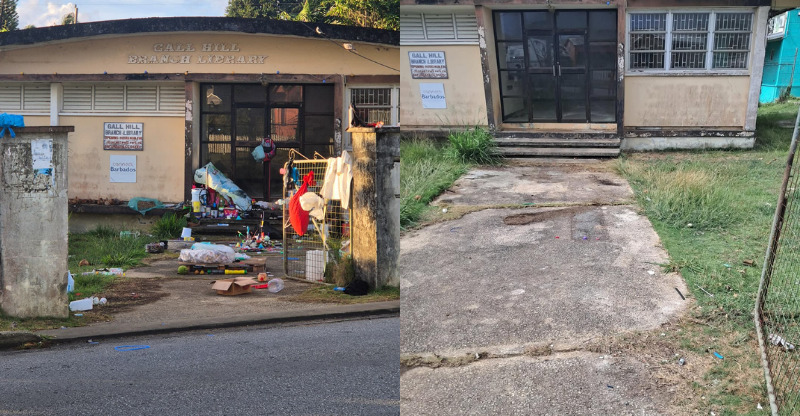
Man removed from Gall Hill library after complaints
In a coordinated multi-agency operation carried out on Wednesday, public officials removed an unhoused man who had been squatting at the disused Old Gall Hill Library in St John, Barbados, after months of growing community pushback over unsafe conditions and public disturbance. For an extended period, the vacant former public library has served as an informal shelter for the man, who took up unauthorized residence on the property. In the process of occupying the unused space, the facility’s surrounding yard became heavily cluttered with construction debris, discarded personal goods, and other accumulated waste, creating both health and aesthetic hazards for neighbors living nearby. Local MP Charles Griffith, who represents the St John constituency, confirmed that the intervention was a direct response to sustained complaints from area residents, who had repeatedly raised alarms about the deteriorating state of the property and persistent public disruptions stemming from the occupation. As authorities moved to clear the site, the man’s behavior became increasingly agitated, prompting responding officials to arrange for him to be transported to Barbados’ Psychiatric Hospital for evaluation and care by medical professionals. Griffith extended public recognition to the three government bodies that collaborated to resolve the long-running issue: the Barbados Police Service, the Department of Environmental Health, and the Sanitation Service Authority. He also credited local residents for their persistent advocacy, noting that their consistent efforts to draw official attention to the unsafe situation were key to推动ing the coordinated response that resolved the community concern.
-

Several buildings affected by another early morning fire in Roseau
Roseau, the capital city of Dominica, is grappling with its second devastating urban fire in less than three months after an early morning blaze on Wednesday, May 6, tore through a cluster of downtown structures along Great Marlborough Street and Upper Lane. Deputy Fire Chief Matthew Prosper confirmed that the inferno destroyed between eight and nine local buildings, counting several high-profile commercial and professional properties among the losses. Affected sites include the law offices of local attorney Joshua Francis, the multi-use French Connection Building, and the popular local eatery Family Restaurant, alongside other smaller businesses. Prosper emphasized that the blaze has left a stark financial and community void, calling the destruction a major loss for the entire Roseau area.
In a public statement posted to his social media channels shortly after the fire broke out, Francis shared his shock at the damage to his practice. “This morning I was alarmed that HAJ LAW offices, my offices—two floors—were compromised by fire,” Francis wrote, adding that formal damage assessments would be conducted once authorities clear the site for inspection. As of Wednesday afternoon, official investigations into the cause and origin of the latest blaze remain ongoing.
This incident comes on the heels of a separate large-scale fire that rocked Roseau’s commercial district just two months prior, on Monday, March 2, 2026. That earlier blaze on King George IV Street also destroyed multiple businesses and forced the permanent closure of one of the country’s most prominent pharmacies. Deputy Chief Prosper confirmed the 2026 March fire damaged Jolly’s Pharmacy, the adjacent Fitness University gym, a local retail store operated by Chinese owners, and a neighborhood bar. Despite the extensive damage from that incident, Prosper publicly commended responding fire crews for their rapid, effective action, which stopped the fire from spreading to adjacent blocks and prevented even greater destruction. “The fire officers did a very, very good job in confining the fire,” Prosper told local outlet DBS Radio in comments following the March incident. Even with the successful containment, Prosper warned at the time that the total financial impact of that first blaze on the city’s business community would be substantial.
-
Escazú in the Caribbean: Turning commitments into action
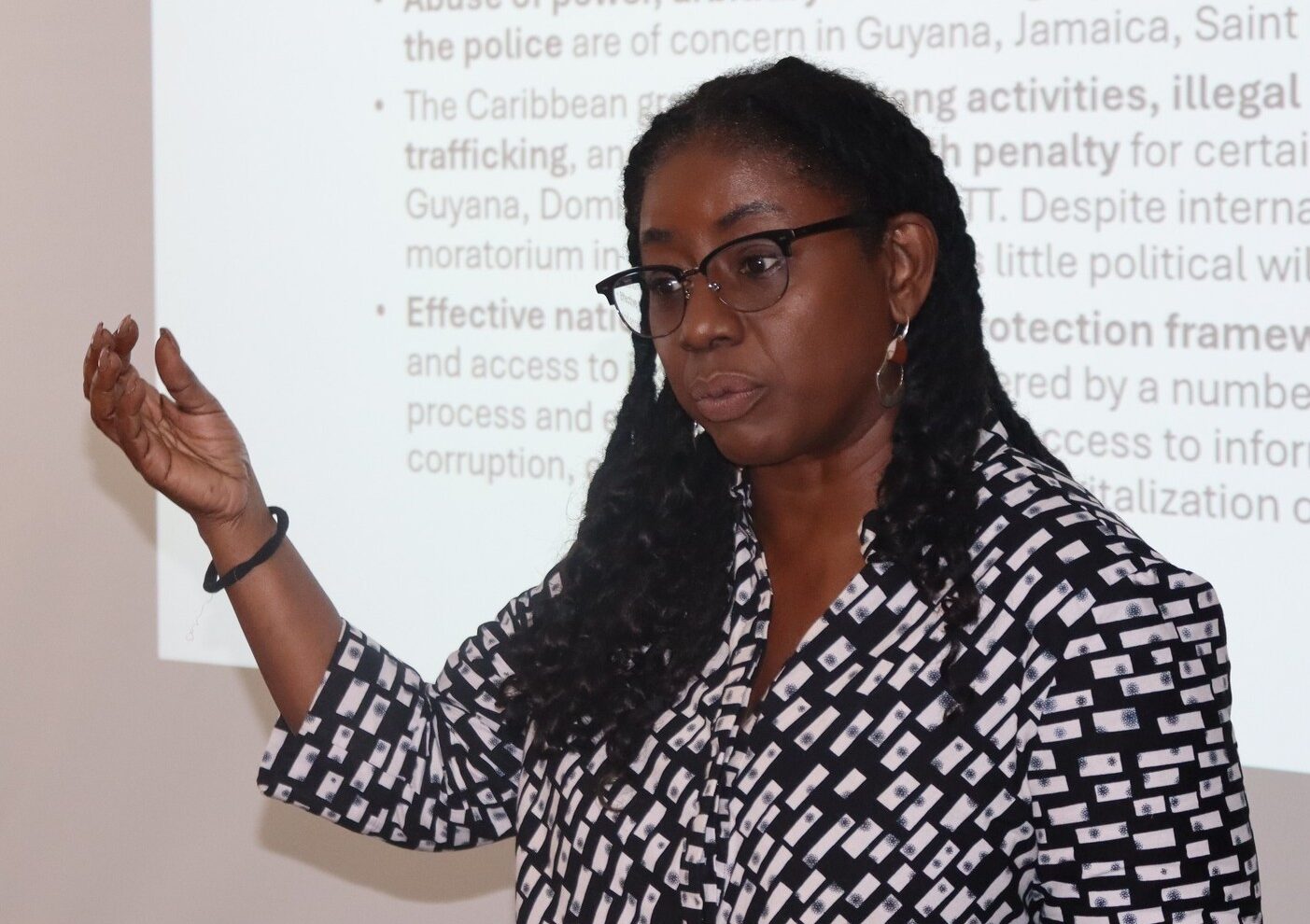
By Michelle Brathwaite, Regional Representative of the UN Human Rights Office for the Caribbean Community
In April 2024, The Bahamas etched its name into regional environmental governance history as it welcomed delegates and stakeholders from across Latin America and the Caribbean for the fourth Conference of the Parties (COP4) to the Escazú Agreement. This gathering marked the very first time the landmark treaty’s official conference has been hosted in the Caribbean, a timing that could not be more critical for a small island region that finds itself on the unenviable front lines of three converging crises: accelerating climate change, catastrophic biodiversity decline, and rapidly growing unsustainable development pressures.
The Escazú Agreement stands as a defining regional pact that enshrines three core environmental rights: guaranteed access to environmental information, meaningful public participation in environmental decision-making, and fair access to justice for communities harmed by environmental harm. At its foundation, the treaty addresses critical questions: how are environmental and development decisions made, which communities get a seat at the table, and how are human rights protected when economic development and ecological protection intersect. For small island and coastal Caribbean states, where natural ecosystems are uniquely fragile and local communities rely directly on marine, coastal and terrestrial resources for their livelihoods and survival, these foundational principles are non-negotiable for long-term sustainable development.
Of the 19 nations across the Americas that have fully ratified the agreement to date, half are Caribbean countries: Antigua and Barbuda, The Bahamas, Belize, Dominica, Grenada, Guyana, St Kitts and Nevis, St Lucia, St Vincent and the Grenadines, and Trinidad and Tobago. This broad regional participation reflects a growing, shared commitment across the Caribbean to upholding transparency, inclusive participation, institutional accountability, and targeted protection for environmental human rights defenders. Brathwaite called on the remaining Caribbean nations that have not yet ratified or joined the agreement to follow the lead of these 10 states and commit to its binding principles.
The urgency of full regional adoption and implementation of the Escazú Agreement is impossible to ignore. Climate change is supercharging the intensity of tropical storms, expanding the reach of coastal flooding, and driving steady, irreversible sea-level rise that threatens to displace entire coastal communities across the region. Ongoing biodiversity collapse undermines the Caribbean’s most critical economic sectors — tourism and fisheries — eroding food security and pushing thousands of vulnerable livelihoods to the brink. At the same time, demand for large-scale development projects continues to grow, and the policy choices made today will shape whether the region’s development trajectory builds community resilience and inclusive growth, or deepens systemic inequality and irreversible ecological damage.
These pressing challenges took center stage at an official side event hosted by the UN Human Rights Office for the Caribbean alongside the main COP4 negotiations. Speakers from civil society, the private sector, government, and Indigenous and local community groups held open discussions about the binding human rights obligations of national governments and the shared environmental responsibilities of private companies operating in the region. A single clear consensus emerged from these talks: any community that will be affected by an environmental or development decision must receive early, full information about the project and have the opportunity to contribute meaningfully to the final decision.
This requirement is not only a binding international human rights obligation — it is also proven sound policy. When frontline communities are excluded from decision-making, infrastructure and development projects often face widespread public resistance, costly delays, and permanent erosion of public trust in government and industry. When inclusive participation is genuine and occurs early in the planning process, final policy and project decisions are stronger, environmental and social risks are better anticipated and managed, and long-term outcomes are far more economically and ecologically sustainable. Even with this clear consensus, significant implementation barriers remain: broader public education and awareness are still needed across the region to inform communities, governments, and businesses of the protections and opportunities the Escazú Agreement provides.
One of the treaty’s most groundbreaking provisions is Article 9, which establishes binding protections for environmental human rights defenders. Across the Caribbean, individual activists and local community groups work tirelessly to protect critical ecosystems and defend the rights of frontline communities, often operating with very limited financial and institutional support and facing significant personal risk. Intimidation, harassment and reprisals against activists who raise legitimate environmental concerns directly violate international human rights law, run counter to the binding commitments Caribbean governments have made under the Escazú Agreement, and erode the core principles of inclusive participation and public trust that COP4 participants reaffirmed during the conference.
Brathwaite emphasized that regional governments must take immediate action to ensure environmental and human rights defenders can carry out their critical work safely, free from intimidation and violence. Similarly, private companies operating across the Caribbean have a responsibility to ensure that their operations — whether directly or through suppliers and partners in their global value chains — do not contribute to threats, criminalization, or retaliation against activists who raise environmental concerns.
The UN Human Rights Office for the Caribbean remains fully committed to supporting regional governments as they implement the agreement, offering targeted capacity-building programming and expert technical assistance on upholding access to environmental information, expanding meaningful public participation, guaranteeing access to environmental justice, and integrating human rights-centered approaches into all national environmental action.
Hosting COP4 in The Bahamas served as a powerful reminder to the global community that the Caribbean is far more than a region defined by climate vulnerability: it is a leading voice in global environmental governance and human rights-centered climate action. With sustained cross-regional cooperation and unwavering political will, the Escazú Agreement can help the Caribbean deliver on its vision of inclusive, participatory development that protects the fundamental human right to a healthy environment for current and future generations.
*Disclaimer: NOW Grenada is not responsible for the opinions, statements or media content presented by contributors. In case of abuse, click here to report.*
-

Headless, mutilated body found
A week-long search for a missing community member in the quiet coastal community of Icacos took a tragic turn on Thursday, when a multi-agency search team recovered a dismembered body from the area’s dense wetland swamps. The search operation, which brought together volunteer hunters and specialized police units, was launched after 50-year-old Indar Rampersad, a local coconut picker who had lived alone in the area for years, was reported vanished after neighbors had not seen him for nearly seven days.
The grim discovery was the result of coordinated efforts between the volunteer Hunters Search and Rescue Team, headed by veteran search coordinator Vallence Rambharat, and three specialized police divisions: the police Air Support Unit, the South Western Division Task Force, and local Cedros Police officers. According to official police briefings, the recovered body was found with its head severed from the torso. The victim was found shirtless and barefoot, and the corpse had been deliberately concealed under a layer of freshly cut grass before being located by searchers.
Shortly after the body was located at approximately 2:00 p.m. local time, Rambharat confirmed the find in a public social media post timestamped 2:03 p.m., noting that the body was uncovered during the active search for Rampersad. Law enforcement officials moved quickly to contact Rampersad’s next of kin following the discovery, and are now working with family members to complete a formal positive identification of the remains.
When reached for comment by local outlet the Express Thursday evening, an anonymous member of Rampersad’s family shared new details about the missing man’s life in Icacos. The relative confirmed that Rampersad was officially reported missing to police Monday evening, after local residents grew concerned when he failed to appear at his regular coconut selling route. A well-known figure in the small community, Rampersad made his living harvesting coconuts that local buyers would purchase to process into coconut oil, and neighbors began asking after him when he stopped showing up to sell his stock.
The relative explained that Rampersad lived a solitary life, residing alone in an abandoned property near the local district health centre. He never married and had no children, and was the only person currently reported missing from the Icacos community. He also shared identifying markers that will help investigators confirm whether the body found is that of Rampersad: the missing man has no tattoos, lacks an official birth certificate, and lost one of his fingers in a decades-old boat accident, when the digit was crushed and severed during a work outing.
Commenting on the details of the discovery, the relative noted that the black long pants and black belt found on the body matched clothing that Rampersad regularly wore. Echoing the police description of the scene, he added that the location of the find was a remote Icacos swamp, and the concealment of the body under cut grass suggests foul play. “Somebody kill (the person) because they say the body cover down with grass,” the relative told the Express.
As of Thursday evening, investigators from the Homicide Bureau of Investigations Region Three have taken over the case. Officials have not yet confirmed a potential motive for the killing, and many key details of the disappearance and death remain unconfirmed as the formal identification process and crime scene investigation move forward.