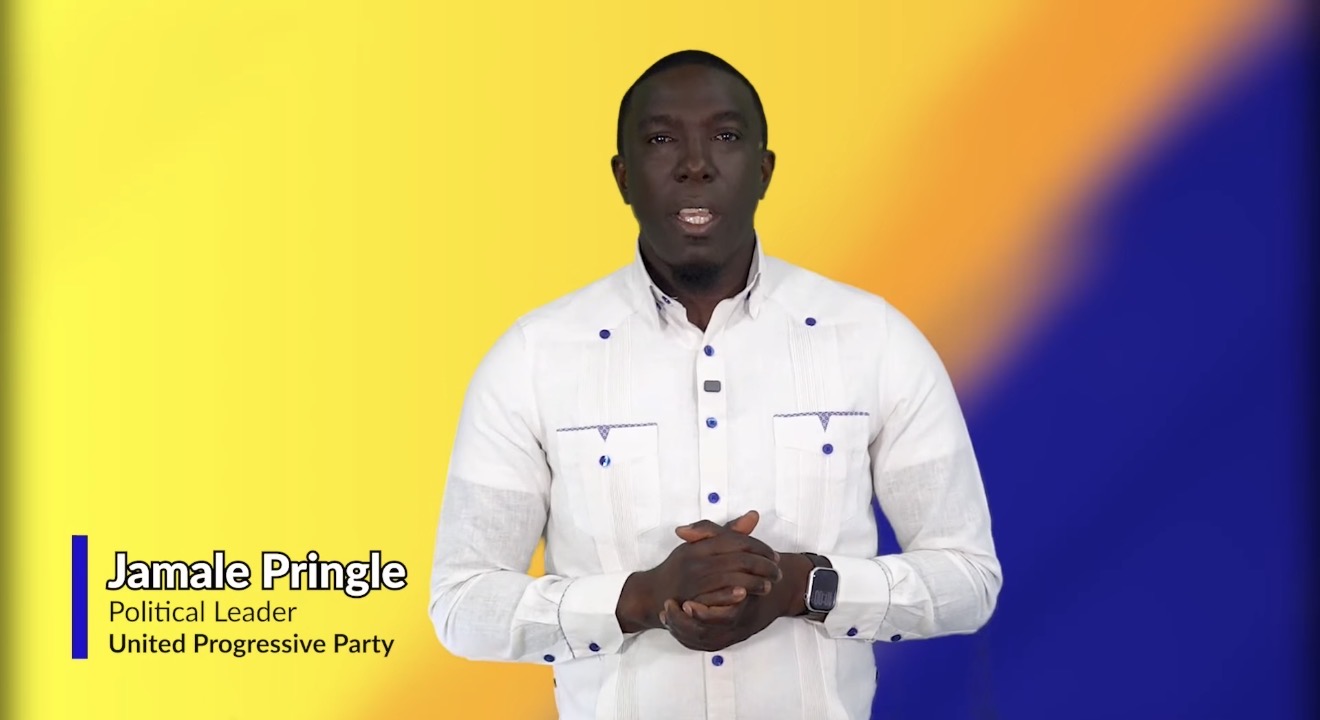
A growing political rift over governance transparency in Antigua and Barbuda has intensified this week, as Opposition Leader Jamal Pringle has publicly called for sweeping changes to how the ruling administration approaches major national decision-making. Pringle made his case during an interview with Observer Radio’s *Voice of the People* on Tuesday, where he argued that the current governing body has fallen into a troubling pattern of enacting high-stakes policy changes without meaningful input from opposition lawmakers, parliamentary representatives, or the general public.
Pringle pointed specifically to the ongoing controversy around the proposed third-country deportee agreement as a prime example of the government’s exclusionary approach. He explained that when the issue first emerged, the administration’s first step should have been to convene cross-party discussions before moving forward with any negotiations. “This is not a situation that you handle just as government because it’s going to affect the entire country,” Pringle said, adding that every citizen, regardless of their political alignment, has a stake in outcomes that shape the nation’s future. All national issues that carry long-term consequences, he argued, require broad, inclusive consultation from the earliest stages of planning.
The opposition leader went further, stating that the government carries a clear constitutional and ethical responsibility to lay out all major policy proposals before Parliament and the public before any final agreements are signed with international partners. In the case of the deportee arrangement, which involves negotiations with the U.S. State Department, Pringle insisted that the process must be rooted in public priorities rather than closed-door executive decisions. “It must be people-driven. It must be coming from the people,” he said.
Pringle emphasized that the demand for expanded consultation is not limited to the deportee issue alone, but applies to all major governance matters that will impact Antigua and Barbuda for generations, including all international agreements and long-term national policy frameworks.
Beyond consultation reform, Pringle also criticized the administration for persistent lack of access to government information. He noted that opposition lawmakers have repeatedly pushed for greater transparency through parliamentary channels, and have long called for the activation of a fully operational Information Commissioner’s Office, a step the ruling party has yet to take. “We would have reached out to the government on several occasions, even utilizing Parliament to ask questions and to ask for them to install the Information Commissioner,” Pringle said.
Pringle concluded by stressing that meaningful public participation and robust parliamentary oversight are non-negotiable pillars of public trust in governance. This is especially critical, he argued, for decisions that carry constitutional, legal, or international ramifications that will reshape the country’s trajectory.
For its part, the governing administration has pushed back against Pringle’s criticism. Officials maintain that all negotiations with international partners have been conducted to advance Antigua and Barbuda’s national interests. The government has confirmed that it plans to release a formal White Paper outlining the details of the proposed third-country deportee arrangement for parliamentary review. Prime Minister Gaston Browne has also publicly defended the administration’s policy-making process, reaffirming the government’s commitment to protecting the nation’s best interests.