作者: admin

  • AgriConnect initiative launched in Jamaica to boost digital agriculture and support small farmers

    AgriConnect initiative launched in Jamaica to boost digital agriculture and support small farmers

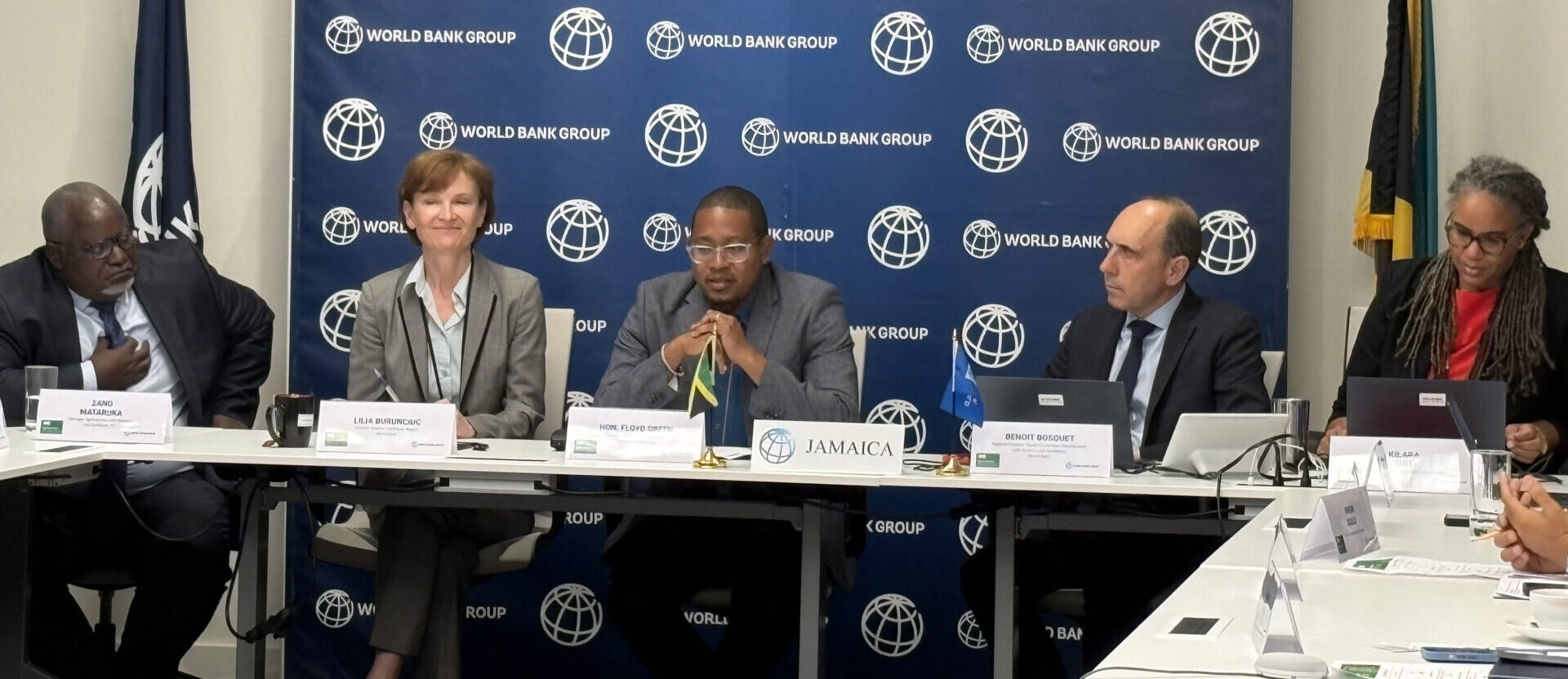
    In a high-profile gathering held in Kingston that brought together key stakeholders from across Jamaica’s agricultural and food sectors, the World Bank Group (WBG) has officially launched its landmark AgriConnect initiative, a global project designed to upgrade connectivity in rural communities, expand digital access for agricultural producers, and connect small-scale family farmers to formal national and international markets. The launch event was supported by the Inter-American Institute for Cooperation on Agriculture (IICA), a long-standing regional partner for agricultural development across the Americas, and featured opening remarks from Jamaica’s Minister of Agriculture, Fisheries and Mining, Floyd Green.

    Senior representatives from multiple international institutions joined the launch, including Lilia Burunciuc, Kent Coipel, Benoît Bosquet, and Diego Arias, who used the occasion to reaffirm the deep collaborative partnership between their organizations and shared commitment to advancing sustainable, inclusive agricultural growth across the Caribbean region. During opening discussions, attendees centered the critical function of family farming in Jamaica’s national food supply, while also openly addressing the long-standing structural challenges that have held the sector back.

    The Jamaican launch of AgriConnect is just one component of the WBG’s broader global effort to modernize agrifood systems worldwide. The initiative has set an ambitious target to reach up to 300 million smallholder farmers across the globe by 2030, with the core goal of supporting producers to transition from low-yield subsistence farming to more productive, commercially viable operations that can generate stable incomes and lift rural communities out of poverty.

    Minister Green framed the launch of AgriConnect as a transformative opportunity for Jamaica, noting that the initiative’s core vision aligns perfectly with the Jamaican government’s ongoing national efforts to build a more resilient, inclusive, and modern agricultural industry. He also did not shy away from outlining the unique challenges Jamaica faces: as a small open economy, the country struggles with limited access to affordable financing for small-scale producers. Like other Caribbean island nations, Jamaica is also on the frontlines of climate change, facing increasingly frequent and severe extreme weather events that threaten crop yields and disrupt production. At the same time, the country is working to shore up domestic food security and cut its heavy reliance on imported food products.

    Speaking on behalf of IICA, Kent Coipel outlined the organization’s decades-long work supporting small and medium-sized agricultural producers across the Caribbean and Latin America. IICA’s core efforts focus on strengthening agricultural value chains, with targeted programming in producer training, export readiness, and expanding access to formal regional and global markets. “Strengthening the organizational capacity of rural communities is a fundamental pillar of IICA’s technical cooperation,” Coipel said during the event. He added that IICA has already supported critical grassroots initiatives in Jamaica, including helping to form and secure legal recognition for the Jamaican Network of Rural Women Producers, while also promoting cross-community knowledge sharing, professional networking, and improved governance for rural producer groups.

    The two-day launch event featured structured working sessions that delved into practical solutions for key challenges facing Jamaican agriculture. One session explored actionable strategies to expand market access for small producers and boost efficiency across domestic food value chains, with insights from Derrick Deslandes, head of the College of Agriculture Science and Education, and industry leader Jacqueline Sharp. A second focused session centered on expanding small producers’ access to emerging agricultural technologies, and exploring the growing role of science and innovation in modernizing Jamaica’s agricultural sector. Contributors to that discussion included Winston Daes, Aura Cifuentes, and Arturo Ramírez, whose private sector firm develops specialized solutions for water management and alternative energy for agricultural operations.

    Across the Americas, IICA is just one of several key international partners backing the World Bank’s AgriConnect initiative. Additional partners include regional development financial institutions, private sector agribusinesses, philanthropic foundations, and global agricultural knowledge organizations. The initiative has already rolled out key regional milestones this year: it was first showcased to stakeholders in Brazil, which is home to nearly four million family farmers, at an IICA office in March. The official regional launch for Latin America and the Caribbean followed in April in Washington, D.C., with participation from IICA Director General Muhammad Ibrahim and dozens of agriculture ministers from across the region.

    Globally, the initiative is backed by an estimated $9 billion in annual financing, with the potential to mobilize an additional $5 billion in private and public investment for agricultural development. These resources are earmarked to strengthen innovation ecosystems, expand accessible financing mechanisms for small producers, and build out the support service infrastructure that smallholder farmers need to thrive.

    The core concept for AgriConnect grew out of a 2023 expert panel convened by the World Bank, which identified agriculture and agribusiness as one of five global sectors with the greatest potential to absorb the large number of young people entering the global workforce over the next decade. Two core priorities anchor the initiative: first, reducing agricultural risk by boosting climate resilience for small producers and building stronger market risk management systems, and second, strengthening end-to-end value chains and accelerating the digital transformation of agriculture through the widespread adoption of digital tools, open access knowledge platforms, and modern production technologies.

    According to IICA’s final summary of the launch, initiatives like AgriConnect are expected to drive greater social inclusion in the agricultural sector, boost the global competitiveness of small and medium-sized producers across the Americas, and support more equitable, sustainable rural development across the region in the coming decades.

  • DNA eist onafhankelijk onderzoek naar doden Royal Hill

    DNA eist onafhankelijk onderzoek naar doden Royal Hill

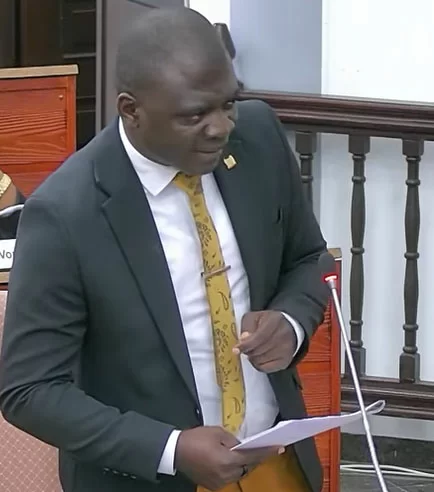
    PARAMARIBO – Deadly violence in the Royal Hill gold mining region near Koffiekamp has sparked fierce backlash from lawmakers in Suriname’s Nationale Assemblee (National Assembly), who are calling for a full independent investigation into the circumstances that left two small-scale gold prospectors dead. The incident, reported on May 6, has exposed deep divisions between official accounts and witness testimony, as well as long-simmering frustration over the government’s failure to address the root causes of informal mining in the country.

    The most vocal critic of the government and police’s official narrative is Edgar Sampi, a parliamentarian representing the ABOP party. Sampi has pointed to major contradictions between official statements and accounts from people on the ground. Official government and police reports frame the two deaths as accidents that occurred during operations targeting illegal gold mining activity in the region. But eyewitnesses tell a different story, alleging that the miners were killed in an episode of excessive force, and may have been shot in cold blood. These conflicting accounts make an independent, impartial inquiry non-negotiable, Sampi argued.

    Multiple members of the National Assembly have echoed Sampi’s concerns, noting that the issue of unregulated informal gold mining has plagued the country for decades. Lawmakers stress that forced evictions of informal miners without providing viable alternative livelihoods do nothing to create a long-term solution to the crisis. “As soon as security pressure eases, people go back to the area to mine,” Sampi explained, pointing out that prospectors have no other way to earn income to support their families.

    The growing calls for action are not limited to a probe into the recent deadly incident. Parliament is increasingly demanding a structural, comprehensive approach to the gold mining sector that addresses both public safety concerns and the socioeconomic needs of communities that rely on informal mining for survival. In response to the outcry from lawmakers, the Surinamese government has confirmed that the incident is receiving full attention, and that additional investigation into the deaths will be carried out in the coming period.

  • BNCPTA backs ministry push to curb student truancy

    BNCPTA backs ministry push to curb student truancy

    On Tuesday, the Barbados National Council of Parent-Teacher Associations (BNCPTA) formally committed to partnering with the country’s Ministry of Education Transformation to curb the growing issue of students loitering on public streets during scheduled school hours. BNCPTA President Nicole Brathwaite outlined a clear, actionable framework for cross-stakeholder cooperation, noting that the association is prepared to coordinate with both the ministry and local parent-teacher associations across the island to implement practical, people-centered solutions. These measures include strengthening two-way communication between households and schools, rolling out attendance-based incentives for students, organizing neighborhood carpool programs to address transportation barriers, and sharing proven successful strategies among schools that have reduced truancy rates. The push for collective action comes just days after Minister of Education Transformation Chad Blackman announced that he and a coalition of education-focused stakeholders would travel across Barbados to address what he has called a persistent and frustrating problem plaguing the island’s education system. Brathwaite emphasized that the priority of the effort aligns with the core values of all caregivers: no parent wants their child to be on public streets instead of in a classroom, where they can access structured learning opportunities. When students are absent from school and out in the community during school hours, she explained, they forfeit more than just academic instruction; they lose out on critical social development opportunities and the controlled, safe environment that educational institutions are designed to provide. The BNCPTA leader stressed that caregivers hold the primary responsibility for ensuring children arrive at school consistently, noting that the vast majority of parents already work diligently to meet this obligation every day, even in the face of significant barriers. Common obstacles that contribute to unexcused absences include rising transportation costs, conflicting work schedules that leave parents unable to drop off and pick up children, competing caregiving demands for other family members, and unaddressed personal challenges that students themselves face. Brathwaite pointed out that truancy is a complex issue with multiple overlapping root causes, so one-size-fits-all enforcement is unlikely to deliver long-term results. She shared that BNCPTA expects the ministry’s approach to the problem to balance firm accountability with targeted support for struggling students and families. For truancy monitoring teams to be most effective, she argued, they must be paired with school social workers who can deliver early intervention for at-risk students and households. Brathwaite also highlighted a critical unmet need: these social work professionals are already overstretched by existing caseloads, so sustained, adequate resourcing for support services will be make-or-break for the success of any anti-truancy initiative. To guide participation from parents and community members, Brathwaite laid out three clear actions people can take immediately. First, she encouraged parents to stay actively connected to their child’s school: familiarize themselves with official attendance policies, keep school contact information up to date to enable fast alerts when a student is marked absent, and respond quickly to outreach from school administrators. Second, she called for early action: caregivers should flag barriers ranging from transportation issues, problems accessing uniforms or school meals, to personal mental health or family challenges before occasional absences turn into a persistent pattern of truancy. Finally, she urged community members to engage in respectful, proactive outreach: a simple, polite question asking a student found out of school during class hours if they should be in class can still have a meaningful deterrent effect. Brathwaite concluded by emphasizing that truancy cannot be resolved by any single stakeholder working alone. “If we – parents, schools, the ministry, and the wider community – commit to tackling the root causes together, consistently, we protect our children’s future,” she said. “Let’s do this together.”

  • Survival and gratitude shine at “Undaunted” launch

    Survival and gratitude shine at “Undaunted” launch

    On May 5, a heartfelt book launch event gathered dozens of friends, colleagues, and supporters at Orange Grove Plaza in Bois D’Orange to celebrate the release of Undaunted, the raw and hopeful memoir by registered nurse Dr. Samina Cepal. Centered on themes of survival, personal resilience, and radical gratitude, the afternoon celebration welcomed guests from every chapter of Cepal’s life, fostering an intimate, warm atmosphere that reflected the memoir’s core message. Attendees had the opportunity to meet the author, purchase signed copies of the book, and connect over conversations about mental health and personal struggle.

    Unlike generic self-help narratives, Undaunted pulls back the curtain on Cepal’s own years-long battle with both chronic physical illness and unaddressed mental health struggles, weaving an unflinching account of how support from loved ones—or the lack thereof—shaped her road to recovery. As a medical professional, Cepal faced unique isolation during her darkest days: even with her deep understanding of healthcare systems, she often found herself without the emotional support she desperately needed, a gap that ultimately led to a failed suicide attempt. Far from just a story of suffering, the memoir serves two core purposes: it acts as a cautionary tale about the overlooked mental health needs of even healthcare workers, while standing as a source of inspiration for readers navigating their own unseen battles. It emphasizes the urgent need for greater public dialogue around mental health awareness and celebrates the human capacity for resilience in the face of overwhelming adversity.

    In an exclusive interview with St Lucia Times following the launch, Cepal reflected on the outpouring of support she received at the event, describing the moment as still feeling slightly surreal. “I just want my story to reach people who need it,” she explained. “I don’t want anybody to have to go through this journey of life alone, thinking that they’re alone in any situation. I just want people to know that everybody has walked a certain road before, and I want them to be encouraged. Just be encouraged. No matter what life throws at you, keep going. Don’t complain, and just do everything with an attitude of gratitude.”

    For readers hoping to pick up a copy, Undaunted is currently available for purchase directly through Cepal for local customers in the region, and can be ordered online for global readers via major retail platform Amazon.

  • Jazz ‘n Creole continues to open economic doors in the north, says PM Skerrit

    Jazz ‘n Creole continues to open economic doors in the north, says PM Skerrit

    The 15th annual edition of Dominica’s beloved Jazz ‘n Creole festival, held this year on May 4 at the scenic Cabrits National Park in Portsmouth, has cemented its role as a key economic driver for the northern region of the island nation, according to Prime Minister Roosevelt Skerrit. In an on-site interview with state-owned broadcaster DBS Radio, Skerrit praised the event’s expanding footprint and growing cultural and economic impact across the Portsmouth area.

  • Climate workshop urges urgent action as Caribbean faces ‘lived reality’

    Climate workshop urges urgent action as Caribbean faces ‘lived reality’

    This week, high-ranking officials from across the Caribbean gathered in Barbados for the Santiago Network Regional Workshop, hosted at the Caribbean Development Bank’s Wildey campus, to sound an urgent alarm over the accelerating climate crisis facing small island developing states (SIDS) and push for immediate, actionable measures to shield at-risk local communities. Against a backdrop of global climate projections showing the planet is on track to warm by close to 3 degrees Celsius this century – far exceeding the 1.5-degree target agreed in the Paris Climate Accords – leaders emphasized that climate breakdown is no longer a distant risk for the region: it is an ongoing, daily crisis reshaping life for Caribbean populations. The workshop centered on scaling demand-driven technical assistance for SIDS and other climate-vulnerable regions, connecting global climate pledges to tangible on-the-ground implementation. Opening the event, Barbados Deputy Prime Minister Santia Bradshaw, who also holds cabinet portfolios for Environment, National Beautification and Fisheries, called out a troubling retreat from global climate ambition, noting that critical resources for adaptation and mitigation are being redirected even as scientific reports confirm the world is drifting toward a catastrophic 3-degree warming threshold. “The world is not on track to limit global temperature rise to 1.5°C,” Bradshaw told attendees. “Instead, we are heading closer to a three-degree increase, an outcome with potentially devastating consequences, particularly for vulnerable regions. For the Caribbean, this is not an abstract threat. It is a lived reality.” Outlining Barbados’ ambitious 2035 national climate strategy, Bradshaw stressed that the region can no longer rely on passive advocacy alone to drive change. Echoing the consistent stance of Prime Minister Mia Mottley, she noted that Caribbean nations are prepared to lead by example, innovate on climate solutions, and prioritize the protection of their citizens. “As our Prime Minister Mottley has said repeatedly, we will not be passive in the face of climate change. We will not wait for others to act. We will lead, we will innovate, and we will protect our people. Our region must not only build resilience, we must become a model of resilience,” Bradshaw said. She also laid out specific, measurable national targets to demonstrate the region’s commitment to proactive climate action: by 2030, 85% of all residential housing in Barbados will be engineered to withstand the force of a Category 3 hurricane, and the country will continue expanding what is already the largest electric bus fleet in the Caribbean, cutting transportation emissions while building cleaner, more resilient infrastructure. Following Bradshaw’s address, Caribbean Development Bank Vice President Dr. Isaac Solomon reinforced the critical mission of the Santiago Network, which was created to coordinate global support for addressing climate loss and damage in vulnerable nations. Dr. Solomon emphasized that the network fills a long-unmet gap between non-binding global climate commitments negotiated at UN Climate Change Conferences (COPs) and the concrete, country-led implementation needed to protect communities. Like Bradshaw, he noted that climate loss and damage is not a future scenario – it is an escalating current crisis. “Extreme weather events, sea level rise, flooding, droughts, and heat stress impose recurrent human, social, and economic costs that strain public finances and erode decades of development gains,” Dr. Solomon explained. He argued that while climate finance is an essential component of climate action, funding alone cannot deliver lasting impact without robust, functional institutional frameworks to support it. The Santiago Network’s core role, he said, is to deliver demand-aligned technical assistance that makes ambitious climate action “bankable” for SIDS. “Addressing loss and damage is not only about post disaster response. It is about institutional readiness, strengthening data systems, legal frameworks, inter-agency coordination, and decision-making processes before disasters occur. Finance alone is insufficient without strong systems, data, and institutions,” Dr. Solomon said. The three-day workshop focused on advancing three core priority outcomes to deliver tangible progress: first, supporting country-led identification of specific climate action needs, rather than imposing external priorities; second, improving cross-institutional coordination to cut down on redundant efforts and maximize the impact of limited resources; and third, directly linking targeted technical assistance to accessible concessional climate finance. Both Bradshaw and Solomon closed their remarks by urging all workshop participants to ensure the event translates into real, tangible benefits for Caribbean communities, shifting from years of high-level policy discussions at global COP summits to concrete, on-the-ground action that will protect current and future generations of Caribbean residents from the worst impacts of climate change.

  • Bill to overhaul treatment of crime victims in Senate today

    Bill to overhaul treatment of crime victims in Senate today

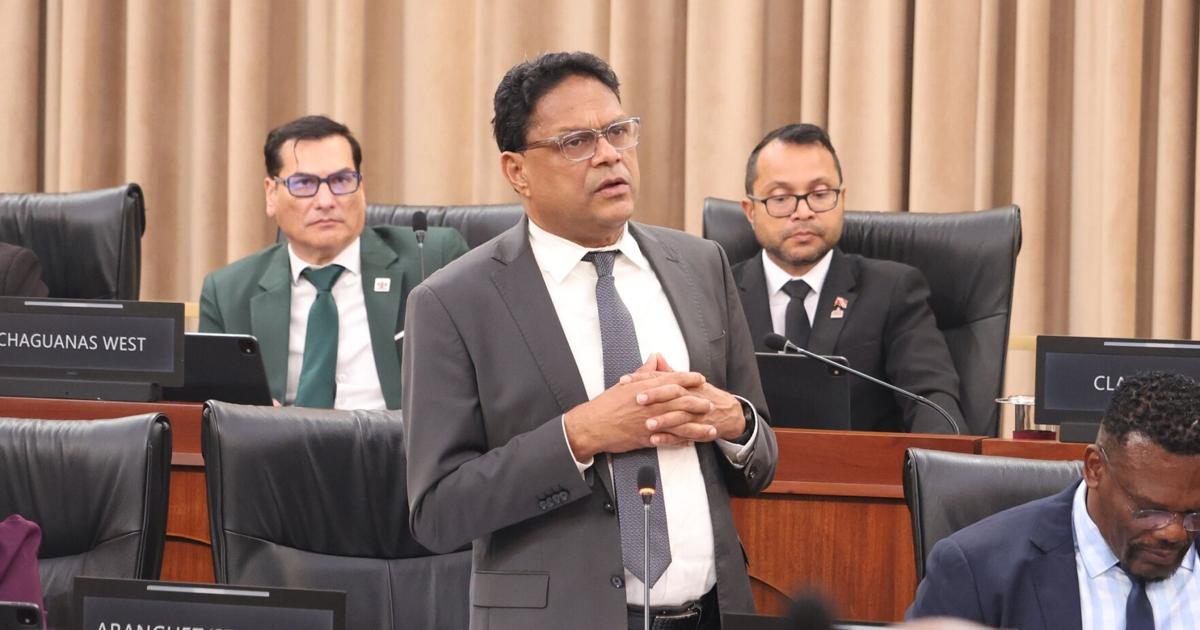
    Trinidad and Tobago’s criminal justice system is poised for its most sweeping shift in how crime victims are treated, as Justice Minister Devesh Maharaj introduces a transformative, revolutionary Victims’ Rights Bill for its first reading in the national Senate on Monday.

    For decades, victims of crime across the twin-island nation have reported systemic neglect: left uninformed of investigation progress, sidelined during court proceedings, and forced to wait years for tangible justice. The new legislation directly addresses these longstanding grievances by codifying a full suite of formal rights for victims, upending a justice system that has historically centered the rights of the accused. The bill redefines victims as active, recognized stakeholders in the legal process rather than passive bystanders, expanding the definition of a victim to include not only people directly harmed by a crime, but also immediate family members and witnesses, regardless of whether an offender is ever identified or convicted.

    Key provisions of the landmark legislation mandate consistent, transparent communication from law enforcement and judicial bodies to victims. Police will be required to share regular updates on the status of investigations, while prosecutors must notify victims of all court developments: from initial charges and hearing schedules to case outcomes, appeals, bail decisions, and any protective conditions imposed on accused individuals. In high-stakes case decisions—including dropping charges, accepting plea bargains, or appealing sentences or acquittals—the Director of Public Prosecutions will be legally required to consult victims before finalizing a call. The bill also guarantees victims the right to attend court proceedings (barring specific judicial exceptions), formalizes the right to submit impact statements outlining the emotional, psychological and financial toll of a crime ahead of sentencing, and sets strict rules to minimize unnecessary contact between victims and accused persons to reduce intimidation and trauma.

    A core priority of the legislation is addressing the widespread problem of secondary victimization, where survivors experience additional harm through insensitive interactions with police, court staff and legal processes. The bill requires all authorities to treat victims with dignity, compassion and respect, with accommodations tailored to individual needs including language barriers, disabilities and age. It also places strict limits on the public disclosure of victims’ personal identifying information, mandates the timely return of personal property seized for investigations, and guarantees access to information on existing support services ranging from counseling to legal aid. Victims also retain the right to appoint a representative to act on their behalf if they are unable to advocate for themselves.

    On the compensation front, the bill consolidates existing fragmented support systems into a single, streamlined framework. It expands pathways for financial redress, allowing victims to pursue compensation directly from offenders through civil court claims, while opening access to state-funded compensation in cases where other mechanisms are not available. Currently, the Criminal Injuries Compensation Board provides this support, having disbursed roughly $1.2 million to eligible victims to date; the new bill brings this existing program under its comprehensive umbrella, along with victim voice provisions from the existing Criminal Procedure Plea Discussion and Plea Agreement Act.

    To ensure accountability across all agencies that interact with victims, the legislation establishes a formal, multi-tiered complaints process. Victims can file grievances over inadequate treatment, seek remedies including formal apologies, explanations and corrective action, and escalate unresolved complaints to the national Ombudsman. The bill also requires mandatory training guidelines for all personnel working with victims—including police, prosecutors and support staff—to ensure consistent, sensitive and professional care, and mandates the Justice Minister submit a detailed public report to Parliament every two years, including data on complaints filed, services accessed, and overall program outcomes.

    In an interview ahead of the bill’s debut, Maharaj acknowledged that the existing justice system suffers from a critical, long-standing gap: victims are routinely sidelined rather than prioritized as key stakeholders. He described the legislation as revolutionary, noting that it will accelerate the delivery of justice by embedding accountability into every stage of the legal process. While Maharaj acknowledged the reform will face early teething challenges, as agencies align their processes with the new requirements, he said the government will roll out comprehensive awareness and training programs to bring all stakeholders on board. He added that the government is already working to address broader systemic issues slowing justice delivery, including a massive case backlog, by expanding capacity for the DPP’s office with additional prosecutors and increasing the number of public defenders.

  • Internal fighting across Africa continues to destabilize the region

    Internal fighting across Africa continues to destabilize the region

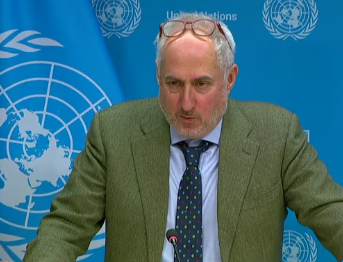
    In a stark press briefing from United Nations Headquarters in New York, senior UN spokesperson Stéphane Dujarric has renewed global warnings over the rapidly deteriorating security and humanitarian landscape driven by persistent internal conflicts spanning multiple African nations. The ongoing violence has sent death tolls climbing, forced hundreds of thousands of people from their homes, and stretched already overburdened local and international aid agencies to their breaking point.

    The crisis in Sudan remains one of the most pressing emergencies, Dujarric confirmed. Recurrent drone strikes targeting critical infrastructure in Khartoum, the Sudanese capital, have paralyzed core humanitarian operations. Just one day after drone attacks targeted Khartoum’s airport and surrounding urban areas, all incoming and outgoing flights remain suspended — a major disruption given the airport’s central role in moving aid workers and life-saving supplies into the country. Dujarric noted that the UN’s on-the-ground team has already resettled in Khartoum to coordinate relief efforts, but the persistent attacks have blocked their ability to deliver support to vulnerable populations.

    Further south in Sudan’s White Nile State, fresh drone strikes hit multiple locations in the city of Kosti, including two fuel stations located in a crowded commercial district, just one day after another fuel station and tanker were hit in the area. The strikes have caused an unconfirmed number of civilian casualties and knocked out critical basic services for local residents. In North Darfur’s El Fasher, the security situation continues to spiral downward: new data from the International Organization for Migration shows that more than 138,000 civilians have fled El Fasher and surrounding rural villages between October 2025 and March 2026 alone, joining the millions of already displaced people across the country.

    Against this backdrop, the UN is reiterating its core demands for all warring parties: an immediate ceasefire, full protection for civilians and civilian infrastructure, and unimpeded, fast access for aid convoys to reach communities in need. “We continue to call for an immediate stop to the fighting; for civilians and civilian infrastructure to be protected, and not be targeted; and for aid to be allowed to reach people swiftly, safely, and without any obstruction,” Dujarric told reporters.

    In the northeastern Democratic Republic of the Congo’s Ituri Province, UN-led humanitarian negotiations have scored a small, long-awaited victory: after months of blocked access caused by surging violence, aid groups have been able to resume life-saving food distributions at the Plaine Savo displacement camp, where more than 71,000 displaced people are sheltering. This marks the first large-scale food delivery to the site since December 2025, when a wave of armed clashes cut off all access to the camp. Ahead of the delivery, UN Humanitarian Coordinator Bruno Lemarquis and OCHA Ituri head Carla Martinez traveled to the camp to meet with displaced families, local leaders, and aid partners to assess on-the-ground conditions, and called on all armed and state actors to guarantee permanent safe access for aid groups.

    Even with the resumption of food aid, the situation in Plaine Savo remains dire. Clashes continue to flare in surrounding areas, leaving displaced families facing acute hunger and constant danger. Local reports confirm that at least 21 displaced residents have been killed since December 2025 while venturing into nearby fields to search for food, underscoring the deadly risk civilians face even within camp perimeters.

    The UN peacekeeping mission in the DRC, MONUSCO, has stepped in to support conflict-affected communities beyond humanitarian aid, recently assisting hundreds of people caught in recent armed clashes and escorting final-year secondary students to sit their national exams. At the request of school administrators, 200 students from three schools in Gina, Djugu territory — the site of recent deadly armed clashes between groups including the Convention for the Popular Revolution (CRP) — were escorted by peacekeepers to the provincial capital of Bunia to take their exams. MONUSCO peacekeepers also rescued nearly 200 civilians trapped under CRP fire during the recent violence. After exams conclude on May 7, the students will be escorted back to Gina under armed guard.

    To the north in Mali, the UN Office of the High Commissioner for Human Rights is sounding the alarm over a sharp spike in coordinated attacks across multiple towns and cities carried out last week. The attacks caused heavy civilian casualties and forced hundreds of additional families to flee their homes, with more civilian deaths reported in follow-up clashes over the weekend. UN High Commissioner for Human Rights Volker Türk has called for an immediate end to all hostilities, urging all parties to adhere to their obligations under international humanitarian and human rights law to protect civilian lives and critical infrastructure. Malian authorities have launched an official investigation into the attacks, which took place between April 25 and 26 2026.

  • ILO report highlights labour rights as critical to protecting journalists on World Press Freedom Day

    ILO report highlights labour rights as critical to protecting journalists on World Press Freedom Day

    To mark World Press Freedom Day 2026 on May 3, the International Labour Organization (ILO) has launched a groundbreaking new report that examines the underrecognized role of core labour rights in protecting journalists and media professionals across the globe. The report delivers a stark assessment of the escalating risks faced by media workers, shedding new light on the systemic threats that have plagued the industry for decades. According to official data published alongside the analysis, more than 1,850 journalists have been killed in the line of duty since 1993. Countless more have been subjected to arbitrary detention, forced disappearance, and routine intimidation. Alarmingly, the ILO confirms that the vast majority of these deadly attacks remain unsolved, allowing perpetrators to act with total impunity.

    Physical violence is not the only threat facing modern media workers, the report emphasizes. Journalists now face a growing spectrum of hazards, from aggressive legal intimidation tactics designed to silence critical reporting to coordinated harassment and abuse across digital platforms. Women journalists, in particular, are disproportionately targeted by gendered digital threats that create a chilling effect on independent media.

    The ILO’s analysis pushes beyond conventional conversations about press freedom, arguing that guaranteeing the safety of media workers requires far more than protecting freedom of expression alone. Instead, the report makes the case that universal access to fundamental labour rights is an equally, if not more, critical component of meaningful journalist protection. Within this framework, the publication explores how established core labour rights, paired with widely accepted international labour standards, can reinforce existing safety frameworks. It also outlines clear pathways for governments, media outlet owners, media worker unions, and industry representative bodies to collaborate on developing more robust, effective safety protocols for newsrooms and field reporting.

    “Journalists are key defenders of human and labour rights,” noted Frank Hagemann, Director of Sectoral Policies at the ILO, in comments accompanying the report’s release. “They are also workers, and labour rights offer an important tool for protecting journalists at work.”

    Beyond this new report, the ILO reaffirmed its longstanding commitment to advancing journalist safety globally through its participation in the United Nations Plan of Action on the Safety of Journalists and the Issue of Impunity. First endorsed in 2012 by the United Nations System Chief Executives Board for Coordination, the cross-institutional initiative was created to coordinate global action to address rising threats to media workers and end the culture of impunity that allows attacks on journalists to go unpunished. The full 588KB report is available for public download to support further industry and policy discussion on this critical issue.

  • Journalist Linda Straker was a voice of professionalism

    Journalist Linda Straker was a voice of professionalism

    The small Caribbean nation of Grenada entered a period of national mourning on May 5 following the death of one of its most distinguished media professionals, Linda Straker. The loss has been deeply felt across the country’s political and media communities, with the Democratic People’s Movement (DPM) joining the nation in grieving the passing of the trailblazing reporter.

    In an official condolence statement released Tuesday, the DPM’s executive leadership, general membership and broader base of supporters shared their collective sorrow over Straker’s death. “Rest in Peace, Linda. Your work, your voice and your legacy will live on,” the statement read.

    A resident of St John parish and an award-winning journalist with rigorous formal training in communications, Straker was also a loving mother and grandmother. Beyond her family ties, she built a decades-long reputation as a paragon of journalistic integrity across Grenada.

    DPM Leader Peter David, who also serves as the Member of Parliament for the Town of St George, praised Straker’s unwavering commitment to the profession. “Linda Straker was a voice of professionalism, knowledge and fearless communication. Her deep understanding of the rules governing Parliament, her dedication to truthful reporting and her passion for informing the public made her a respected figure across the nation,” David said. He added that Straker carried out her work with quiet wisdom and unshakable integrity, consistently prioritizing keeping the Grenadian public informed and engaged with critical national affairs.

    Straker’s journalistic work reached audiences far beyond Grenada’s borders, appearing in local, regional and international media outlets throughout her career. Arley Gill, DPM Deputy Leader and fellow St John parish native, highlighted Straker’s fierce pride in her home nation and her local roots. “She was a proud Grenadian and also very proud of her St John roots,” Gill noted. “Grenada has truly lost a remarkable media personality and national voice. Her contributions will never be forgotten, and her presence will be deeply missed.”

    To close the statement, the DPM extended its deepest sympathies to Straker’s surviving family, close friends, and all those whose lives have been affected by her passing.