作者: admin

  • SSB Invests Record $130 Million in 2026

    SSB Invests Record $130 Million in 2026

    As Belizean workers continue contributing to the national Social Security system to secure their post-retirement benefits, the board managing the public fund has lifted the curtain on where those contributions are being allocated – revealing a landmark pace of investment activity for 2026 that officials say is designed to safeguard long-term pension payouts.

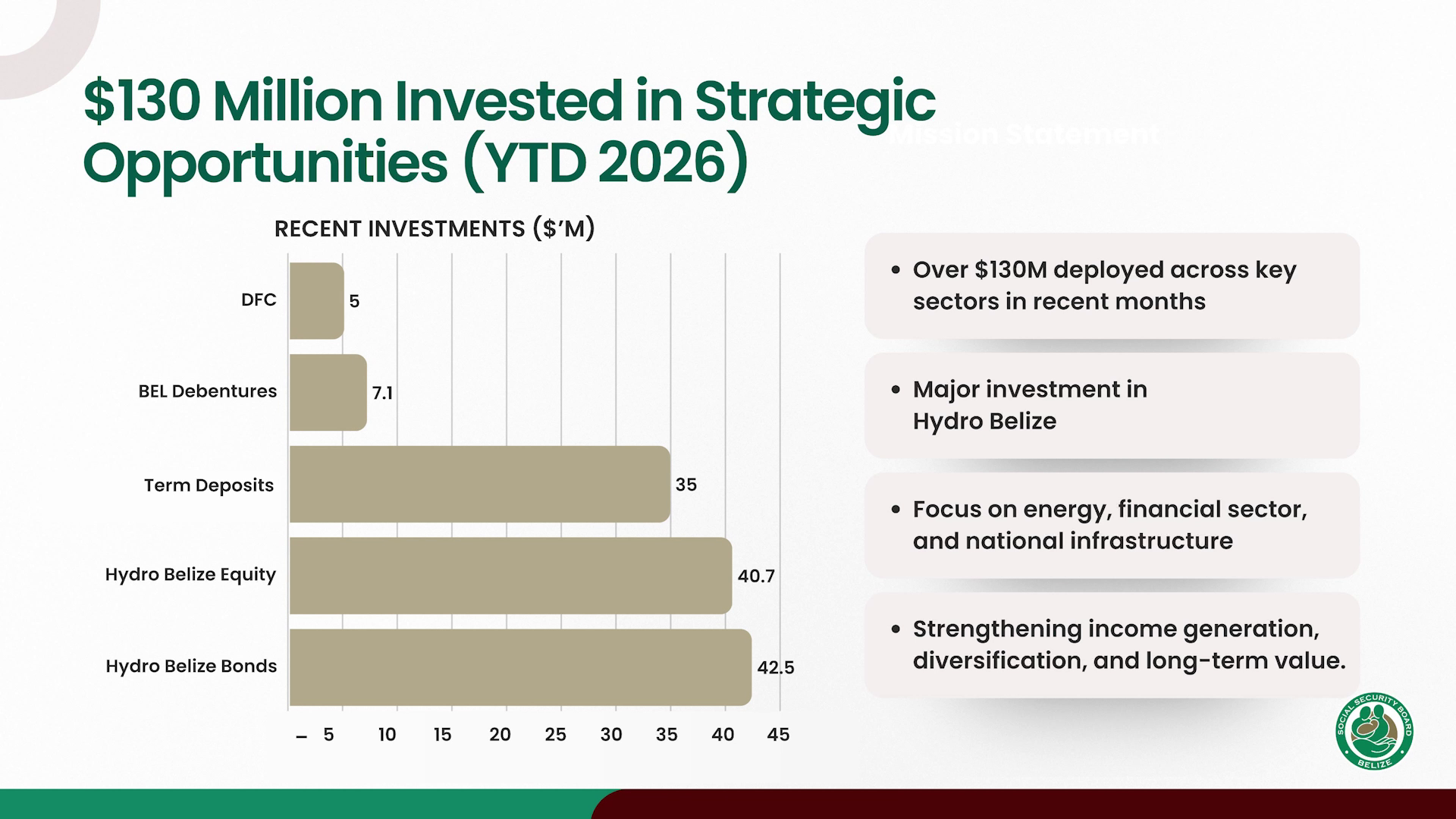
    Between January 1 and April 30 of 2026 alone, the Social Security Board (SSB) has deployed $130 million in new investments across domestic assets, marking an all-time high for any full year of SSB activity, let alone a four-month window. Leo Vasquez, SSB’s General Manager of Finance and Investment, laid out the details of the aggressive investment push, highlighting two Hydro Belize-linked assets as the largest contributors to the year’s unprecedented spending.

    Of the total new investment, $1.4 million has gone toward purchasing equity in Hydro Belize, the independent energy producer that was previously known as Fortis. This stake gives SSB a 30% holding in the firm and two seats on Hydro Belize’s board of directors. Unlike the utility provider BEL, which distributes power across the country, Hydro Belize handles the generation side of the market, supplying 100% of its output to BEL for distribution. SSB projects that the equity stake will generate roughly $4 million in annual dividend payments, and the board plans to hold this asset for far longer than the 20-year term of the second Hydro Belize investment.

    The second, larger Hydro Belize holding is a $42.5 million bond issue carrying a 6% annual return. This bond will mature in 20 years, at which point SSB will recoup the full principal investment. In addition to the Hydro Belize positions, the SSB’s new investments span a range of asset classes, from business loans to domestic commercial ventures and large-scale real estate developments.

    To date, the SSB’s total domestic investment portfolio stands at $654 million. Looking ahead, agency officials have confirmed that they are exploring opportunities to expand the fund’s reach into international markets, a move that would diversify SSB’s holdings and potentially open up new sources of returns to support future benefit obligations.

    This investment push comes as public retirement systems across small developing economies work to grow their asset bases fast enough to keep pace with rising pension demands as populations age. By accelerating investment activity now, SSB leaders say they are positioning the fund to maintain steady pension and benefit payouts to retirees for decades to come.

  • Saint Kitts and Nevis to establish High Commission in Singapore

    Saint Kitts and Nevis to establish High Commission in Singapore

    In a historic move set to reshape Caribbean diplomatic engagement in Southeast Asia, the Federation of Saint Kitts and Nevis has confirmed plans to open a new High Commission in Singapore, marking the first permanent diplomatic facility of any Caribbean nation in the city-state. The announcement was made by Senior Minister and Minister of Foreign Affairs, Right Honourable Dr. Denzil Douglas, during a May 6, 2026 appearance on the public affairs program *InFocus*.

    Dr. Douglas shared that the federation has already received formal agrément — the required approval from the host government for a planned diplomatic mission — and preparations are already underway to open the facility in the near future. Drawing a parallel between the two small nations, the foreign minister highlighted that Singapore’s track record of economic and governance success offers meaningful points of alignment for Saint Kitts and Nevis as it deepens ties with the Southeast Asian region.

    This milestone builds on a foundation of already warm, mutually respectful relations between the two countries. Currently, Saint Kitts and Nevis maintains non-residential diplomatic representation through an appointed Ambassador Extraordinary and Plenipotentiary based in Singapore, which has supported ongoing cooperation across multiple shared priority areas. The new permanent High Commission will expand this capacity, creating a dedicated on-the-ground hub to facilitate deeper dialogue, strengthen people-to-people connections, and unlock new collaborative opportunities.

    The decision to establish a Singapore mission comes on the heels of another recent diplomatic expansion: the opening of Saint Kitts and Nevis’ High Commission in India. In a reflection of the federation’s commitment to authentic global representation, both the upcoming Singapore mission and the already operational Indian mission will be led by resident diplomats who are citizens of the twin-island nation.

    Industry observers note that the move is part of a broader, deliberate strategy by Saint Kitts and Nevis to expand its diplomatic footprint across key fast-growing regions of the Indo-Pacific, opening new pathways for trade, investment, and multilateral cooperation that have previously been out of reach for small island developing states in the Caribbean.

  • New Drive to Level Parenting Support Across Belize

    New Drive to Level Parenting Support Across Belize

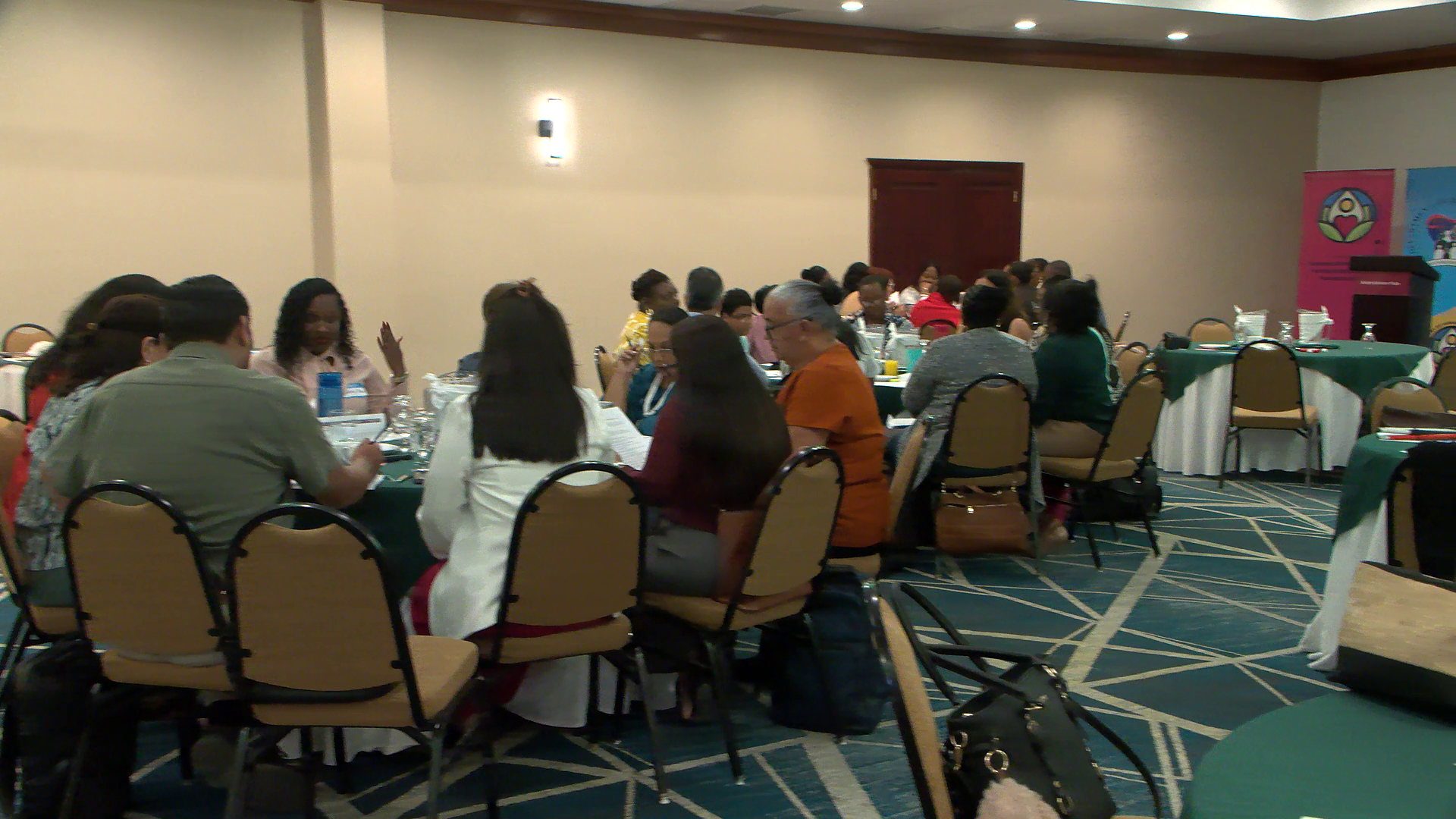
    In a landmark step toward strengthening child and family welfare across the nation, Belize has launched a new coordinated effort to standardize and localize parenting support resources, bringing together government bodies, child welfare advocates, and UNICEF for a foundational policy workshop on May 7, 2026.

    Ditching the outdated top-down policy development model that has left support fragmented for years, stakeholders gathered for the Parenting Guide and Policy Validation Workshop to co-design a unified national parenting framework tailored to the specific cultural and social context of Belize. The initiative addresses a longstanding gap: for years, organizations offering parenting education across the country have relied on inconsistent, externally sourced materials—some pulling guidance from Caribbean neighbors like Jamaica, others adopting resources from the U.S. or Europe, none aligned to Belize’s unique community needs.

    Diana Pook, Human Development Coordinator at Belize’s Department of Human Services, explained that the new framework grows directly from nationwide community consultations that revealed the scope of the inconsistency. “After a consultation, what we noted was that different organizations use different information to do their parenting workshops for parents throughout the country of Belize,” Pook said. “So what we did based on what we found at the consultations, we looked at what Belize has and what is culturally appropriate for Belize and putting it both in the policy and looking at the guide as well.”

    Shakira Sutherland, director of the National Commission for Families and Children (NCFC), emphasized that the collaborative, consultative process is designed to unify the work of the dozens of independent entities offering parenting support across Belize. Many of these groups have operated in isolation for years, unaware of the National Parenting Committee and lacking aligned guidance to serve families consistently. “It’s important for us to all be on the same page in terms of parenting, especially with our Belizean children,” Sutherland noted. The new national policy will serve as an overarching, up-to-date reference that reflects modern challenges facing Belizean families today.

    UNICEF Belize, which has partnered with the Belizean government and local agencies on the initiative, says that investment in evidence-based parenting support delivers widespread, long-term public benefits. Michelle Segura McGann, Child Protection Officer at UNICEF Belize, noted that global health and development bodies including UNICEF, the World Health Organization, and the Pan American Health Organization have all identified evidence-based parenting programs as key drivers to advance global sustainable development goals. These programs reduce violence against children, improve health and nutrition outcomes, and support holistic child development.

    “Parenting is a health issue, an education issue, a social protection issue,” McGann explained, adding that the new framework ties together a range of ongoing national programs focused on child development, from roving caregiver initiatives to nutrition schemes, education access efforts, and campaigns to end violence against children.

    The core goal of the national push is to eliminate geographic disparities in access to quality parenting support. Moving forward, organizers say, no matter where a family lives—whether in the northern district of Corozal, the urban center of Belize City, or the southern town of Punta Gorda—they will be able to access the same consistent, culturally appropriate level of support to build healthy, strong homes for children. The report was filed by News Five’s Shane Williams from the workshop.

  • Viral Child Abuse Video Forces Belize to Rethink Discipline

    Viral Child Abuse Video Forces Belize to Rethink Discipline

    In what has become a defining moment for child welfare reform in Belize, a widely shared viral video depicting alleged abuse by a serving police officer against his stepchild has forced the small Central American nation to confront long-simmering gaps in its approach to child discipline and protection. The footage, which features officer Philip Garbutt, has split public opinion sharply across the country: while thousands have voiced outrage over what they label clear child abuse, a significant portion of the public has defended the actions as a traditional form of strict parental discipline, laying bare a deep cultural divide on the boundaries of punishment for children.

    Child protection advocates emphasize that the incident is far more than an isolated case of parental violence. Instead, they argue, it lays bare a systemic failing: Belize’s child protection framework has long operated on a reactive model, only intervening after harm has already occurred to vulnerable children, rather than putting proactive measures in place to stop abuse before it starts.

    UNICEF’s Belize office has now called for an urgent national shift, moving beyond public anger toward tangible policy and systemic change that prioritizes prevention of violence against children. Michelle Segura McGann, Child Protection Officer for UNICEF Belize, outlined the organization’s path forward for the country.

    “Our role is to support the government of Belize in strengthening child safeguarding,” Segura McGann explained. “Currently, we are working to build out a coordinated national child protection mechanism, led by the Ministry of Human Development, Family Support and Gender Affairs and the High Court. This new framework will bring all relevant stakeholders together to address child violence through an evidence-based approach.”

    Segura McGann stressed that the current system is structured to respond to abuse after it happens, when the damage to children is already done. “We need to shift from a reactive model to a proactive one that centers prevention,” she said. This call is backed by data: a 2023 national evaluation of Belize’s child protection system found clear evidence that widespread preventative infrastructure is urgently needed to reduce rates of child violence across the country.

    This report is a transcript of a televised evening newscast, with Kriol language content transcribed using a standardized spelling system.

  • Social Workers Examine Lasting Effects of Colonialism

    Social Workers Examine Lasting Effects of Colonialism

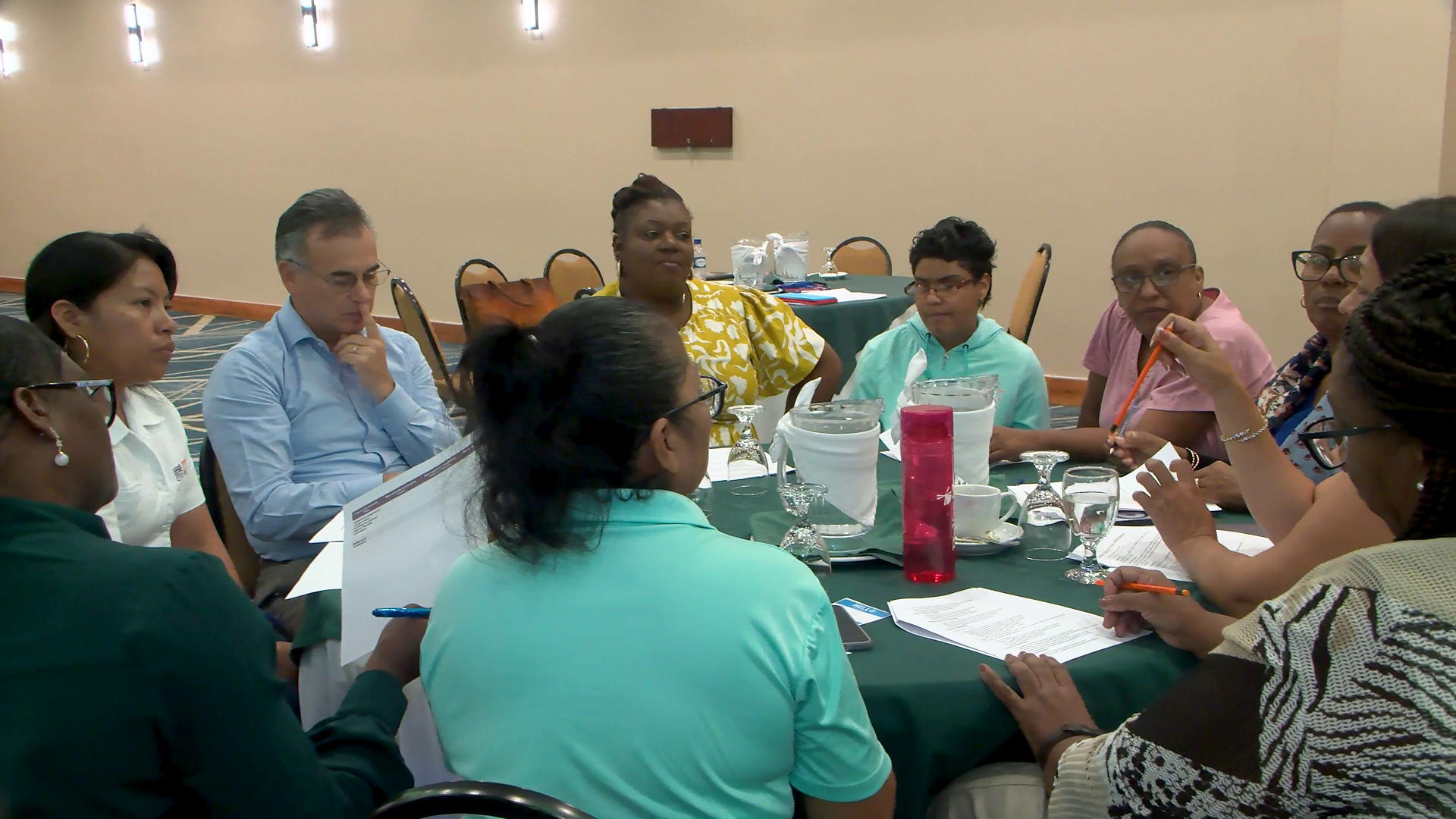
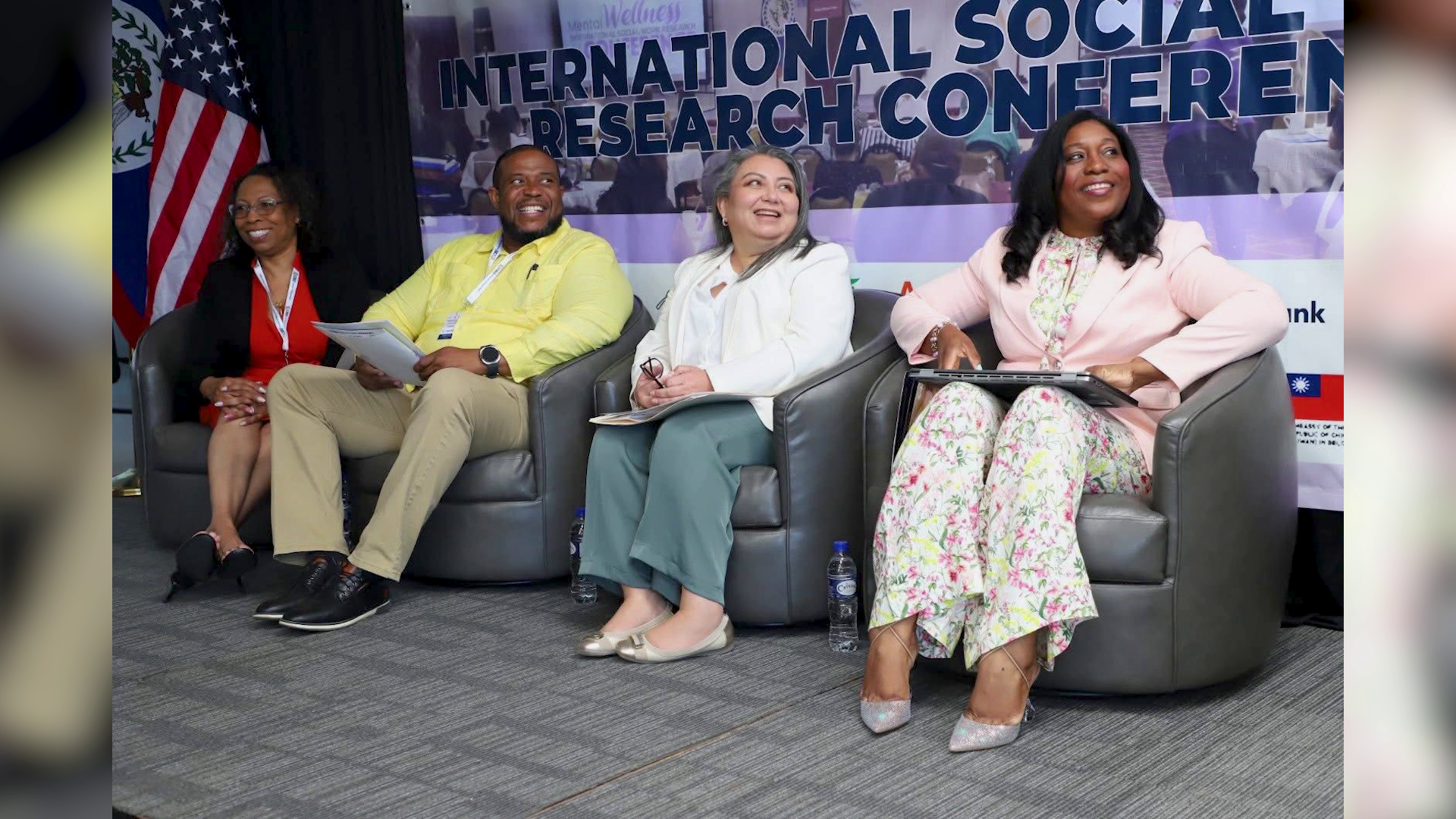
    Opening this week at the University of Belize’s Faculty of Health Sciences, the 2026 International Social Work Research Conference has drawn global attention to the intergenerational scars of colonialism that continue to shape mental health and social outcomes across Caribbean communities. Co-hosted by three academic institutions — the University of Belize, Galen University, and California Baptist University — the five-day gathering convenes a diverse cross-section of stakeholders: practicing social workers, academic researchers, graduate and undergraduate students, and grassroots mental health advocates, all united by a shared goal of unpacking historical harm and advancing inclusive healing practices.

    Central to conference discussions is the urgent question of how unaddressed colonial exploitation, displacement, and cultural erasure have created cycles of generational trauma that persist in Belize and the broader Caribbean region decades, even centuries, after formal colonial rule ended. Attendees are not only documenting the widespread impact of this trauma on community well-being, but also collaborating to design culturally responsive care models that center indigenous and local knowledge systems, rather than relying on one-size-fits-all frameworks imported from high-income Western nations. Organizers and participants alike share a core vision: to leverage evidence-based research and community-centered social work to build more equitable, healthy, and self-determined societies across the region.

    Despite this momentum, attendees acknowledge a major systemic barrier remains: many national and regional development stakeholders still frame mental health as a secondary, low-priority issue, rather than a foundational pillar of sustainable national growth for Belize. Conference organizers hope that the collective findings and conversations from the event will help shift public and policy discourse, making the case that addressing historical trauma and expanding access to mental health care is critical to unlocking long-term social and economic progress for Belize’s communities.

  • A Rare Break for Belize City’s Overworked Nurses

    A Rare Break for Belize City’s Overworked Nurses

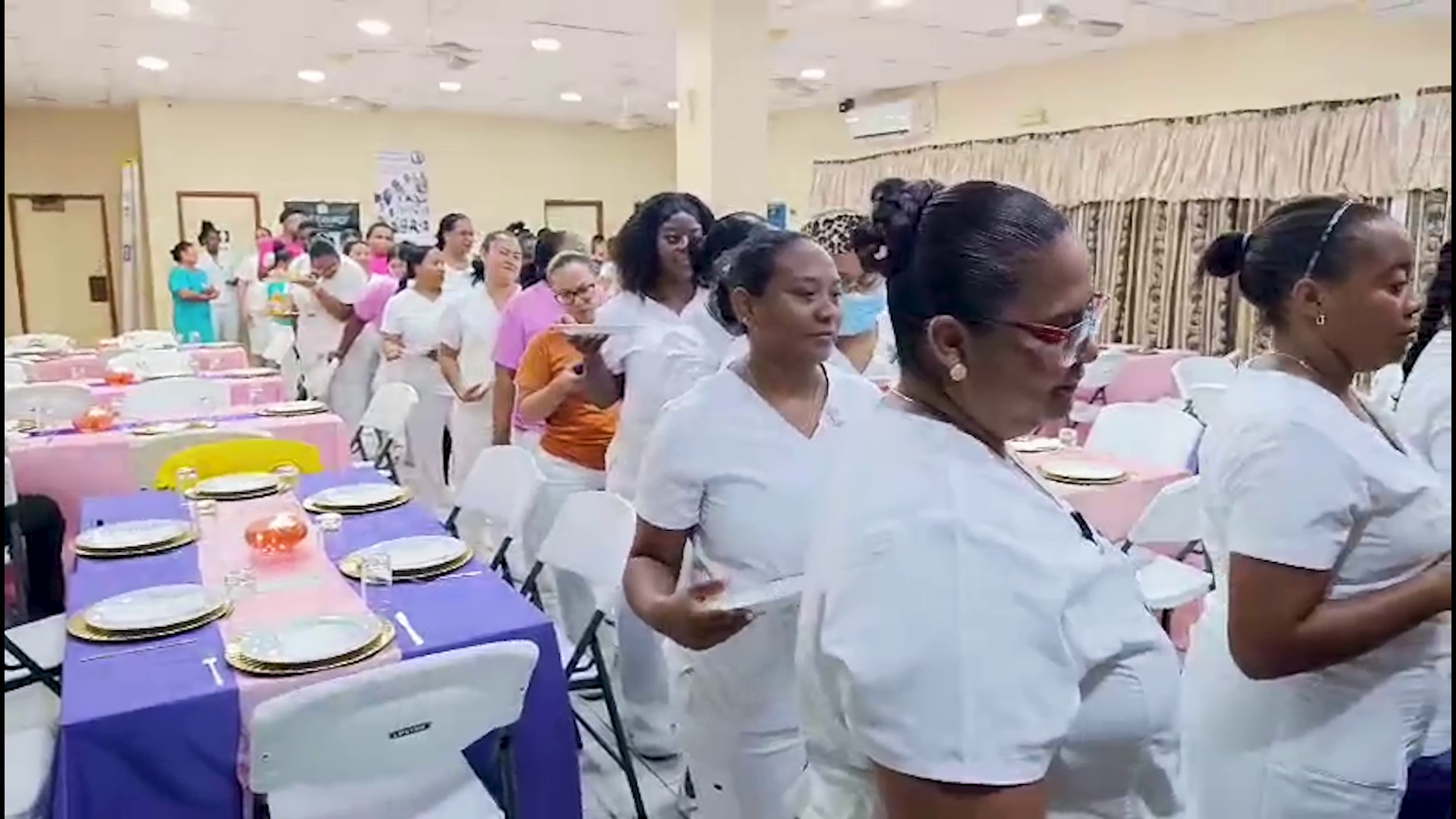
    Nurses form the invisible backbone of global healthcare systems, working grueling, high-stakes shifts to prioritize patient care above their own basic needs. For countless nursing professionals across Belize, long stretches of nonstop clinical work often mean skipping meals, ignoring burnout symptoms, and setting aside personal wellness to keep wards running smoothly. In a rare, intentional gesture of recognition, Belize’s Fort George Hotel and Spa stepped forward on May 7, 2026, to host a free appreciation breakfast for clinical staff at Karl Heusner Memorial Hospital, offering overworked nurses a precious moment to step away from workplace pressure and recharge.

    Far more than a free meal, the event created a space that nurses almost never access during a standard workday: unhurried time to connect with colleagues, breathe, and feel seen for their relentless contributions. Shauna Arnold, Marketing Executive at Fort George Hotel and Spa, opened the gathering by centering the 2026 event theme: “Our Nurses, Our Future, Empowered Nurses Save Lives.” Arnold emphasized that this phrase is far more than a superficial slogan—it is a core truth that underscores the foundational role nurses play in every healthcare system.

    Addressing the attending nurses directly, Arnold highlighted the irreplaceable work they carry out daily: “You are the constant in moments of uncertainty. You are the steady hands in times of crisis, the compassionate voices that bring comfort, and the skilled professionals who ensure that care is not only delivered, but delivered with dignity.” Every shift, every patient interaction, and every critical call nurses make shapes patient outcomes, restores shattered hope, and saves countless lives on a daily basis, she added.
    Arnold went on to stress that nurse empowerment is not an optional add-on to healthcare policy—it is an absolute necessity. True empowerment for nursing professionals means consistent access to up-to-date training, adequate clinical tools, institutional trust, and ongoing support that allows them to act decisively and confidently in high-pressure scenarios. When nurses feel empowered and supported, Arnold argued, entire healthcare systems grow stronger, patient health outcomes improve, and whole communities reap the benefits. “Simply put, when you are supported, all of us benefit,” she told the gathered crowd.

    The event comes amid a growing global and local movement to address crippling nurse burnout, a widespread crisis that has pushed healthcare leaders and community organizations to prioritize nurse wellbeing as much as the care they deliver to patients. For too long, industry norms have expected nurses to sacrifice their own health to serve others, but shifting attitudes are now highlighting that supporting nurses’ personal needs is a critical step toward sustaining a functional, compassionate healthcare system. This small community gesture in Belize City offers one model for how local organizations can step in to recognize and uplift the nursing professionals that keep communities healthy.

  • From Sierra Leone to Soulful Belonging in Belize

    From Sierra Leone to Soulful Belonging in Belize

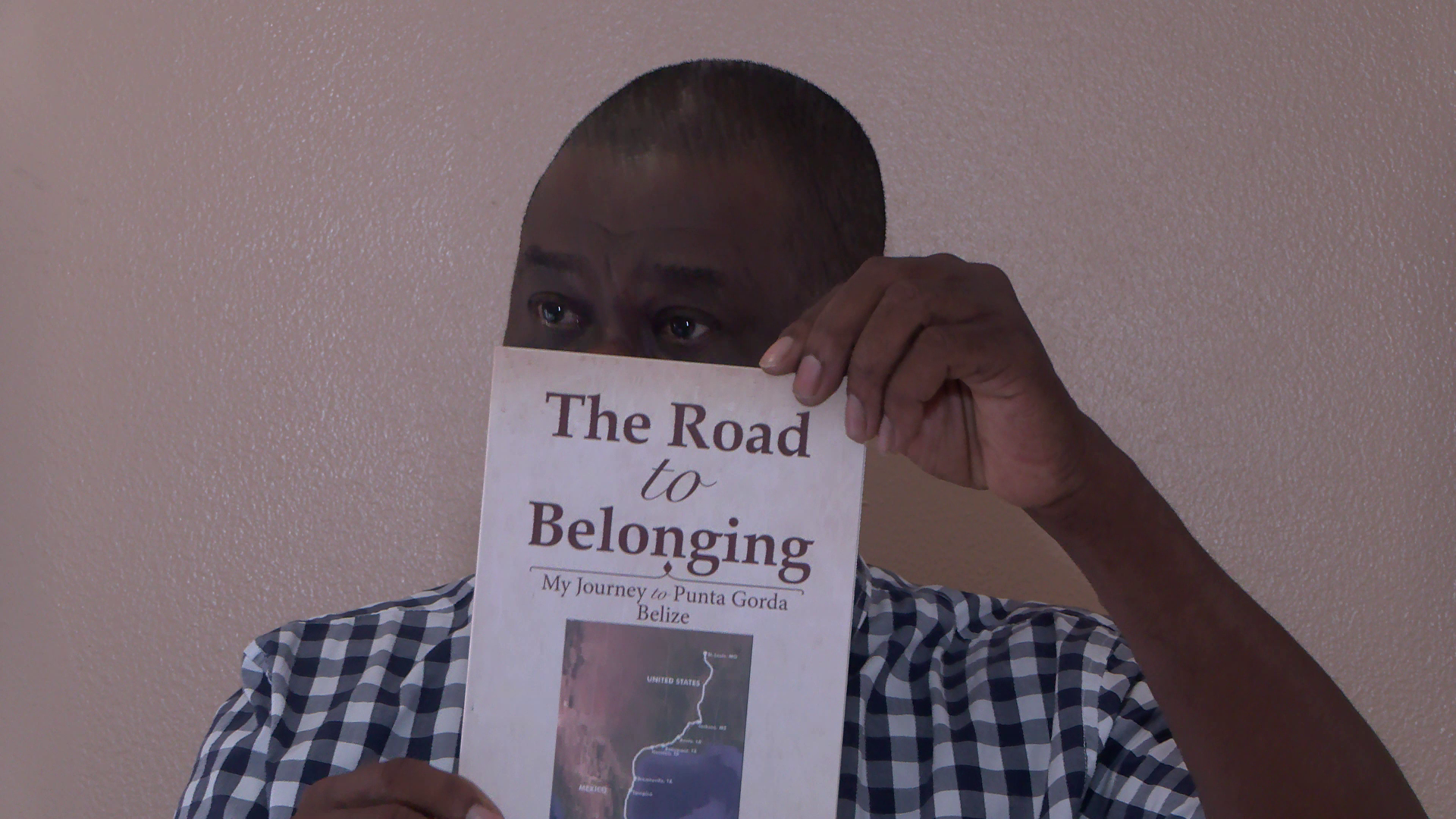
    For author Francis Mandewah, a life spent chasing opportunity after escaping hardship in war-ravaged Sierra Leone would ultimately lead him to a place he never expected to call home: Punta Gorda, a quiet coastal town on Belize’s southern edge. In his newly released memoir *The Road to Belonging: My Journey to Punta Gorda Belize*, Mandewah unpacks eight years of building connection, embracing culture, and discovering the unexpected spiritual kinship that turned a retirement destination into the sense of belonging he spent a lifetime searching for.

    Mandewah’s path to Belize began decades earlier, shaped by a fateful encounter that changed the trajectory of his life. Born into deep poverty in Sierra Leone, a country fractured by civil conflict and dominated by large-scale diamond mining, Mandewah met Thomas Johnson, a white American pilot who worked transporting diamond shipments for the mining industry. Johnson, a devout Christian, saw potential in the young Mandewah and extended a life-changing opportunity: he covered the cost of his education, enrolled him in a Catholic boarding school, and later brought him to the United States to build a new life. When Mandewah reached retirement, he made the deliberate choice to leave the U.S. and settle in Punta Gorda, a choice rooted in a surprising intuitive connection.

    “What drew me to Punta Gorda was the deep alignment between the local community and my African roots,” Mandewah explained in an exclusive interview with News Five. “I felt a kinship there that I couldn’t shake.” That connection was immediately affirmed when he met Leila Vernon, widely known as the Queen of Bruk Down, one of three iconic Belizean women whose kindness and acceptance are central to his story. When Mandewah introduced himself as a native of Sierra Leone’s capital Freetown, Vernon’s response was instant and warm: “You are welcome home. We have a connection between Belize and Sierra Leone — in fact, we have a major street right here in Punta Gorda called Freetown Road.” That greeting, Mandewah says, was the first of many moments that cemented his place in the community, as Vernon and the other two women welcomed him as one of their own family.

    The book weaves together intimate personal anecdotes, observations of Belizean coastal culture, and reflections on what it means to find belonging long after leaving one’s country of birth. What began as a simple plan to retire in a quiet, culturally connected corner of the world became a transformative journey that reshaped Mandewah’s understanding of home, forever changed by the deep bonds he formed with the people of Punta Gorda. This report is adapted from a televised newscast transcript published by News Five.

  • From local acts to Ada Ehi and Tye Tribbett, Kingdom Night delivered

    From local acts to Ada Ehi and Tye Tribbett, Kingdom Night delivered

    Against the backdrop of the iconic Saint Lucia Jazz and Arts Festival, a one-of-a-kind worship-focused experience is solidifying its unique standing as a fan-favorite staple: Kingdom Night. Unlike the festival’s mainstage spectacle at Pigeon Island, where audiences typically leave their seats behind as darkness falls, the 2026 iteration of Kingdom Night offered something entirely different — a quiet, intentional space for reflection and connection amid the island’s busy celebration of art and sound.

    From the opening chords to the final encore, many attendees chose to remain seated throughout the entire experience. In most large festival concerts, this static crowd dynamic might signal a disconnect between performers and their audience. But at Kingdom Night, it carried the opposite meaning: a deep, engaged absorption in every lyric, every message, and every note. As artists wove together musical performances and spoken preaching, audience members hummed along, softly echoed refrains back to the stage, lifted their hands in devotion, and tilted or bowed their heads in quiet reflection. What unfolded was not a raucous mainstage party, but an intimate, deeply personal concert experience that resonated with everyone in attendance.

    The evening opened with a stacked lineup of local and emerging Christian artists, including the James Sisters, Dr. Selma St. Prix, ShirleyAnn Cyril-Mayers, Nigela St. Clair-Daniel, Steffi-Ann St Clair, and Dwayne Brown, backed by a team of talented supporting vocalists. Their sets leaned into the rich, chorus-centered worship music familiar to Christian communities across the globe, and the uplifting melodies reverberated across the open park. The performance drew a warm, enthusiastic reception from a cross-generational crowd that included men, women, and children of all backgrounds.

    One of the night’s most energetic standout moments came from Arnold AJ Jules, who brought an infectious, electrifying spark to the stage with his signature fiery style of gospel rap. His high-octane set whipped the crowd into engaged excitement, turning the energy of the venue up several notches ahead of the night’s headliners.

    When celebrated gospel star Ada Ehi stepped into the spotlight, the atmosphere of the venue shifted once again. Drawing from her deep catalogue of beloved praise and worship hits, Ehi crafted a fully immersive experience that pulled even the most reserved attendees to their feet. Fans danced, jumped, and sang along to every word, bridging the gap between stage and audience in a shared celebration of faith and music.

    Closing out the night in dynamic, commanding fashion was headliner Tye Tribbett. Bursting with unbridled energy from his first entrance, Tribbett’s set masterfully blended rapid dance movement, exuberant worship, and heartfelt preaching. Like every performer before him that evening, he moved seamlessly across varying musical moods, catering to the wide range of preferences among the diverse crowd. From fast, high-energy praise anthems to the moving, reverent classic “Yeshua” — which hush the entire venue into a soft, unified singalong that hung in the night air — Tribbett delivered a performance that gave Kingdom Night 2026 a truly unforgettable closing.

  • Politiebond spreekt van ernstige verstoring overleg met korpsleiding

    Politiebond spreekt van ernstige verstoring overleg met korpsleiding

    A major rift has emerged between Suriname’s national police leadership and the Suriname Police Union, after the union launched a forceful protest over the sudden termination of a high-stakes negotiating session between the two parties last Wednesday.

    The breakdown of talks, held on May 6, centered on a disagreement over the participation of one union board member who has been temporarily suspended from active police duty pending an ongoing internal investigation. Police leadership took the firm position that the suspended member was not eligible to join the consultation as a representative of the union. When no compromise could be reached on the issue, senior police leaders exited the meeting room early, bringing the entire session to an unplanned close.

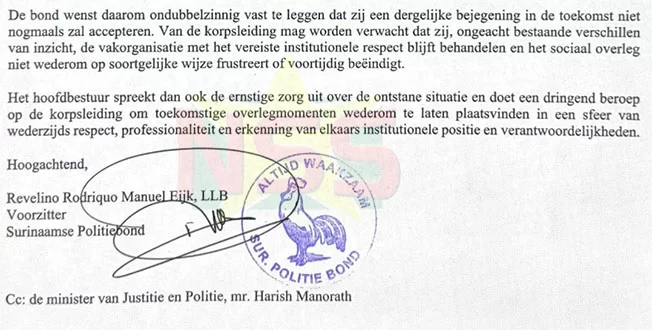
    In an official protest letter addressed to National Police Chief Melvin Pinas, union chairman Revelino Eijk has labeled the incident a “serious incident” that inflicts lasting damage on the institutional relationship between police command and the country’s police labor organization. Eijk emphasized that the abrupt end to talks has put the entire framework of social negotiation between the two sides under severe strain, leaving a slate of critical issues related to the welfare of rank-and-file officers and organizational development completely unaddressed.

    The union has pushed back firmly against police leadership’s stance, noting that the suspended board member attended the meeting in their capacity as a democratically elected representative of the labor union, not as an active duty police officer. The union maintains that the authority to decide the composition of its own negotiating delegation rests exclusively with the union itself, not with police management.

    To back its position, the organization cites Article 4 of Suriname’s 2016 Law on Trade Union Freedom, adopted on December 15 that year. The legislation explicitly prohibits employers from implementing discriminatory measures against trade union board members or representatives. The union argues that police leadership’s actions create the clear impression that the board member is being treated unequally and subjected to restricted treatment solely because of their role in the union.

    Eijk stressed that walking away from the table does nothing to foster a mature, constructive working relationship between the two sides. Differences of opinion could have been worked through through open dialogue, the union says, without shutting down the entire consultation process entirely. The incident represents a serious disruption to social dialogue that undermines healthy labor relations, mutual institutional respect, and productive collaborative work, the union added.

    This is not the first time the union has raised concerns about the dynamic between the two organizations: Eijk noted that the union has previously reminded police leadership of the critical importance of mutual respect, open communication, and respectful institutional engagement in the partnership between the two groups. The union is now calling for future negotiating sessions to be held in an environment rooted in professionalism, mutual respect, and open, constructive dialogue. A copy of the protest letter has also been sent to Harish Monorath, Suriname’s Minister of Justice and Police, for further review.

  • SSB Reviews Plan That Could Change Your Pay Cheque Deductions

    SSB Reviews Plan That Could Change Your Pay Cheque Deductions

    Scheduled for implementation discussion by 2026, a fundamental restructuring of Belize’s social security contribution system is moving forward, with the Social Security Board (SSB) currently refining a landmark proposal that would reshape how workers’ payroll deductions are calculated. The reform effort comes after months of extensive nationwide outreach that gathered input from government representatives, labor unions, business owners, and working people across the country, representing more than 1,000 individual stakeholders.

    For decades, Belize has relied on a rigid wage-band framework that divides workers into 13 distinct contribution tiers based on their earnings brackets. This long-standing system is now targeted for replacement under the SSB’s proposal, which would shift to a proportional income-based calculation structure. Board officials argue that the update would streamline administrative processes, create a more transparent deduction system, and boost overall operational efficiency for both the agency and contributing employers.

    One of the most consequential proposed updates addresses the contribution floor — the minimum earnings base used to calculate Social Security deductions. This figure has not been adjusted since 2001, remaining stuck at $55, and the proposal would raise it to $130 to align with decades of wage growth and economic change in Belize.

    According to SSB Chief Executive Officer Jerome Palma, early public feedback has already shaped the trajectory of the reform, leading the board to walk back an initial plan for a universal one-size-fits-all flat contribution model. During consultations, lower-income workers and advocacy groups raised consistent concerns that a single flat rate would disproportionately increase payroll deductions for the lowest earning cohorts, leaving them with a higher proportional burden than they face under the current system.

    After compiling and analyzing feedback from the first round of engagement, the board confirmed that there is broad public support for a multi-tiered proportional system that would apply different rules to lower, middle, and higher income groups to ensure fairness across earnings levels. The SSB will now revise the draft proposal to incorporate this input, with plans to launch a second round of public consultations later this year to gather additional feedback before finalizing any changes.