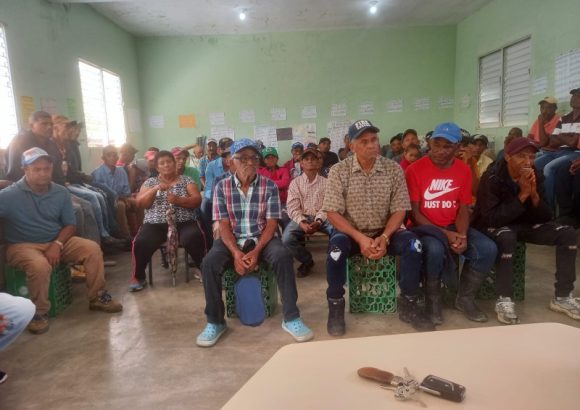
The Dominican Republic’s coffee sector is grappling with a deeply concerning paradox that threatens the long-term survival of local producers, industry leaders have warned. The National Network of Coffee Producers and Entrepreneurs (Reproca) and subsector stakeholders are sounding the alarm over a lopsided market dynamic: even as Dominican coffee has earned a reputation for rising quality and global prices hit historic highs, between 60% and 70% of all coffee consumed within the country’s borders is imported.
This massive inflow of foreign-sourced coffee is draining the nation’s foreign exchange reserves at an alarming rate. Data from the sector shows that in 2023 alone, the cost of imported coffee totaled $54.6 million – a sum that industry leaders say could otherwise circulate through the Dominican local economy, supporting domestic farming communities and small-scale producers. Instead, these revenues flow to coffee-growing powerhouses including Brazil, Vietnam, Honduras and El Salvador, where the bulk of the imported beans originate.
Enrique Chalas, official spokesperson for Reproca, explained that the uneven dynamic is slowly eroding the viability of domestic coffee production. A key aggravator, he notes, is the stark quality divide between exported and domestically sold coffee: while the Dominican Republic ships high-grade premium beans to international buyers, most of the imported coffee sold to local consumers is low-quality commodity product that undercuts local producers on price.
Chalas refers to recent years as the sector’s “Lost Years,” highlighting a troubling disconnect between soaring global prices and stagnant local producer profits. Global market shifts have pushed prices up dramatically, quadrupling from 5,500 Dominican pesos per quintal in 2021 to a projected 23,000 pesos per quintal by 2025. Yet even with this massive price surge, local producers have not seen corresponding gains, because domestic output has failed to grow to meet local demand.
Industry leaders place much of the blame on years of government inaction and ineffective institutional support. Reproca’s analysis found that the Dominican Coffee Institute (Indocafé), the state body tasked with supporting the coffee sector, has received roughly 350 million pesos in annual public funding over the past six years – almost all of which has gone toward covering administrative payroll costs. Almost no funding has been directed toward the core services producers need: technical assistance, investment in economic infrastructure, and social support for rural coffee-growing communities. This lack of support has triggered a wave of outmigration, as young people growing up in coffee regions abandon farming for better economic opportunities in urban centers.
Compounding the crisis is the lack of clear regulation around undocumented foreign labor in the coffee sector, which has created unfair market imbalances for local producers that comply with labor rules, industry leaders say.
Reproca is calling on the Dominican government to designate coffee cultivation as a national strategic priority. Local producers say they have the capacity to meet up to 90% of the country’s domestic coffee demand if targeted policy interventions are put in place. Beyond supporting the domestic economy, expanding local coffee production would deliver critical environmental benefits: coffee grown under agroforestry systems acts as a natural water regulator, supporting higher freshwater output and bolstering the country’s hydroelectric energy conservation. This aligns with widespread national consensus around the urgent need to protect ecosystems and expand access to freshwater for a growing population whose demand is rising every year.
Chalas emphasized that revitalizing the domestic coffee sector also advances broader goals of rural development and food security, since coffee farms in the Dominican Republic are almost always integrated with production of core food crops that make up the national food basket. Resolving the barriers holding back coffee farming would therefore deliver cascading benefits across the Dominican rural economy and national food system.