作者: admin

  • British cricket coach completes batting camp in Saint Lucia

    British cricket coach completes batting camp in Saint Lucia

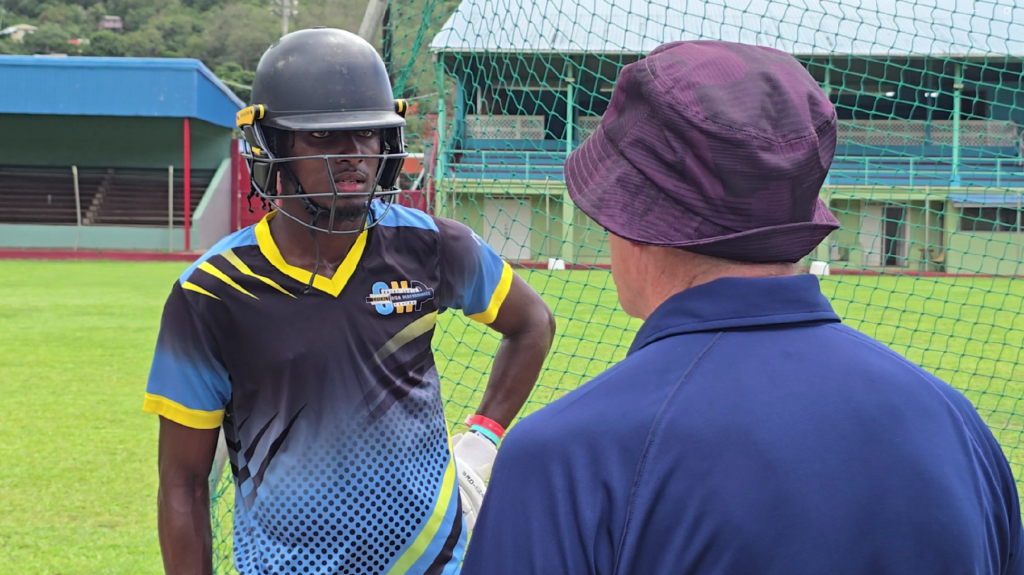
    Eight days of intensive high-performance batting training for some of Saint Lucia’s most promising top cricketers has come to a close, with sessions held across two iconic venues: Mindoo Phillip Park and the Daren Sammy Cricket Ground. Under the guidance of veteran British coach Bob Carter, who brings more than two decades of elite coaching experience honed in New Zealand, participating players have deepened their skills across technical batting, mental game preparation and competitive match tactics.

    Carter worked closely throughout the camp with three standout local talents: rising West Indies top-order batter Ackeem Auguste, Kimani Melius, captain of the Windward Islands team, and Shadrack Descarte, a former all-rounder for the Saint Lucia Kings franchise. The specialized training camp was organized jointly by the Saint Lucia National Cricket Association and the Saint Lucia Cricket High Performance Centre (SLCHPC), which specifically brought Carter in as an elite international batting consultant to elevate local programming.

    Craig Emmanuel, SLCHPC chairman and a former first-class cricketer, outlined the core vision guiding the invitation of the international coach. He explained that the camp was designed first and foremost to benefit high performance centre attendees of all genders, alongside young male players undergoing senior national trials, and any other emerging cricketers seeking to gain from the specialized experience.

    Emmanuel shared that the camp has already driven measurable shifts in player mindsets, with many athletes adopting Carter’s core mantra of prioritizing aggressive batting before adjusting to defensive play as needed. While the camp referenced the popular England “Bazball” approach to aggressive batting that has taken the international cricket world by storm in recent years, Emmanuel emphasized that adaptability and technical flexibility remain core pillars of a successful professional cricketer – values that Carter has worked hard to instill in the participating young players.

    Organizers, local coaching leadership and Carter himself all issued positive assessments of the participating players and coaching staff that took part in the camp. Carter, who currently coaches in England after his long tenure in New Zealand, noted that Saint Lucia is home to no shortage of elite, naturally talented cricketers. Only small, targeted adjustments are needed to prepare many of these players to advance to higher levels of professional competition, he added.

    The veteran coach also praised the SLCHPC’s structure, calling it an outstanding development pathway that prepares local players to progress to first-class cricket with the Windward Islands, and potentially even higher international ranks. What he observed during the 8-day camp was a comprehensive, holistic development program that addresses every pillar of cricketer success, from technical skill and tactical thinking to physical conditioning, mental resilience, and overall athlete well-being – a framework he described as deeply impressive.

    Carter also highlighted collaborative knowledge-sharing sessions with local Saint Lucian coaches, an initiative that builds on two prior high-level cricket development events held earlier this year: a coaching clinic led by West Indies Academy head coach Ramesh Subasinghe, and an official coaching course run by the Cricket West Indies Foundation. He noted that local coaches brought remarkable enthusiasm to the sessions, producing engaging discussions that extended far beyond planned timelines.

    “We scheduled an hour for one of these sessions, but the flood of insightful questions pushed it out to two and a quarter hours,” Carter recalled. “Many of the questions really got me thinking, and coaches also shared their own on-the-ground experiences with me. It was a true two-way exchange.” For the long-time coach, who spent most of his career working in New Zealand before moving to England, the opportunity to engage with Saint Lucian coaches and see the local development program firsthand has been illuminating. The depth of coaching talent and the structured pathway in place bodes extremely well for the future of cricket in Saint Lucia, he concluded.

  • Boland scores 29 as Dominica falls to Turks and Caicos in FIBA AmeriCup Pre-Qualifier opener

    Boland scores 29 as Dominica falls to Turks and Caicos in FIBA AmeriCup Pre-Qualifier opener

    The road to FIBA AmeriCup 2029 got off to a tough start for Dominica’s senior men’s national basketball team, the Bouyon Ballers, who dropped their opening Caribbean Pre-Qualifiers matchup to the Turks and Caicos Islands by a final score of 81-64. While the result was disappointing, the team delivered a gritty second-half performance highlighted by a career-defining outing from star guard Ethan Boland, leaving fans and staff optimistic about what comes next.

    According to an official press statement released by the Dominica Amateur Basketball Association (DABA), the opening match set a challenging tone from the opening tip. Turks and Caicos jumped out to an early advantage, taking the first quarter 21-16 and repeating that scoring margin in the second frame to enter halftime with a comfortable 42-32 lead. For much of the first 20 minutes, Dominica struggled to find its offensive rhythm, particularly from long range, allowing their opponents to dictate the pace of play.

    Coming out of the halftime locker room, however, Dominica flipped the script. The Bouyon Ballers turned in their most dominant stretch of the contest, outscoring Turks and Caicos 19-15 in the third quarter and trimming the once double-digit deficit to just six points heading into the final 10 minutes. The comeback push put Dominica within striking distance of a stunning upset, bringing energy back to the side and silencing early doubts about their ability to compete at the regional level.

    Unfortunately for Dominica, Turks and Caicos regained their control of the game in the closing quarter. The side stepped up its defensive intensity, limiting Dominica to just 13 points, while knocking down 24 points of their own to lock in the 17-point win. The final scoreline masked how competitive the contest was for long stretches, with statistical breakdowns showing the two teams were closely matched across most key categories.

    Boland, Dominica’s standout player, led all scorers in the matchup with an impressive 29 points, accounting for more than a third of his team’s total offensive output. He was the driving force behind the third-quarter comeback, keeping Dominica in the game when it would have been easy for the side to fold under pressure. From the field, Dominica finished the game with a 36% shooting percentage, compared to 39% for Turks and Caicos. The two sides were nearly identical on two-point attempts, with Dominica hitting 46.3% of its looks and Turks and Caicos converting 46.9% of theirs.

    The one glaring gap that ultimately decided the contest was three-point shooting, DABA confirmed in its release. Dominica converted just 12.5% of its attempts from beyond the arc, a cold stretch that left too many points on the table and prevented the side from completing its second-half comeback. The team fared much better at the charity stripe, knocking down 71.4% of its free throw attempts to stay within reach.

    Despite the opening loss, DABA emphasized that the third-quarter performance proved Dominica can compete with higher-ranked regional sides even after falling behind early. The biggest takeaway from the matchup is the need to sustain that level of intensity and offensive aggression across all four quarters, a key adjustment the team will focus on ahead of its next contest.

    Now, the Bouyon Ballers face a quick turnaround ahead of their second group stage matchup, where they will take on tournament hosts Guyana on the evening of July 10. Playing on the host’s home court will present a new set of challenges, but team representatives say the side is already focused on bouncing back and picking up its first win of the pre-qualification tournament.

    In the days between matches, the coaching staff and players will prioritize physical recovery, fine-tuning tactical strategies, and fixing the three-point shooting inconsistency that derailed their opening game comeback bid. For the Dominican national basketball program, the FIBA AmeriCup 2029 Caribbean Pre-Qualifiers represent far more than just a qualification run: it is a critical milestone that gives emerging local players invaluable high-level international experience as they progress along the regional qualification pathway. With one game down, the Bouyon Ballers remain locked in on their goal of advancing out of the pre-qualifiers, DABA added.

  • Alexander shines as Barbados remain unbeaten at Americup qualifiers

    Alexander shines as Barbados remain unbeaten at Americup qualifiers

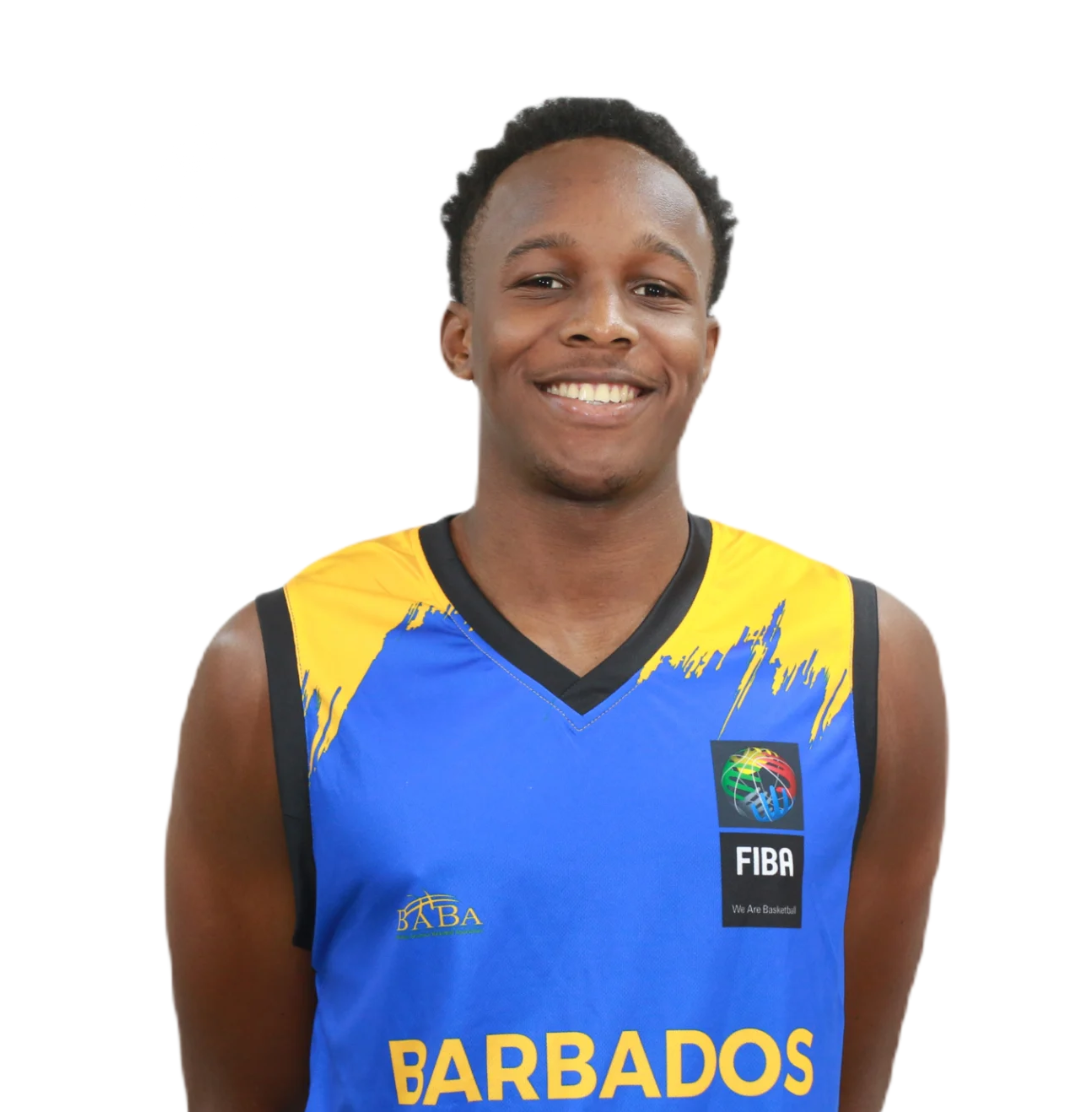
    A standout 36-point performance from star forward Kyrone Alexander propelled Barbados to a dominant 23-point victory over Haiti on Thursday, marking their second consecutive win at the FIBA Americup 2029 Caribbean Pre-qualifiers being held in Guyana. The game, hosted at Georgetown’s Cliff Anderson Sports Hall, got off to a rocky start for the Barbadian side, as Haiti grabbed an early six-point advantage, closing out the first quarter 27-21.

    Barbados’ coaching staff quickly adjusted their game plan to counter Haiti’s opening momentum, and the team executed the changes to perfection in the second quarter. By halftime, they had clawed their way back to take a slim two-point lead, 47-45, setting the stage for a dominant second half.

    Maintaining consistent defensive pressure and clinical shooting, Barbados extended their lead to six points by the end of the third quarter, holding a 67-61 edge heading into the final frame. The game completely tipped in Barbados’ favor in the fourth quarter, as Haiti’s offense collapsed entirely – the Haitian side only managed to put seven points on the board in the final 10 minutes, allowing Barbados to expand their lead to a lopsided 23 points by the final buzzer.

    Beyond Alexander’s career-best performance, which also included eight rebounds, Barbados received solid contributions from supporting players: Carl Thorpe chipped in 20 points, while Akeem Marsh added 11 points to round out the team’s double-digit scorers.

    Thursday’s win over Haiti comes on the heels of an 89-54 blowout victory against the Cayman Islands just one day prior, putting Barbados at 2-0 to open their Group B campaign. After a scheduled rest day on Friday, Barbados will return to the court for two crucial remaining group stage matches: they face Grenada on Saturday, followed by a match against St Vincent and the Grenadines on Sunday.

    Only the team that finishes atop Group B will earn a spot in the next round of qualifying, making Barbados’ back-to-back opening wins a major boost to their advancement hopes.

  • Former Police Says Antigua Not Equipped to Handle Third-Country Deportees

    Former Police Says Antigua Not Equipped to Handle Third-Country Deportees

    A retired senior law enforcement leader in Antigua and Barbuda has sounded a stark alarm over the Caribbean nation’s ability to absorb a planned influx of third-country deportees sent from the United States, warning that the arrangement would deepen already severe public safety and policing challenges the country currently faces.

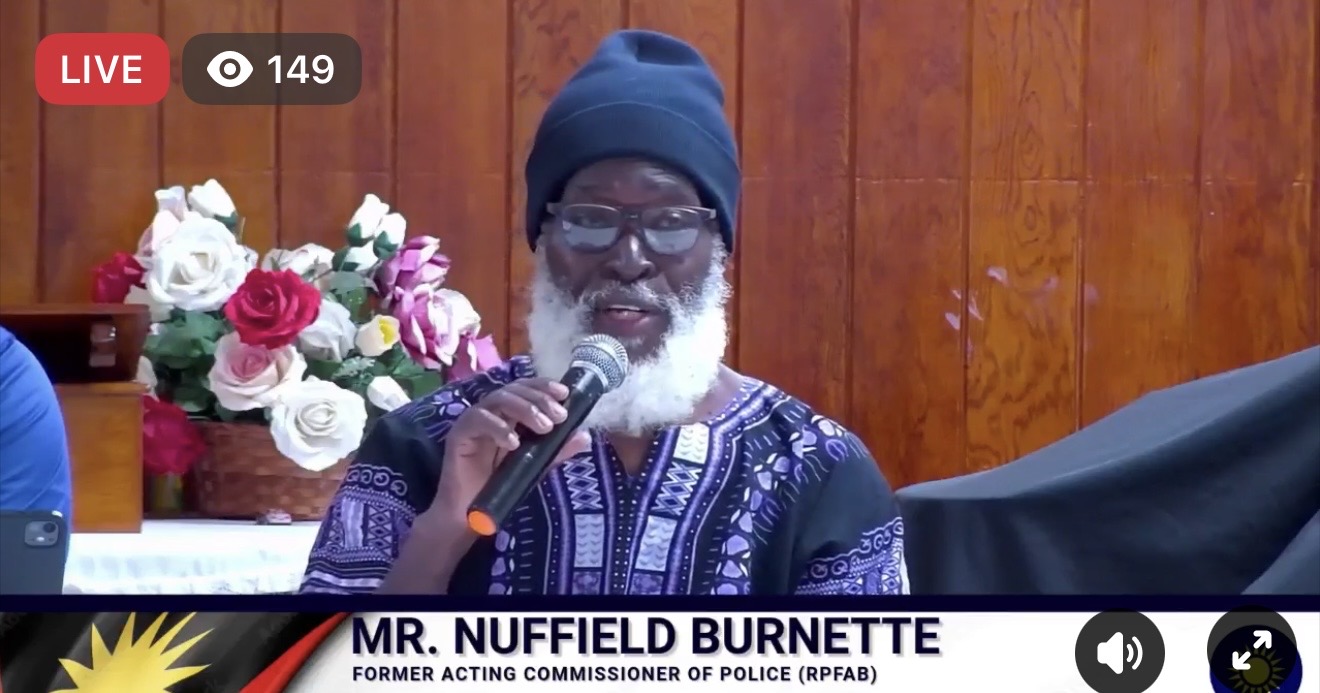
    Speaking at a United Progressive Party town hall focused on the government’s recently released policy White Paper, former Assistant Commissioner of Police Nuffield Burnette framed the proposal as a high-risk gamble that the country can ill afford. With the island nation’s law enforcement apparatus already stretched thin by persistent domestic crime, Burnette questioned why local leaders would voluntarily agree to take on unplanned additional responsibilities that would further strain institutional capacity.

    “If our law enforcement agencies are already failing to keep up with day-to-day domestic crime, what will happen when we add this new layer of demands laid out in the White Paper?” Burnette said during the event. “We need to make our position clear to the country’s leadership while we still have the chance: we do not support this potentially damaging proposal as it stands.”

    Burnette also pushed back against the common narrative that Antigua and Barbuda ranks among the safest nations in the Caribbean. He argued that official assessments that rely almost exclusively on homicide rates paint an incomplete and misleading picture of the country’s true crime landscape, erasing the widespread impact of violent home invasions and other offenses that leave long-term psychological trauma on survivors.

    To illustrate his point, he referenced a string of fatal home invasion attacks carried out by young offenders years earlier, saying these incidents prove the country’s public safety challenges are far more severe than official cross-border comparisons often acknowledge. “No crime leaves a deeper trauma than a home invasion,” Burnette explained. “Our homes are supposed to be our safe sanctuaries, our castles. When intruders break into that space and commit acts like sexual assault within those four walls, that means we have a very serious crisis that cannot be ignored.”

    The retired senior officer also cast doubt on the accuracy of the government’s official crime statistics, noting that a large share of criminal incidents are never reported to police, and that officials have been accused of downplaying the true scale of crime to project a more positive image. “I made a deliberate choice not to bring any official statistics with me tonight,” Burnette said. “The numbers are not reliable. People do not report every crime they experience, and what the government releases to the public rarely matches the actual reality of crime across the country.”

    Burnette went on to criticize the performance of Antigua and Barbuda’s Royal Police Force, pointing to systemic issues including slow emergency response times, gaps in leadership, and a steady decline in overall operational effectiveness. “We are not properly managing the current crime situation in Antigua and Barbuda,” he said. “Police often fail to respond to calls in a timely manner, sometimes do not show up at all, and more often than not their response is unacceptably delayed.”

    Against this already challenging backdrop, Burnette argued that accepting third-country deportees would introduce a host of new complexities that the country’s institutions simply do not have the capacity to address. He noted that the government’s White Paper covers a broad range of people including asylum seekers, refugees, and stateless persons, but Antigua and Barbuda currently has no dedicated legal framework in place to manage the arrival and integration of these groups.

    “Our existing laws have absolutely no provisions to accommodate any of these populations,” Burnette said. “That is the most alarming detail that stuck with me when I reviewed the proposal.”

    Burnette concluded by calling for a full, open national debate on the plan before any binding decisions are made, emphasizing that the proposal carries sweeping long-term implications for the country’s public safety and the future of its law enforcement system.

  • DEM urges vulnerable folk to register before storms

    DEM urges vulnerable folk to register before storms

    As Barbados ramps up its annual hurricane preparedness initiatives, emergency management authorities are issuing a urgent call to vulnerable communities across the island: register with the Department of Emergency Management (DEM) before a storm makes landfall. This proactive step, officials emphasize, is critical to ensuring at-risk residents receive life-saving assistance when severe weather strikes.

    The preparedness push sees District Emergency Organisations (DEOs) – 30 volunteer-led groups spread across every constituency on the island – conducting door-to-door community hazard assessments, while the DEM works to expand and update its centralized database of vulnerable residents. Selwyn Brooks, a consultant with the DEM, explained that the registration process is simple: at-risk individuals only need to contact the department with their name, address and contact details, and a team will be dispatched to evaluate their situation and plan targeted emergency responses.

    The definition of vulnerable residents extends far beyond those with physical disabilities, visual or hearing impairments, mobility challenges, dementia, or those requiring regular dialysis. Brooks stressed that the category also includes any person living alone without a pre-existing support network to rely on during an emergency. Even for vulnerable residents who do have family or community support, officials still encourage registration to ensure formal emergency plans can be put in place, with extra priority allocated to those without existing support systems.

    Brooks noted that maintaining an accurate count of vulnerable people across Barbados is an ongoing, fluid process, rather than a one-time task. “Vulnerability comes and goes, so it’s not static,” he explained, adding that many residents only choose to identify themselves as at-risk after a storm has already arrived, which leaves little time for officials to prepare tailored assistance. That is why authorities are urging all eligible people to come forward voluntarily, well in advance of any hurricane threat.

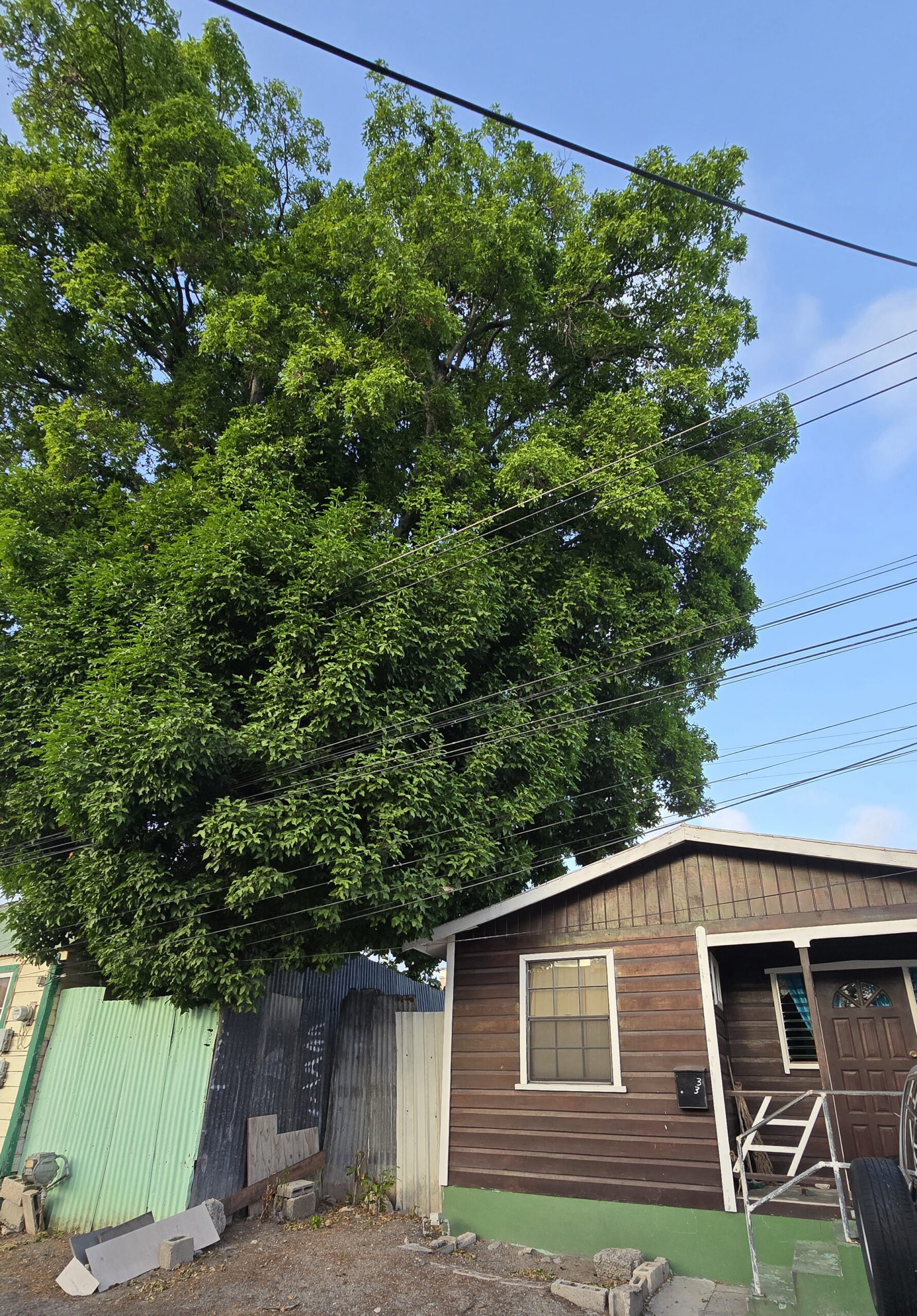
    As part of community assessments, the DEM also collects reports of hazardous trees that threaten the homes of vulnerable residents. Depending on the size and complexity of the tree removal or trimming work, it is either handled directly by local DEOs or referred to the Ministry of Public Works’ specialized tree trimming department for larger jobs requiring heavy machinery. Brooks acknowledged that DEOs operate with varying capacities, as all rely on volunteer labor, but added that gaps are quickly filled by coordinating with other government emergency response agencies when needed.

    Home Affairs Minister Gregory Nicholls echoed the appeal, urging vulnerable residents who have not yet been added to the database to reach out to their local DEO directly. For those unsure of their local DEO leadership or contact information, Nicholls said the DEM will connect residents to the right representatives.

    Identifying and supporting vulnerable residents is a core pillar of the Barbados government’s annual emergency planning, Nicholls explained. The government coordinates with the Ministry of People Empowerment and the Social Empowerment Agency, which maintain regular contact with at-risk communities, to consolidate and update the central vulnerable persons database.

    Nicholls also called on all residents to report any community hazards, including overhanging trees that could block roads or damage property during a storm, to the DEM. The minister highlighted his own St. Thomas constituency as a model for the work, where the local DEO is already compiling a list of hazardous overhanging trees to complete trimming and removal work ahead of hurricane season. “We’re compiling that list so we can be able to get a lot of that work done early,” he said.

  • 25 Vincentians graduate from Taiwan universities

    25 Vincentians graduate from Taiwan universities

    A new cohort of students from St. Vincent and the Grenadines (SVG) has marked a major academic milestone, with at least 25 SVG nationals graduating from Taiwanese universities in 2026, while 36 more have secured scholarships to begin their degree programs in Taiwan this coming fall.

    The vast majority of this year’s graduates received full financial support through scholarship programs administered by the Taiwanese government, specifically overseen by Taiwan’s Ministry of Foreign Affairs and the Taiwan International Cooperation and Development Fund. Out of the 2026 graduating cohort, only one student earned his degree through a university athletic basketball scholarship, and a further two students self-funded their entire higher education in Taiwan.

    Breaking down the academic achievements of government scholarship recipients, 13 of the 22 funded students completed undergraduate first degrees, seven earned master’s degrees, and two walked away with PhDs: one in aquatic immunology and genetics, and the other in business administration. The broader group of undergraduate and graduate graduates earned credentials across a diverse array of academic disciplines, spanning mechanical and electrical engineering, international relations and diplomacy, computer science, education, nursing, psychology, forestry and natural resources, biomedical imaging, and culture and creative industries.

    Most of the 2026 graduates chose to be included in the annual SVG embassy graduation yearbook, which marks its sixth edition this year. In a formal address to the graduating class, SVG Prime Minister Godwin Friday framed the graduates’ success as the outcome of a deliberate, life-changing decision they made years prior to pursue higher education in Taiwan.

    “Take time to appreciate the importance of that decision. It has led you to this moment,” Friday said. The prime minister emphasized that the graduates’ achievements serve as a tangible reflection of the value of 45 years of unbroken diplomatic relations between SVG and Taiwan.

    “Over the decades, our partnership has remained strong, rooted in mutual respect and shared investment in education, development, and progress. Your success today is a living testament to the benefits of that enduring friendship,” he added. Friday urged graduates to bring their newly acquired skills, fresh perspectives, and energy back home to contribute to SVG’s national development, while encouraging them to represent their country with pride no matter where their future careers take them.

    “… no matter where your path leads you, fly the flag of St. Vincent and the Grenadines proudly and continue to do your best. Carry forward the same determination that has brought you thus far, remain steadfast in your commitment to community, and never give up on your dreams,” he said.

    SVG’s Ambassador to Taiwan, Kenton X. Chance, also extended congratulations to the graduates, drawing on his own experience as a Taiwan scholarship student between 2006 and 2012 to validate the unique challenges they overcame during their studies.

    “I know that being so far from home, in an unfamiliar country, where the language is so different, requires a kind of fortitude that those who have never experienced it might never fully understand. … You have stayed the course, you have overcome the obstacles, and you are graduating,” Chance noted.

    Academic exchanges through scholarship programs have been a core pillar of SVG-Taiwan relations for decades: since 2004 alone, approximately 321 Vincentian students have received Taiwanese government scholarships to pursue university-level study in the country. For the 2026 intake, 36 students have already accepted their awards, with some set to complete a one-year Mandarin language preparatory program before starting their formal degree coursework. The SVG Embassy in Taipei is currently preparing to welcome the incoming cohort and has committed to supporting students to make their transition to living and studying in Taiwan as seamless as possible, Chance confirmed.

  • Pringle Says Government Failed to Secure Better Terms in US Deportee Agreement

    Pringle Says Government Failed to Secure Better Terms in US Deportee Agreement

    A fierce political clash has erupted in Antigua and Barbuda over the Gaston Browne administration’s proposed third-country deportee agreement with the United States, with Opposition Leader Jamale Pringle launching sweeping criticism of the government’s diplomatic handling and lack of transparency around the deal.

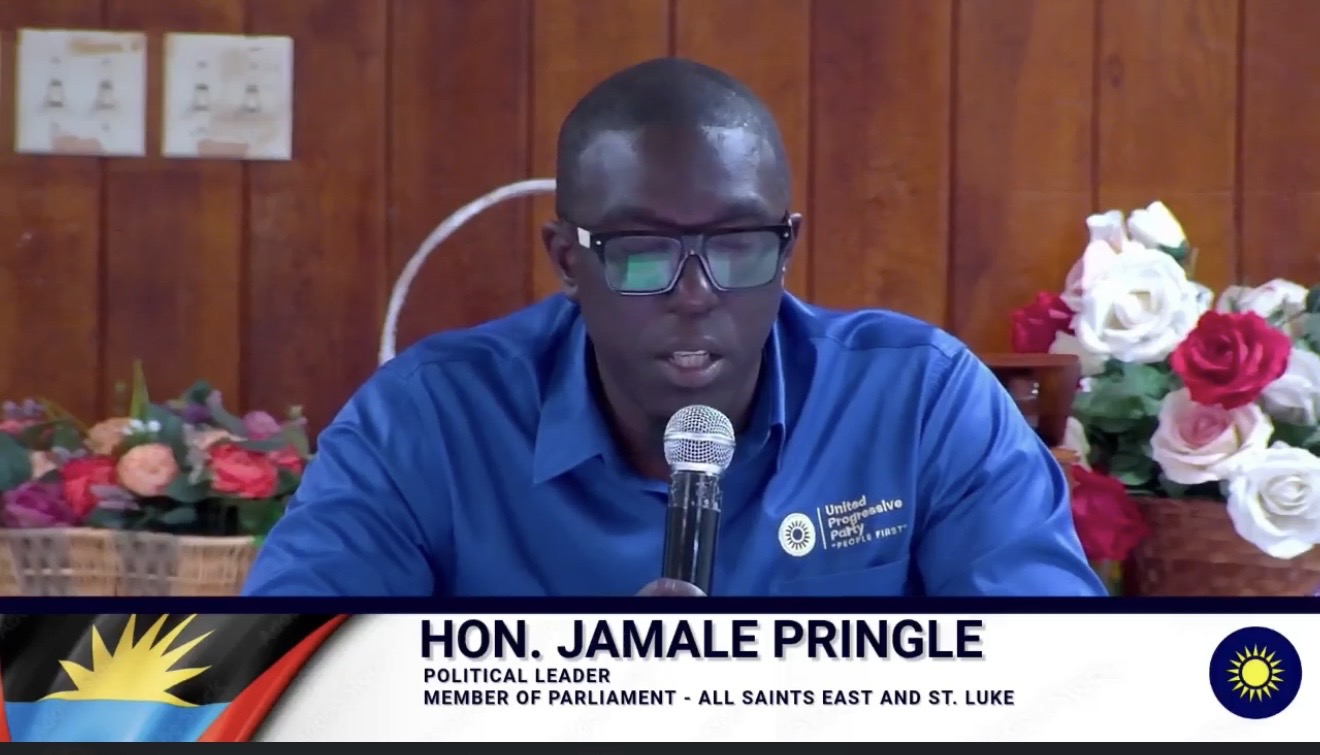
    Speaking at a United Progressive Party (UPP) town hall focused on the government’s recently released White Paper on the arrangement, Pringle argued that the administration failed to secure any meaningful protections for Antigua and Barbuda before committing to accept deportees from third countries transferred via the United States. Far from showcasing the prime minister’s self-proclaimed diplomatic prowess, Pringle said the deal demonstrates mere compliance with U.S. demands rather than successful negotiation on behalf of the island nation.

    “Prime Minister Gaston Browne has repeatedly boasted about his diplomatic skills, but a close reading of the available documents makes clear that no real negotiation ever took place,” Pringle told attendees. “The U.S. is set to send these individuals to our country, and we are simply expected to accept them, with no safeguards in place for our nation.”

    Pringle pointed to a critical timeline laid out in the White Paper itself to back his claims: the Browne administration signed a Memorandum of Understanding (MOU) with the U.S. before American officials even submitted draft operating procedures for the arrangement. Only after the MOU was finalized did the government draft counterproposals to the U.S. plan — yet neither the original signed MOU nor the government’s counterproposals have been released to the public or parliament.

    This lack of disclosure has forced lawmakers and citizens to debate only the government’s curated description of the deal, rather than the full, official text of the agreement itself, Pringle emphasized. He added that the government’s commitment to the arrangement was locked in long before any parliamentary debate was scheduled, undermining the purpose of public and legislative scrutiny.

    “The actual text of the MOU remains behind closed doors,” Pringle said. “Antiguans and Barbudans are not allowed to review the agreement themselves; we only get the version of events the government chooses to publish in the White Paper. That is not how transparent democracy works.”

    Pringle also noted that Browne has already confirmed the deportee transfers will move forward regardless of debate, saying “the prime minister admitted it is not a question of if they are coming — he confirmed they are already on their way.”

    The opposition leader extended his criticism beyond the deportee deal to question the Browne administration’s overall track record on international diplomacy, pointing to ongoing challenges that have harmed Antigua and Barbuda’s citizens. He noted that the country already faces U.S. visa restrictions, added to existing Canadian visa rules, and is at risk of losing visa-free travel access to the European Union — outcomes he says are evidence of the government’s failed diplomatic strategy.

    “Voters have been told for years about the prime minister’s great diplomatic skill, but we have yet to see that skill deliver results for our people,” Pringle said.

    He also hit out at the government’s ongoing refusal to share full details of the negotiations with the public, even as the arrangement carries profound social and economic implications for the small island nation. “This is an extraordinarily complex issue, and you cannot have an honest, open debate when all the critical information is hidden from the people who are affected by this deal,” he said.

    In response to the opposition’s criticism, the government has reaffirmed that parliament will hold a formal debate on the White Paper outlining the proposed deportee arrangement in the coming period.

  • Cost Pro Workers Fear They May Never Receive Outstanding Pay After Sudden Closure

    Cost Pro Workers Fear They May Never Receive Outstanding Pay After Sudden Closure

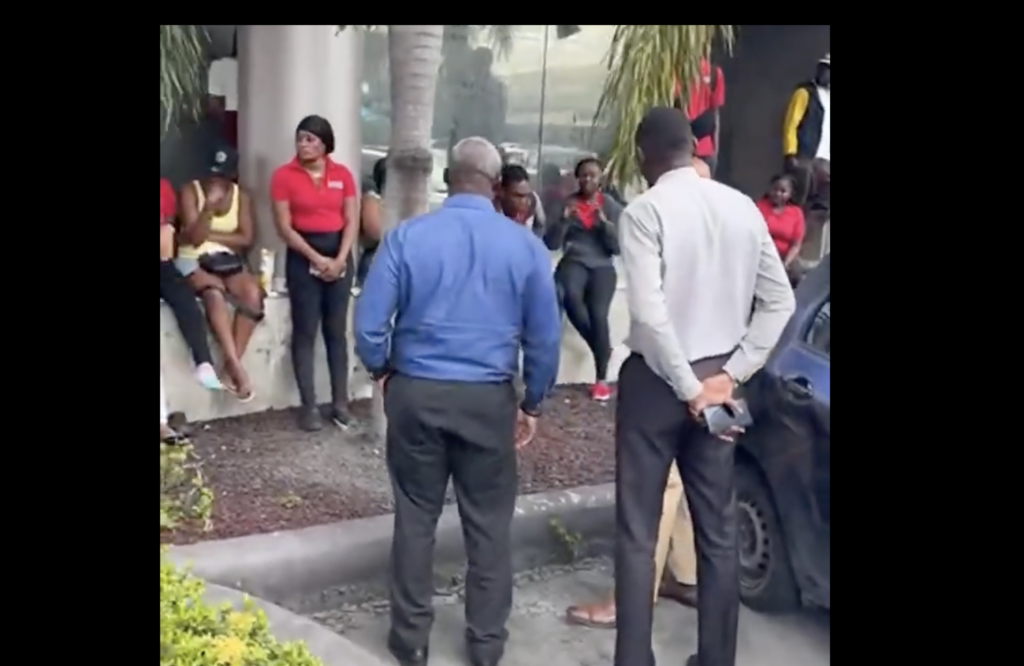
    The sudden and permanent shutdown of Cost Pro Supermarket at Woods Mall has left dozens of its employees facing deep uncertainty over unpaid wages, severance, and earned benefits, after workers were given unsigned termination notices with little advance warning of the closure.

    According to one anonymous long-tenured staff member, the entire team finished their scheduled shifts without any indication that the grocery location would close its doors permanently. It was only after employees had finished their workday and gone home that word spread via colleague-to-colleague messages that all staff were required to return to the supermarket that same evening to collect formal termination documents.

    “Most of us had to turn around and head back to the mall after our shift to pick up these letters,” the employee explained in an interview. “There was no formal communication from management ahead of time — we only found out through word of mouth from other staff.”

    What has deepened workers’ distrust and anxiety is the unusual nature of the termination notices they received. The documents, which confirm that all positions have been eliminated due to redundancy, do not explicitly state that the supermarket has permanently closed, nor do they carry a signature from any member of the company’s management team. Instead, workers were told the manager would only place a company stamp on the notices, and that they would need to return at a later date to collect their final paychecks.

    “This letter doesn’t even name who the management is, or clearly state the business is closed,” the employee said. “How do we know this document is even valid?”

    Concerns over unpaid compensation have been amplified by past labor disputes involving the same business owner, Duggins, who operates another separate establishment in the region. According to the employee, that previous location also shut down suddenly without warning, and workers never received the back pay, salaries, or severance compensation they were owed for their years of service.

    “We already saw this happen with Mr. Duggins’ other business,” the employee alleged. “One day workers showed up for their shift and the doors were locked, and they never got a cent of what they were owed. That history has all of us really worried this will happen again here.”

    Long-serving staff members, including those who have worked at the supermarket for nine years or more, say they are especially anxious about the outcome. Many have spent decades building their careers at the location, and are now facing unemployment with no guarantee they will receive the severance and end-of-service benefits they are legally entitled to. “How can we be confident we’ll get what we’re owed, when we’ve already seen what happened with his other business?” the employee asked.

    For its part, the unsigned termination notice issued to workers does lay out a formal timeline for final payments: the document confirms that all salaries will be paid through July 9, and that a full final payment statement — including any owed vacation pay, statutory notice pay, and applicable severance — will be issued to all employees by July 17. The notice also requires all workers to return any company-owned property, such as uniforms or work equipment, by that same deadline. But workers say past experience has left them with little faith that this timeline will be honored, leaving them in limbo as they navigate sudden unemployment.

  • Defoe rejects claims of political bias as government completes hand over of fishing boats

    Defoe rejects claims of political bias as government completes hand over of fishing boats

    # Dominica Government Completes $2M Fishing Vessel Replacement Program, Rejects Claims of Political Favoritism

    In a formal ceremony held in the coastal community of Scotts Head, Dominican government officials marked the completion of a landmark $2 million fisheries rehabilitation initiative, formally handing over the final batch of eight newly built fishing vessels to local fishermen. This delivery brings the total number of replacement vessels distributed through the program to 54, all constructed by local boat-building craftspeople as part of the government’s pledge to restore the island nation’s fishing sector.

    Addressing attendees at the event, Jullan Defoe — Minister of State for Agriculture, Fisheries, Blue and Green Economy — pushed back against widespread public speculation that political party affiliation influenced which fishermen received new vessels. Defoe stressed that every beneficiary selected for the program underwent a rigorous, transparent verification process to confirm their eligibility.

    “Every single one of the 54 individuals who have received replacement boats had their claims of lost or damaged vessels independently assessed, cross-checked, and verified,” Defoe explained. “Public speculation about political favoritism is unfounded — I can state clearly on this public platform that political affiliation played zero role in the selection process.”

    The minister outlined the core eligibility criteria that all applicants were required to meet: each beneficiary had to prove they were the registered owner of a vessel that was confirmed destroyed or lost, with physical evidence of the damage or loss reviewed by officials before approval. “These are not handouts to politically connected individuals,” Defoe emphasized. “These fishermen were already active, invested participants in our fishing industry, and this program simply helps them restore the livelihoods they lost.”

    Racquel Andrew, representative for the Soufriere Constituency, delivered remarks on behalf of Tourism Minister Denise Charles-Pemberton, acknowledging the inherent challenges of small-scale fishing in the Caribbean. “Fishing is far from an easy profession: some days bring abundant catches, other days leave you empty-handed, yet bills still need to be paid, and children still need to go to school,” Andrew noted. She added that the government’s vision extends far beyond simply distributing replacement vessels, focused instead on building a more robust, sustainable fishing industry overall.

    As part of this broader strategy, Andrew highlighted ongoing government projects that will enable local fishermen to produce value-added seafood products — including packaged fresh seafood, smoked fish, and fish dips — that can be sold at premium prices. This investment, she explained, is particularly critical as Dominica enters the annual Atlantic hurricane season, building greater economic resilience for coastal fishing communities.

    Andrew framed each new vessel as more than just equipment: it is a symbol of hope, opportunity, and the government’s commitment to the fishing community. “May these vessels bring you safe voyages, bountiful catches, and brighter futures for your families,” she said. “My hope is that one day, products marked ‘Made in Scotts Head, Dominica’ will be recognized across the Caribbean and beyond as a benchmark of quality, pride, and excellence.”

    Wynnona Joseph, Acting Chief Fisheries Officer, echoed these sentiments, framing the completion of the vessel distribution as a reflection of the government’s ongoing commitment to the fishing communities that sustain Dominica’s food security and coastal economies. “This ceremony is about far more than handing over boats,” Joseph said. “It represents a transformative investment in the future of our fisheries sector, and most importantly, an investment in the hard-working men and women whose dedication keeps this vital industry running.”

    Joseph noted that the new, purpose-built vessels will offer fishermen improved working conditions, greater operational efficiency, enhanced safety at sea, and expanded opportunities to boost productivity and incomes. The program also marks a key milestone in the government’s broader push to modernize Dominica’s fisheries sector and improve livelihoods across all of the island’s fishing communities.

    She urged beneficiaries to treat their new vessels as valuable long-term assets, encouraging responsible use, regular maintenance, sound financial planning, and continued reinvestment in their operations. Joseph also emphasized the non-negotiable importance of sea safety, reminding fishermen that safe return after every voyage must always be their top priority. “The sea provides our livelihood, but it demands our respect,” she said. “We urge all fishermen to conduct routine maintenance, carry proper safety equipment, check weather forecasts before every departure, and fully comply with all fisheries regulations.”

    Joseph reaffirmed the Dominican Fisheries Division’s ongoing commitment to supporting fishing communities across the island through targeted training, technical assistance, improved infrastructure, and expanded development opportunities. “We will continue working hand-in-hand with our fishermen to build a modern, resilient, and sustainable fisheries sector that delivers benefits for current and future generations of Dominicans,” she added.

  • Antiguan-Born Attorney Beverly Benjamin George Installed as President of Queens County Women’s Bar Association

    Antiguan-Born Attorney Beverly Benjamin George Installed as President of Queens County Women’s Bar Association

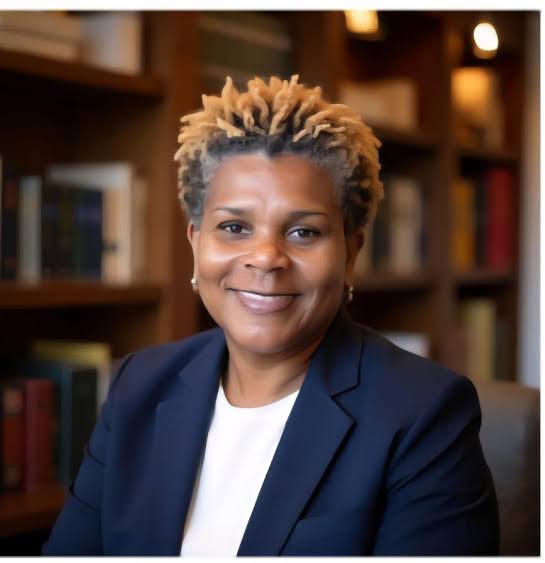
    On June 23, at the Queens County Women’s Bar Association’s (QCWBA) Annual Installation Dinner, a historic milestone was marked as Antiguan-born attorney Beverly Benjamin George officially took office as the organization’s president for the 2026–2027 term. The ceremonial swearing-in drew a diverse crowd of distinguished guests, including sitting members of the judiciary, prominent figures from New York’s legal community, elected public officials, local community leaders, as well as George’s close family and friends.

    Founded nearly a century ago in 1930, QCWBA holds the distinction of being one of the oldest enduring women’s bar associations in the state of New York. For nearly 100 years, the organization has anchored its mission around four core pillars: advancing the fair and equal administration of justice across the legal system, creating pathways for the professional advancement of women in legal careers, supporting ongoing skill-building and growth for its members, and delivering public value to neighborhoods across Queens through educational outreach and community-focused service.

    George, whose entire professional career has been rooted in public service and work with the New York State Unified Court System, expressed deep humility and gratitude for the opportunity to lead the historic organization. As she accepted the role of QCWBA’s 95th president, she reflected on the long, interconnected journeys that brought all members and stakeholders together to mark this moment in the association’s legacy.

    “It is with profound gratitude and humility that I assume the office of the 95th President of the Queens County Women’s Bar Association,” George shared in her remarks after the swearing-in. “As we celebrate this milestone, I pause to reflect upon the many winding paths that have been drawn between us, all converging at this singular moment of our Association’s history.”

    She added: “It is an extraordinary honor to serve as President of the Queens County Women’s Bar Association. I look forward to building upon the Association’s proud legacy while fostering meaningful connections among our members, supporting the next generation of attorneys, and continuing our commitment to service within the legal profession and the communities we serve.”

    Beyond her work in the New York legal sphere, George is a widely recognized public figure in her home country of Antigua and Barbuda. She is a founding member of Antiguans and Barbudans for Constitutional Reform and Education (ABCRE), an educational non-profit forum that produces a weekly radio segment on Observer Radio. The program focuses on unpacking constitutional issues and expanding civic education for audiences across the twin-island nation.