作者: admin

  • CARPHA Says Caribbean Risk Remains Low After Hantavirus Outbreak

    CARPHA Says Caribbean Risk Remains Low After Hantavirus Outbreak

    As global health authorities investigate an international hantavirus outbreak tied to the Dutch-flagged cruise ship MV Hondius that has caused multiple deaths, the Caribbean Public Health Agency (CARPHA) has reaffirmed that the overall risk of transmission across the Caribbean region remains minimal, per official statements released on May 11, 2026.

    During a press briefing held Monday, CARPHA Executive Director Dr. Lisa Indar outlined that the agency is collaborating closely with the World Health Organization (WHO), the U.S. Centers for Disease Control and Prevention (CDC), and multiple global health partners to track the outbreak and support ongoing international investigations. As of the May 11 reporting cutoff, health officials have documented eight confirmed and suspected hantavirus cases linked to the vessel, three of which have resulted in fatalities. Passengers and crew members aboard the MV Hondius hail from 28 different countries, including the United States, United Kingdom, Philippines, and Netherlands. Multiple infected individuals have already been medically evacuated or repatriated to their home countries, and contact tracing efforts are currently being rolled out across affected nations.

    The outbreak timeline traces back to April 1, 2026, when the cruise ship departed from Argentina. A cluster of unexplained severe respiratory illness was reported among people on board, prompting an official notification to the WHO on May 2. Further genetic testing has linked the outbreak to the Andes strain of hantavirus, the only documented hantavirus variant capable of person-to-person spread – though public health experts emphasize this transmission only occurs in rare circumstances, requiring close, prolonged contact between individuals.

    Dr. Indar clarified key facts about hantavirus to dispel growing public concern: the pathogen is primarily a rodent-borne illness that is endemic to many regions across the globe, but the specific rodent species that carries the Andes strain is not native to any Caribbean territory. This absence of a local reservoir means there is no sustained source of community transmission within the Caribbean, a core factor driving the low-risk assessment.

    Unlike widely circulating respiratory viruses such as COVID-19 and influenza, hantavirus does not transmit easily between humans, Dr. Indar added. “COVID-19 spreads easily between people. Hantavirus does not,” she stated, noting that the probability of large-scale community spread of the pathogen is extremely low. Currently, hantavirus has an incubation period ranging from one to six weeks, and no targeted antiviral treatment or widely approved vaccine exists for the infection. Clinical care for infected patients focuses on supportive interventions, including supplemental oxygen and close intensive care monitoring.

    Immediately after receiving formal notification of the outbreak, CARPHA activated its regional public health surveillance infrastructure. Measures implemented include a regional alert issued on May 5, daily risk monitoring across all member states, and ongoing coordination with local health authorities throughout the Caribbean. Following a joint assessment with the WHO, CDC, and UK health authorities, CARPHA has confirmed that the risk to Caribbean populations remains unchanged at low.

    To help residents protect themselves, CARPHA is urging the general public to maintain routine basic hand and food hygiene, avoid any contact with wild rodent populations, and only rely on official public health updates for accurate information about the outbreak.

  • Grenada’s visit to China expected to yield significant benefits for Grenada

    Grenada’s visit to China expected to yield significant benefits for Grenada

    Grenada’s top tourism and culture official has returned from a high-profile visit to China that is poised to deliver far-reaching gains for the Caribbean nation across multiple key sectors, from foreign direct investment and tourism expansion to cultural exchange and heritage conservation.

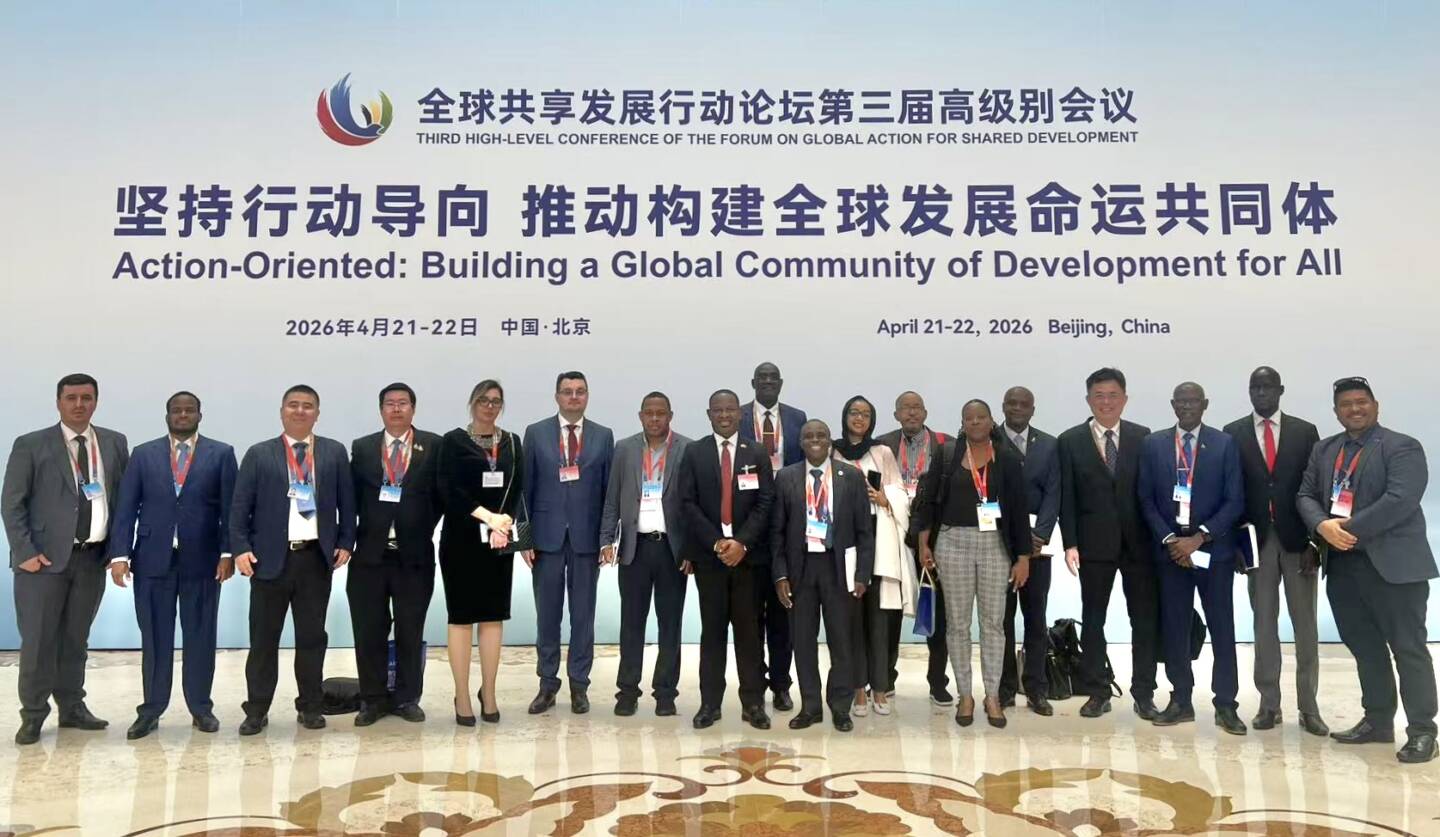
    Adrian Thomas, Grenada’s Minister for Tourism, the Creative Economy and Culture, traveled to China to participate in the Third High-Level Conference of the Forum on Global Action for Shared Development, an international gathering centered on the theme “Action-Oriented: Building a Global Community of Development for All.” As the sole delegate from the Caribbean region attending the conference, Thomas used the platform to shine a spotlight on the urgent need for targeted support for sustainable development among Small Island Developing States, using his own country’s ongoing efforts as a case study. He also updated global attendees on Grenada’s recent progress across critical social sectors, including public health and education.

    In the days following the conference, Thomas launched a packed schedule of bilateral engagements with senior Chinese government representatives and business leaders, focused on strengthening long-term ties between the two nations and uncovering new mutually beneficial investment opportunities. One of the most promising discussions came during a meeting with Zhang Shuke, a representative of Hebei Jinhuida Energy Equipment Technology Co. Ltd, a Chinese firm with diversified business interests spanning tourism, cultural development, renewable energy equipment and wind power generation. Zhang conveyed the company’s strong intention to pursue investment projects in Grenada, with trade and tourism identified as the first priority areas for potential collaboration.

    “Whatever investment opportunities exist in Grenada, they are interested in exploring the possibility of becoming involved,” Thomas confirmed of the company’s stance.

    Talks with a major Chinese travel organization also opened the door to a major potential boost for Grenada’s tourism sector: the introduction of seasonal charter flights from China to the Caribbean island during peak travel windows. Thomas noted that the Chinese travel agency views Grenada as an extremely appealing, underrated destination for Chinese travelers, and has committed to carrying out targeted promotional campaigns across China to drive visitor numbers to the island. To address the challenge of the long distance between the two countries, stakeholders have proposed a practical stopover in Mexico before flights complete their journey to Grenada.

    Beyond economic and tourism cooperation, the visit also advanced deep cultural and institutional ties between the two nations. Thomas included a study tour of Beijing’s iconic Forbidden City and Palace Museum, the world-renowned cultural institution founded in 1925 that holds a collection of more than 1.8 million (noted as over 10,000 major cultural relics in official briefings) priceless ancient artifacts. During a meeting with Su Yi, Deputy Director of the Palace Museum, Chinese authorities extended a formal offer of academic exchange and professional training to Grenadian cultural heritage professionals. Under the proposed program, Grenadian trainees would spend three to six months in-residence at the Palace Museum, conducting targeted research and gaining hands-on practical training in museum operation, artifact conservation, and national heritage management.

    “They have offered assistance to Grenada in terms of training. We will follow up on the proposal to send trainees to China for three to six months so they can gain firsthand knowledge and skills in establishing museums and preserving artefacts,” Thomas said of the planned partnership.

    Meetings with senior Chinese cultural officials further reinforced commitments to deeper cross-national collaboration. During discussions with Lu Yingchuan, Vice Minister of Culture and Tourism of the People’s Republic of China, Chinese officials reiterated calls for closer partnerships between cultural institutions across both countries, and highlighted the critical economic and social value of integrating traditional culture with fast-growing creative industries. Thomas confirmed that the two sides also discussed expanding cooperation in culinary arts as part of broader cultural exchange efforts.

    Overall, Minister Thomas’ visit to China marks a key milestone in Grenada’s ongoing strategy to expand its global partnerships, unlocking tangible new opportunities to drive economic growth, expand its tourism footprint, build local capacity in cultural heritage management, and deliver broad-based benefits to the Grenadian people.

  • CXC delivers message reaffirming fair and human-centred approach to AI use in school-based assessments

    CXC delivers message reaffirming fair and human-centred approach to AI use in school-based assessments

    As generative artificial intelligence continues to reshape learning landscapes across the globe, regional educational assessment bodies are racing to establish clear, balanced frameworks that adapt to new technology while upholding core academic standards. The Caribbean Examinations Council (CXC®) has recently stepped forward with a thoughtful, student-centered policy for AI integration in School-Based Assessments (SBAs), aiming to ease widespread anxiety among students, educators, and families across the Caribbean region.

    In a public video address published across CXC®’s official website and social media channels, Dr. Nicole Manning, the organization’s Director of Operations, opened with a balanced overview of AI’s role in modern education, acknowledging both its transformative learning benefits and the unprecedented challenges it creates for assessment integrity. Her remarks, framed in a press release from the Council, were designed to reassure all stakeholders navigating the rapid shift to digitally enhanced learning.

    A core point of public concern in recent months has centered on the reliability of AI detection tools and their potential to unfairly penalize students in assessment grading. Addressing these worries directly, Dr. Manning emphasized that AI detection software will never serve as the sole basis for academic disciplinary or grading decisions at CXC®. She stressed that the long-standing, hands-on relationship between teachers and students remains the foundation of SBA assessment and moderation. Over months of working together through draft revisions, one-on-one conversations, and ongoing guidance, teachers develop a nuanced understanding of each student’s abilities that no automated tool can match. “AI checkers are one input. They are not the verdict,” Dr. Manning explained, confirming that human oversight will be embedded at every stage of the assessment process to guarantee fair outcomes.

    CXC®’s new framework also draws a clear line between acceptable and unacceptable AI use, giving students clear guardrails rather than an outright ban on the technology. The Council confirms that students may legitimately use AI tools to support their learning: from breaking down complex academic concepts and brainstorming project ideas to clarifying confusing terminology and organizing the structure of their work. The only requirement for ethical use is full transparency: any student who incorporates AI assistance into their SBA must disclose this use via an official Disclosure Form and Originality Report when submitting their work. For students who complete their assessments without any AI support, no additional documentation is required.

    The policy makes clear that academic misconduct rules still apply: submitting work that is fully or predominantly generated by AI without proper disclosure violates CXC®’s academic integrity standards, and will be handled through the organization’s established irregularity procedures, which include collaboration between the student, their classroom teacher, and school principal.

    Recognizing that adapting to this new policy places additional responsibility on Caribbean educators, Dr. Manning reaffirmed CXC®’s commitment to providing ongoing training and resource support to help teachers confidently implement the AI framework in their classrooms. “You are not alone in this,” she told educators, encouraging them to hold open, honest conversations with students about responsible AI use, and to help learners understand why academic integrity matters long after they leave the examination room.

    For students, Dr. Manning shared a straightforward, values-driven message: ethical AI use is ultimately about personal character, not avoiding detection by technology. “Integrity is not about whether a machine can detect what you did. It is about who you choose to be,” she said.

    Dr. Manning’s full video address, titled “Who You Choose to Be,” is available for public viewing on CXC®’s official YouTube channel. The complete Standards and Guidelines on Generative AI Use in School-Based Assessments is available for download at the organization’s official website, www.cxc.org.

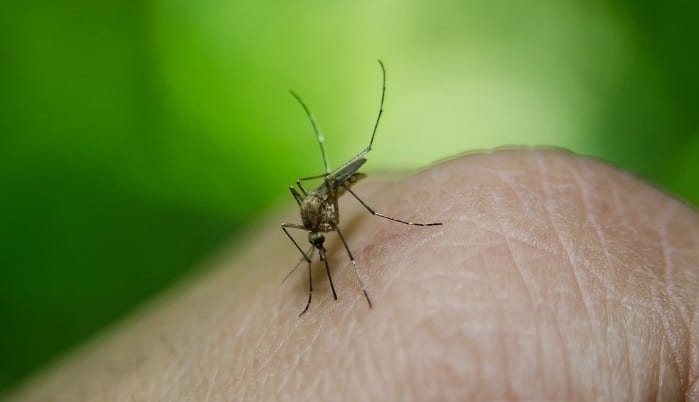
  • CARPHA launches Caribbean Mosquito Awareness Week

    CARPHA launches Caribbean Mosquito Awareness Week

    As mosquito-borne illnesses continue to push Caribbean public health systems to their breaking point, the Caribbean Public Health Agency (CARPHA) has launched a urgent regional call to ramp up source reduction efforts, kicking off Caribbean Mosquito Awareness Week 2026 at an opening ceremony in Trinidad on Monday.

    Running from May 11 to 15 under the core theme “Stop Disease Transmission, Start Source Reduction”, this year’s awareness initiative arrives at a pivotal juncture: Caribbean nations are gearing up for the incoming rainy season, a period that reliably brings surging mosquito populations and elevated disease risk.

    CARPHA officials emphasize that the campaign is far more than a public education exercise—it is a foundational step to protect regional public health. Dr. Mark Sami, CARPHA’s Director of Corporate Services, explained that source reduction, the practice of eliminating standing water where mosquitoes breed, stands as one of the most powerful tools to prevent mosquito-borne illness. Even the smallest, most common household items can become dangerous breeding grounds, he noted: a discarded bottle, a used cup, an old tire, a flower pot drainage tray, a clogged gutter or an uncovered water barrel all hold enough standing water to spawn thousands of mosquitoes.

    These illnesses do not only harm individual health—they leave a widespread mark across every sector of Caribbean life. Dr. Sami pointed out that endemic diseases including dengue, chikungunya, Zika and malaria already strain overstretched health systems, disrupt regional economies, hurt the critical tourism sector, force school and workplace closures, and most critically, erode the well-being of Caribbean communities.

    Dr. Horace Cox, Head of Surveillance, Disease Prevention and Control at CARPHA, reinforced that mosquito-borne diseases remain a substantial public health burden both globally and across the Caribbean. While dengue, Zika and chikungunya are all persistent major concerns, Dr. Roshan Parasram, Head of Vector Borne Diseases at CARPHA, flagged chikungunya as a particular pathogen to monitor closely, following large, disruptive outbreaks in Suriname and Cuba earlier this year. At the same time, he noted that dengue remains a constant endemic threat across the entire region.

    A key silver lining for regional action is that all three of these high-concern diseases are spread by the same mosquito vector, meaning targeted source reduction efforts can cut transmission of all three at once. Parasram stressed that as insecticide resistance becomes increasingly widespread across the Caribbean, source reduction has grown even more critical as a long-term, sustainable control strategy. Done correctly, it is the most environmentally friendly, cost-effective and accessible measure available to communities to keep mosquito populations in check, he added, repeating that “source reduction is the key” to successful vector control.

    Beyond grassroots source reduction education, CARPHA is leading a paradigm shift in regional disease preparedness: integrating climate and health data into new early warning systems that can predict dengue surges up to three months in advance. Cox explained that the agency’s technical team is developing new analytical tools that combine historical climate trends, current weather data and local disease surveillance data to forecast upcoming spikes in cases. If public health officials receive a reliable prediction one to three months before a surge is projected to hit, they gain a critical window to pre-deploy resources, run targeted prevention campaigns and intervene early to stop outbreaks from growing.

    This year’s awareness week includes hands-on education activities for nearly 300 primary and secondary school students across Trinidad, including guided tours of insectaries, live source reduction demonstrations, displays of mosquito treatment techniques, training on personal protective measures, and showcases of emerging vector control technologies—from surveillance drones to mobile tracking apps and geographic information systems that map breeding sites.

    To turn a one-week campaign into long-term regional change, CARPHA is expanding its school-focused outreach across the Caribbean through a regional Health Promotion Ambassadors Programme, which engages schools in selected member states. “This is a Caribbean-wide program,” Parasram explained. Participating schools complete structured training programs that measure student learning and help transform school grounds into spaces far less vulnerable to mosquito breeding.

    Dr. Matthew Desaine, Medical Officer at Trinidad and Tobago’s Ministry of Education, highlighted the outsized role schools play in driving long-term public behavior change. “A child who learns why stagnant water must be removed from the environment can take that knowledge home to his parents,” Desaine said. “When our students are engaged in health education, environmental stewardship, and community action, they become the messengers of prevention.”

    Desaine added that the fight against mosquito-borne disease cannot be confined to a single awareness week, a single campaign or a single rainy season—it requires sustained, year-round action from communities and institutions across the region.

    CARPHA reports that the 2026 awareness week is funded through the Pandemic Fund Project, and aligns with the agency’s regional integrated vector management strategy, which aims to cut mosquito breeding habitats and strengthen long-term prevention capacity across the Caribbean. To keep community engagement high after the awareness week concludes, CARPHA is also launching a regional video competition that invites members of the public to share practical, accessible source reduction techniques they use in their own homes and communities.

  • Grenadian entrepreneur to speak at World FZO Congress

    Grenadian entrepreneur to speak at World FZO Congress

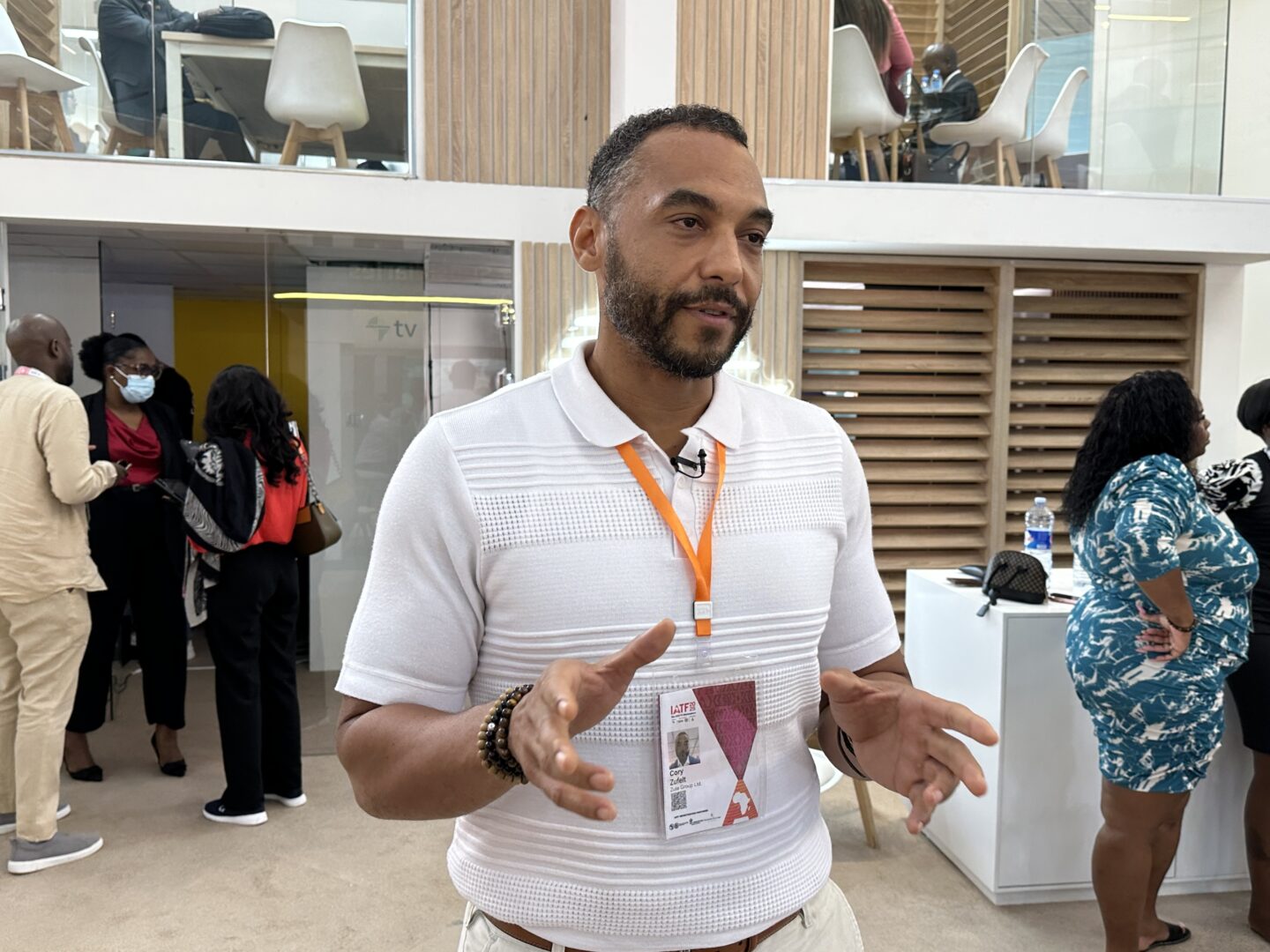
    A prominent Grenadian business leader has earned a global spotlight, with founder of Citez Grenada Ltd Cory Zufelt set to share insights on the international stage at the World Free Zones Organisation (World FZO) 12th World Congress. Scheduled to run from May 12 to 14, 2026 at the Panama Convention Centre in Panama City, the major global gathering will draw hundreds of key stakeholders from every region of the world to examine the evolving role of special economic zones.

    Held around the core theme “Free Zones in the New Global Operating Model: Challenges and Opportunities”, the 2026 congress will convene a cross-section of leading voices, including senior government policymakers, free zone executives, global investment leaders, business founders, and international development specialists. Attendees and speakers will tackle pressing topics shaping the future of global free zones, ranging from international trade and cross-border investment to innovation strategy, sustainability, and building long-term national economic competitiveness.

    Zufelt has been selected to join a high-profile roundtable discussion titled “Anchoring Tourism and Culture in the Knowledge Economy”. The session will focus on a forward-thinking economic model: how free zones centered on tourism and cultural assets can act as catalysts for digital trade expansion, dynamic innovation ecosystems, global talent attraction, small and medium entrepreneurship, and sustainable service-led economic growth. He will share the panel with other distinguished industry and policy leaders: Peter Janech, Coordinator of Innovation, Education and Investments at UN Tourism based in Spain; Liriola Pitti, Chief Executive Officer of AEI Panama; and Juan Carlos Abud, Minister of Economic Development for Jujuy, Argentina. The roundtable will be facilitated by Juliana Villegas Restrepo, Director of International Promotion and Business Development for Colombia.

    As the only truly global multilateral organization representing special economic and free zones, World FZO currently supports and represents more than 2,260 free zones across 168 nations worldwide. Founded in Dubai in 2014 and registered in Geneva, the organization’s core mission is to connect free zone operators globally through knowledge sharing, industry networking, policy advocacy, and strategic consulting. It works to amplify the positive impact of well-structured free zones and strengthen their contribution to inclusive global economic prosperity and social development.

    For his part, Zufelt leads Citez Grenada Ltd, a Grenadian-owned economic development firm focused on building integrated platforms for cross-border trade, investment attraction, end-to-end business support services, skilled workforce development, digital business onboarding, and scaling future-oriented industries. The firm is currently advancing the Citez Grenada Project, a private-sector-led development initiative that explores how the small Caribbean nation can position itself as a strategic economic connector linking markets across the Caribbean, North America, South America, Africa, and the broader global economy.

    In comments on the invitation, Zufelt framed the opportunity as a landmark moment not just for his firm, but for Grenada’s national dialogue on long-term economic growth. “This invitation is an important moment not only for Citez Grenada, but for Grenada’s wider conversation around economic development,” he said. “Tourism and culture should not only be viewed as visitor experiences. They can also become platforms for investment, entrepreneurship, digital trade, workforce development, cultural exports, and long-term national growth.”

    Organizers project the 12th World Congress will attract more than 1,500 attendees from across the globe, including cabinet ministers, senior government officials, and leadership from major international organizations. For Grenada, Zufelt’s participation will put a spotlight on the Caribbean nation’s untapped potential to develop modern, diversified economic zone models that integrate tourism, cultural heritage, cross-border trade, digital services, green economic development, workforce training, and streamlined investment facilitation — opening new pathways for inclusive, sustainable growth.

  • Rude Boy Billboard Removed In Jamaica: Will Belize Do The Same?

    Rude Boy Billboard Removed In Jamaica: Will Belize Do The Same?

    A recent decision by Jamaican municipal authorities to take down a sexually suggestive alcohol advertising billboard has amplified a parallel public debate in neighboring Belize over appropriate content for shared public spaces.

    The Kingston and St. Andrew Municipal Corporation (KSAMC) confirmed it ordered the removal of the disputed advertisement, located in eastern Kingston, following dozens of complaints from local residents. According to KSAMC’s official announcement, regulators were alerted to the billboard last Thursday. After an expedited review of the content, the agency issued a 24-hour compliance notice requiring advertisers to take down the sign, and the order was fully carried out by Friday, May 8.

    The billboard was created to promote “Rude Boy Original”, an alcoholic beverage brand. Its graphic design featured a bottle of the spirit placed between the raised legs of a figure clad in black fishnet stockings and high-heeled boots, paired with the marketing hashtag “#DrinkRude”.

    While KSAMC acknowledged and responded to widespread public concern over the ad, the agency noted that it does not have formal regulatory authority over the creative content of outdoor advertising. Even so, KSAMC emphasized that it routinely encourages brands and advertising firms to exercise intentional judgment, prioritize community sensibilities, and avoid content that would offend general audiences in shared public spaces.

    The controversy quickly divided public opinion across Jamaican social media. Some commentators argued the billboard was simply edgy, creative marketing that fell within acceptable boundaries for commercial advertising, while others insisted the overtly sexualized imagery crossed a line of public decency, especially for advertisements visible to children and families.

    The Jamaican action has thrown new fuel onto an ongoing debate in Belize, where a separate Rude Boy Original billboard at the entrance to the capital city of Belmopan has already drawn fierce criticism from public and religious leaders. Church Senator Louis Wade Jr. has publicly called for the immediate removal of the Belizean billboard, which features Trinidadian recording artist Nailah Blackman holding the Rude Boy Original product in a pose opponents call sexually suggestive.

    Wade argued that the ad represents an affront to Belize’s shared public morality, pointing to already pressing social crises in the country including widespread alcohol abuse, gender-based domestic violence, and the over-sexualization of women in media and advertising.

    “I stand with thousands of Belizeans across Belmopan and the entire country who say this billboard must go: it violates the basic sensibilities of respectable people across our nation,” Wade stated in an interview with Plus TV News.

    Wade also accused the brand behind the campaign of deliberately targeting women with aggressive alcohol marketing, while normalizing hypersexualized imagery that harms public standards. As of this reporting, Belizean authorities have not yet announced whether they will follow Jamaica’s lead and order the disputed billboard removed.

  • Man jailed for 5.8 kilos cocaine

    Man jailed for 5.8 kilos cocaine

    More than four years after a major anti-drug seizure in Georgetown’s Tucville neighborhood, a Guyanese national has been handed a severe custodial sentence and fine for trafficking cocaine, law enforcement authorities confirmed Monday.

    Winston Hazel was convicted of trafficking 5.814 kilogrammes of cocaine by Magistrate Fabayo Azore on April 30, 2026, according to the Customs Anti-Narcotic Unit (CANU), the country’s lead agency for counter-narcotics enforcement. The conviction carries a three-year prison term and a GY$8.1 million fine, which equals approximately US$390,000 at current exchange rates.

    The case traces back to a targeted CANU enforcement operation conducted in March 2022 in the Guyhoc Park district of Tucville. During the operation, officers pulled over a private motor vehicle carrying two occupants, acting on intelligence related to suspected drug movement in the area. A systematic search of the stopped vehicle uncovered five sealed parcels containing cocaine, which tested positive for the controlled substance and logged a total net weight of 5.814 kilogrammes.

    CANU did not immediately release details on the status of the second individual who was in the vehicle at the time of the interception. The conviction marks a key win for Guyana’s ongoing crackdown on transnational drug trafficking, as the South American country remains a key transit route for cocaine moving from production hubs in the Andean region to global markets in North America and Europe.

    The verdict was first reported by Demerara Waves Online News, with the last update to the public record published on May 11, 2026, by correspondent Denis Chabrol.

  • Community policing meeting brings Bellevue Chopin and Petite Savanne residents together

    Community policing meeting brings Bellevue Chopin and Petite Savanne residents together

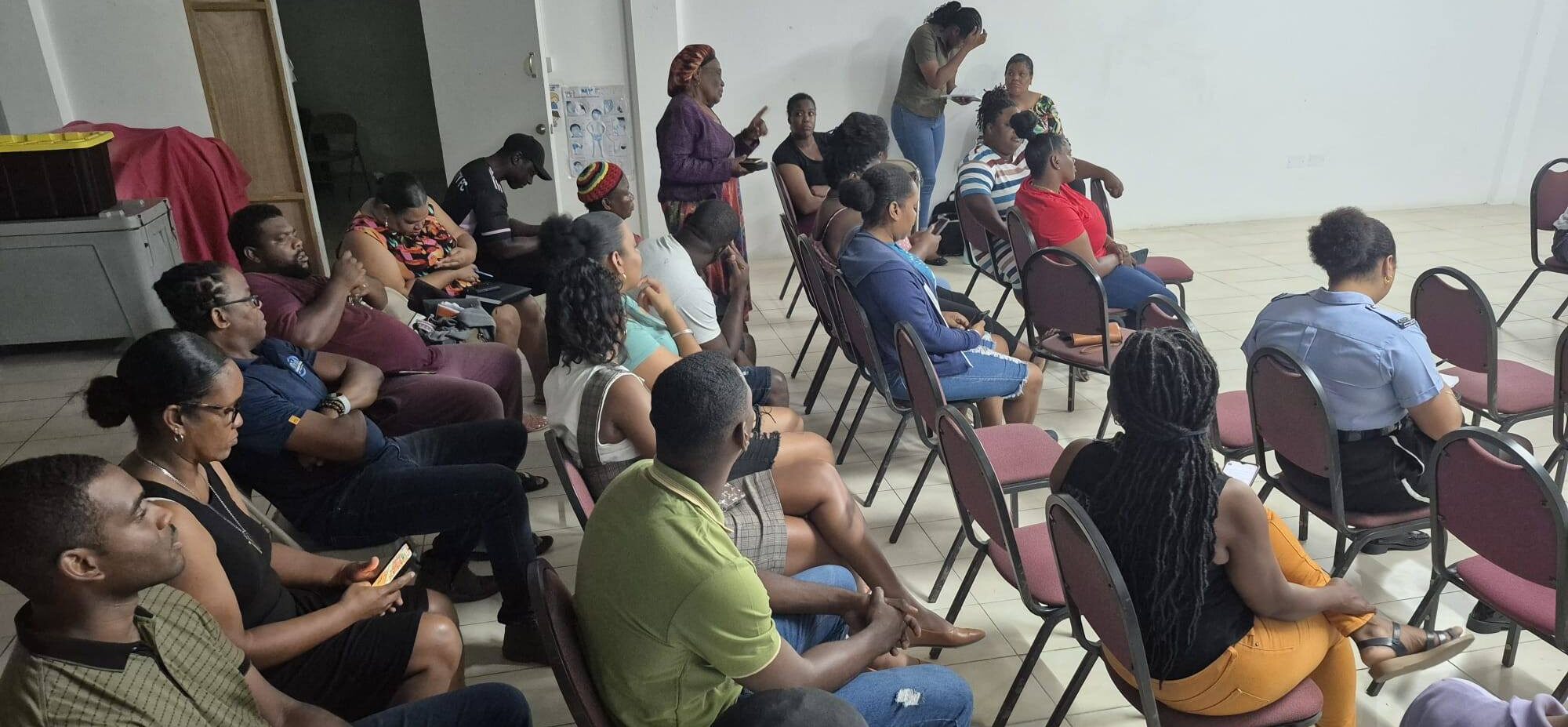
    Residents and law enforcement stakeholders from two Dominica communities gathered this Thursday for a BPP Community Shield community policing forum, launching a collaborative effort to tackle pressing public safety and quality of life challenges in Bellevue Chopin and Petite Savanne.

    Organized by the Commonwealth of Dominica Police Force, the cross-sector gathering brought together a diverse group of participants beyond uniformed officers: local residents, community leadership representatives, small business operators, faith leaders from local churches, and youth representatives from the area. The meeting was structured around open, transparent dialogue, creating space for community members to voice unfiltered concerns about issues affecting their daily lives and brainstorm collective solutions alongside policing officials.

    Six core challenges emerged as top priorities for attendees during the discussion. The most frequently cited issues included repeated theft of agricultural crops and harvested produce, a critical concern for local farmers who rely on their crops for income and food security. Additional problem areas included unaddressed traffic congestion and safety risks in the New Settlement neighborhood, persistent excessive noise pollution from motorcycles and scooters that have been modified with non-standard silencers, open marijuana use by young people in public spaces, insufficient street lighting that contributes to safety hazards after dark, and the blight and public risk created by long-abandoned vehicles left scattered across community areas.

    Following the open sharing of concerns, participants turned to developing actionable, community-centered responses to improve local public safety and overall wellbeing. Proposed solutions included increasing targeted police patrols in high-concern areas, expanding access to organized recreational and sporting programs for local youth to provide positive, constructive activities, deepening ongoing cooperative ties between residents and policing teams, and rolling out new public awareness campaigns to educate community members on crime prevention and shared accountability. Attendees also made early progress in planning a collaborative Father’s Day sporting event in partnership with the local Village Council, a gathering designed to strengthen community bonds while supporting the initiative’s goals.

    In an official statement shared publicly across the police force’s social media channels, organizers extended gratitude to everyone who carved out time from their personal and professional schedules to participate in the meaningful, solution-focused dialogue. “Together, we are building safer, stronger, and more united communities,” the statement noted.

    The forum is part of the ongoing Community Policing Initiative run by the Commonwealth of Dominica Police Force. The program centers its long-term work on three core priorities: building and strengthening public trust between local communities and law enforcement, cultivating sustained, productive partnerships between police and residents, and reducing widespread fear of crime through consistent, proactive engagement with community members.

  • West Terrace optimistic ahead of title defense

    West Terrace optimistic ahead of title defense

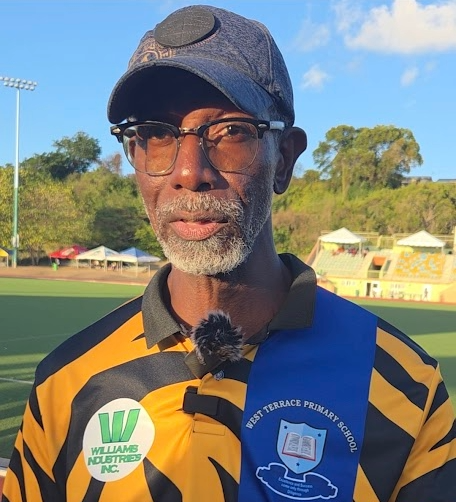
    As the 2024 National Sports Council BICO Primary School Football Competition prepares to kick off across Barbados this Tuesday, defending champions West Terrace Primary are stepping into their title defense campaign with measured confidence, poised to build on last year’s historic victory. The reigning champions will not open their first match until Wednesday, where they will face off against Sharon Primary at the Orange Hill playing field – the same pitch where they secured a narrow 1-0 win over Arthur Smith Primary to claim the championship trophy 12 months prior. This year, West Terrace Primary has been drawn into the competitive Dean Alleyne Zone, where they will go head-to-head with seven other participating schools: St Aban’s Primary, St Stephen’s Primary, St James Primary, St Matthews Primary, Good Shepherd Primary, Welches Primary, and their opening opponent Sharon Primary. In an exclusive interview with local outlet Barbados TODAY, long-serving team coach Roderick Harmon opened up about his squad’s preparations and outlook for the upcoming tournament, emphasizing his stance of cautious optimism for the campaign ahead. Harmon revealed that a core group of key players from last year’s title-winning roster have returned to the team this season, a strength he believes will give West Terrace a critical competitive edge over the other competing squads. “From the pre-tournament launch, it’s clear this is shaping up to be one of the most exciting tournaments we’ve seen in years, with lots of promising young new talent across all participating teams. We’re all ready and raring to get started, and we’re just looking forward to playing good football and enjoying the whole experience,” Harmon shared. “Thankfully, we’ve retained around six or seven players from last year’s championship side. These kids already know what it takes to compete at this level, they’ve stood on that winning stage, and that experience goes a long way. The entire squad is buzzing with excitement – winning a title only fuels that hunger to do it again. The returning boys are eager to get back on the pitch, and our new young recruits have already shown they can hold their own against tough competition.” The veteran coach, who has spent more than 20 years developing youth sports teams across multiple disciplines including athletics and cricket, leading multiple squads to championship titles, added that the team has not been weighed down by the pressure that comes with being defending champions. Instead, the program stays focused on its core long-term goals for player development. “After coaching at this level for more than two decades, I’ve learned to spot what championship-level potential looks like, and our goal every year is to help our players reach that standard,” Harmon explained. “We always make sure the kids understand that success doesn’t just come easily. You have to put in the hard work at every training session, keep a positive attitude, and if you do those things, success will follow with a bit of luck.” One notable rule and venue change for this year’s tournament is that the semifinal and final matches will be hosted at the Barbados Football Association’s state-of-the-art Wildey Technical Centre, a major upgrade from previous editions of the youth competition. This shift has earned widespread praise from coaches including Harmon, who says the new venue offers a once-in-a-lifetime opportunity for the young student-athletes. “I think this is such an important change for these kids. It gives them a chance to experience what it’s like to play at the highest level of the sport, on the best facilities that Barbados has to offer,” he noted. “Exposing young boys and girls who love football to top-tier infrastructure gets more kids excited to get involved in the sport. When they get to play on a pitch like that, it gives them something to work toward and encourages them to put forward their best performance every time they step on the field. It’s a really positive change for the whole competition.” This year’s edition of the tournament has drawn a record-level turnout, with more than 70 primary school teams from across the island registering to compete. 15 opening round matches are scheduled to kick off at venues across Barbados on Tuesday, the first official day of the national competition.

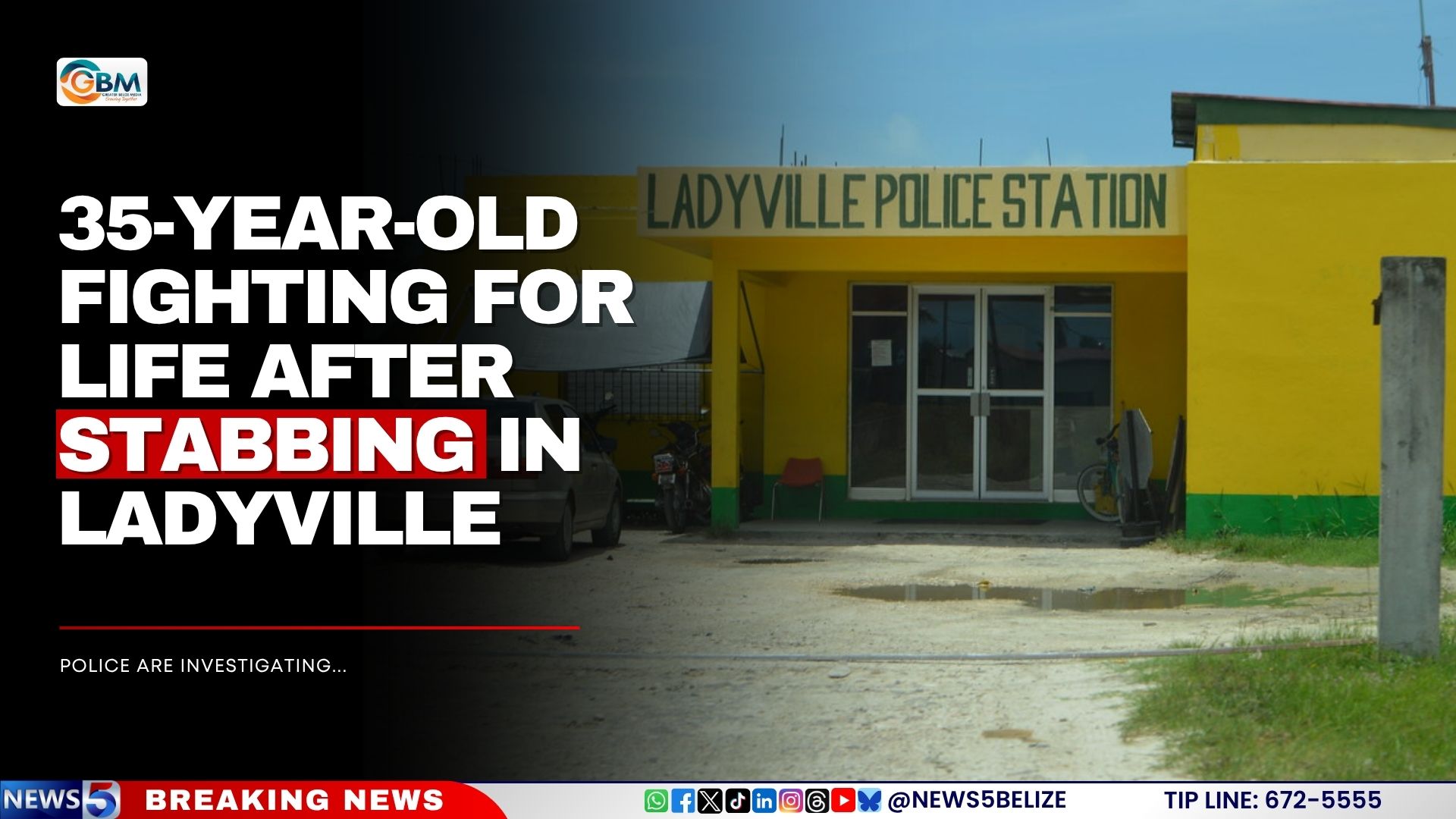
  • 35-Year-Old Fighting for Life After Stabbing in Ladyville

    35-Year-Old Fighting for Life After Stabbing in Ladyville

    A violent public dispute has left a local construction worker clinging to life in a Belize hospital following a stabbing incident in Ladyville Village, with law enforcement officials confirming that one suspect has been taken into custody as of May 11, 2026.

    According to initial investigative updates from local police, the victim has been identified as 35-year-old Nelson Rene Rosa Ramirez, a resident of the Ladyville community. Responding patrol officers and emergency medical teams were dispatched to a local construction site on Sunday afternoon, where they located Ramirez with multiple penetrating stab wounds. First responders immediately transported the injured worker to a nearby medical facility, where he remains listed in critical, life-threatening condition as of the latest update.

    Preliminary statements from law enforcement outline that the attack unfolded during a casual social gathering between Ramirez and his uncle. What began as a routine meeting quickly escalated into a heated verbal argument, which ultimately devolved into the fatal altercation that left the 35-year-old stabbed. Authorities have not yet released the identity of the detained individual, nor have they shared details on potential charges that may be filed as the investigation continues to progress. Local policing units are still reviewing evidence and interviewing witnesses to establish a full timeline of events and confirm the exact circumstances leading up to the stabbing.