作者: admin

  • Health Authorities Stress Importance of HPV Vaccine for Children

    Health Authorities Stress Importance of HPV Vaccine for Children

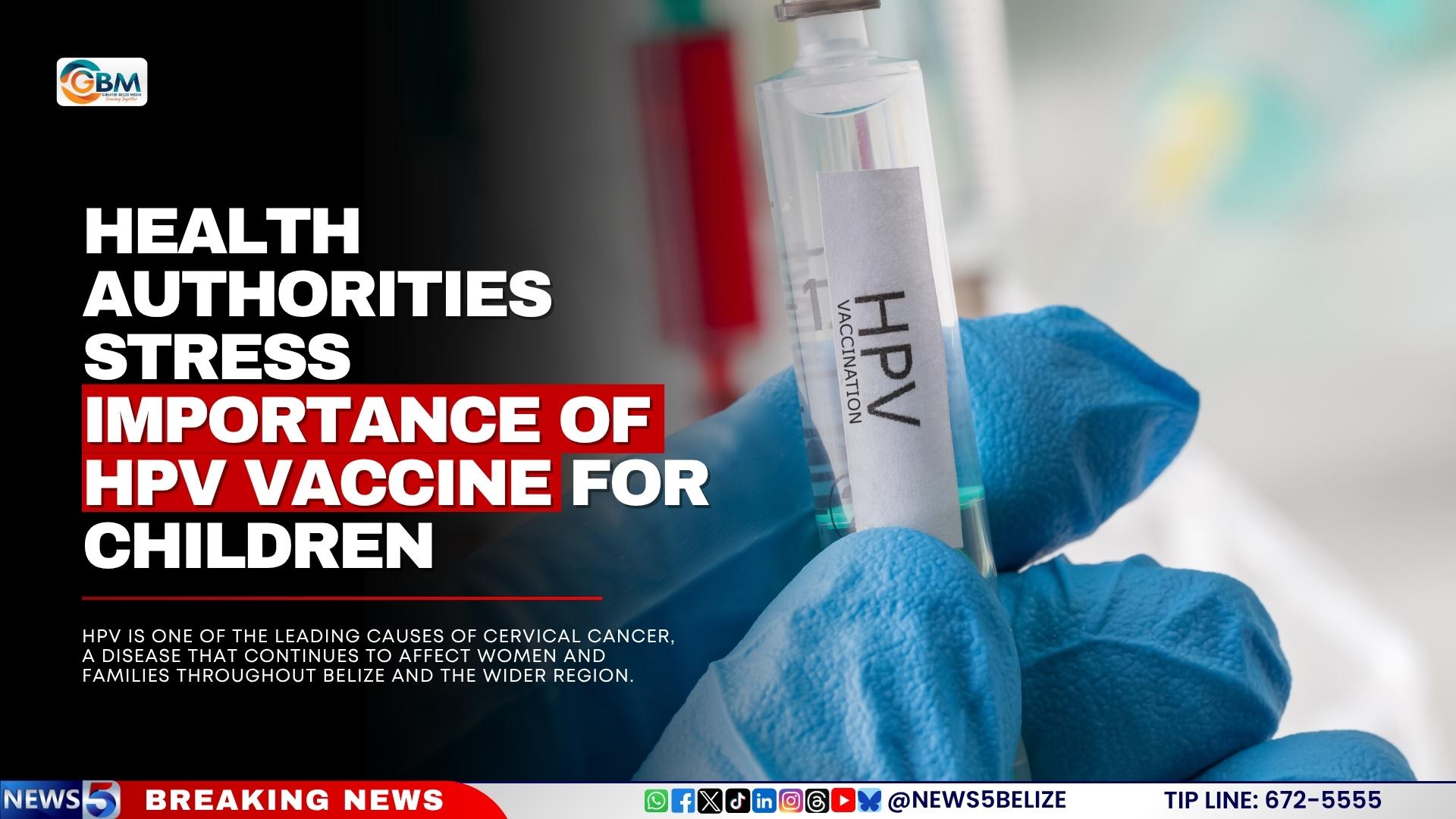
    As of May 11, 2026, top health and child development officials in Belize are renewing a urgent national call to action, urging parents across the country to prioritize the HPV vaccine for their school-age children to prevent life-threatening cancers that have devastated local communities for generations.

    Special Envoy Rossana Briceño, who leads the Office of the Special Envoy for the Development of Families and Children, emphasized that the Human Papillomavirus vaccine is a proven, safe and highly effective public health intervention that protects not just individual children, but the long-term well-being of entire Belizean families. HPV is globally recognized as the primary cause of cervical cancer, a preventable disease that continues to disproportionately harm women and their loved ones across Belize and the entire Central American region. Briceño noted that early childhood vaccination creates a protective barrier decades before most people would otherwise be exposed to the virus, cutting off the potential for cancer development at its root.

    “By vaccinating children early, we are helping to protect future generations from a disease that has caused immeasurable pain to families across Belize,” Briceño shared in an official public statement. Acknowledging that a small number of individuals and religious organizations have raised personal concerns about the vaccine, Briceño reaffirmed that protecting children from a entirely preventable illness must stand as a non-negotiable national health priority. She extended a broad invitation to all sectors of Belizean society—including school administrators, faith leaders, community organizers, parents and guardians—to align behind national vaccination goals that aim to eliminate HPV-related cancers over time.

    Belize’s Ministry of Health and Wellness has already operated school-based HPV vaccination initiatives for multiple years, with consistent outreach to bring services directly to students. Under the existing program, registered nurses travel to primary schools across every region of the country to offer the vaccine primarily to Standard Four students, with additional access provided to older students in Standards Five and Six who missed their initial dose opportunity.

    Public health experts explain that school-based delivery models carry unique advantages for early vaccination campaigns. By bringing services directly to students, programs eliminate common barriers like transportation costs and scheduling conflicts that prevent many families from accessing preventive care on their own. This approach also ensures that large cohorts of children can gain full protection years before they face potential exposure to HPV through sexual activity later in adolescence and adulthood, maximizing the vaccine’s effectiveness at reducing population-level cancer rates.

  • CARPHA media briefing on hantavirus (Andes strain)

    CARPHA media briefing on hantavirus (Andes strain)

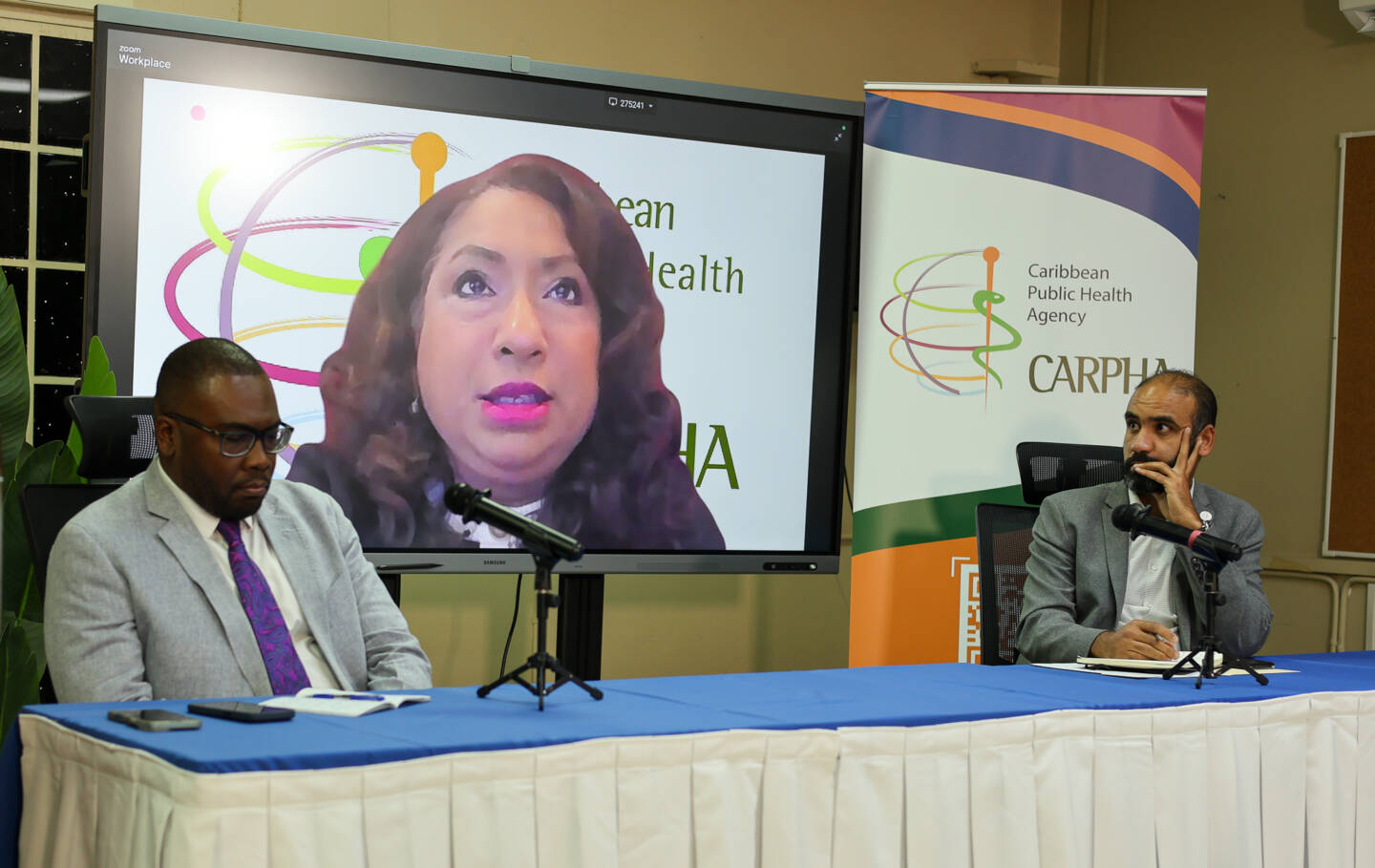
    On the morning of 11 May 2026, Dr. Lisa Indar, Executive Director of the Caribbean Public Health Agency (CARPHA), delivered a formal opening statement at a widely anticipated media briefing, addressing the ongoing hantavirus outbreak linked to the Dutch-registered expedition cruise ship MV Hondius. The briefing was convened to deliver transparent, evidence-based updates to regional governments, media outlets and the general public, dispelling growing misinformation around the emerging public health event.

    The outbreak traces back to 1 April 2026, when the MV Hondius departed Argentina for a South Atlantic expedition. On 2 May, the United Kingdom’s International Health Regulation (IHR) focal point notified the World Health Organization (WHO) of an unusual cluster of severe respiratory illness among passengers and crew on board. As of the 11 May briefing, nine confirmed and suspected hantavirus cases have been documented, with three fatalities reported. One additional passenger is awaiting retesting after an initial inconclusive result. With people on board originating from 28 countries—including the Philippines, the United States, the United Kingdom and the Netherlands—multiple passengers have already disembarked or been medically evacuated to different nations, triggering a large-scale multinational contact tracing operation coordinated by global health authorities. Following the initial notification, the WHO and Dutch public health officials placed the vessel under strict public health protocols, and all people on board have since undergone ongoing monitoring; many affected individuals have been transferred for medical care or repatriated to their home countries under controlled public health measures.

    Dr. Indar clarified that hantavirus is not a new or unknown pathogen. It is a well-documented rodent-borne zoonotic virus that has circulated in wild rodent populations across the globe for decades, with roughly 20 identified strains. The virus is naturally shed by infected rodents through urine, droppings and saliva, and primary transmission to humans occurs through contact with infected rodents or environments contaminated by their excreta. The specific strain driving the MV Hondius outbreak is the Andes virus, a variant predominantly found in parts of South America including Argentina, and the only hantavirus strain confirmed to cause limited human-to-human transmission. This rare person-to-person spread only occurs through intimate or prolonged close contact, and the virus has an incubation period of between one and six weeks. Critically, Dr. Indar emphasized that the rodent species that naturally hosts the Andes virus is not present in the Caribbean, meaning there is no established local transmission cycle in the region. Currently, there is no specific antiviral treatment or licensed vaccine for hantavirus infection; clinical care is limited to supportive interventions such as oxygen therapy and close intensive monitoring.

    Aligning its risk assessment with leading global health bodies including the WHO, the U.S. Centers for Disease Control and Prevention (CDC), and the UK Health Security Agency (UKHSA), CARPHA has concluded that the overall risk of widespread hantavirus transmission to the Caribbean public remains low. Dr. Indar outlined multiple scientific foundations for this assessment: the virus does not spread easily between people, even the Andes variant’s limited human-to-human transmission requires extremely close, prolonged contact and has never caused widespread community spread, the primary reservoir remains wild rodents, the virus cannot spread via airborne transmission like COVID-19 or seasonal influenza, it has a short lifespan when surviving in external environments, and its required natural habitat does not exist in the Caribbean. Dr. Indar also explicitly distinguished hantavirus from COVID-19, noting that COVID-19 caused a global pandemic because it spreads easily between people including those with asymptomatic or mild infections, while hantavirus is primarily rodent-borne with very limited, uncommon human spread that cannot drive large-scale outbreaks.

    Following the initial notification of the outbreak on 2 May, CARPHA activated its emergency response protocols immediately. Within three days, the agency disseminated a formal watching brief to all member states on 5 May, established ongoing coordination with international agencies, regional Chief Medical Officers, IHR national focal points and other key stakeholders, implemented daily situational monitoring, convened meetings of its Incident Management Team for Emergency Response (IMT-ER) and regional Chief Medical Officers, and hosted the current media briefing to ensure transparent public communication.

    CARPHA’s regionally adapted early warning surveillance systems and laboratory networks are already fully activated to monitor the evolving situation and are fully capable of detecting and responding to any imported cases should they arise. Dr. Indar emphasized that the agency remains committed to proactive, accurate information sharing with member states and the public to counter misinformation and strengthen regional situational awareness. CARPHA is also urging the public to maintain basic, effective preventive habits including frequent handwashing, avoiding close contact with unwell individuals, and taking appropriate precautions in areas where rodents may be present—measures that protect against a wide range of infectious diseases beyond hantavirus.

    In closing, CARPHA reiterated its core public messaging: hantavirus is a serious but rare and well-understood disease, the current risk to the Caribbean region remains low, CARPHA’s regional public health systems are fully prepared to detect and respond to any emerging threats, and global health authorities are continuing coordinated monitoring and containment efforts. Dr. Indar noted that this outbreak underscores the critical importance of rapid international coordination, robust contact tracing, and targeted isolation measures to prevent the further spread of rare but potentially deadly pathogens.

  • National Theatre Project Progresses at Deluxe Building

    National Theatre Project Progresses at Deluxe Building

    A key cultural and urban development milestone has been reached in Antigua and Barbuda, as senior government officials and major funding partners conducted an on-site inspection of the Deluxe Building redevelopment project, which is being converted into the country’s first dedicated National Theater for the creative community.

    Leading the official tour on Wednesday was Minister of Social and Urban Transformation, the Honourable Rawdon Turner. He was joined by a high-profile delegation including Prime Minister Gaston Browne, Ambassador Elizabeth Makhoul, and a team of senior consultants and representatives from Project Management Institute (PMI), the primary grant provider backing the transformative initiative.

    The primary goal of the site visit was to get a first-hand look at current construction progress, walk through key work zones, align on revised construction timelines where needed, and evaluate how close the project is to final completion and handover to the government. Originally constructed decades ago as a prominent entertainment venue, the aging Deluxe Building holds deep cultural history in the heart of St. John’s, the nation’s capital. Its conversion into a modern national theater is a core component of the Gaston Browne administration’s broader strategic agenda focused on urban renewal across St. John’s and targeted investment in the country’s creative and cultural sectors.

    During the inspection tour, project managers briefed the assembled stakeholders on the scope of ongoing structural upgrades and heritage rehabilitation work currently underway at the site, which is focused on preserving the building’s iconic original character while updating its infrastructure for 21st-century use. Once fully completed, the new National Theater will fill a long-standing gap in Antigua and Barbuda’s cultural infrastructure, serving as a flexible, modern venue for a wide range of events including professional theatrical productions, live musical performances, national conferences, cultural heritage showcases, and other major national and international events hosted by the country.

    PMI representatives, who are providing critical grant funding to make the project possible, also received a detailed breakdown of completed construction benchmarks and the ongoing cross-team coordination efforts between government agencies and private contractors that are designed to keep the project moving according to its original delivery schedule. Officials reaffirmed their commitment to opening the venue on time to support the growth of Antigua and Barbuda’s creative economy.

  • Barbados, T&T eye stronger cultural ties in education

    Barbados, T&T eye stronger cultural ties in education

    A groundbreaking cross-border partnership between Barbados and Trinidad and Tobago centered on creative arts is emerging as a potential game-changer for reimagining education systems across the Caribbean, with top government officials and a celebrated soca icon aligning on a vision to weave regional identity, cultural heritage, and career-ready creative skills into early childhood and secondary education.

    The landmark conversation took place this Monday, when Minister of Education Transformation Chad Blackman welcomed award-winning Trinidadian soca performer Nailah Blackman — an artist with deep ancestral roots in Barbados — for a formal courtesy call at the minister’s Bridgetown office. For those unfamiliar with the star’s legacy, Nailah Blackman carries unmatched cultural pedigree in the Caribbean music space: she is the granddaughter of Ras Shorty I, the legendary innovator who pioneered the soca music genre, and the daughter of respected Trinidadian calypsonian Abbi Blackman, earning her the widespread title of “soca royalty” across the region. As of press time, no familial connection between Minister Blackman and the performer has been confirmed.

    During the discussion, Minister Blackman framed the collaboration as a natural extension of Barbados’ ongoing national education transformation agenda, arguing that the current reform push creates a unique opening to center Caribbean identity and cultural knowledge rather than sidelining it. “Your vision for advancing the arts, not just here in Trinidad but across Barbados, the entire Caribbean, and the global stage, lines up with so many of the goals we’re working toward — there are incredible synergies we can leverage,” he told the performer. The minister went on to emphasize that as Barbados overhauls its education framework, a core priority is decolonizing curricula by placing Caribbean narratives, culture, and perspectives at the heart of what students learn.

    Nailah Blackman echoed this commitment, stressing that foundational change to education must start in the earliest years of childhood to undo the lingering harm of colonial educational frameworks. “We really have to break free of the colonial mindset, because it’s something that has divided us and held our region back,” she explained. She added that grounding young people in local and regional arts and culture from their first years in school is the first step to building healthy, empowered regional identities: “That’s where change starts — molding young minds the right way, authentically, starting with deep roots in our own arts and culture.”

    Minister Blackman also outlined concrete policy plans to expand creative arts access across Barbadian primary and secondary schools, including the development of on-campus music production studios equipped for student use. “We’ve already made a formal commitment that a significant number of our schools will roll out dedicated creative arts curricula, but what makes this new is that we’re building actual studios where students can create their own music, produce original beats, and develop soundtracks from scratch,” he said. The end goal, he explained, is to arm students with marketable, practical creative skills before they graduate, preparing them to build successful careers in music and the broader creative economy across the Caribbean and around the world. “This is an incredibly exciting moment for education in our region,” he added.

  • ABWU Congratulates Chester Hughes on Senate Appointment

    ABWU Congratulates Chester Hughes on Senate Appointment

    A decades-long champion for working-class communities across Antigua and Barbuda has stepped into a new national leadership role, with the country’s primary trade union organization celebrating the appointment of one of its most respected leaders to the national Senate.

    Chester Hughes, currently serving as Deputy General Secretary of the Antigua and Barbuda Workers’ Union (ABWU), has been named to the Upper House of the country’s parliament, drawing enthusiastic congratulations from union leadership this week.

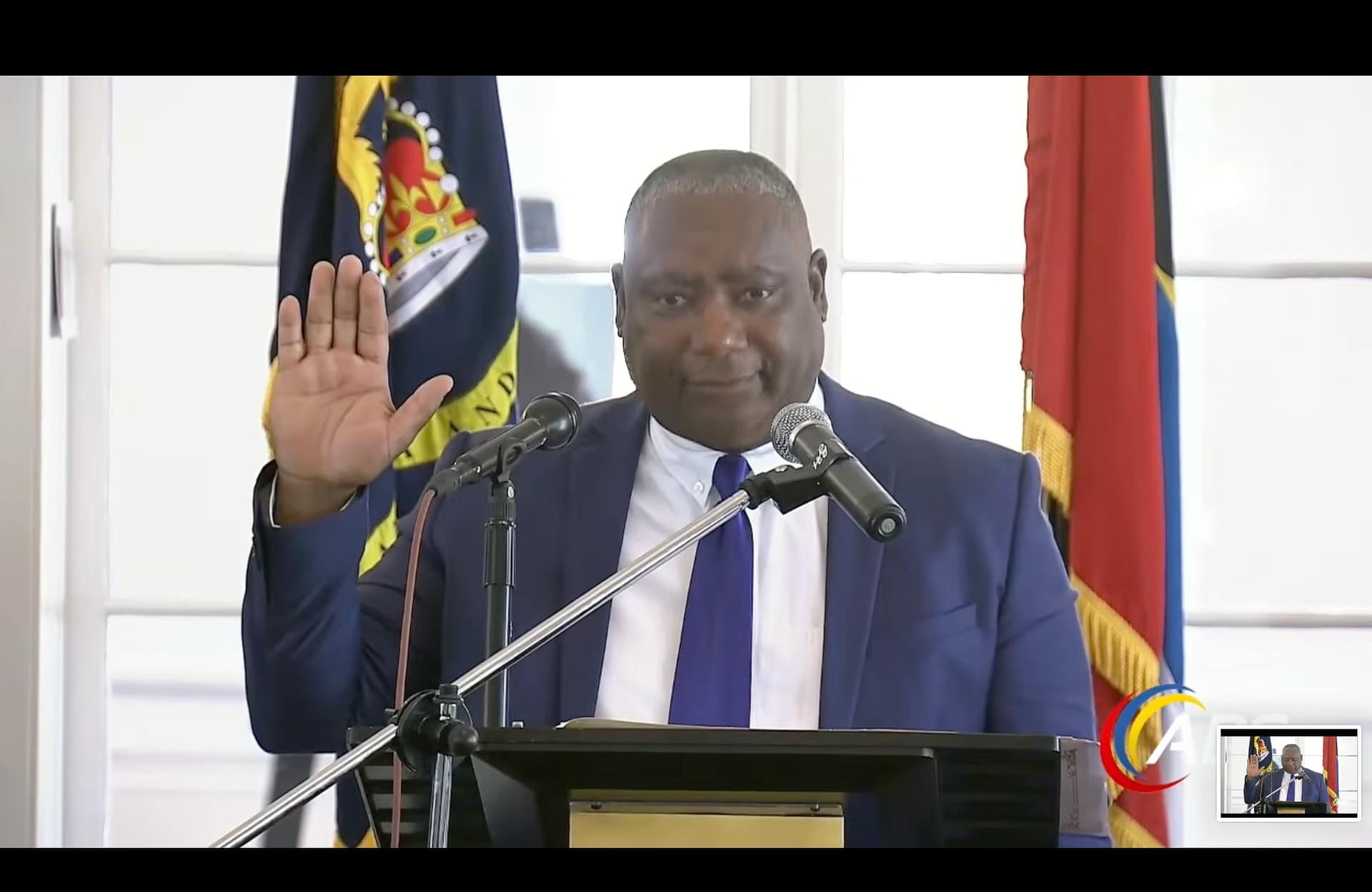
    David Massiah, ABWU’s General Secretary, emphasized that the organization holds unwavering confidence in Hughes’ ability to uphold the public good in his new role. “We have complete confidence that Senator Hughes will serve with distinction and in the best interest of all citizens and residents of Antigua and Barbuda,” Massiah stated.

    Hughes’ professional trajectory has been defined by relentless advocacy for workers across the nation. For nearly his entire career, he has centered his work on advancing the well-being, rights, and economic security of working people, building a reputation for unwavering dedication to social justice, equitable governance, and broad-based national development. This commitment has earned him deep respect both within the global labour movement and across Antigua and Barbuda’s domestic civil society.

    Throughout his tenure at ABWU, Hughes has represented hundreds of workers at all levels of advocacy and dispute resolution, including appearances before the country’s Industrial Court. He is widely recognized as a skilled negotiator, having secured transformative collective bargaining agreements that deliver tangible benefits to workers, and a key architect of policy reforms designed to lift quality of life for working families across the islands. On the global stage, Hughes maintains an active role as an elected member of the World Executive Body of Union Network International (UNI), one of the world’s largest global union federations.

    This new Senate appointment marks a return to national parliamentary governance for Hughes, who previously held public office between 2004 and 2014 during the administration of former Prime Minister Baldwin Spencer. During that decade, he served as the elected Lower House representative for the All Saints East and St. Luke constituency, and also held the role of Deputy Speaker. Hughes is no stranger to the Senate either, having previously served as an Opposition Senator in prior years.

    Beyond his governance and labour work, Hughes has demonstrated a consistent commitment to expanding his professional expertise. He most recently completed a Bachelor of Laws (LLB) degree at the United Kingdom’s Arden University, graduating with Upper Second Class Honours. Having been granted student membership with the Honourable Society of the Middle Temple—one of London’s four prestigious professional associations for barristers—he is now preparing to sit for the Bar examination to qualify as a barrister.

    ABWU leadership notes that Hughes’ unique combination of decades of experience in labour relations, national governance, grassroots advocacy, and legal training creates a strong foundation for him to deliver meaningful impact as a member of the Upper House. The union reiterated its congratulations on the appointment, framing the role as a well-deserved recognition of Hughes’ years of public service, and extended well wishes for his success as he launches this new chapter of national work.

  • When good intentions do harm: Why we must donate responsibly

    When good intentions do harm: Why we must donate responsibly

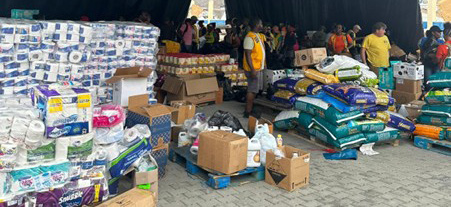
    For the Caribbean region, a frequent hotspot of climate-driven extreme weather, international generosity has long been a lifeline after catastrophic disasters. But well-meaning donations that arrive without coordination or alignment with local needs often turn into a secondary humanitarian crisis, crippling response efforts at a time when speed can mean the difference between life and death. In the aftermath of major disasters, unsolicited, unvetted donations routinely overwhelm already strained regional ports and storage facilities. Common problematic donations include heavy winter coats sent to tropical climates, expired food products, unsorted mixed boxes of goods that require hundreds of hours of labor to organize, and flimsy tarpaulins that cannot withstand heavy tropical rainstorms. Instead of supporting vulnerable communities, these inappropriate donations waste critical resources and divert emergency personnel away from addressing the most urgent life-saving needs.

    Data and operational experience from the Caribbean Disaster Management Agency (CDEMA) and its member states confirm that without clear, enforced donation management policies, massive volumes of unusable or ill-suited goods consume limited time, emergency personnel, and funding. This places enormous unnecessary strain on national logistics systems, and directly delays the delivery of essential supplies such as clean drinking water, nutrition, emergency shelter materials, and critical medical equipment. Compounding this problem, as much as 60 percent of these unsolicited donations never reach affected communities, and are ultimately discarded as waste. This creates additional environmental harm for small island nations already struggling with waste management infrastructure challenges. Beyond operational disruptions, these inefficiencies carry a steep human cost: when response systems slow down, at-risk populations are forced to wait longer for life-saving relief that they depend on for survival.

    The urgency of addressing this crisis has never been higher. Between 2020 and 2025 alone, more than 2.6 million people across 13 English and Dutch-speaking Caribbean countries were impacted by floods, intense tropical storms, and volcanic activity. These recurring disasters have caused widespread destruction of homes and infrastructure, displaced entire communities, and placed sustained, long-term pressure on already fragile social systems and national economies. This pattern underscores the region’s growing exposure to overlapping, complex climate hazards that are increasing in frequency and intensity as global temperatures rise.

    As the 2026 Atlantic Hurricane Season approaches, and tropical storms continue to grow in strength due to climate change, the need for proactive preparedness has become more critical than ever. Lessons learned from recent disaster responses make clear that preparedness cannot stop at strengthening physical infrastructure and frontline response capacity. It must also include building robust public systems capable of managing and effectively routing incoming international support, so that generosity strengthens disaster response rather than derailing it.

    To address this longstanding challenge and raise global and regional public awareness, CDEMA and the International Organisation for Migration (IOM), working in partnership with a range of regional and international humanitarian organizations, have rolled out a regional Donate Responsibly Campaign. The initiative aims to fundamentally transform how disaster assistance is delivered to affected Caribbean nations. Funded by EU Humanitarian Aid, the campaign is built on a simple but powerful core principle: all donations must be needs-based, centrally coordinated, and fully aligned with national disaster response systems.

    CDEMA has already laid critical foundational groundwork through its Comprehensive Relief and Logistics Management Programme, which supports member states to strengthen their national aid management capacity. This support includes developing tailored national logistics plans, establishing clear formal policies for unsolicited donations, conducting systematic needs assessments to identify priority items, strengthening end-to-end supply chains, and improving coordination through National Emergency Operations Centres. Digital tools such as real-time logistics tracking systems are already helping ensure that assistance is shaped by actual on-the-ground needs, not outdated assumptions about what affected communities require.

    Through the International Disaster Response Law (IDRL) framework, implemented in partnership with The International Federation of Red Cross and Red Crescent Societies (IFRC), CDEMA also supports countries to strengthen national regulatory frameworks that both facilitate and regulate incoming international aid. This work ensures all assistance is coordinated, accountable, and aligned with local needs. Key reforms include streamlining customs and border clearance processes for emergency goods, setting clear quality standards for incoming donations, and upholding international accountability requirements for humanitarian aid. Complementing these national-level reforms, regional coordination mechanisms co-led by IOM, CDEMA, and IFRC — including the Emergency Shelter and Non-Food Items Technical Working Group and the Relief and Logistics Thematic Working Group — help align all aid partners around shared common standards and response priorities.

    For individuals and organizations planning to donate ahead of or during future disasters, the campaign outlines three core guiding principles. First, cash donations are almost always the most effective option. Financial contributions allow local responders and national governments to purchase exactly what is needed, at the exact time and location it is required, while also supporting local economies rather than undercutting local producers. Second, coordination is non-negotiable. Before making any donation, potential givers should follow official guidance from national disaster management offices and CDEMA, and route donations through recognized, trusted humanitarian partners using official priority needs lists and established quality standards. Third, supporting and strengthening existing regional and national response systems is equally critical. All assistance should align with pre-existing national and regional response plans and logistics frameworks — donors should never bypass established systems to send unsolicited goods.

    The campaign emphasizes that responsible donating should support long-term recovery, not create new burdens for affected communities. Donations must address confirmed local needs, avoid creating additional waste and environmental harm, and prevent adding extra financial strain to small island states that are already on the frontlines of climate change. Context matters deeply: the Caribbean is a diverse region with unique cultural, climatic, and infrastructure contexts, so donations must be culturally appropriate, climate-relevant, and fit for their intended purpose. A donation that works well in one disaster context may be ineffective or even actively harmful in another.

    As the campaign notes, how people give is just as important as what they give. Before making a donation, all potential givers are encouraged to ask two simple questions: is this donation actually needed by the affected community, and is it being sent through coordinated official channels? Encouragingly, young people across the Caribbean are already leading calls for smarter, more sustainable approaches to disaster response, with a clear message: responsible giving is informed, coordinated, and environmentally sustainable.

    For Caribbean diaspora communities, private sector partners, national governments, and global supporters, the campaign’s message is clear: generosity can save lives, but only when it matches actual on-the-ground needs. The campaign urges all potential givers to support trusted, established organizations, follow official response channels, prioritize cash donations wherever possible, and ensure their support makes a meaningful, positive impact. The call to action is simple: Donate responsibly. Support smarter disaster response. Build stronger regional resilience. This article is a press release contributed by Kevon Campbell, Logistics Specialist at CDEMA, and Jan Willem Wegdam, Shelter Advisor at IOM.
  • Belize District Residents: Here’s What the New SOE Means for You

    Belize District Residents: Here’s What the New SOE Means for You

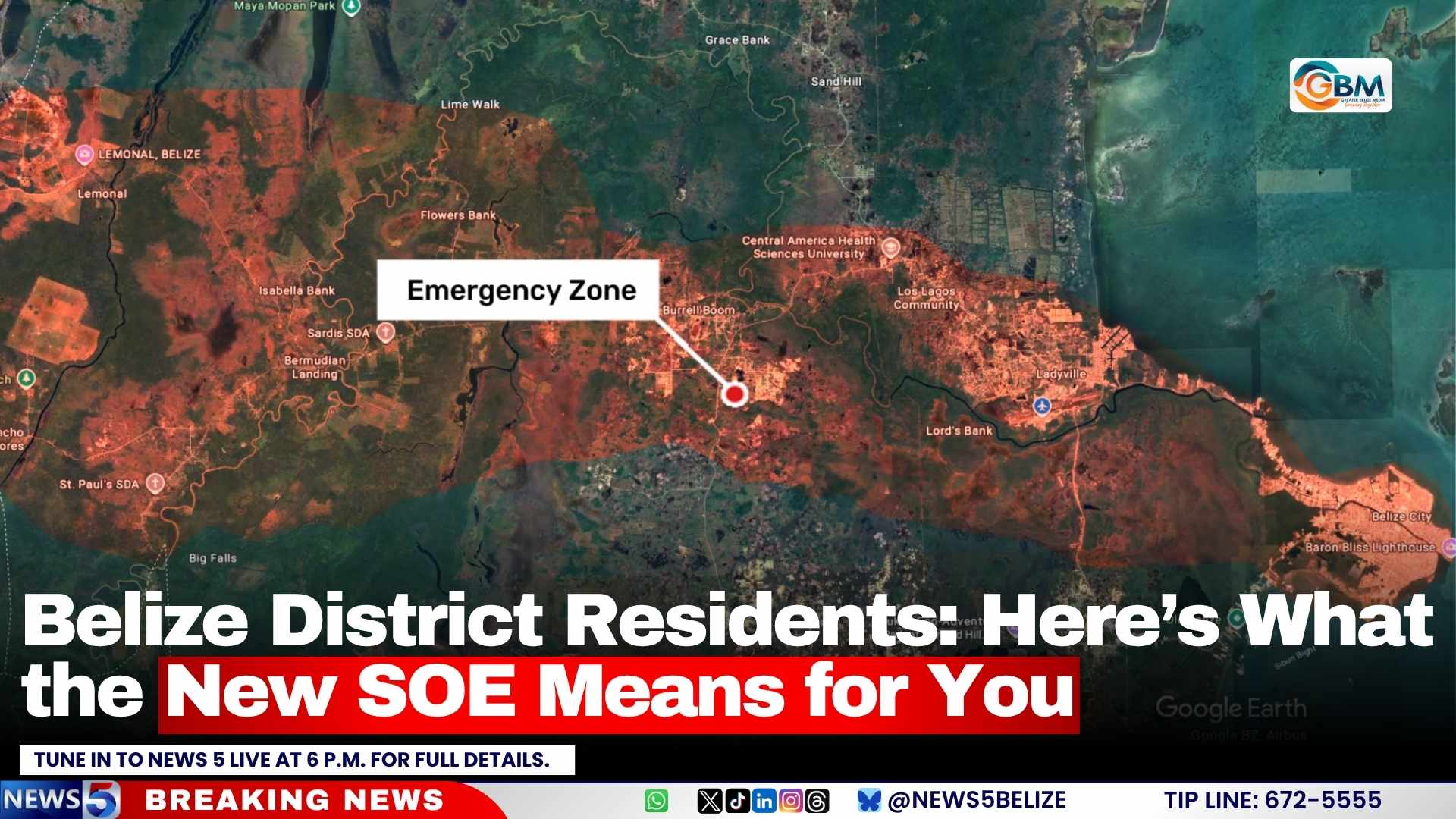
    Residents across Belize District began their weekend facing a dramatically altered daily landscape after the government enacted a new State of Emergency (SOE) granting sweeping new powers to law enforcement. The drastic public safety measure came in direct response to a rapid series of deadly shooting incidents that left multiple people dead and terrified local communities on both the northern and southern outskirts of Belize City. Over just a handful of days, the small Caribbean district was rocked by four separate fatal attacks, including the targeted ambush of two men, Hubert Baptist and Eric Frazer, along the busy Philip Goldson Highway. In another incident, 29-year-old Jamal Samuels was gunned down in what investigating officers have classified as a retaliatory gang-related killing. Most shocking of all was the fatal shooting of a mother of three, which authorities allege was carried out by a 16-year-old gunman. Formalized under Statutory Instrument 50 of 2026, the new SOE rules have reshaped routine life for thousands of local residents. Key restrictions imposed under the emergency order include a total ban on public gatherings of three or more people, a prohibition on public alcohol consumption, and an 8 p.m. curfew for all minors. Beyond these daily life restrictions, the order grants expanded search and detention authority to joint patrols of police officers and Belize Defence Force (BDF) personnel. Under the new rules, security personnel can stop and search individuals, motor vehicles, private residences and commercial properties without requiring a prior warrant from a court. Law enforcement also now holds the power to detain individuals suspected of threatening public safety for up to 30 days without charge, and can order the permanent closure of any location deemed to be a hub for violent or criminal activity. Armed mobile patrols now operate across high-risk areas of the district, with permanent checkpoints set up to monitor vehicle and foot traffic. As the new restrictions went into effect, many residents are questioning the scope of the new powers, the impact on personal privacy and daily routines, and whether the dramatic emergency measure will succeed in curbing the ongoing wave of violent crime that prompted its declaration. Local broadcaster News 5 will air a full special report exploring these questions and sharing resident reactions during its 6 p.m. live News 5 broadcast, featuring on-the-ground reporting from across the impacted district.

  • Olieprijzen stijgen na Trumps afwijzing van Iraanse vredesreactie

    Olieprijzen stijgen na Trumps afwijzing van Iraanse vredesreactie

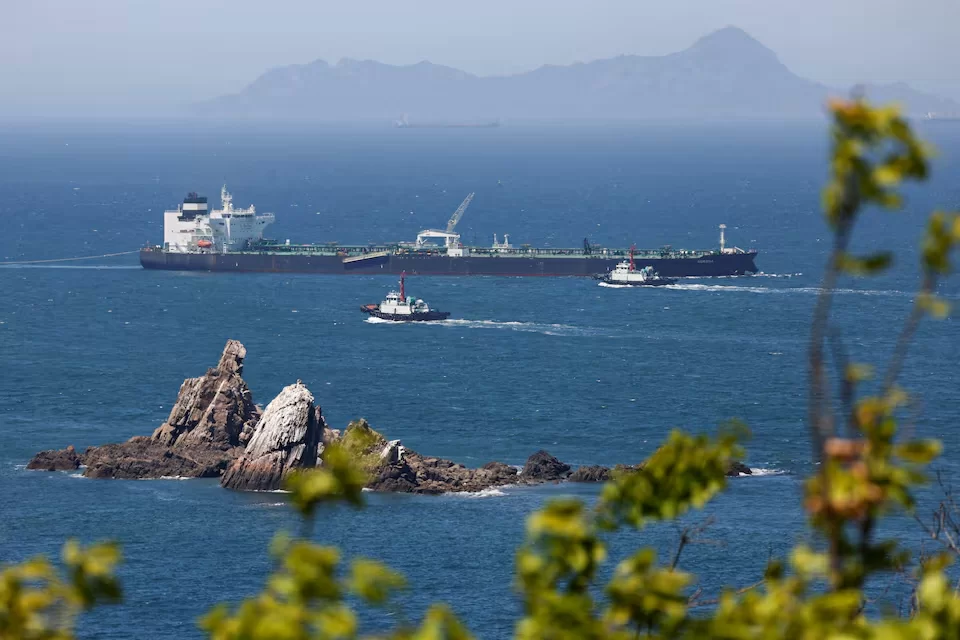
    Global energy markets saw sharp upward movement in oil prices on Monday, triggered by former U.S. President Donald Trump’s public rejection of Iran’s response to a U.S. peace initiative, which he labeled “unacceptable.” The renewed geopolitical friction has amplified market anxiety over prolonged supply disruptions, as the strategically critical Strait of Hormuz remains largely closed to commercial shipping – a development that ripples directly through global energy pricing.

    In early midday trading, Brent crude climbed $1.81, or 1.8%, to settle at $103.12 per barrel, while U.S. West Texas Intermediate (WTI) crude gained $1.55, or 1.6%, to hit $96.97 per barrel. Earlier in the trading session, both benchmarks hit intra-day peaks, with Brent touching $105.99 per barrel and WTI reaching $100.37 per barrel. This rally comes on the heels of a roughly 6% price drop last week, driven by investor optimism that the 10-week-old conflict between the U.S. and Iran would be resolved quickly.

    John Evans, an oil market analyst at PVM Oil Associates, cautioned that despite encouraging signals from backchannel diplomatic talks, the gap between Washington and Tehran remains far too wide for an immediate breakthrough. “We do not expect any breakthrough before Trump’s visit to Beijing this week, where he will press Chinese leadership to put greater pressure on Iran to compromise,” Evans explained. Trump is scheduled to arrive in Beijing on Wednesday for high-level talks with Chinese President Xi Jinping, where Iran tensions and other key geopolitical issues will top the agenda.

    Over the weekend, Saudi Aramco CEO Amin Nasser issued a warning that the ongoing conflict has already cut off roughly 1 billion barrels of oil from global markets over the past two months. Even if the Strait of Hormuz reopens to full traffic immediately, Nasser noted it will take considerable time for global energy markets to rebalance and stabilize. Alongside this forecast, energy traders expect Saudi oil exports to China to decline further in June, driven by elevated prices and reduced production commitments.

    Shipping tracking data from analytics firm Kpler confirms that three oil tankers have recently transited the Strait of Hormuz with their AIS tracking transponders disabled, a security measure to avoid targeted attacks. Separately, a second Qatari liquefied natural gas (LNG) vessel is en route to Pakistan, with an expected arrival on May 12. Japan is set to receive its first delivery of crude oil from Central Asia on Tuesday since the conflict began, marking a small step toward diversifying the nation’s energy supply away from Gulf routes.

    Analysts at JPMorgan have projected that Brent crude will average roughly $97 per barrel throughout 2026, with little room for rapid price normalization even after the Strait of Hormuz fully reopens. Before the U.S.-Iran conflict erupted, the 2026 average price sat at around $85 per barrel, marking a nearly 14% increase in baseline pricing. U.S. independent shale producer Diamondback Energy has already positioned its portfolio to capitalize on prolonged volatility, purchasing options that profit from a widening price gap between WTI and Brent – a strategy that would deliver returns if the U.S. moves to restrict domestic crude oil exports.

    The geopolitical uncertainty roiling oil markets has also spilled over into global gold and equities markets, triggering a flight to safe-haven assets. Gold prices edged slightly higher on Monday, as investors continued to view the precious metal as a reliable store of value amid conflict and economic uncertainty. Gold traded near $4,700 per ounce, representing a 0.5% gain from Friday’s closing price.

    Global stock exchanges saw a tone of cautious optimism on Monday. While ongoing pressure from the energy crisis and geopolitical tensions keeps market volatility elevated, some sectors have benefited from rising commodity prices. Energy and raw material producers posted clear gains on the day, while technology and consumer goods stocks held relatively steady. Market participants are now closely monitoring developments around Iran and the upcoming Trump-Xi summit, as any escalation or de-escalation of tensions will have an immediate, direct impact on global financial markets.

  • Born to Be a Nurse. Turns Out, She’s So Much More.

    Born to Be a Nurse. Turns Out, She’s So Much More.

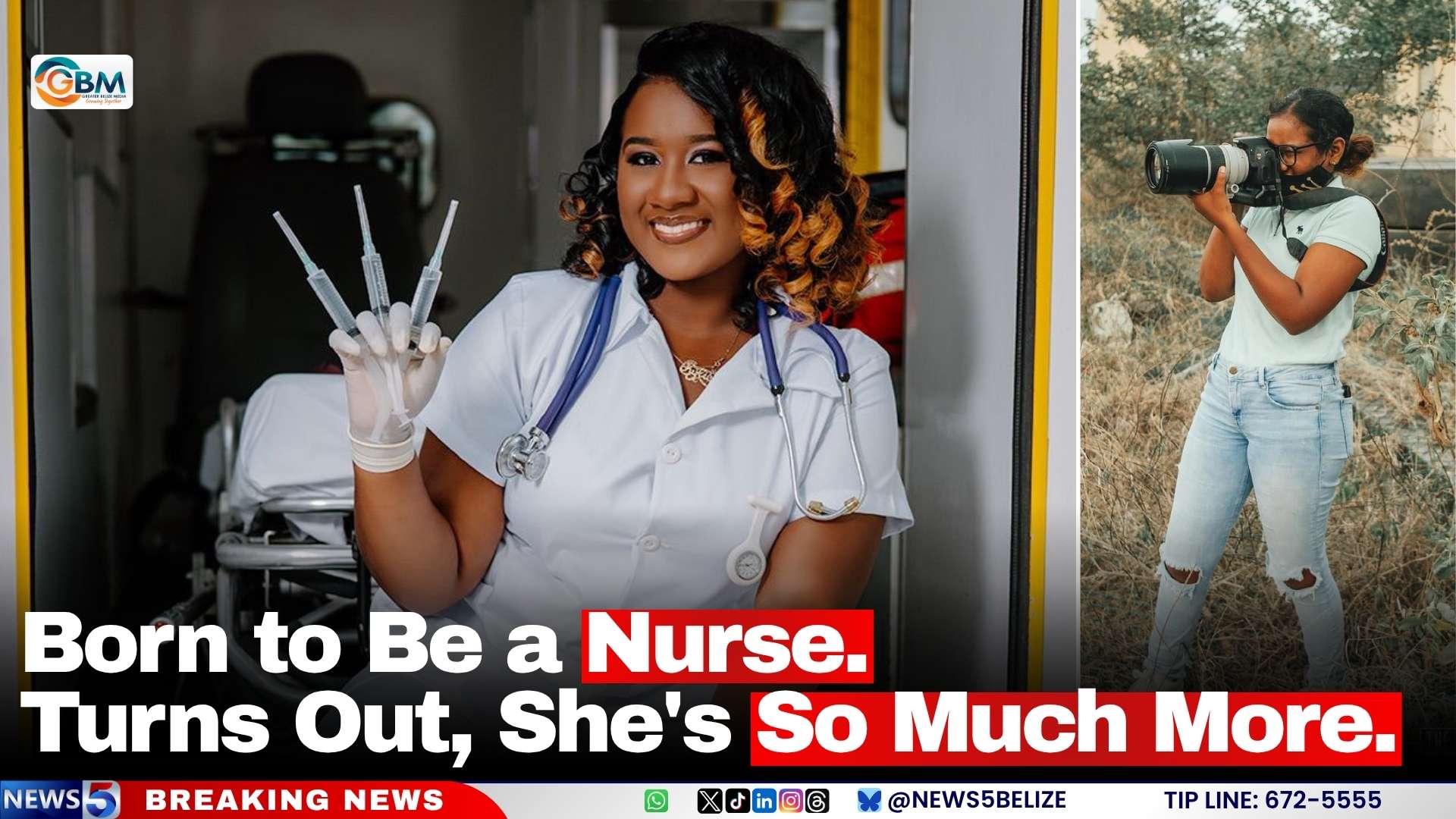
    Kylie Rhamdas’ calling to nursing was not a late-in-life discovery—it took root when she was just five years old, clutching a plastic toy stethoscope and already imagining a future caring for others. By age 22, that childhood dream has become a reality: she just wrapped up her first full year as a Licensed Practical Nurse in the emergency department of Belize’s Karl Heusner Memorial Hospital, a milestone that arrived just as 2026 Nurses Week, a national observance honoring frontline healthcare workers, drew to a close. Looking back on the winding path that brought her to this point, Rhamdas says she would tell her five-year-old self, “We did it.”

    Growing up as a frequent hospital patient managing sickle cell disease only strengthened Rhamdas’ desire to work in healthcare. Those long stays gave her a front-row seat to the compassion and steady care nurses brought to patients in crisis, a memory that stayed with her for decades. “All my life when I was younger, I was always in the hospital,” she recalled. “I used to watch the nurses and think, I want to be a doctor or a nurse.”

    The road to nursing was anything but straightforward. After finishing secondary school, Rhamdas did not enroll immediately in college. Instead, she honed her skills as a photographer while never letting go of her childhood dream. When she eventually enrolled in nursing school, she worked three part-time jobs to cover her costs, relying on income from photography to pay for transportation, meals, and school fees. It was a nursing scholarship that finally made her enrollment possible, after years of planning and saving.

    Even with the scholarship, daily life as a student presented steep challenges. Nursing school was based in Belmopan, while Rhamdas made her home in Belize City—meaning she had to wake up at 4:30 every morning to catch a 6 a.m. bus, just to arrive on time for 8 a.m. classes. “Some days used to be really hard. I don’t know if I want to go to school today, but you have to push yourself,” she said. “If that’s something you like and that you really want, you have to push yourself and motivate yourself to continue.”

    Now one year into her emergency department role, Rhamdas already has her next professional goals in sight: she plans to earn a Bachelor of Science in Nursing before pursuing specialized training in psychiatric care. What many patients do not see when they interact with her in the busy ER, however, is the full, layered life she carries beneath her scrubs. Beyond her reputation for arriving 30 minutes early to every shift, few know she manages her own chronic sickle cell pain through long, demanding shifts, that she worked her way through school as a professional photographer, or that as a new graduate nurse she prayed silently for a critically ill patient to pull through.

    That patient survived after a 16-hour shift where Rhamdas never left her side. Later, the patient thanked her for her care—a small moment Rhamdas returns to again and again on days when she doubts her own work. “When I feel like I’m a bad nurse or I’m not doing as much as I want to do, I would think back to that moment,” she said.

    This unspoken side of nursing is rarely discussed in public: the emotional weight that nurses carry home with them after hard shifts, the self-doubt that comes with working in a high-stakes environment, and the overwhelm that hits new nurses when classroom training cannot fully prepare them for the breakneck pace of an emergency department. Rhamdas openly shares that she cried through her first week in the ER, overwhelmed by self-doubt. “I was like, I don’t think I’m a good nurse. I don’t think I’m getting this. I feel like I’m too slow for this unit,” she recalled. “I used to cry about it, but I got over it. I continued to push myself.”

    A common public misconception, Rhamdas notes, is that nurses are expected to be infallible—when in reality, they are human, just like the patients they care for. “People always expect us to not make mistakes. We’re prone to mistakes. We might not be able to answer all the questions that you have. But we try our best,” she said.

    What carried Rhamdas through her early challenges was a determined mindset, the core childhood memories that reminded her why she chose the field, and a supportive team of colleagues who invested in her growth. That combination earned her the 2026 Adrenaline Ace Award at Karl Heusner Memorial Hospital, an honor that recognizes exceptional performance in the emergency department. “I don’t think that I would have got that award if it weren’t for most of my co-workers there who strengthened me,” she said. “Whether it was teaching me a new skill, correcting me when I was wrong, or just teaching me something new every day.”

    Outside of the hospital walls, Rhamdas still works as a photographer, scheduling photoshoots around her nursing shifts and prioritizing activities that help her manage workplace stress on her days off: traveling, listening to music, and relaxing by the ocean. “Anything to deal with the stress… Just find something that suits you and calms you,” she advised.

    For anyone considering a career in nursing who feels unsure about taking the first step, Rhamdas has clear advice: “Go for it.” “The journey might not always be as easy as you think it is. But push through. And always think about the ending goal,” she said. “When you become a nurse, you might not feel appreciated at first. But you’re going to meet patients who remind you of why you’re a nurse.” She also emphasizes that it is never too late to pursue education: “Schooling has no age. I believe you can go back to school whenever you feel like.”

    At its core, 2026 Nurses Week is about more than just honoring the work of nursing—it is a reminder that the person caring for you at your bedside is navigating a full, complicated, deeply human life of their own. For Rhamdas, that humanity is what makes the work worth it. “We’re always there to help,” she said. “We might not always be perfect. But we’re always there.”

  • Teen Dies One Day After Parents’ Release From ICE Custody

    Teen Dies One Day After Parents’ Release From ICE Custody

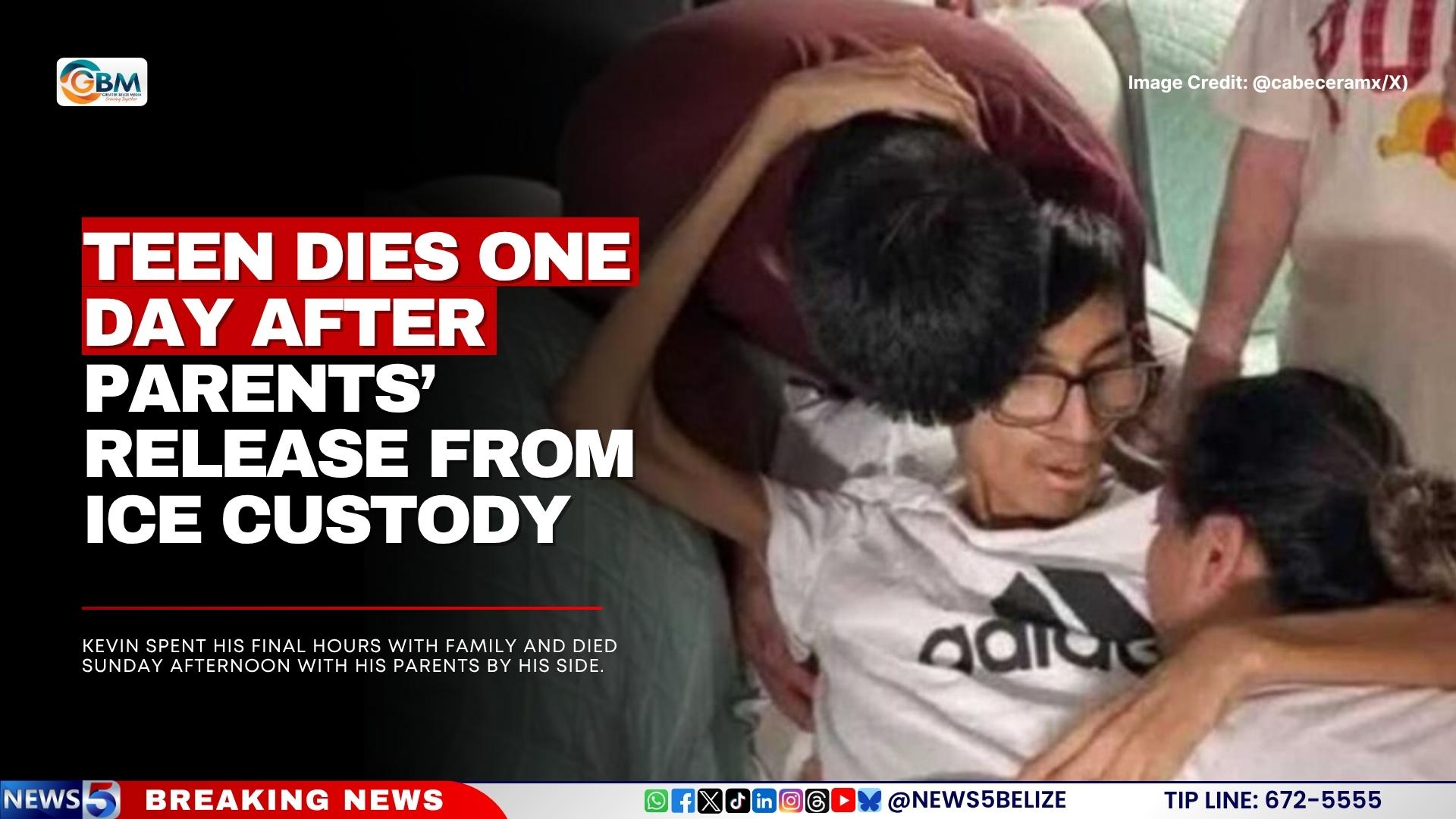
    In a devastating story that has drawn international attention to the human costs of U.S. immigration enforcement, an 18-year-old Chicago-born teen with terminal cancer has passed away only 24 hours after he was finally reunited with his parents following their release from U.S. Immigration and Customs Enforcement (ICE) custody. Kevin Gonzalez, who battled late-stage colon cancer, died Sunday afternoon in Durango, Mexico, with his recently released parents by his side, family members confirmed to local NBC and Telemundo affiliates.

    Kevin first sought medical care earlier this year in his native Chicago after experiencing intense, persistent stomach pain. A devastating diagnosis followed: stage 4 colon cancer that had already spread to his stomach and lungs. Clinicians determined the cancer was untreatable, and advised transitioning to palliative comfort care to ease his final days.

    When Kevin received his terminal diagnosis, his parents — Isidoro González Avilés and Norma Anabel Ramírez Amaya — attempted to cross the U.S. border from Mexico to be at their son’s side. But border authorities detained the couple in Arizona after they entered without prior authorization. U.S. Department of Homeland Security officials later confirmed the pair had been denied formal travel visas due to a history of previous unlawful presence and re-entry into the United States.

    While his parents were held in ICE detention, a gravely ill Kevin left Chicago to return to Mexico, where he moved in with his grandmother to wait for his parents’ release. As his health declined, he went public with an emotional plea to immigration officials, calling for his family to be reunited before it was too late.

    Earlier this week, a federal judge issued an order demanding the expedited release of Kevin’s parents. The couple was deported to Mexico on Friday, and the long-awaited reunion between Kevin and his parents finally took place in Durango on Saturday. Family members described the emotional meeting as a deeply moving, bittersweet moment. In the immediate aftermath of the reunion, Kevin’s mother shared her heartbreak at seeing her son’s condition, telling reporters, “I didn’t imagine seeing him so thin, the way he is.” His father added, recalling the moment he saw his dying son: “I knelt on his feet, I told him I was sorry if I ever disappointed him as a father and that I loved him.”

    After spending his final full day surrounded by the entire family he had waited months to see, Kevin passed away on Sunday afternoon with his parents holding his side. The tragedy has sparked renewed conversation about the human impact of U.S. immigration policy, particularly in cases involving terminally ill people seeking family reunification.