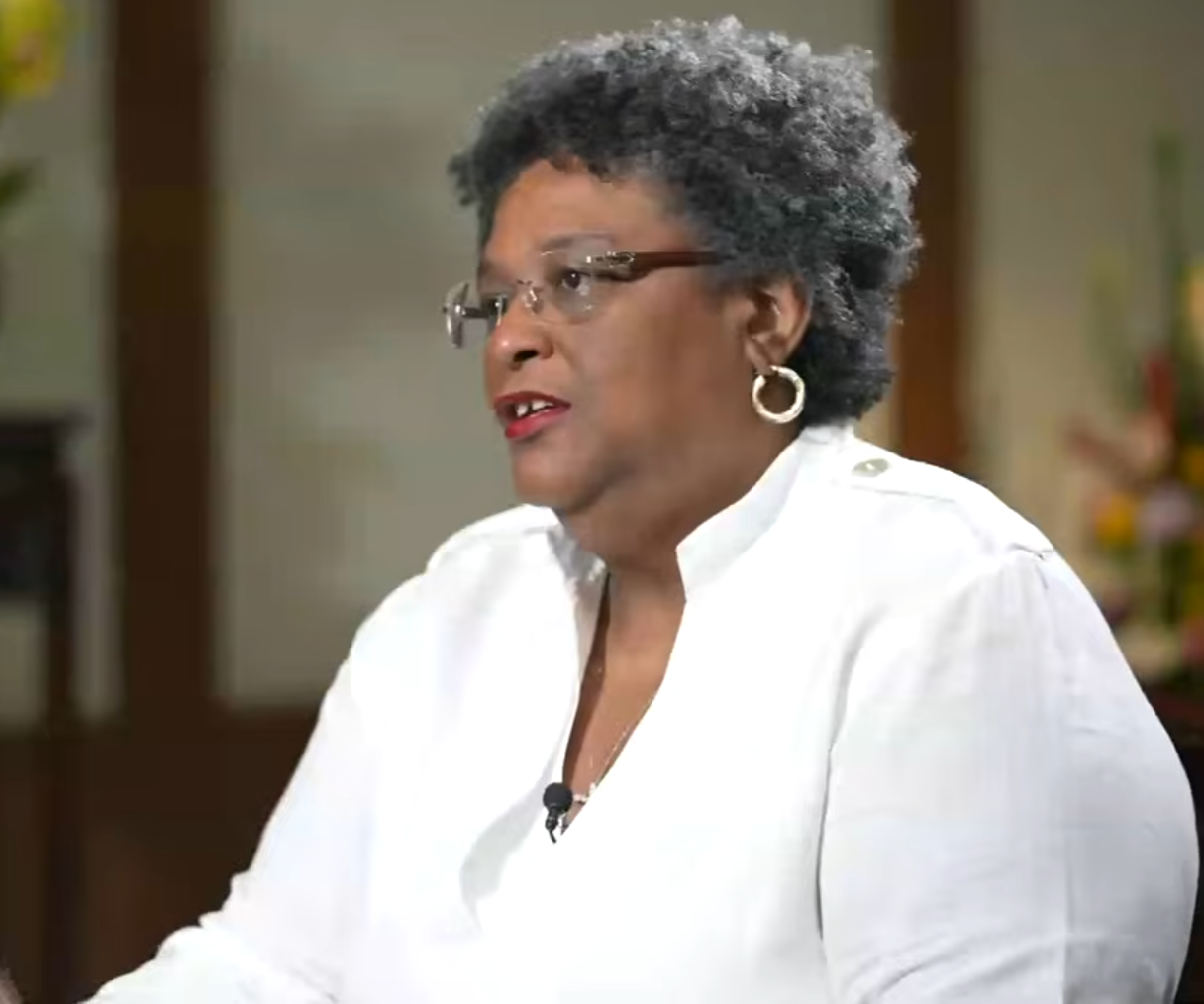
During a Sunday evening gathering at the University of the West Indies Mona campus, Barbadian Prime Minister Mia Mottley addressed an audience of former Caribbean heads of government, laying out a sharp critique of CARICOM’s longstanding six-month rotating chairmanship structure. Mottley argued that the temporary, short-term nature of the rotational role fails to deliver the consistent, region-wide advocacy and follow-through required to push the decades-old Caribbean integration project forward, and formally proposed the creation of a dedicated, permanent political head position for the 15-member bloc to fill this critical gap. Veteran Caribbean media leader and publisher Julian Rogers, whose analysis appears as a direct response to Mottley’s address, fully endorses Mottley’s assessment that CARICOM is currently gridlocked by fragmented leadership and inconsistent implementation of collective summit decisions, but pushes back against her proposed policy prescription of establishing a brand-new formal institutional post. Rogers points out that Mottley herself already holds all the credentials, public mandate, regional trust and international profile to serve as the de facto leader the bloc is searching for, without requiring any treaty amendments or new bureaucratic processes. As the designated lead CARICOM head of government responsible for the core CARICOM Single Market and Economy (CSME) initiative, a past multiple-term CARICOM Conference chair, and the architect of the landmark Bridgetown Initiative that successfully put small island developing states’ demands for debt relief and equitable climate finance at the top of global agendas in Washington, Paris and New York, Mottley is already the most recognizable and respected voice for the Caribbean on the world stage, Rogers notes. He draws a direct parallel to Mottley’s 2006 track record, when as Barbados’ deputy prime minister she led a CARICOM security sub-committee ahead of the 2007 Cricket World Cup, delivering transformative regional frameworks including the CARICOM Implementation Agency for Crime and Security, a joint regional communications centre, cross-border intelligence fusion hub, shared single domestic travel space and unified common visa across 10 member states in time for the tournament’s opening match – all without waiting for formal treaty revisions, acting only on the basis of a clear deadline and decisive leadership. Rogers lays out four actionable, low-barrier steps Mottley could implement immediately to accelerate regional integration, no new formal position required. First, she could convene the existing network of CARICOM-accredited ambassadors based at the Georgetown Secretariat as a standing monthly task force to track and enforce full implementation of all CARICOM heads of government decisions, while also coordinating the bloc’s global network of overseas missions to operate as a unified, single-voiced diplomatic corps on priority issues including climate finance, correspondent banking access and unfair deportation policies, eliminating the current gap where CARICOM only holds observer status at the United Nations while blocs like the EU speak with a unified, authoritative voice. Second, she could mobilize the existing, underutilized network of volunteer CARICOM Youth Ambassadors active across all 20 member and associate states as a regional on-the-ground field team to promote CSME free movement rights, assist citizens at border points, and report on incidents where CARICOM nationals are wrongly denied entry by local officials. Third, rather than relying solely on Mottley’s proposed 0.3% import levy and small visitor fee to raise an estimated US$90 million in annual sustainable funding for regional institutions, Rogers argues the bloc could tap into the region’s vast, untapped diaspora resources: the Caribbean received US$9 billion in remittances in 2025 alone, 100 times the size of the proposed annual institutional budget, and a voluntary, no-tax framework of diaspora bonds, regional investment windows and a professional skills registry for Caribbean expats based in Toronto, London, Brooklyn and Miami would unlock far more funding and talent without imposing additional burdens on working families. Fourth, Mottley – who successfully led Barbados through a landmark national debt restructuring and regularly negotiates on equal footing with the IMF and World Bank – could task the Caribbean Development Bank, regional central banks and University of the West Indies economists to draft a fully finalized regional financing protocol for presentation at the next CARICOM summit, rather than wasting years on preliminary discussion drafts. Rogers emphasizes that strong leadership always precedes institutional change, rather than the other way around: the single domestic travel space for the 2007 Cricket World Cup was not invented by the CARICOM Secretariat, but by a determined leader working to a tight deadline. He concludes that Caribbean publics across the region already widely recognize Mottley as their de facto global representative, a mandate that does not require formal treaty approval to activate – and that the time for her to step forward and lead the integration project is now.