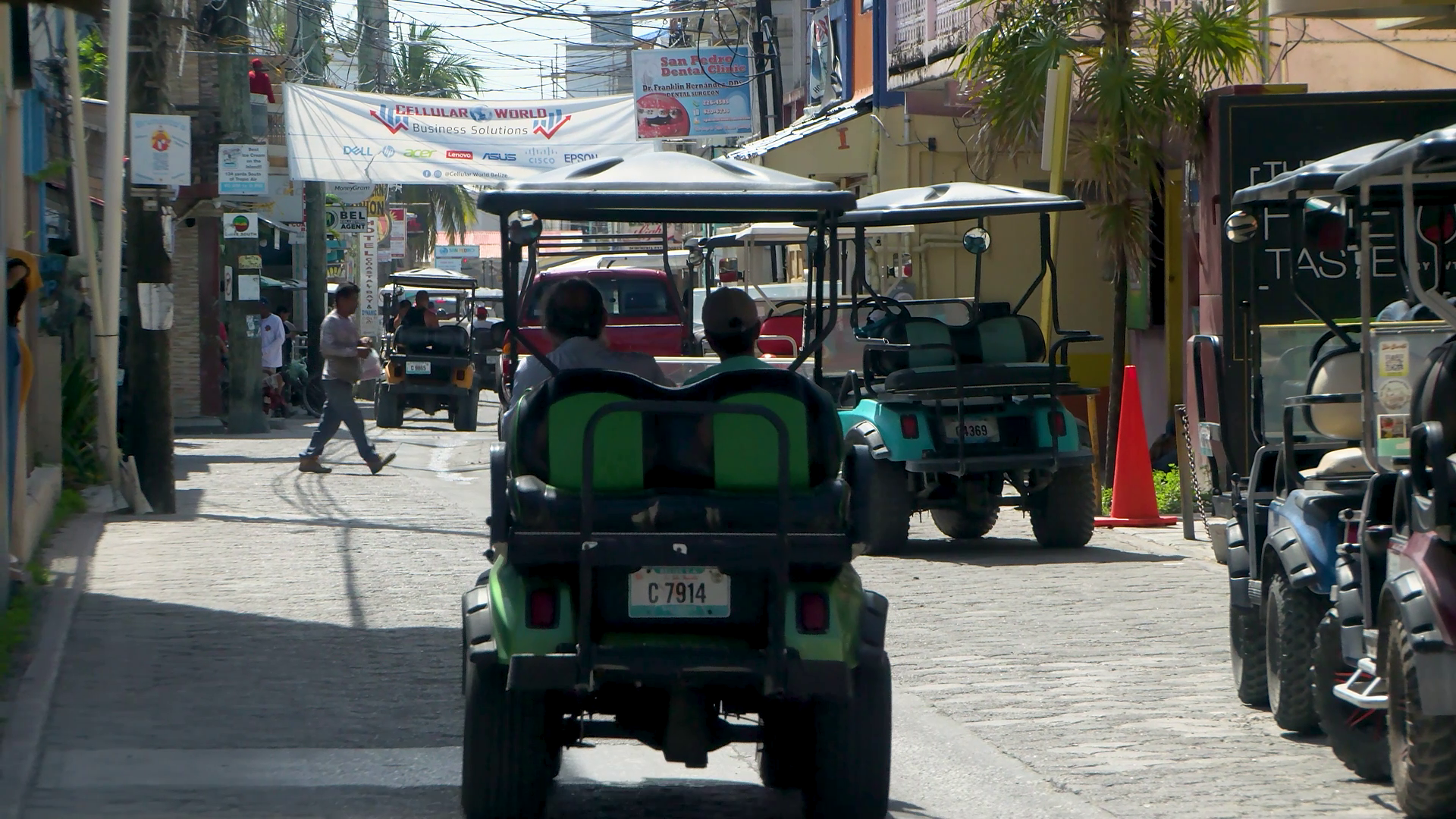
During a November 12, 2026 sitting of Belize’s House of Representatives, Queen Square Area Representative Godwin Haylock issued a stark public warning that the country’s tourism backbone is navigating an unprecedented confluence of overlapping crises that threaten to erode its reputation as a top regional tropical travel destination. Citing official data published by the Belize Tourism Board, Haylock laid out stark visitor arrival trends for the peak mid-year travel window: between June and September 2026, overnight international arrivals dropped 8.4% compared to the same four-month period in 2025, translating to more than 12,400 fewer travelers entering the country. The decline steepened even further in August 2026, with a 13% year-over-year drop in overnight stays. While the national tourism director has publicly projected robust performance for the upcoming high season, Haylock pushed back against that optimistic forecast, noting that dozens of resort operators in the popular beach hub of San Pedro are reporting 30% to 40% lower advance bookings for the traditionally busy winter travel window. Haylock also pointed to troubling trends in neighboring Mexico’s Caribbean coast as a cautionary tale, noting that October 2026 occupancy rates in Tulum had plummeted so drastically that many beachfront resorts were forced to shut their doors entirely, leaving stretches of the once-bustling tourist zone resembling a ghost town. He identified two cross-border systemic pressures driving that regional downturn: the unmanageable, widespread sargassum seaweed blooms that continue to smother Caribbean shorelines, and the rapidly rising cost of travel packages across the entire Mexican Caribbean corridor that is pricing out a large share of international leisure travelers. Compounding these industry-wide regional strains, Haylock highlighted a series of recent official travel advisories that pose a direct reputational risk for Belize: Canada recently updated its public guidance to urge all citizens to exercise a high degree of caution across the entire country, and to avoid all non-essential travel to the Southside district of Belize City. The United Kingdom’s Foreign, Commonwealth & Development Office also refreshed its Belize travel warning, while the Mexican Embassy in Belize issued a formal safety alert for its nationals visiting the nation. Notably, sitting Minister of Tourism Anthony Mahler was not in attendance during the House debate to deliver an official response to Haylock’s urgent calls for targeted, immediate policy intervention to mitigate the cascading threats to the $1 billion-plus tourism sector, which accounts for roughly 20% of Belize’s total gross domestic product and employs tens of thousands of local workers.