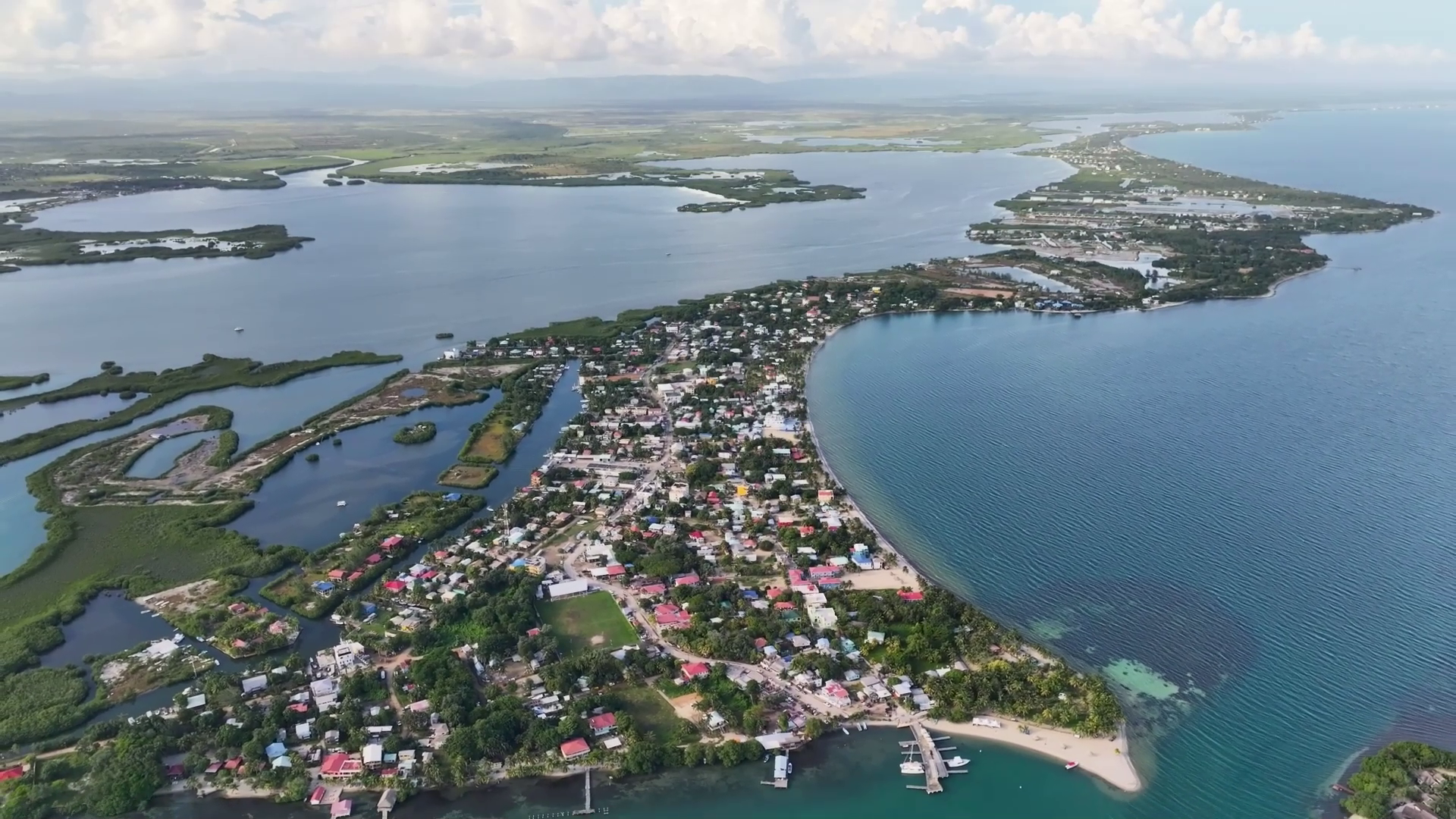
Nestled along Belize’s picturesque southern coast, the vibrant coastal community of Placencia is grappling with two escalating existential environmental crises: rapidly eroding shorelines that are eating away at its iconic beachfront, and recurring, overwhelming sargassum seaweed inundations that threaten both local ecosystems and the tourism-dependent local economy. For local village leadership, the single biggest barrier to rolling out long-term, robust mitigation measures remains a crippling lack of dedicated, sustainable funding, according to Placencia Village Council Vice Chairman Brice Dial.
In an exclusive recent interview, Dial outlined the extremely limited revenue streams currently available to the small local governing body. “At the village council level, we operate on a shoestring budget with almost no guaranteed core funding from national authorities,” he explained. “Our only reliable recurring income comes from a small share of liquor license fees remitted by the national liquor licensing board, and the proceeds from our annual flagship community fundraiser, the popular Lobster Fest event. Beyond those two narrow sources, we have no consistent, predictable revenue stream we can count on to budget for multi-year environmental projects.”
That longstanding funding gap has left the council unable to scale the coordinated, ongoing interventions required to clear massive sargassum deposits before they rot on public beaches, stabilize crumbling shoreline infrastructure, and protect residential and tourism properties from accelerating coastal erosion. For years, local leaders have been advocating for the national government to finally implement a long-planned village-level trade license fee framework, a policy that has been delayed at least two separate times in prior rollout attempts.
The latest official timeline pegs the new trade license fee program to go into effect on January 1, 2027, but local officials are cautious about celebrating too early. A municipal election scheduled for the following March has sparked widespread community concern that the national government may once again push back the implementation date to avoid potential backlash from local business owners ahead of polling day. Dial emphasized that the new revenue from trade licenses would be transformative for the village, allowing the council to allocate dedicated funds to sargassum collection, shoreline restoration, and other critical environmental resilience projects that have been put on hold for years due to budget shortfalls.
Placencia Hopes For Trade License Revenue to Combat Sargassum