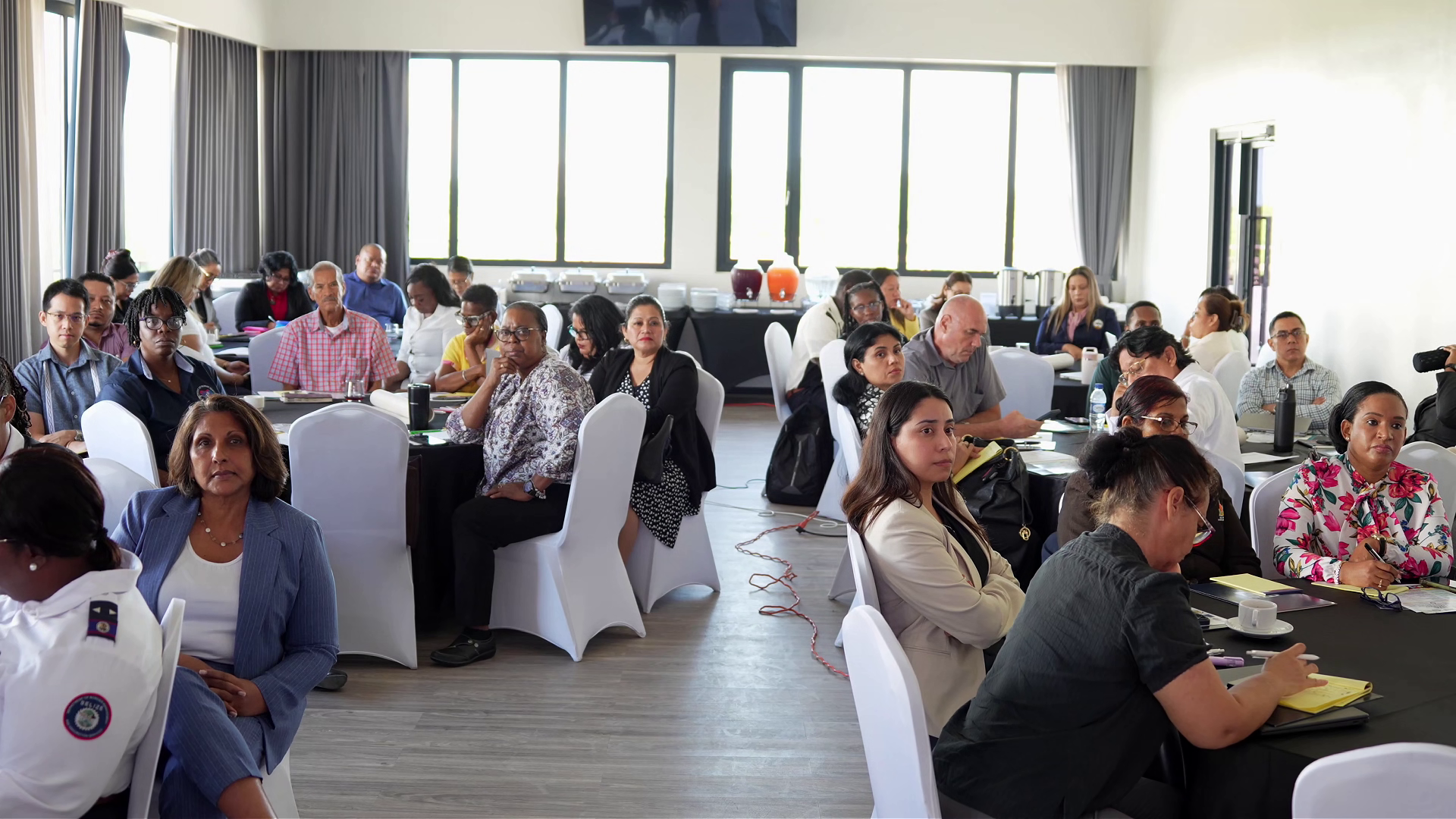
On November 5, 2026, the longstanding paradox facing young job seekers across Belize took center stage at a national employment workshop, where government leaders and industry stakeholders gathered to address a pervasive barrier to youth employment: the widespread requirement for prior work experience for entry-level roles, a prerequisite that locks many recent graduates out of their first professional positions entirely. For thousands of newly minted Belizean graduates, the post-graduation job hunt has devolved into a frustrating, circular cycle: employers routinely list relevant professional experience as a non-negotiable qualification for open roles, but no entry-level opportunities exist for these candidates to build that experience in the first place. This dynamic has left many young people questioning the practical value of their formal academic training, even after years of investment in their education. Leading the call for systemic reform at the workshop was Belize’s Minister of Labor Kareem Musa, who framed the upcoming national employment policy as a historic chance to align three long-misaligned pillars of the country’s labor ecosystem: formal classroom learning, real-world workplace requirements, and broader national development goals. “This policy gives us a unique opening to strengthen the links between learning and earning, between employers and job seekers, and between our national development priorities and the daily lived realities of Belizean families,” Musa told workshop attendees. “Our core task right now is to map a clear, actionable direction and turn that vision into tangible, on-the-ground results. Every major development choice our government makes—from attracting new foreign direct investment and expanding national infrastructure, to supporting growing local industries and allocating funding to public education—directly shapes the employment opportunities available to ordinary Belizeans.” Musa went on to acknowledge the harsh disillusionment many young graduates face after years of family-supported academic effort, when their carefully submitted job applications are repeatedly turned away with the same note that they lack sufficient professional experience. He also highlighted a parallel, underdiscussed gap in the labor market: many highly skilled, seasoned workers across the country lack the formal academic credentials required to qualify for certain specialized roles, creating a two-way mismatch that harms both job seekers and local employers. The comprehensive, soon-to-be-finalized national employment policy will be anchored to eight distinct priority pillars designed to reshape Belize’s labor landscape over the next five years. Key focus areas include streamlined support for youth school-to-work transitions, targeted initiatives to boost female workforce participation, regulated and transparent foreign labor management frameworks, and expanded national skills development programs. The policy is structured to ensure all Belizean workers, from recent graduates to mid-career professionals, can clearly see how its provisions align with their personal career aspirations and daily decision-making, Musa noted, adding that deliberate, collaborative choices across government, industry, and educational institutions will be required to turn policy commitments into measurable improvements for the national labor market. This report is adapted from the official transcript of the network’s November 5 evening television newscast, with any Kriol-language remarks from speakers transcribed using a standardized, official spelling system for accessibility.