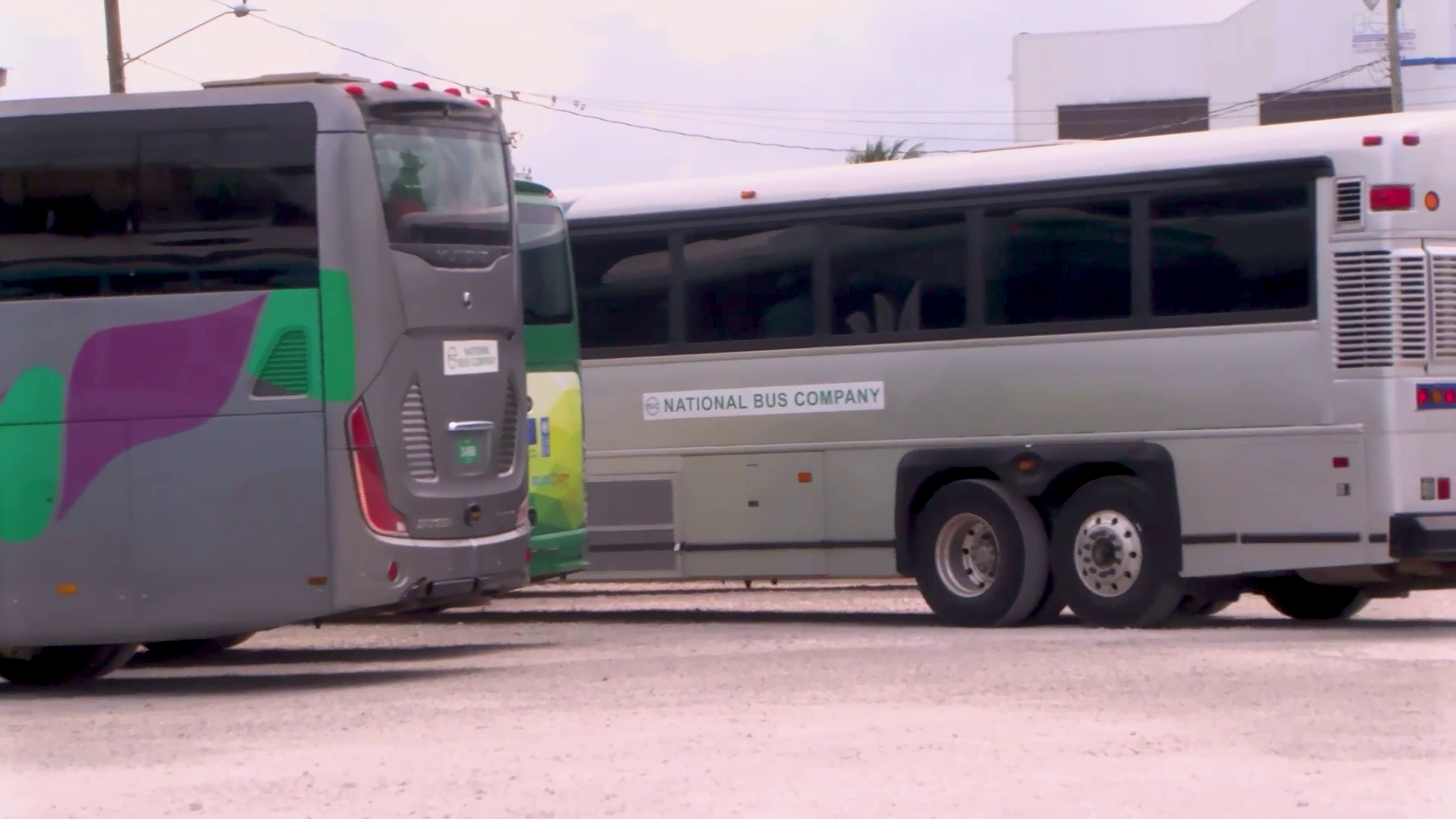
On November 5, 2026, a heated legislative showdown unfolded in Belize’s Senate following the formal passage of the landmark Public Transportation Investment Bill 2026, a piece of legislation the administration has framed as a foundational step toward overhauling the country’s long-underperforming public bus network. Transport Minister Dr. Louis Zabaneh lauded the bill’s passage as a transformative milestone that would pave the way for safer, more consistent, and widely accessible bus services across Belize, asserting that the new regulatory framework would set a new global standard for the nation’s public mobility sector. In a sharp rebuke directed at the sole dissenting vote cast by Union Senator Glenfield Dennison, Zabaneh claimed the labour-aligned lawmaker had positioned himself on the wrong side of progress and history by opposing the reform package. Dennison, however, has pushed back forcefully against the minister’s characterization, raising substantive concerns that the government has failed to provide clear, verifiable details about ownership structures, operational control, and long-term benefit distribution for the proposed National Bus Company (NBC) that sits at the heart of the transportation overhaul. The union senator went a step further during public remarks, alleging that the publicly framed “people-focused” NBC initiative may in fact be structured to funnel profits to unstated special interest groups rather than serving the broader Belizean public, and warning that ordinary citizens would ultimately be saddled with the ongoing costs required to keep the new national bus entity operational. Ahead of the full Senate debate, the Belize Bus Association had formally called on all senators to delay the scheduled vote on the 2026 legislation, submitting a formal request for independent third-party audits of the NBC’s projected finances, tangible assets, and full business roadmap, as well as demanding full public transparency around the project’s funding sources and phased implementation timeline. The controversy comes as the government attempts to deliver on longstanding campaign promises to upgrade Belize’s public transportation network, which has faced widespread public criticism in recent years for inconsistent scheduling, poor vehicle maintenance, and limited service coverage in rural districts.