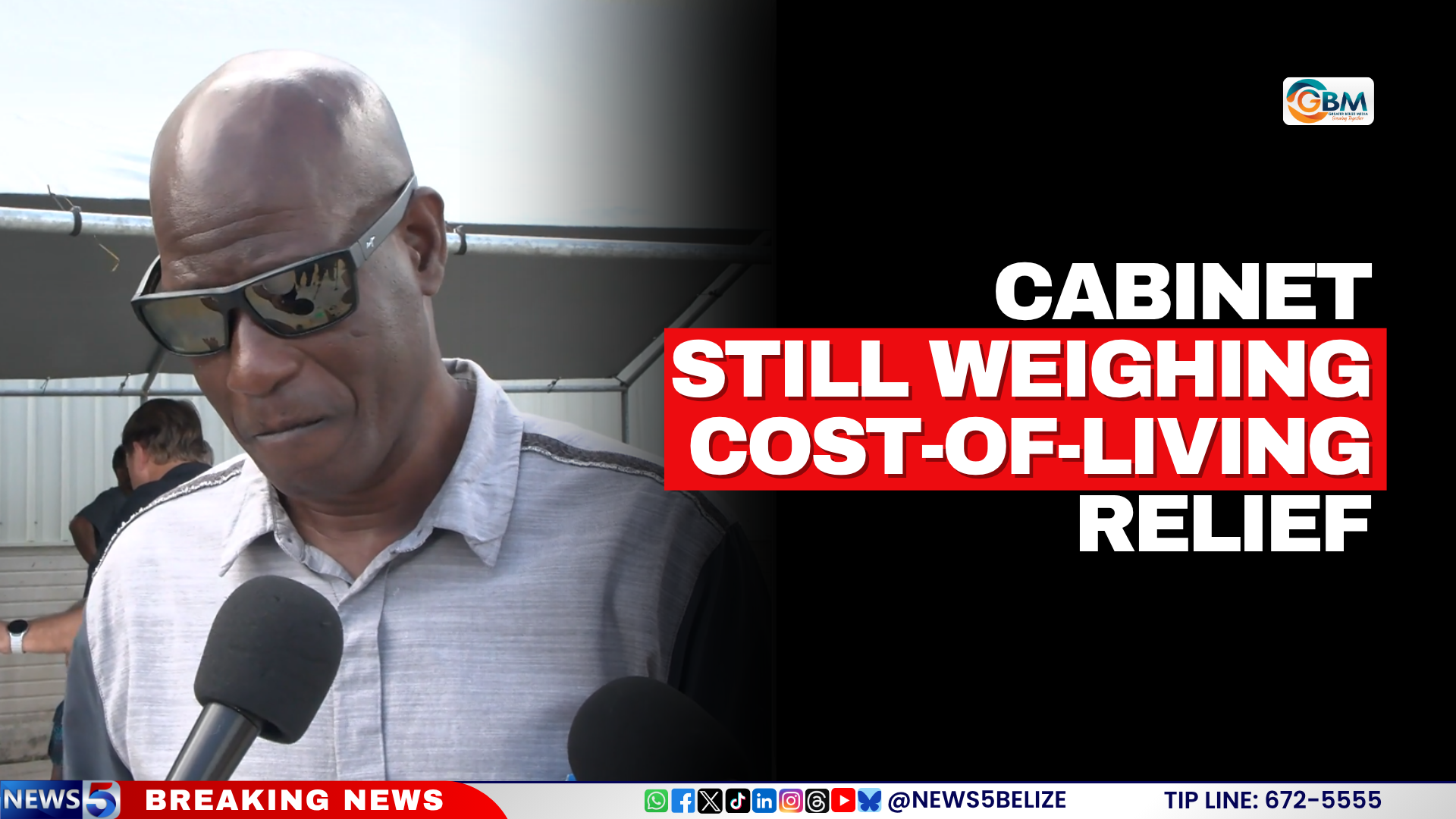
As of October 28, 2026, the Cabinet led by Belize’s Prime Minister John Briceño remains in the final deliberation phase for a new suite of cost-of-living mitigation policies designed to alleviate growing financial pressure on local residents, senior government officials have confirmed. In an exclusive interview with local outlet News 5, Minister Rodwell Ferguson revealed that the draft set of relief proposals will be brought back to the Cabinet table for a second round of review before any formal policy is rolled out, declining to share granular details of the specific support mechanisms under discussion to preserve the integrity of the ongoing negotiation process. Ferguson emphasized that the administration’s current framework prioritizes reallocating funds within the existing national budget, rather than implementing broad public spending cuts that could erode essential public services. “We will redirect existing public resources to directly support Belizean households, with relief designed to reach residents across all demographic groups and regions,” Ferguson explained, while contextualizing the unique structural barriers that limit the government’s fiscal flexibility. He noted that Belize’s 428,000-person population is spread across a sprawling 8,860 square mile territory, a geographic distribution that creates significant logistical and operational hurdles for public service delivery that far more densely populated small island nations such as Barbados do not face. Ferguson stressed that long-term fiscal sustainability will require growing the national population and expanding the tax base to create more room for robust public support programs, rather than relying on short-term stopgap measures alone. Separately, Minister Louis Zabaneh outlined a complementary long-term strategy in earlier public comments on Tuesday, arguing that temporary cost-of-living subsidies must be paired with targeted investments in workforce productivity, expanded vocational skills training, and broader adoption of science, technology and innovation across key local industries. Zabaneh noted that low per-hour value added across Belize’s current labor market has suppressed wage growth for years, and that prioritizing tech and innovation integration will unlock higher incomes, greater national efficiency, and sustained improvements to quality of life for all residents. As of press time, no final cost-of-living relief package has been formally approved or published by the Briceño administration.