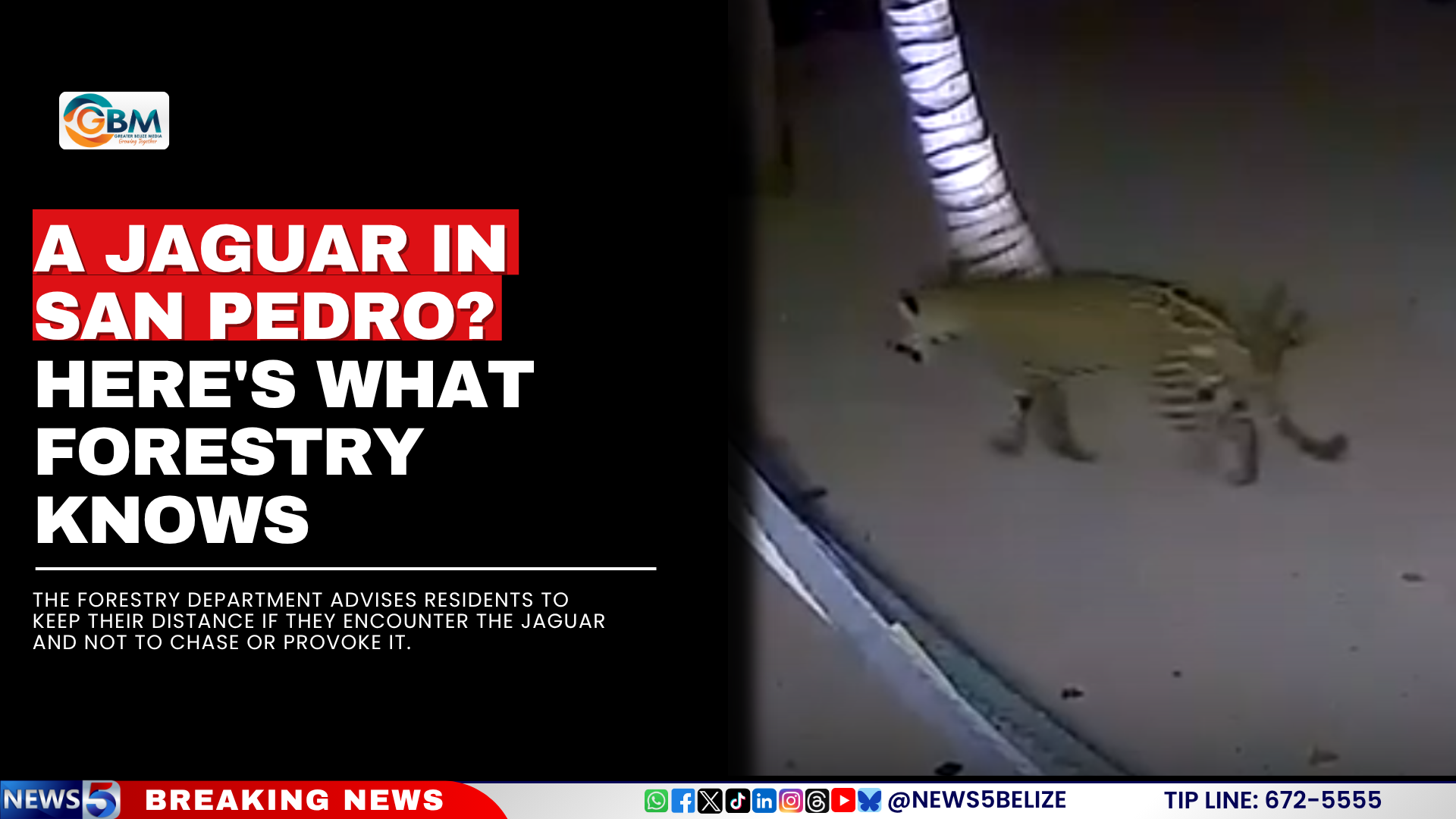
A recently filmed jaguar wandering through southern San Pedro on Belize’s Ambergris Caye has sparked widespread local discussion about the island’s long-documented wild cat populations and the growing pressures of coastal development on fragile regional ecosystems. Contrary to assumptions that the big cat is a new, unexpected arrival, Victoria Chi, the Belize Forest Department’s lead wildlife management officer, confirmed that formal reports of large and small wild cat species across the caye stretch back more than a decade, including a verified puma sighting in 2013. Chi outlined that the island’s recorded wild cat community includes not just jaguars, but pumas, ocelots, and margays, all of which have established historical presences in the local habitat. What makes the most recent incident unprecedented, however, is that the animal was captured on clear, widely shared video footage, turning a previously little-discussed pattern of occasional wild cat visits into a viral community conversation. Unsubstantiated social media claims that the jaguar traveled all the way from Mexico have not been validated by wildlife officials, Chi noted. The leading working hypothesis from the Forest Department’s field team is that the big cat swam the short distance from the nearby Bacalar Chico Nature Reserve, a well-documented jaguar stronghold, and may be making regular round trips between the mainland reserve and the caye. To ensure public safety and avoid disrupting the animal’s natural movement patterns, Chi issued formal guidance for San Pedro residents: any person who encounters the jaguar should maintain a safe distance, avoid chasing, feeding, or provoking the animal in any way, and immediately report the sighting to the Forest Department hotline at 610-1524, sharing specific details of the time, exact location, and observed behavior of the cat. The announcement follows a separate recent viral incident involving a jaguar cub that the Forest Department confirmed violated national Wildlife Protection Act regulations, prompting renewed public education about appropriate interactions with protected wild species across the island.