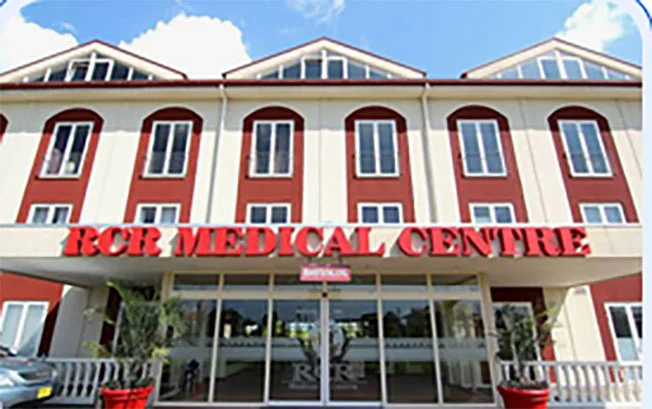
A prominent Dutch healthcare facility widely known as RCR Zorghotel, formally registered as RCR Medical Centre, has unveiled a targeted month-long quality improvement campaign designated as ‘No Complaint Month’ running across the full 30 days of November. The proactive program is designed to streamline the facility’s complaint resolution workflows, foster deeper collaborative engagement with patients and their family members, and drive tangible, lasting upgrades to all dimensions of its care delivery services.
The impetus for the sweeping initiative stems from a wave of varied feedback the centre’s leadership has collected in recent months, spanning formal and informal concerns related to patient interaction protocols, frontline service standards, and other gaps in care delivery. RCR Zorghotel director Wayne Telgt emphasized that every submitted signal of dissatisfaction is treated with full seriousness, and the entire campaign is structured to translate these stakeholder insights into actionable, measurable improvements rather than superficial adjustments.
While the facility has set an aspirational target of bringing all formal and informal service complaints down to zero throughout November, the leadership team openly acknowledges this is an ambitious, stretch goal. The core priority of the program, officials note, is not simply hitting a zero-complaint metric, but building systems that catch operational shortcomings at the earliest possible stage, conduct thorough, unbiased investigations into every reported issue, and implement permanent fixes to prevent the same problems from recurring for future patients.
A central pillar of the new framework is a newly deployed digital feedback system, accessible via scannable QR codes posted at high-traffic points across the facility: patient rooms, care wards, public hallways, and common areas. Patients, family members, and visiting guests can use the codes to instantly submit complaints, targeted suggestions for improvement, practical advice for care teams, and even positive compliments for standout staff. To ensure full accessibility for individuals who prefer not to use digital tools, a physical feedback and suggestion box has also been installed at the main reception desk.
When submitting any feedback, contributors are invited to specify the relevant care ward, department, or specific scenario their experience relates to, and the leadership team encourages respondents to provide as much concrete, specific detail as possible to enable fast, targeted follow-up. Telgt noted that the program’s mandate extends far beyond identifying what went wrong: care teams are required to develop formal preventive measures to ensure similar issues do not impact other patients later.
Additional supporting measures have been rolled out to reinforce accountability and transparency: all frontline care staff now display their full names clearly on their uniforms, making it far easier for patients to reference specific team members when sharing feedback, whether positive or constructive. Leadership teams across every department have signed formal agreements outlining standardized, consistent protocols for logging, investigating, and resolving all submitted feedback. Team members who fall short of established service standards will receive targeted coaching and performance check-ins, while staff who demonstrate exceptional customer focus, professional rigor, and outstanding care delivery will be formally recognized and rewarded for their contributions.
Throughout November, the facility’s dedicated Quality and Customer Care departments will conduct enhanced, proactive oversight of daily care operations, including regular unannounced ward audits and one-on-one check-in conversations with current patients. Auditors will assess everything from staff communication and bedside manner to meal service quality and general comfort of the patient stay experience. This proactive, in-person oversight is designed to catch and resolve small frictions before they escalate into formal, documented complaints, eliminating the lag time that often leaves patients feeling their concerns are ignored.
RCR Zorghotel leadership also noted that in recent months, the facility has received a number of anonymous feedback submissions where the origin or factual basis of the claim could not be verified, with no clear confirmation that the person submitting the feedback had actually received services at the centre. The facility emphasized that all constructive criticism remains fully welcome, but asked all stakeholders to submit feedback directly through the official, designated channels to allow care teams to conduct full, fair investigations and implement appropriate corrective actions where needed. The leadership team has also called on patients and families to share not only negative experiences, but their creative, practical ideas for making the facility a more welcoming, compassionate care environment. As Telgt outlined, the ultimate goal of the ‘No Complaint Month’ campaign is to build a care ecosystem where every patient not only receives clinically excellent medical treatment, but is consistently treated with dignity, respect, and personalized attention throughout their stay.
RCR Zorghotel wil klachten terugdringen en dienstverlening verbeteren