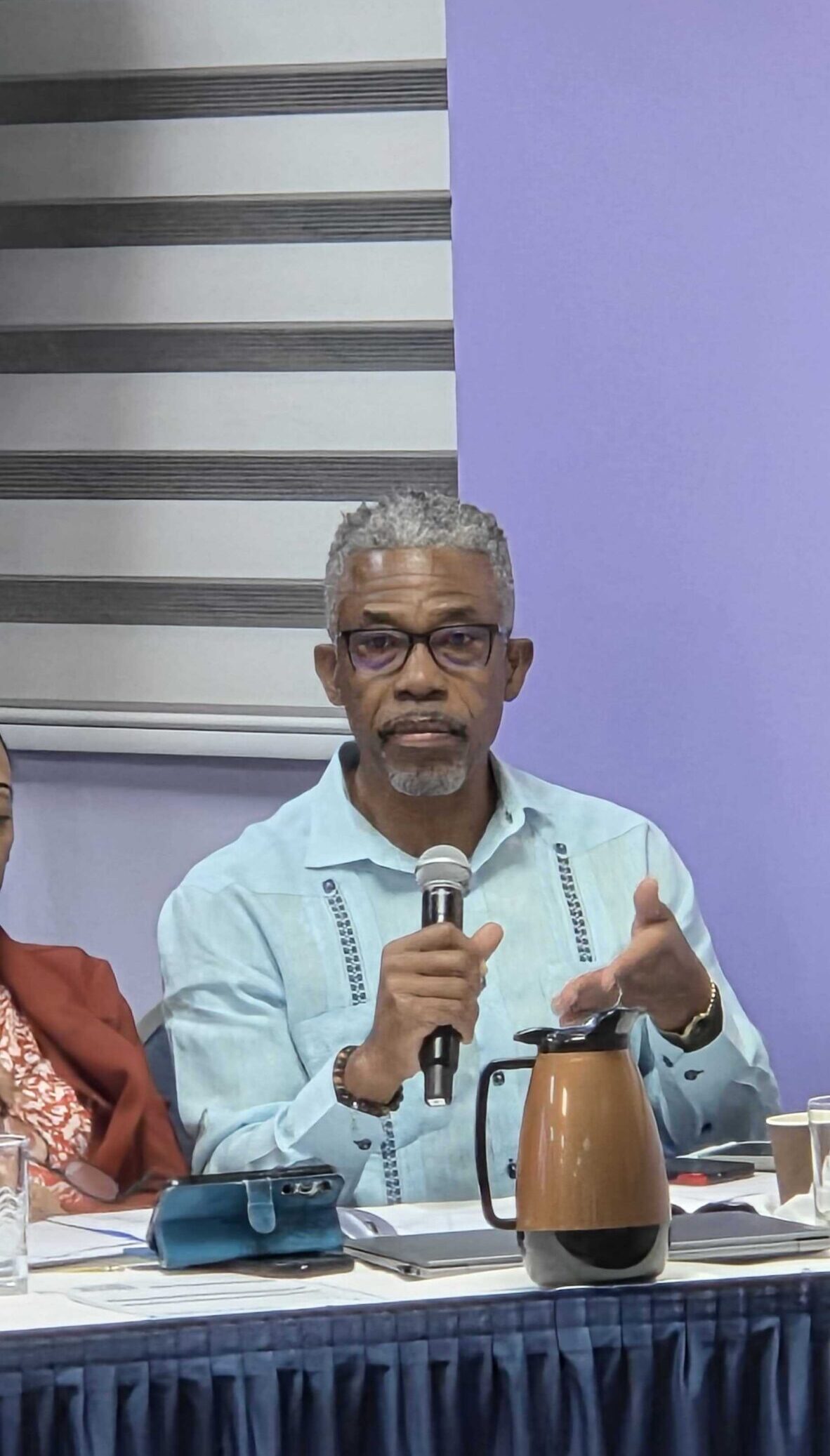
During a recent stakeholder breakfast hosted by the Barbados Employers Confederation (BEC), Chief Labour Officer Wayne Sobers issued a stark public advisory, disclosing that formal sexual harassment complaints filed with the Labour Department have trended steadily upward even as a large share of local businesses continue to flout legal requirements for formal anti-harassment workplace frameworks. Sobers emphasized that legally mandated, clearly communicated anti-sexual harassment policies are not just bureaucratic formalities, but foundational building blocks for cultivating work environments rooted in mutual respect. He underscored that operating without such a documented policy is a direct violation of Barbadian labour law, a point many employers have overlooked to date. Without pre-established, standardized policies and regular staff training on acceptable conduct, workplaces frequently descend into protracted, resource-draining conflicts, Sobers explained. Most unregulated harassment disputes devolve into unresolvable “he-said-she-said” he-said-she-said standoffs, with no documented evidence of prior expectations around appropriate behaviour to guide resolution. These drawn-out conflicts eat into significant staff time, drain organizational resources, and create persistent rifts across teams, rather than being resolved efficiently through pre-defined processes. Sobers laid out clear actionable steps for employers to meet their legal obligations: first, ensure all staff receive targeted training that explicitly defines what behaviours qualify as sexual harassment under national labour legislation, and clearly outlines the graduated disciplinary consequences for anyone found in breach of these rules. He also warned employers to exercise due diligence during all complaint investigations, to avoid both dismissing valid cases of misconduct and penalizing staff unfairly for misunderstandings or over-sensitivity, while also reminding leaders that the legal definition of a “workplace” extends far beyond physical office premises to include all shared spaces where employees interact for work-related purposes. To reduce barriers for small and medium-sized businesses that lack the internal capacity to draft compliant policies from scratch, Sobers highlighted that a free, pre-vetted sample anti-sexual harassment policy, co-developed with the Impact Justice Project, is publicly available for download on the Labour Department’s official website to serve as a customizable foundational template. He also confirmed that upcoming routine labour inspections will prioritize audits of employer compliance with mandatory anti-discrimination and anti-harassment policy requirements, to crack down on widespread non-compliance. BEC Executive Director Sheena Mayers-Granville also used the breakfast event to announce the confederation’s upcoming launch of a series of self-paced, on-demand training modules tailored specifically for Barbadian employers, designed to close widespread knowledge gaps around sexual harassment compliance and help organizations meet their legal obligations without incurring prohibitive external consulting costs. Both Labour Department officials and BEC leadership have issued a collective call to all local workplaces to conduct immediate reviews of their existing employee handbooks, roll out mandatory recurring anti-harassment training for all staff, and embed formal zero-tolerance cultural norms before the new round of targeted labour inspections begins.