During a recent appearance on the ‘Browne and Browne’ radio program on Saturday, October 24, Antigua and Barbuda’s Prime Minister Gaston Browne publicly outlined longstanding contractual hurdles that are delaying the island nation’s shift away from fossil fuel-powered electricity generation. According to the prime minister, existing binding power purchase agreements with energy firms APC and EIG are creating significant bottlenecks that prevent the administration from rolling out renewable energy infrastructure at the accelerated pace it had initially targeted.
Browne chose not to disclose specific confidential terms, financial penalties, or scheduled expiry dates for the two fossil fuel contracts, nor did he reveal that any formal renegotiation or amendment agreement had been reached with the two firms at this stage. He emphasized that the global steady decline in renewable energy equipment and installation costs, paired with recent volatile spikes in international oil prices, has made a rapid energy transition far more economically compelling than it was when the original fossil fuel agreements were signed years ago.
The prime minister noted that Antigua and Barbuda’s current heavy reliance on imported diesel for power generation leaves both the national treasury and ordinary households extremely vulnerable to unpredictable global commodity price swings, a pain point that sparked recent public protests against the Antigua Public Utilities Authority (APUA) over surging electricity bills. Browne acknowledged widespread public frustration over high utility costs, stressing that a large-scale shift to domestic renewable energy production would lock in long-term price stability and insulate consumers from future oil market shocks.
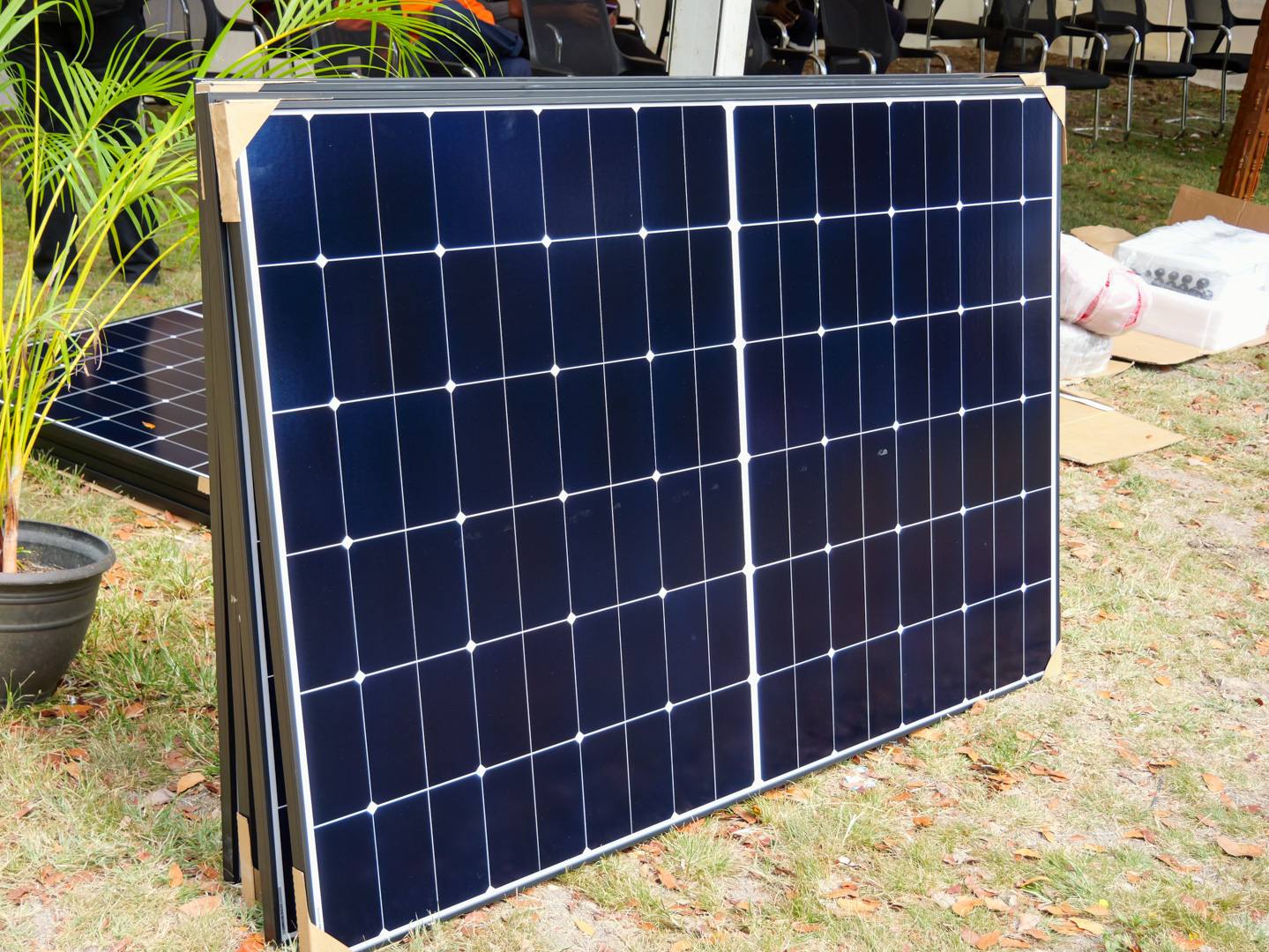
To advance this national priority, the government is actively evaluating a bold plan to deploy 40 to 50 megawatts of new solar generation capacity within a two-year timeline. The proposal does not call for a full phase-out of existing diesel generation infrastructure, however: Browne explained that conventional diesel power units will be retained as a critical backup resource to maintain grid reliability during periods of low solar output, extreme weather events, or unexpected equipment disruptions. He noted that current limitations in affordable large-scale battery storage technology mean the country will still require consistent base load power from traditional generation sources for the foreseeable future.
This domestic solar expansion initiative is tied to a broader regional renewable energy financing framework that Browne has been championing across the Organisation of Eastern Caribbean States (OECS). The proposed pooled funding mechanism is designed to draw on multiple revenue streams including low-interest central bank loans, international climate action grants, and blended public-private investment to reduce upfront costs for small island nations seeking to decarbonize their power grids. The regional financing arrangements are still in draft form and have not been formally finalized as of the announcement.
In a move to boost public support for the project, Browne revealed that the proposed ownership structure for the new national renewable energy venture will reserve shareholding opportunities exclusively for Antiguan and Barbudan citizens, allowing local residents to directly invest in and benefit from the clean energy transition. No final figures for total project cost, official construction groundbreaking date, or concrete roadmap for resolving the existing fossil fuel contractual barriers have been released to the public at this time.
Existing power contracts slowing Antigua and Barbuda’s renewable energy transition, PM says