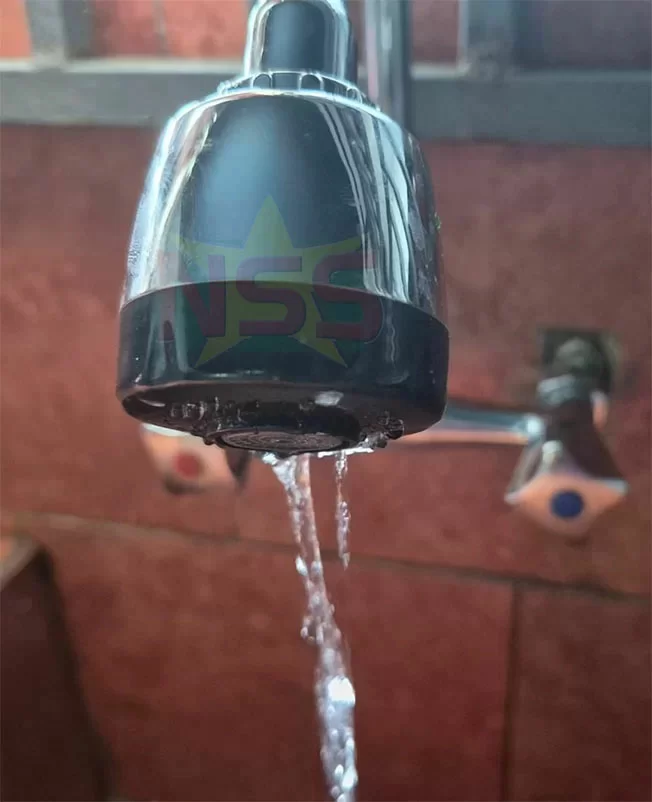
On Friday, October 16, persistent disruptions to drinking water access across multiple regions of Suriname dominated debates in the country’s National Assembly (DNA), with lawmakers raising urgent alarms over worsening conditions that have left thousands of households without reliable access to a basic necessity.
Kishan Ramsukul, a VHP party member of the assembly, was the first to highlight the crisis in northern Paramaribo, where local residents have received little to no running water for more than a week. He noted that initial official explanations pointed to a broken pipe at the Blauwgrond production facility operated by the Suriname Water Supply Company (SWM), but after seven days, the root cause of the ongoing outage remains unconfirmed and unclear. Ramsukul emphasized that even low water pressure creates major daily disruptions for households, but a complete lack of running water pushes families into an untenable situation. He added that water access failures are not isolated to northern Paramaribo: communities across Uitkijk, large portions of Saramacca, and multiple districts of Wanica are also grappling with identical shortages.
Lawmakers from across party lines echoed these concerns. VHP faction leader Asis Gajadien detailed severe water shortages in additional neighborhoods including Clevia and southern Wanica, criticizing the administration for failing to respond to previous parliamentary questions about the ongoing crisis.
While the dominant conversation centered on unaddressed outages, the assembly also noted a small milestone: the official activation of a new piped drinking water network in Block 3 of Sunnypoint, a residential area in Wanica District. NDP assembly member Silvana Afonsoewa welcomed the completion of the project, noting that reliable access to clean drinking water is a non-negotiable basic human need, particularly for households with young children. She called on the government to extend this critical infrastructure to all underserved communities across the country that remain outside the national piped water network.
Beyond piped supply failures, BEP faction leader Ronny Asabina brought renewed attention to the ongoing uncertainty facing communities along the Saramacca River, where a mass fish die-off earlier contaminated local water supplies. For communities that lack connection to the national piped network, the river is the primary source of water for daily domestic use. Asabina explained that residents still have no official confirmation of when the water will once again be safe to use, leaving them in a state of persistent precarity. He demanded that the government release full findings of ongoing contamination tests to both the public and parliament, and clarify the risks associated with current river water use.
Across the assembly, lawmakers emphasized that the water crisis has reached a critical turning point in many residential areas. They called on the government and SWM not only to reveal the root causes of the widespread outages, but also to outline concrete, long-term measures to fix the country’s troubled water distribution network and prevent future disruptions. Local residents are eager for clarity on when they can once again count on a consistent, reliable drinking water supply.
In response to the calls for action, Minister Marinus Bee confirmed that the government will formally address all questions raised during Friday’s debate during a parliamentary session scheduled for Tuesday. National Assembly Speaker Ashwin Adhin added that additional time will be allocated to ensure all concerns from lawmakers and affected communities are fully addressed.