A controversial incident that has thrown cross-border counter-narcotics cooperation in Central America under the microscope centers on one pressing question: how did a Guatemalan aircraft unauthorized for entry enter Belizean airspace amid a US-led anti-drug operation that did not formally include Belize?
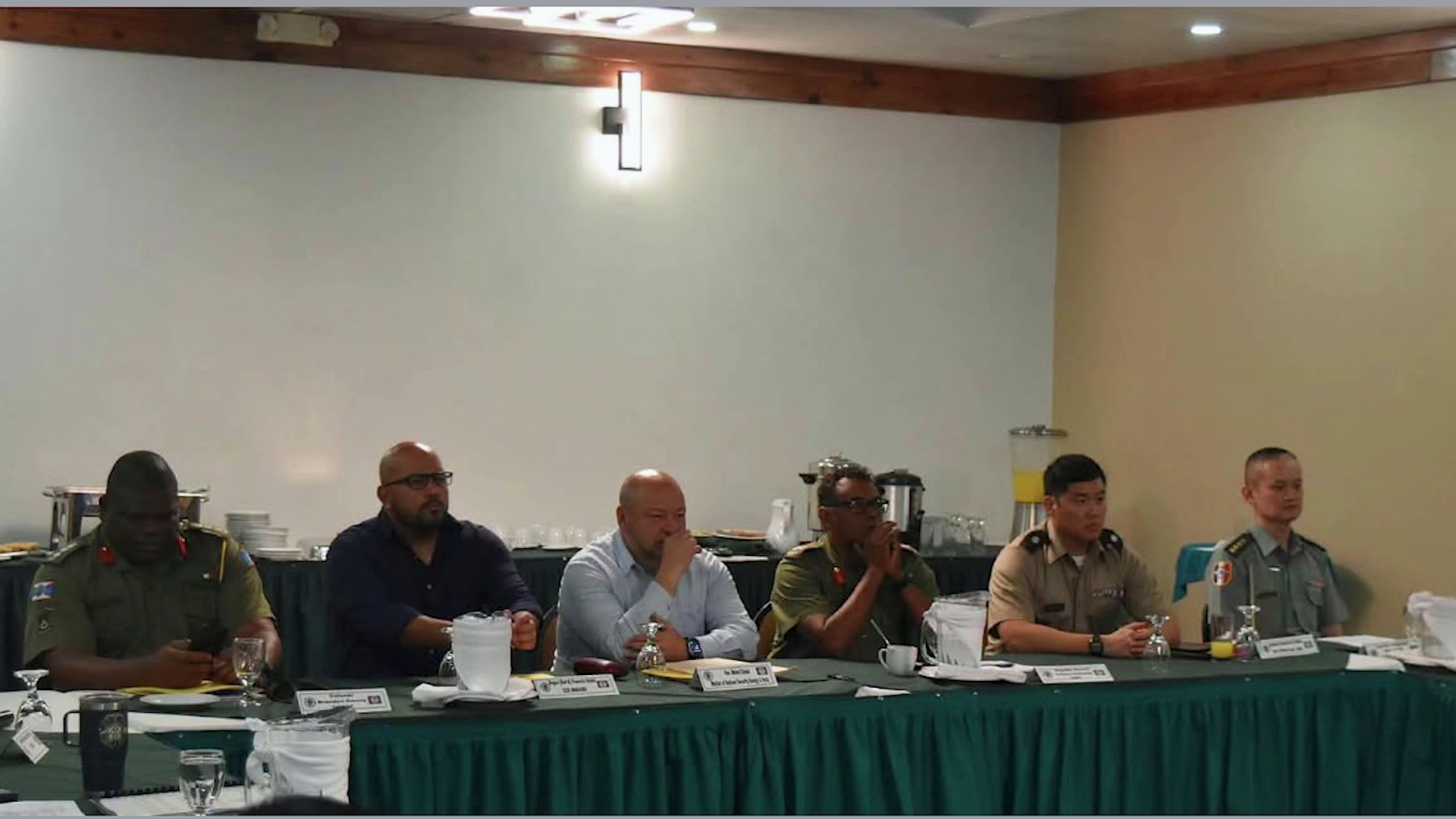
In the wake of growing public and political scrutiny over the incident, which dates to October 15, 2026, Francis Usher, Chief Executive Officer of Belize’s Ministry of National Security, has moved to ease concerns over broken regional communication channels, confirming that bilateral contact between Belize and the United States has remained uninterrupted throughout the episode.
While Usher declined to share sensitive operational details of the cross-border incident or behind-the-scenes diplomatic talks, he explicitly confirmed that senior officials from both sides have held direct discussions about the anti-drug operation. He added that Belize’s Prime Minister John Briceño receives consistent, up-to-date briefings on all evolving regional security matters, consistent with standard government protocol.
In public remarks on the incident, Usher emphasized the frequency and breadth of security-focused communication between the two nations. “We speak on almost a daily basis. We speak about a wide range of topics, that one included. Through formal lines of communication and informal lines of communication, I think regional security is the most important thing to both of us,” Usher stated. “But I won’t get into the details of the various different conversations that we have on a daily basis.”
Outlining Belize’s internal national security briefing structure, Usher noted that Prime Minister Briceño receives routine updates from all government portfolios, as is standard for a head of government. “Remember, he is the leader of the government. And therefore, every different ministry has to brief him on what is going on,” Usher explained. Joint intelligence and operational assessments compiled by Belize’s three core security agencies—the Belize Police Department, the Belize Defense Force, and the Belize Coast Guard—are forwarded first to the national security minister, then to the National Security Council, before being delivered to the Prime Minister for his review, he confirmed.
This report is adapted from a verbatim transcript of an evening television newscast, with all Kriol-language statements transcribed accurately using a standardized spelling system for accessibility.