As Suriname grapples with ongoing dry conditions, a top opposition lawmaker has issued an urgent call for government authorities to capitalize on the current arid window to address long-overdue maintenance of the country’s drainage infrastructure, before the upcoming rainy season brings a repeat of devastating flooding that left communities and businesses reeling last year.
Rabin Parmessar, leader of the National Democratic Party (NDP) parliamentary caucus, presented the appeal during a Thursday plenary session of the National Assembly of Suriname, reminding policymakers of the widespread harm caused by severe flooding in the most recent wet period. Across multiple regions of the country, residential areas, agricultural operations and local enterprises suffered extensive damage when floodwaters overwhelmed blocked drainage networks, he noted.
Parmessar directed the call specifically to three government bodies: the Ministry of Public Works, the Ministry of Agriculture, Livestock and Fisheries, and the Ministry of Regional Development. He emphasized that the current dry season presents the ideal window to tackle deferred cleaning and maintenance work on the nation’s network of drainage trenches, canals and outfall channels – work that can prevent residential neighborhoods and agricultural plots from being submerged once again when heavy, sustained rainfall returns.
The NDP leader highlighted the particularly hard-hit districts of Wanica and Saramacca as examples of what could go wrong without proactive intervention. Many local residents lost property and livelihoods in last year’s floods, while small and medium businesses were pushed to financial breaking point, he said. These painful outcomes, Parmessar argued, should serve as more than enough motivation to stop delaying critical preventive measures.
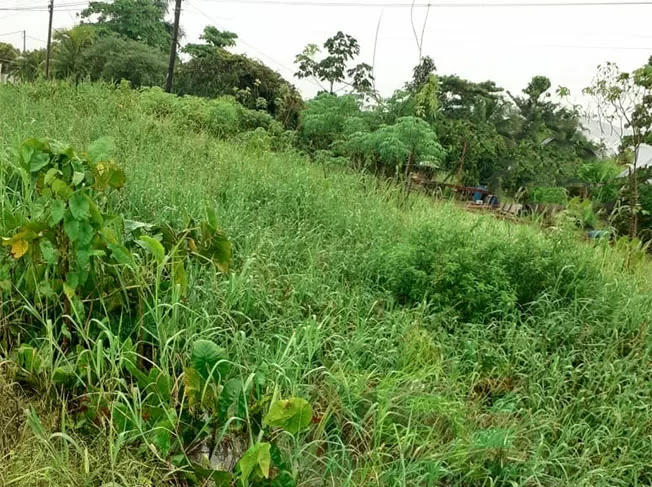
Among the most pressing infrastructure risks Parmessar identified are the dozens of drainage outfalls that have remained choked with overgrown vegetation for years, including multiple channels in the Leidingen area. Dense overgrowth blocks water flow during periods of heavy rain, creating an almost certain risk of flooding if the issue is not addressed ahead of the wet season, he warned. He called on the responsible ministries to prioritize clearing work immediately.
Rejecting a reactive approach that would only respond to floods after they occur, Parmessar stressed that the government must not wait until the rainy season begins and communities are once again submerged to act. Timely, coordinated maintenance of drainage trenches and outfalls, he argued, will ensure the entire drainage system is adequately prepared to handle large volumes of rainfall without failure.
Parmessar’s appeal centers on the core principle of proactive prevention: he insisted that the devastating damage of the past rainy season must not be allowed to repeat simply because necessary maintenance was not completed during the dry months. He closed by reiterating his demand that the three relevant ministries move quickly to clear the choked, overgrown drainage channels that put communities at risk.