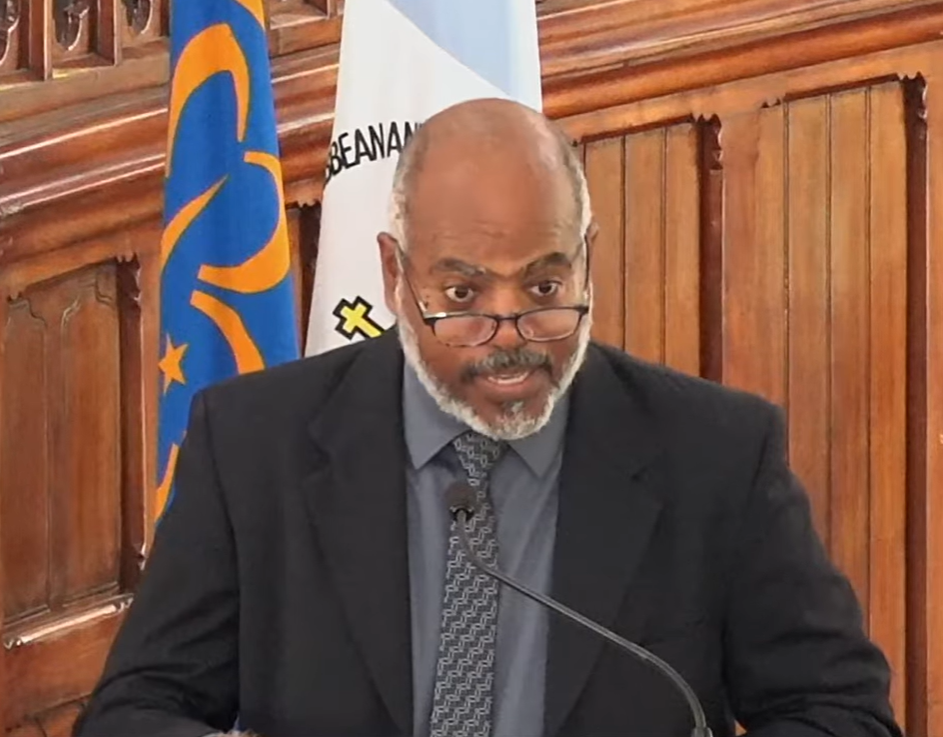
The first ever Doctors’ Week in Barbados kicked off on Sunday, bringing together medical professionals and community leaders to celebrate the invaluable contributions of physicians across the island nation. At a commemorative gathering held at James Street Methodist Church, acting Chief Medical Officer Dr. Arthur Phillips delivered a keynote address that framed the shifting landscape of modern healthcare while reaffirming the irreplaceable role of practicing doctors.
Against a backdrop of rapid industry transformation driven by digital innovation, expanded public access to health data, and the growing integration of multidisciplinary care teams, Dr. Phillips emphasized that these changes are not meant to erode doctors’ central position in patient care. Instead, he argued, these evolving systems create space for physicians to refocus their work on what they do best: applying specialized clinical expertise, exercising critical professional judgment, leading complex care initiatives, and managing high-stakes clinical scenarios that demand nuanced, human-centered decision-making.
“Healthcare will keep evolving, with technology, broader access to health information, and collaborative cross-provider teams reshaping how care reaches patients,” Dr. Phillips told attendees. “Some tasks that once fell exclusively to doctors may increasingly be handled by patients themselves or other trained members of the care ecosystem.”
Organized by the Barbados Association of Medical Practitioners (BAMP), this year’s inaugural Doctors’ Week runs under the unifying theme “Celebrating Excellence. Compassion. Service.” The event spotlights the far-reaching, multifaceted impact that doctors have on every layer of Barbados’ public health system.
Dr. Phillips walked attendees through the full scope of modern medical practice, noting that physicians’ responsibilities extend far beyond routine diagnosis, treatment, and preventive care. They lead emergency response efforts, coordinate interdisciplinary clinical teams, contribute to evidence-based health policy design and groundbreaking medical research, and serve as mentors shaping the next generation of healthcare professionals. Beyond clinical work, he added, doctors fill a critical emotional role, offering reassurance and compassionate support to patients and their families during life’s most vulnerable moments.
The outstanding commitment of Barbados’ doctors was thrown into sharpest relief during the global COVID-19 pandemic, Dr. Phillips said. At the height of the crisis, physicians and frontline healthcare workers operated under unprecedented pressure, adapting to constantly shifting public health guidance, stepping into entirely new job responsibilities, working grueling extended shifts, and making profound personal sacrifices to protect the health and safety of Barbadians across the country.
“Even though the pandemic is no longer our immediate daily focus, we cannot forget the extraordinary dedication, adaptability, and resilience our doctors displayed throughout that dark period,” he stressed.
Dr. Phillips also highlighted BAMP’s core institutional role as a representative body advocating for the interests and professional well-being of medical practitioners across Barbados, while serving as a leading voice on critical national healthcare policy issues. He noted that constructive collaborative dialogue between the Ministry of Health, BAMP, and the wider medical community is a foundational requirement for ongoing efforts to strengthen Barbados’ national health system.
Addressing the future of the profession, Dr. Phillips noted that maintaining clinical excellence demands unwavering commitment to high professional standards and continuous lifelong learning, as new medical research, innovative treatments, and emerging technologies continue to transform care delivery. Even with these advances, he argued, technology can never replace the fundamental human connection at the heart of the doctor-patient relationship.
“While digital tools and new technologies can vastly improve how we deliver care, they cannot replace the human bond between doctor and patient – one that is built on empathy, clear communication, and mutual respect,” Dr. Phillips said.
He also placed particular emphasis on the importance of formal and informal mentorship within the medical community, noting that veteran practicing physicians carry a unique responsibility to support early-career colleagues, passing down decades of accumulated clinical knowledge, professional standards, core ethical values, and refined practical judgment that can only be gained through years of frontline practice.
Dr. Phillips further called for sustained focus on quality improvement and professional accountability across Barbados’ health system, pointing to the critical oversight work carried out by the Medical Council, the Advisory and Inspection Committee, and existing national accreditation and quality assurance frameworks. He also reminded stakeholders that prioritizing the well-being of doctors and all frontline healthcare workers must remain a core component of any strategy to strengthen the national health system.
“The demands of the medical profession are substantial, and ongoing attention to the physical, mental, and professional well-being of our physicians and their colleagues must always be part of the conversation when we talk about strengthening Barbados’ health system,” he said.
Closing his address, Dr. Phillips extended gratitude to all of Barbados’ doctors for their consistent sacrifice, strong leadership, and unwavering professionalism. He also congratulated BAMP on launching the inaugural Doctors’ Week, noting that the annual event will create dedicated space for celebration, collective reflection, professional fellowship, and a renewed shared commitment to core values of the medical profession.