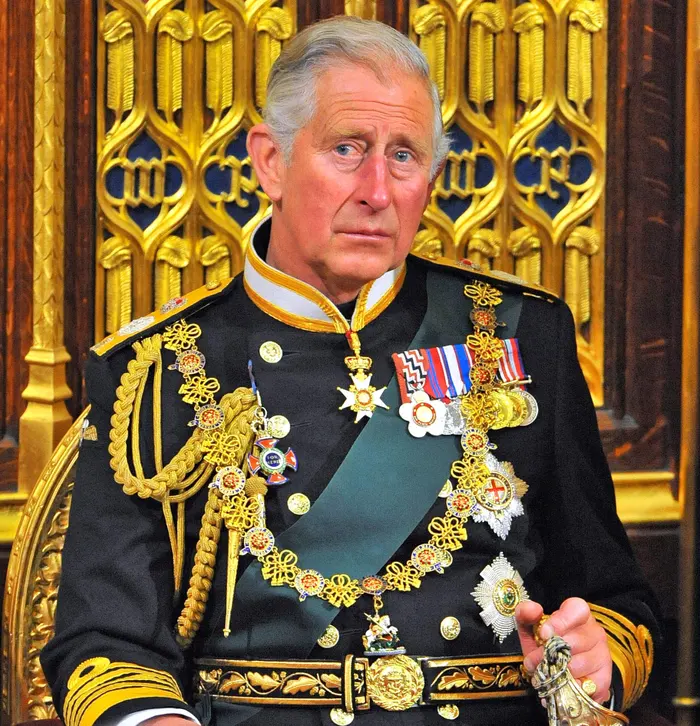
As King Charles III prepares for his upcoming visit to the Caribbean this month, which includes attendance at the Commonwealth Heads of Government Meeting (CHOGM) in Antigua and Barbuda, Buckingham Palace has confirmed that the British monarch will acknowledge Britain’s historical role in the transatlantic slave trade and the darkest chapters of the nation’s colonial past.
Against a backdrop of growing pressure from Caribbean and African nations for reparations and formal recognition of the ongoing intergenerational harm caused by slavery and colonial rule, the palace has made clear that the King will not shy away from confronting this sensitive shared history between Britain and the Caribbean region. However, senior royal officials have confirmed that Charles will not issue a formal apology for Britain’s involvement in slavery, nor will he offer financial reparations on behalf of the British state. According to Buckingham Palace, decisions around an official apology and reparations are matters for elected governments, not the constitutional monarch.
“There are important discussions taking place in various fora about colonial legacy and the intergenerational impact of the transatlantic trade in enslaved persons,” a palace spokesperson explained. The spokesperson added that the royal tour’s programming will not “shy away from ‘the darkest days of our past’” but will center its focus primarily on strengthening the current relationship and future partnership between Britain and the Caribbean nations he visits.
King Charles’ Caribbean itinerary will kick off with a visit to The Bahamas from October 27 to 29, followed by a stop in Jamaica from October 29 to 30, and will conclude in Antigua and Barbuda from November 1 to 4 for the biennial CHOGM summit. The timing of the summit places Charles directly at the center of ongoing debates among Commonwealth leaders over accountability for the legacy of slavery, colonialism, and the global movement for reparatory justice.
This is not the first time the King has spoken publicly about Britain’s role in the transatlantic slave trade. During Barbados’ transition to a republican form of government in 2021, Charles described slavery as an “appalling atrocity” that “forever stains our history,” and later stated that he was committed to deepening his understanding of how slavery’s impacts persist today.
The issue of reparatory justice has grown in political salience in advance of the Antigua and Barbuda summit. Earlier this year, Commonwealth Secretary-General Shirley Botchwey told Reuters that she expected member states to make meaningful progress toward opening formal discussions on reparations.
The British government has repeatedly rejected calls for financial reparations for slavery, and Buckingham Palace has reiterated that the King acts solely on the advice of the elected British government. As such, any formal decision around an official apology or reparations falls outside the scope of the monarch’s constitutional duties. For the host nation Antigua and Barbuda, this summit will mark a defining moment, as the country welcomes Commonwealth leaders to discuss one of the most contentious issues in modern post-colonial politics – Britain’s historical role in slavery and ongoing global demands for reparatory justice.