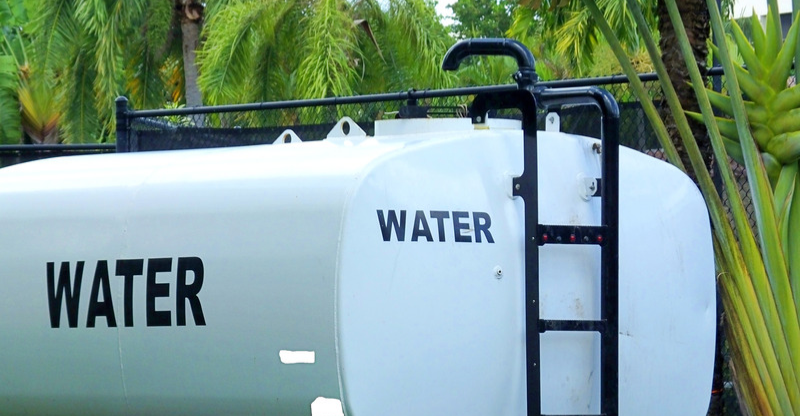
The Caribbean island nation of Saint Lucia has implemented a landmark set of new regulations for its growing water trucking sector, requiring all operators that transport potable water for resale across the country to secure an official operating license from the National Utilities Regulatory Commission (NURC).
The new regulatory framework, which came into force after recent formal approval, marked a major milestone for the sector when NURC hosted the first-ever Water Trucking Workshop, where regulators convened directly with water trucking operators to address a wide range of critical industry issues. Topics covered during the interactive sessions included public and occupational health standards, operational safety protocols, mandatory liability insurance, road safety compliance, and core business management skills, with specialized training components covering financial record-keeping and formal bookkeeping to help small operators run more efficient, sustainable enterprises.
In an official public statement released following the workshop, Manendra George-Roberts, NURC’s Consumer Relations Officer, emphasized that the commission holds a legal mandate to oversee and regulate the water trucking service sector. “So anybody who transports or conveys water for resale must be licensed,” George-Roberts confirmed. While the recently approved regulations outline core terms and conditions for licensing, including baseline safety and industry performance requirements, the commission did not release full granular details of the requirements in its initial statement.
During the workshop, NURC also acknowledged the key challenges currently facing water trucking operators, beyond regulatory compliance. These existing barriers include difficulty securing affordable liability insurance coverage, inconsistent adherence to public and workplace health standards, and ongoing struggles to maintain long-term economic viability in a sector marked by thin operating margins. All of these pain points were opened up for collaborative discussion between regulators and service providers during the event.
The new regulatory push comes as water trucking has grown from a niche service to an essential lifeline for many Saint Lucian communities over recent years. Prolonged drought conditions and long-standing issues with aging public water infrastructure have left many residential areas facing persistent, strained public water supplies, leading more households to rely on privately delivered water from trucking operators to meet their daily needs.
Looking ahead, NURC has announced plans to hold regular ongoing consultations with water trucking operators. The agency says this sustained engagement will ensure that all service providers fully understand the new licensing requirements, regulatory expectations, and any compliance deadlines associated with the new regime, creating a more structured and accountable water trucking sector for both operators and consumers.