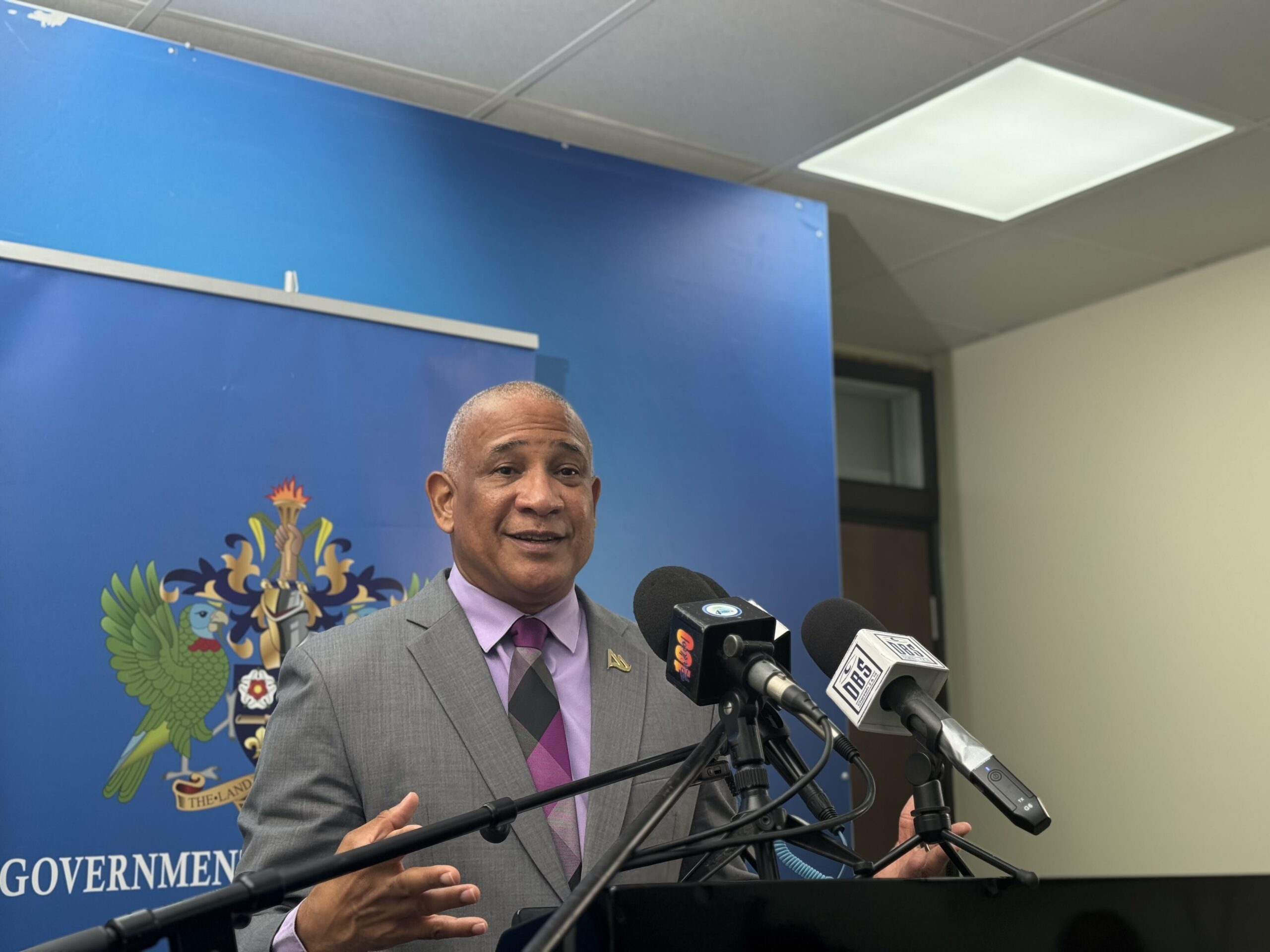
As the Caribbean prepares for its peak winter tourism season, Saint Lucia is positioning itself as a standout destination with significant expansions in air access from its core visitor markets, with the United States and Canada driving double-digit and near-40% capacity growth respectively. The optimistic capacity outlook was laid out by Tourism Minister Dr. Ernest Hilaire during a pre-Cabinet press briefing held on Monday, where he detailed the projected seat counts and route changes for the November 2026 to March 2027 winter travel window.
In total, the island nation is set to welcome 295,244 scheduled seats across international routes over the five-month season, marking a 7.3% increase compared to the 2025-2026 winter season. This growth outpaces regional trends: across the broader Caribbean, overall seat capacity is projected to hold roughly flat this year, with many competing destinations seeing airlines cut services or reduce available seats.
The United States, Saint Lucia’s largest single source market for air arrivals, will see the bulk of the new capacity. Scheduled seats from the U.S. will hit 158,010, a 9.3% year-over-year increase, while the total number of U.S.-origin flights will rise 8.1% to 890. Nearly all of this growth comes from increased frequency on existing routes operated by major U.S. carriers. American Airlines is ramping up service across its three U.S. gateways: the carrier will maintain twice-daily departures from Miami through the entire winter season, upgrade its Charlotte route from less frequent service to daily flights for the full November-to-March period, and boost Philadelphia service from one weekly flight to three weekly flights in December, February and March (dropping back to one weekly in January). United Airlines is expanding its Newark route, upgrading from a once-weekly schedule to daily service from mid-December through January. JetBlue will deploy larger aircraft on its New York route to add more per-flight seats, while Delta Air Lines will keep its daily Atlanta service and add an extra flight on Saturdays.
Canada, another top source market for Saint Lucia, is delivering an even larger proportional jump in capacity. Total scheduled seats from Canada will rise 39.1% to 31,947, with total flights increasing 24.1% to roughly 180. Air Canada will grow from four weekly flights in November to five weekly flights from December through March, while WestJet will boost its service to four weekly flights starting in January.
The UK market is also seeing a net gain in effective capacity, though it faces ongoing structural risks. British Airways, the only airline currently operating direct service between the UK and Saint Lucia, will shift to a fully dedicated daily route. Previously, the carrier’s flights to Saint Lucia continued onward to other Caribbean destinations including Grenada, Guyana and Tobago, meaning a portion of the aircraft’s capacity was reserved for connecting passengers. That onward service will end, so 100% of the aircraft’s seats will be allocated to passengers traveling to and from Saint Lucia, resulting in a 36% increase in available British Airways capacity for the island.
Despite the capacity gain, Hilaire emphasized that the UK remains a sensitive, or “ticklish”, market for Saint Lucia. With British Airways holding a monopoly on direct service, the island is heavily exposed to any changes in the carrier’s pricing, capacity adjustments or service shifts. Even with heavy marketing investment to promote Saint Lucia as a top travel destination in the UK, sharp ticket price increases from the sole carrier could price out potential visitors and erase demand gains. For this reason, Hilaire noted that securing a second direct airline for the UK route is a top priority, not just to add more seats but to introduce price competition and give travelers more options. Hilaire told reporters the tourism authority is working aggressively to lock in a second carrier for the 2027-2028 winter season. “We need to have the second airline. We will do whatever we can to make sure next winter we have other options. We’re working really hard on it,” he said.
Against a regional backdrop of stagnant or contracting capacity, Hilaire said Saint Lucia’s government and tourism team are pleased with the progress made to expand air access ahead of the key winter travel window, which accounts for a large share of the island’s annual tourism revenue.