As digital transformation pushes more of Belize’s commercial, financial and social activity into online spaces, the small Central American nation is grappling with how to crack down on rising cybercrime without eroding constitutionally protected free expression. Recent high-profile cases, from reported credit card fraud schemes in the country’s business process outsourcing (BPO) sector to disputes involving public figures Nichole McDonald and Alberto August, have laid bare the growing complexity of cyber threats facing Belize and highlighted gaps in the country’s existing cybercrime legal framework.
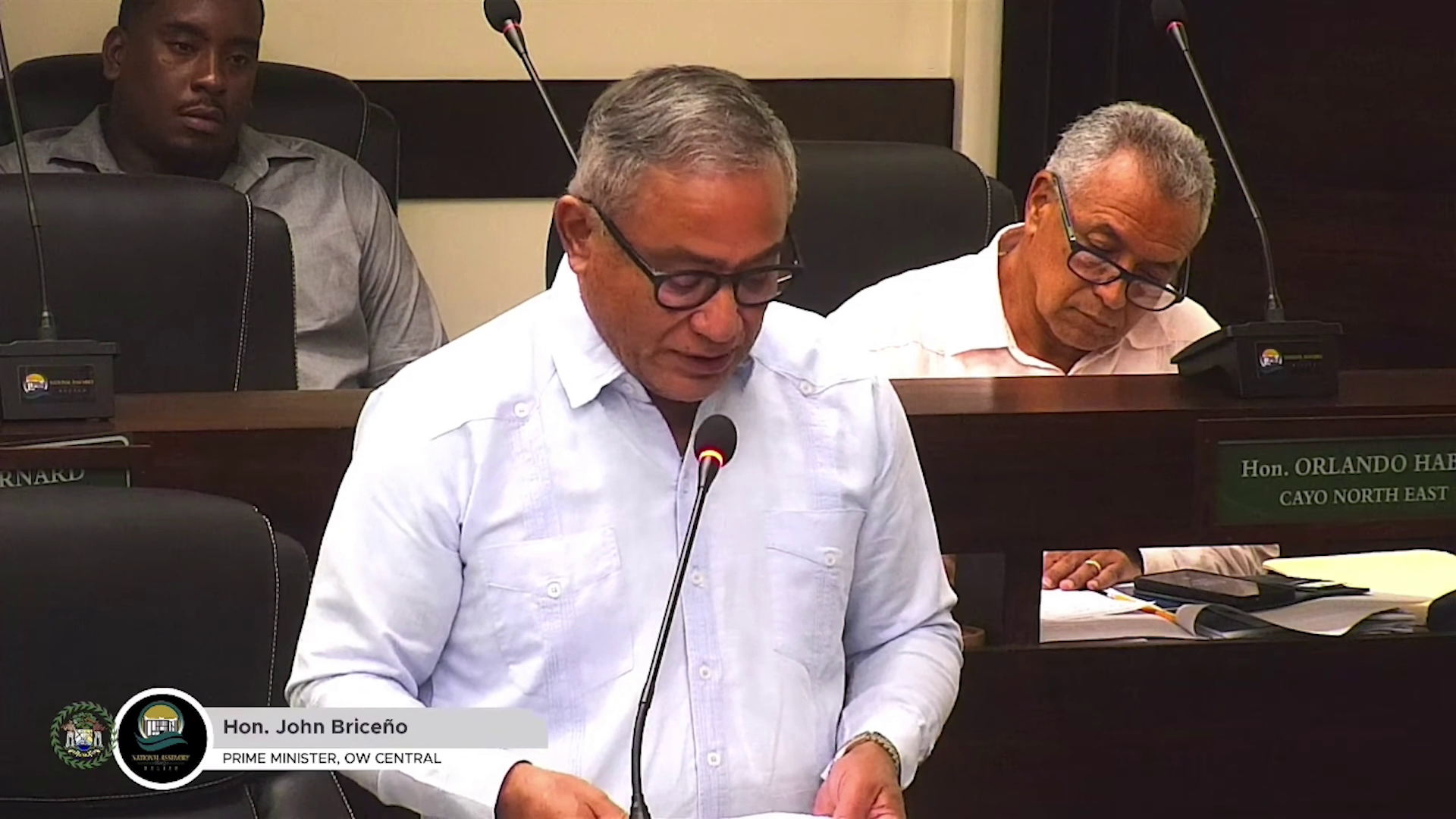
On October 2, 2026, Prime Minister John Briceño introduced a set of targeted amendments to Belize’s existing cybercrime legislation, crafted to resolve a long-running tension between law enforcement needs and democratic discourse protections. The core changes focus on refining the vague, overly broad provisions that critics warned could be weaponized to silence political dissent, critical journalism and satirical content targeting public officials.
Under the current law, subsection 4 of the act criminalizes the dissemination of false information, statements or images via computer systems when shared with the intent to harm another person’s reputation or expose them to public ridicule, contempt, hatred or embarrassment. As digital communication platforms have become the primary space for public debate in Belize, civil society groups, journalists and opposition voices have raised repeated alarms that this broadly worded provision could be applied to nearly any form of critical online expression, from political commentary and investigative journalism to parody and satire of public officials.
A government review of the existing legislation confirmed these concerns, finding that the current language extends far beyond what is necessary to address severe cyber-facilitated harm. The proposed amendments rewrite Section 15(4) of the act to narrow criminal liability to only specific, harmful conduct: content that is deliberately fabricated, altered, or spread under false impersonation, misrepresented as authentic, and shared with the explicit intent to cause serious harm to others.
In his address to the nation’s legislature introducing the bill, Briceño emphasized that the reforms are designed to carve out clear protections for democratic discourse. “This protection is intended to ensure that democratic debate, investigative journalism, political criticism, and other forms of public discourse are not criminalized merely because they are offensive, embarrassing or critical of public figures,” Briceño told lawmakers.
Additional procedural safeguards are also included in the proposed amendments. Any prosecution under the revised cybercrime act would require written pre-approval from Belize’s Director of Public Prosecutions, creating an extra layer of oversight to prevent arbitrary or politically motivated charges against critics. The bill also clarifies jurisdiction rules, explicitly outlining when Belizean courts have the authority to hear and adjudicate cybercrime cases.
The reforms come as Belize faces growing cybercrime challenges across multiple sectors, alongside increasing international and domestic pressure to safeguard digital freedom. For policymakers, the amendments represent a middle path: updating national legislation to match the evolving nature of online crime while honoring commitments to protect the free speech rights enshrined in Belize’s constitution. The bill now moves forward for legislative debate and voting in the coming weeks.