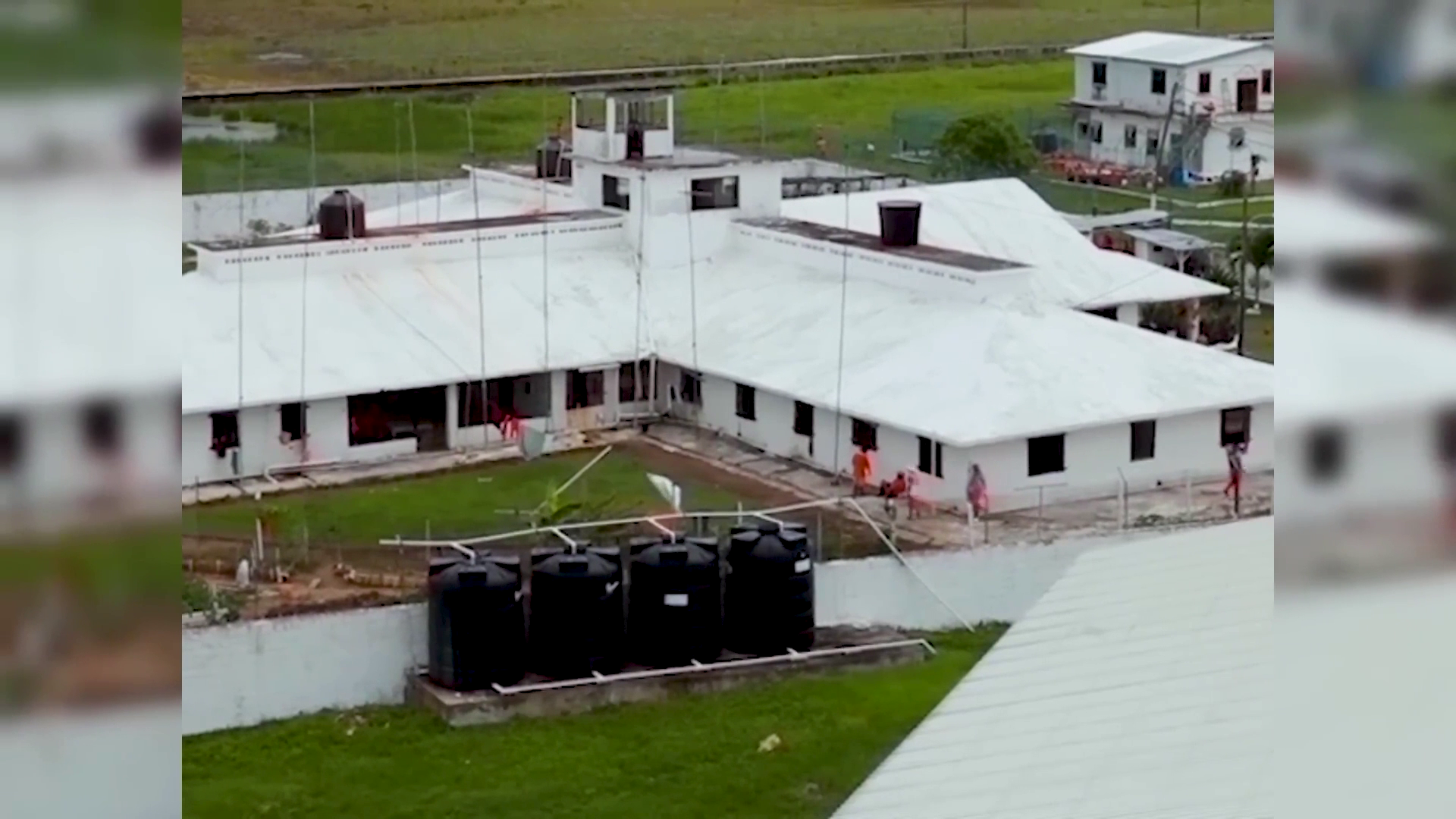
October 2, 2026 — A critical gap in a nation’s correctional mental health infrastructure has led to a stunning breakdown in the criminal justice system, leaving two alleged assault victims without their day in court and a defendant’s family shattered by preventable loss. Kareem Anderson, accused of attacking two women, was placed in pre-trial detention nine months ago, waiting for a court-ordered psychiatric evaluation that would determine if he was mentally competent to stand trial. That assessment never arrived. With no completed evaluation to move the case forward, courts were forced to dismiss all charges against Anderson entirely.
The human cost of this systemic failure extends far beyond the stalled legal process. While Anderson waited behind bars for the evaluation that would never come, his mother passed away, leaving his family to grieve a loss that could have been avoided if the system had functioned as required. Defense attorney Richard “Dickie” Bradley, who is representing Anderson, has pulled back the curtain on deep-rooted, long-running failures in the provision of psychiatric services for incarcerated individuals.
Bradley explained that for decades, overcrowding and understaffing of mental health services in the prison system have created unacceptable conditions. At one point, he noted, up to 92 incarcerated people with mental health needs were housed in a single prison facility, a situation he described as straight out of a horror film. Many of these individuals have waited for years for court-ordered psychiatric evaluations, a backlog that legal professionals have long decried as indefensible.
The current crisis, Bradley says, reached a breaking point roughly 20 months ago, when the last government-employed psychiatrist assigned to the prison system left their post. Since then, the department has scrambled to address the gap by contracting with a single private sector psychiatrist to visit the facility once a month to conduct assessments. But this makeshift solution has been completely unable to clear the growing backlog, leaving hundreds of incarcerated people waiting for the evaluations required to move their cases forward.
In a further inequity exposed by Bradley, when courts grant bail to defendants with suspected mental health needs in these cases, the accused and their families are frequently forced to arrange and pay for private psychiatric evaluations themselves, putting critical access to justice out of reach for low-income defendants. This case, advocates say, is just one high-profile example of a systemic failure that harms defendants, victims, and their families across the criminal justice system.
This report is a transcript of an evening television broadcast, with all non-standard speech transcribed using an established orthographic system.