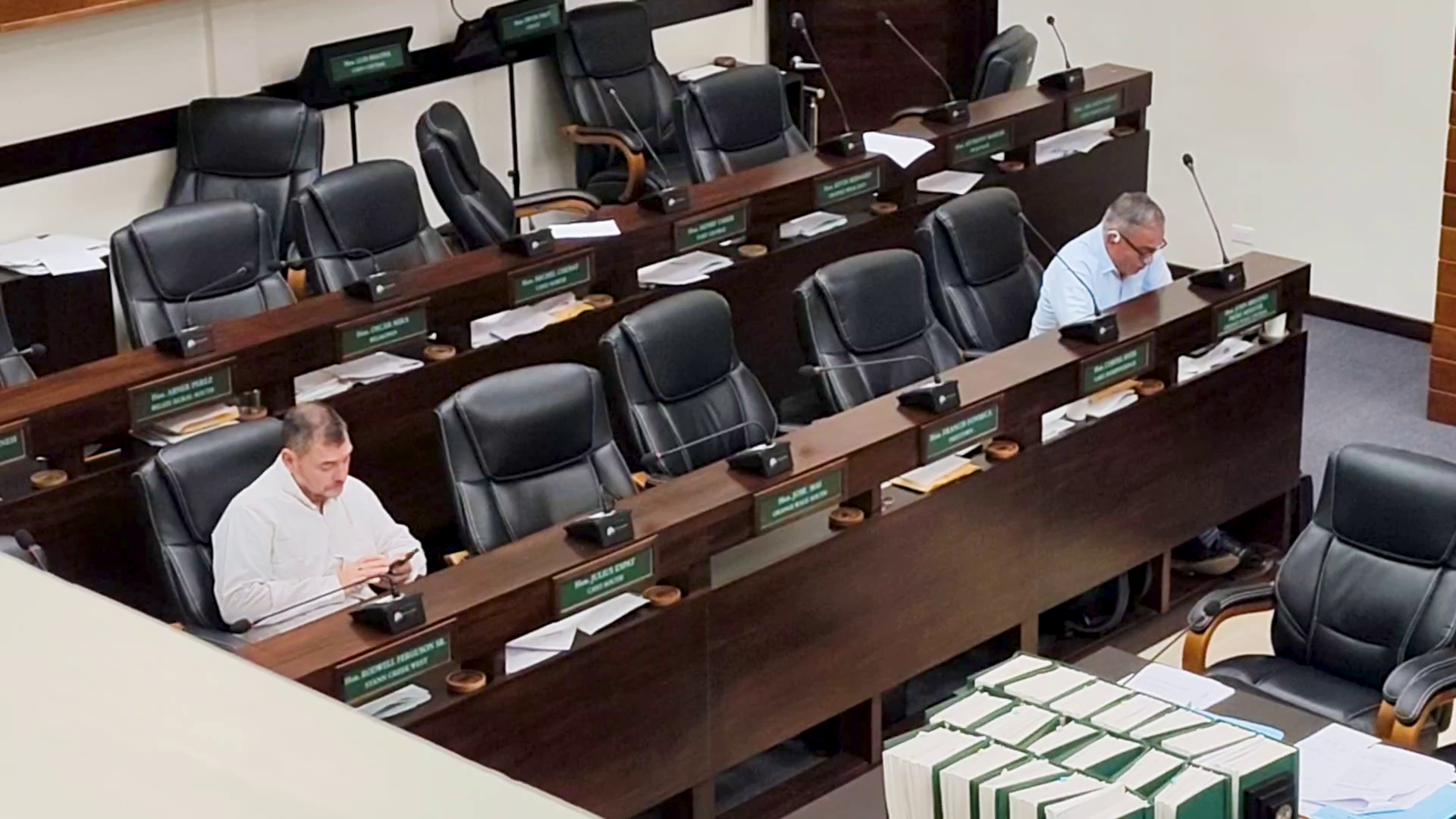
In recent weeks, open disagreements between members of the national cabinet have broken into public discourse, triggering widespread speculation over the stability of the ruling government and the level of internal unity among its top decision-makers. The tensions came to a head after the Prime Minister issued a public rebuke of Home Affairs Minister Julius Espat, followed by what multiple political observers have characterized as coordinated critical pushback against Espat from factions within the ruling party. In a new interview with local media, Espat addressed lingering questions about unresolved resentment between him and the Prime Minister, pushing back against narratives that the government is teetering into crisis.
Espat explained that the conflict has already been resolved through direct, private conversation between the two leaders. “He’s the boss. He was emotional. He reacted to something that was informed to him erroneously,” Espat said of the Prime Minister’s public rebuke. “My interview had nothing to do with what he said. And I spoke to him afterwards, and I showed him the evidence that what I said was nothing like that and he accepted it and we move on. It’s not a problem.”
When interviewer Shane Williams pressed Espat on whether there is now full harmony across the entire cabinet, Espat offered an unorthodox take on what makes for effective governance, arguing that universal agreement is far from a positive sign for the country.
“As much as it can be [well]. Cabinet being too well is not good for the country. You always have to have issues and differences and opinions and so that you can come up with good decisions,” Espat explained. “If it’s a kumbaya then it won’t work. Then everybody starts believing that everything is great, and that’s not reality. So we’re good.”
This report is adapted from a transcribed segment of a local evening television news broadcast, originally published online on October 2, 2026.