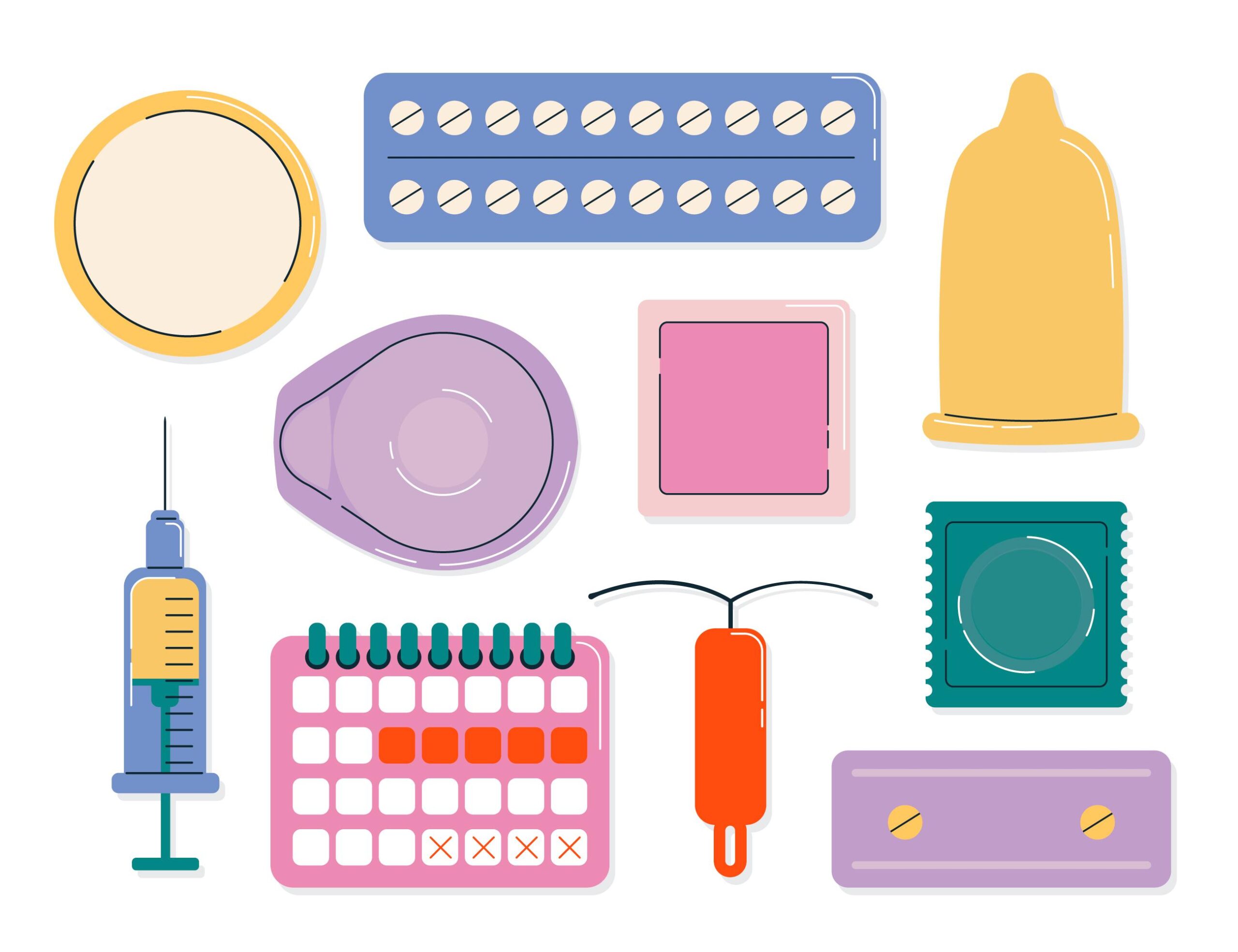
As September ushers in a series of global observances focused on sexual and reproductive health — including World Sexual Health Day on September 4 and International Safe Abortion Day on September 28 — reproductive health advocates from Grenada are using this year’s World Contraception Day (WCD) to push for urgent policy change around contraceptive access. This year’s WCD theme, “No Barriers, Just Choices: Contraceptive Access Now,” highlights a long-simmering regional debate that reignited last year over whether teenagers should be allowed to access reproductive healthcare without requiring parental consent. Advocates argue that current policy prioritizes parental control over adolescent well-being, a mismatch that is contributing to devastating public health outcomes across the Caribbean.
WCD’s core mission is to raise public awareness about the critical importance of reliable contraceptive access, disseminate evidence-based scientific information about different contraceptive options, and counter harmful misinformation that often discourages responsible use. To fulfill that mission, WCD outlines five primary categories of contraception for public education: barrier methods such as condoms and diaphragms; hormonal methods including birth control pills and injections; long-acting reversible contraceptives like intrauterine devices (IUDs) and implants; permanent options such as vasectomy and tubal ligation; and emergency contraception, which can prevent pregnancy up to 72 to 120 hours after unprotected intercourse.
Advocates emphasize that expanding contraceptive access is a direct solution to reducing abortion rates, because unintended pregnancy is the leading cause of abortion. By increasing consistent contraceptive use, communities can cut rates of unplanned pregnancy and, in turn, reduce the number of abortions. The real public health crisis, they argue, is unplanned pregnancy, not abortion itself — and regional data bears this out. Among women seeking care at Caribbean public health clinics, 80% report that their most recent pregnancy was unplanned, and 37% of those unplanned pregnancies end in abortion. Most alarmingly, 81% of women who have had an abortion reported having their first abortion as a teenager, and 59% of those first abortions occurred before the age of 16 — a statistic that points to high rates of statutory rape in the region.
These stark numbers expose the failure of current policy around the Age of Civil Legal Responsibility (Amendment) Bill, which currently creates a harmful disconnect between existing law and on-the-ground social reality. Advocates argue that lowering the age of legal access to contraception without parental consent to 16 is merely a first step to closing an absurd legal gap between the age of consent for sexual activity and access to reproductive healthcare. To address the regional reality of early sexual debut, advocates say there should be no age-based barriers to contraceptive access, and policymakers should trust the professional judgment of healthcare workers to provide appropriate care.
The Caribbean currently faces two of the most alarming reproductive health statistics in the world: it has the highest abortion rate globally and the second-earliest average age of sexual debut. Compounding this crisis is an illogical legal inconsistency: while the law requires parental consent for contraceptive access for anyone under 18, children as young as 7 can be held criminally responsible for their actions in Grenada. Advocates question why there is an 11-year gap between the age of criminal responsibility and the age of civil legal responsibility for accessing reproductive healthcare, calling for immediate action to align law with public health needs.
This open letter was organized by Dr. Tonia Frame, President of the Grenada Planned Parenthood Association (GPPA), Trustee of the Caribbean Family Planning Affiliation (CFPA), and Assistant Professor in the Department of Public Health and Preventive Medicine at St George’s University, and Dr. Fred Nunes, founder of Advocates for Safe Parenthood: Improving Reproductive Equity (ASPIRE) and advisor to both CFPA and GPPA. The opinions expressed do not necessarily reflect those of NOW Grenada.