As record-breaking high temperatures continue to grip the Caribbean, climate and emergency management leaders are calling for a long-overdue reevaluation of traditional school uniform policies, arguing that simple, low-cost adjustments can bring critical relief to students without the massive price tag of universal air conditioning across school campuses.
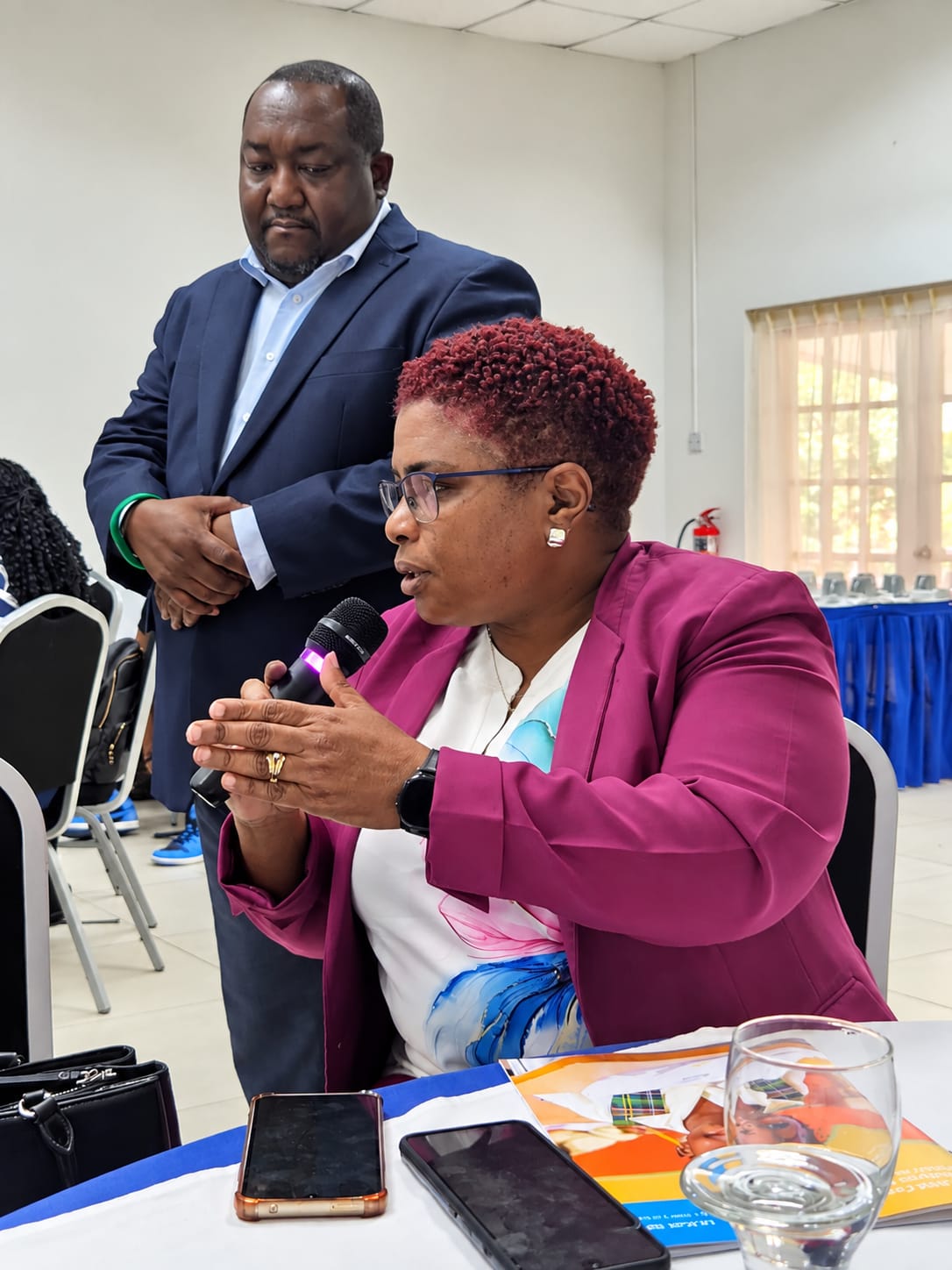
Princess Khodra, director of Saint Lucia’s National Emergency Management Organisation (NEMO) and a former educator, laid out this proposal during stakeholder discussions held to mark the launch of a new climate impact report commissioned by UNICEF. Khodra argues that the region’s deep-rooted attachment to long-held cultural traditions has become a barrier to turning climate research into actionable, people-centered policy—even when those changes require little to no upfront investment.
She points to mandatory school uniforms as a clear, accessible example of how policy adaptation can address worsening heat conditions. For generations, Caribbean students have worn uniforms rooted in regional tradition, many of which include heavy garments like formal ties, thick overalls, and requirements for dark black socks and leather shoes. Despite the growing intensity of seasonal heatwaves, Khodra notes that many schools across the region (outside of Saint Lucia) still enforce these strict uniform rules with no exceptions for extreme weather.
“A simple revision on a governmental level of uniform policy can help to translate climate data into a tangible action that immediately impacts a child, because it costs enormous sums of money to air condition every school across the region,” Khodra explained. “Just a slight adjustment to uniform requirements may deliver immediate, meaningful benefits to students without placing an unsustainable financial burden on public budgets.”
Khodra’s call for change aligns with already ongoing shifts at schools across Saint Lucia, where administrators have rolled out small, heat-focused adjustments to support student well-being. Saint Mary’s College now permits students to take water breaks whenever they need relief, and some educators have moved outdoor lessons to shaded areas under trees. At Aux Lyons Combined School, a teacher has set up a dedicated “hydration corner” for students, while Ave Maria Girls’ Primary has added extra water breaks to the daily schedule and occasionally shortened physical education classes held during peak heat.
Uniform changes are already under discussion at these local institutions. Neal Fontenelle, principal of Saint Mary’s College, noted that the school would consider adopting lighter uniform designs if extreme heat conditions continue. Valerie St Helene-Henry, principal of Ave Maria Girls’ Primary, pointed to lightweight breathable fabrics and lighter garment colors as accessible, low-cost alternatives to traditional uniform designs.
This shift toward heat-adapted uniforms is already gaining traction elsewhere across the Caribbean. In Barbados, first-form students at Princess Margaret Secondary School began the 2024 academic year in newly redesigned uniforms that Education Transformation Minister Chad Blackman described as “fit for purpose in a hot climate.” The policy change was implemented after regional temperatures climbed to 33 degrees Celsius, pushing education authorities to prioritize student protection from heat-related risks. Early feedback from the change has been positive: students told local outlet Barbados TODAY that the new designs are noticeably more comfortable, and one parent praised the lighter, more breathable material as a welcome adjustment amid rising temperatures.
Khodra’s concerns about child vulnerability to extreme heat were echoed by UNICEF specialists during a post-launch media workshop focused on climate impacts. Dr. Lisa McClean-Trotman, UNICEF’s Social and Behaviour Change Specialist for the Eastern Caribbean Area, identified restrictive, heavy traditional uniforms as one of multiple key hazards facing children during periods of drought and extreme heat. She also highlighted other systemic risks, including poorly ventilated classroom infrastructure, school closures triggered by water service outages, and scheduled recess and sports activities held during the hottest hours of the day. These conditions not only disrupt learning but also put children at heightened risk of dehydration, heat stress, and water-borne illness when handwashing water supplies run low.
For Khodra, adapting to the region’s changing climate does not need to start with multi-million dollar infrastructure overhauls. Instead, she argues that Caribbean nations can leverage creativity and flexible policy thinking to deliver immediate gains for vulnerable communities.
“We also have to be creative in how we think and in how we apply that data and translate it into policy that can affect action,” Khodra said. “Because we know we’re not rich. But we are creative.”