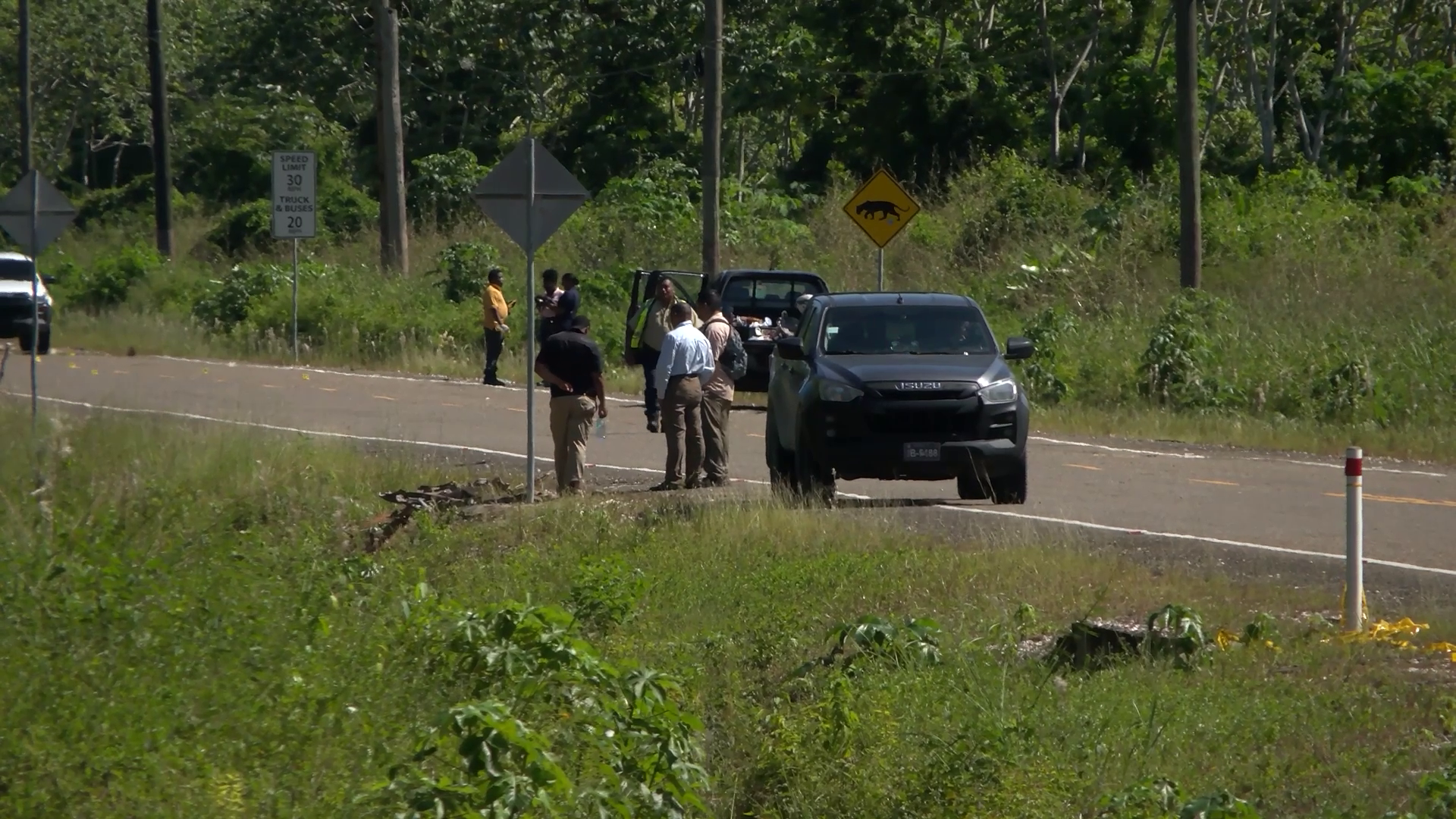
On November 9, 2026, the Central American nation of Belize finds itself caught in a high-stakes balancing act: as official tourism delegations traverse global trade expos to pitch the country’s sun-drenched Caribbean beaches, biodiverse rainforest reserves, vibrant Garifuna cultural heritage, and world-class cave exploration and reef diving experiences, a rapidly escalating violent crime wave threatens to unravel decades of carefully curated destination branding. Over the past seven days, tourism representatives have led promotional missions at major industry events in London and Taiwan, rolling out polished marketing collateral designed to position Belize as a top-tier low-density adventure and leisure travel spot. But back on domestic soil, surging gang-related homicides and shootings have prompted national authorities to declare a formal state of emergency for high-conflict zones, a development that has not escaped the notice of global travelers in the digital age. Unlike decades past, when vacationers only encountered sanitized, travel agency-curated imagery of their intended destinations, a 10-second online search now juxtaposes photos of Belize’s iconic Blue Hole and ancient Maya ruins with recent news reports of gang violence, creating a persistent perception gap that risks eroding the country’s $800 million annual tourism revenue stream. To address this growing crisis, local news outlets sat down for an exclusive interview with Belize’s Minister of Tourism Anthony Mahler, who laid out the government’s multi-pronged response to align public safety outcomes with tourism sector priorities. “There is no shortage of external and internal pressures that can disrupt a thriving tourism ecosystem, and violent crime stands as one of the most pressing challenges we face today,” Mahler explained during the discussion. “We have already coordinated closely with the Office of the Prime Minister and the Ministry of National Security to align our resources: the tourism board provides partial funding for the dedicated tourism police unit that patrols high-traffic visitor zones, and we have launched a specialized concierge safety detail that currently operates full-time in high-footfall areas of Belize City, with plans to roll out the program to popular resort districts across the country in the coming quarter.” Mahler went on to emphasize that widespread international misperceptions of national-level insecurity are drastically overstated, noting that the gang violence is concentrated in a handful of small, urban neighborhoods that are almost never visited by leisure travelers. “When you assess Belize as a full geographic and cultural entity, it remains an overwhelmingly safe destination for visitors and local residents alike,” he stressed, while acknowledging that additional targeted investments in public safety are non-negotiable. In a direct, impassioned plea to local communities, Mahler urged Belizeans to move beyond performative declarations of national pride on social media and take tangible action to stem the cycle of violence. “If you call yourself a patriot, if you say you love this country and your neighbors, that love cannot end with a Facebook post,” he said. “We cannot keep destroying our own communities with senseless, targeted killings. Belize is the most extraordinary nation on this planet, but we need a collective wake-up call to stop inflicting this harm on ourselves.” The public safety crackdown that accompanied the state of emergency declaration has already prompted both the United States and Canada — Belize’s two largest source markets for international tourists, accounting for more than 70% of all annual visitor arrivals — to issue updated official travel advisories warning their citizens to avoid the small designated high-risk zones. The tourism ministry has since launched a targeted digital outreach campaign to clarify the geographic scope of the safety restrictions for international travel agencies and prospective visitors, in a bid to minimize disruptions to the upcoming peak winter tourist season. This report is adapted from the official transcript of the station’s November 9 evening television newscast, with Kriol-language segments transcribed using a standardized, official orthography developed for national public broadcasting use.