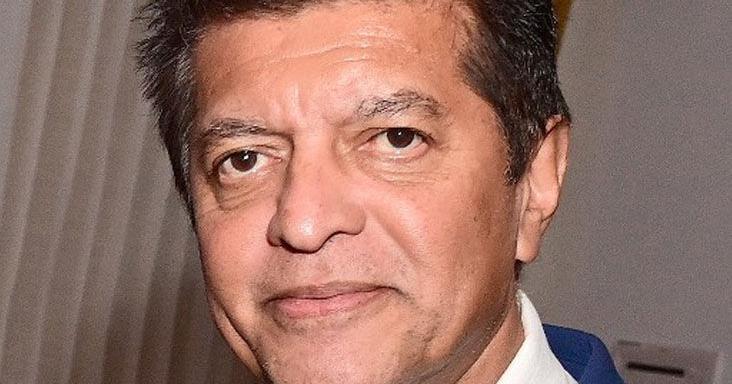
In a radio interview with I95.5 FM yesterday, Trinidad and Tobago’s Health Minister Dr Lackram Bodoe publicly addressed growing public complaints over drug shortages under the nation’s long-running Chronic Disease Assistance Programme (CDAP), confirming supply gaps for a small subset of medications while outlining immediate and long-term plans to resolve the issue.
Established two decades ago, CDAP enables nearly 300,000 local citizens to access subsidized chronic disease medication through a network of 289 participating private pharmacies across the country. Out of the 52 prescription medicines officially listed on the programme’s formulary, Bodoe confirmed that only six to seven are currently out of stock, leaving between 43 and 45 medications fully available for patient pickup.
Bodoe emphasized that the current shortages are not a permanent or funding-related crisis. He clarified that procurement logjams, rather than a lack of government allocation for health services, are the root cause of the temporary supply disruptions. The government allocates between $800 million and $900 million annually to cover public-sector medication costs, including CDAP supplies, so funding is not a constraining factor. The Minister projected that all out-of-stock drugs will be restocked and available to patients within three to four weeks, once ongoing procurement processes are completed.
In the interim, Bodoe said that safe, clinically effective alternative medications are already available for all currently out-of-stock drugs. He has issued guidance to clinicians to prescribe these proven alternatives when a patient’s usual CDAP medication is unavailable, and that participating pharmacists are prepared to dispense the substitute treatments. For context, Bodoe cited the common hypertension drug Lisinopril, which is currently out of stock under CDAP, as an example: Enalapril, another effective hypertension treatment, is readily available as a replacement.
Beyond addressing immediate CDAP shortages, the Minister revealed that the health ministry is undertaking a broader overhaul of national pharmaceutical management, including a full revision of the national formulary that sets priorities for state-funded drug purchases. The revision process involves input from practicing clinicians across the country to ensure public funds are allocated to the most clinically necessary and effective medications.
This review extends to high-priority categories including cancer treatments, where Bodoe noted the ministry is working alongside national oncologists to evaluate purchasing priorities. He explained that with a constant stream of new oncology drugs entering the global market, the government has a responsibility to balance patient access with fiscal prudence: many new cancer treatments have not yet established clear long-term clinical efficacy, so public funds must be directed toward treatments with proven patient outcomes.
In a surprising disclosure during the interview, Bodoe revealed that an internal supply chain audit covering 2016 through 2025 uncovered a far larger systemic issue: more than $300 million worth of publicly funded pharmaceuticals and medical supplies have expired while stored in the national public health supply system. The Minister stressed that at no point were these expired medications distributed to patients for use; all expired stock was properly disposed of before reaching clinical settings. Nonetheless, he described the accumulation of hundreds of millions of dollars in expired supplies as an unacceptable supply chain failure, and confirmed that the Ministry of Health and National Insurance Property Development Company (NIPDEC) are already collaborating to implement corrective measures to prevent this issue from recurring in the future.