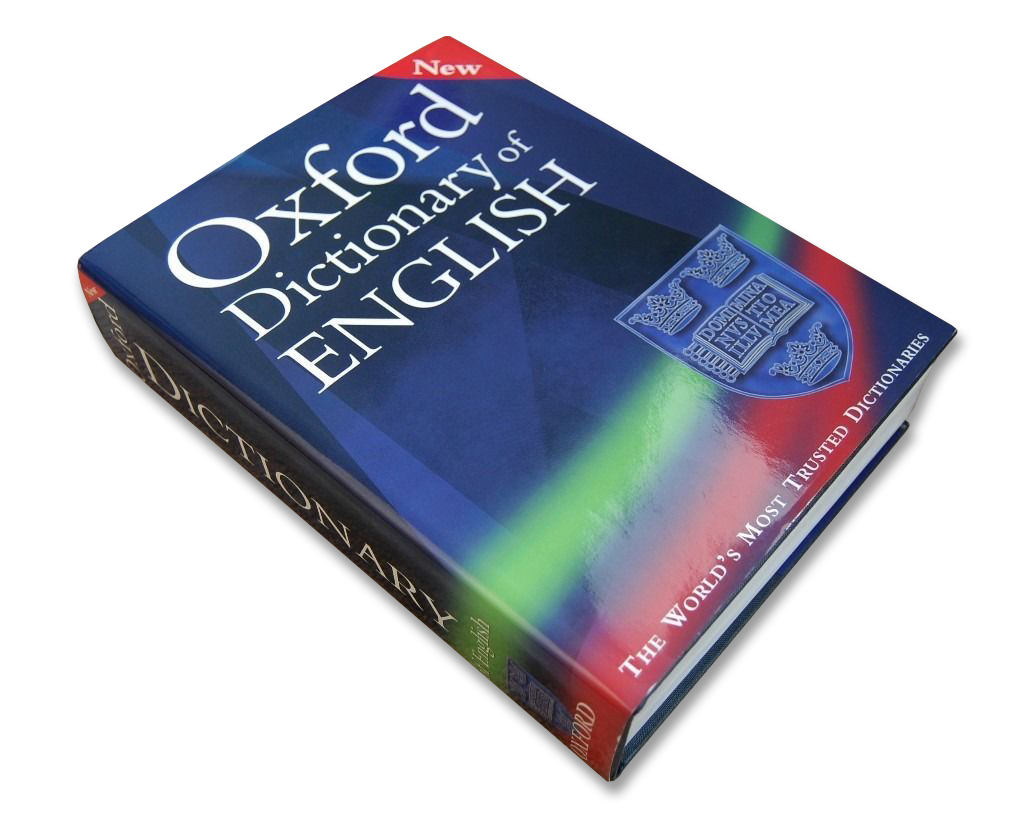
The rich linguistic and cultural heritage of the Caribbean and Bermuda has earned a new permanent place on the global stage, as more than 10 region-specific words and phrases deeply embedded in local speech, folklore, cuisine, and daily life have just been inducted into the Oxford English Dictionary (OED), one of the world’s most authoritative references on the English language.
Among the new inclusions is the Trinidad and Tobago term *hornerman*, a descriptor for an unfaithful man, or one who pursues a romantic relationship with another person’s partner, that has been in use in the region since at least 1975. Beyond everyday conversation, the term has cemented its place in Caribbean popular culture, taking center stage in iconic calypso tracks such as Shadow’s *Hornerman* and *Yuh Looking for Horn*.
Folklore, a core pillar of Caribbean cultural identity, is well represented in the new batch of entries. One prominent addition is *jablesse*, the name for a malevolent, shape-shifting female spirit from regional legend. Rooted in the French word *diablesse* (meaning female demon), traditional lore describes jablesse as having one cloven hoof, who often takes the form of a beautiful woman to lure unsuspecting men to their deaths. Another folkloric figure honored in the update is *douen*, the spirit of a child who died before receiving baptism. According to tradition, douen is depicted as a child with backwards-facing feet and an oversized hat, who tricks children into wandering deep into the forest by calling their names.
The dictionary update also shines a light on the Caribbean’s beloved food culture, adding two staple sweet and savory treats: *peanut punch*, a rich creamy beverage blended from peanuts or peanut butter, milk, sugar, and warm spices, and *sugar cake*, a dense sweet confection made from grated coconut, boiled sugar, water, and aromatic spices.
Reflecting the Caribbean’s long history of multicultural fusion, the new entries also include terms borrowed from South Asian languages: *Nana* and *nani*, Hindi-derived words used across the region to refer to maternal grandparents. Another identity-based entry is *Trinbagonian*, the widely used umbrella term for people from the twin-island nation of Trinidad and Tobago.
Other entries highlight the region’s unique historical and festival traditions. *Canboulay*, for example, refers to the pre-Carnival celebrations in Trinidad that trace their origins back to 19th-century emancipation festivities and even earlier pre-colonial sugar harvest rituals. The term itself comes from French Creole *kann-boulé*, which translates directly to “burning cane”, a reference to the traditional harvest practice at the heart of the event.
Two common Caribbean colloquial phrases round out the linguistic additions: *to get on*, which means to have an unplanned emotional outburst or create a public scene, and *vex money*, a term for savings stashed or carried in a secure place for unexpected emergencies.
Beyond the Caribbean, the update also includes several Bermudian-specific terms that are rarely used outside the island territory. These include *bimpert*, a local slang term of unknown origin for someone perceived as foolish or unintelligent; *shadeesh*, the Bermudian name for the cured sausage chorizo; and *hamma*, the island’s colloquial term for a friend or close companion.
This induction into the OED marks a major milestone for Caribbean and Bermudian culture, cementing the region’s unique linguistic contributions to the evolving global English language and making these one-of-a-kind cultural terms accessible to audiences around the world.