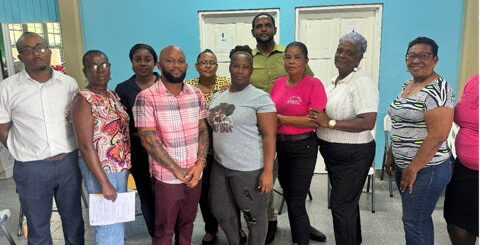
Against a backdrop of rising climate uncertainty and more frequent extreme weather events, two Eastern Caribbean countries have wrapped up a landmark initiative designed to boost disaster preparedness at schools serving climate-vulnerable indigenous communities. Led by the Organization of Eastern Caribbean States (OECS) Commission and funded by the New Zealand High Commission Fund for the Caribbean, the 12-month project has delivered tangible infrastructure upgrades, life-saving emergency equipment, and targeted hands-on training to two participating institutions: Atkinson Primary School in Dominica’s Kalinago Territory and Sandy Bay Government School in St. Vincent and the Grenadines.
Implemented through the OECS Commission’s Education Development Management Unit (EDMU), the initiative ran from July 1, 2025, through July 20, 2026. Beyond serving core educational functions, both schools act as critical community gathering spaces and official emergency shelters during hurricanes and floods, making their resilience a top priority for regional safety planning.
At Dominica’s Atkinson Primary School, the project addressed long-standing climate-related hazards that disrupted learning and threatened safety. A custom 100-foot drainage system was installed to eliminate chronic flooding that regularly submerged the schoolyard during heavy rain events. Additionally, reinforced custom wooden doors were constructed and fitted to withstand the powerful hurricane-force winds that regularly impact the Eastern Caribbean. Both participating schools received standardized emergency response packages, including portable gasoline generators, solar-powered lighting systems, and public address equipment. These tools are designed to keep the schools operational during widespread power and communication outages, allowing them to continue hosting displaced community members even when critical infrastructure fails across surrounding areas.
Organizers prioritized capacity building as much as physical upgrades, recognizing that lasting resilience depends on trained local stakeholders. Two-day interactive workshops, led by local disaster management experts Joian Coipel in Dominica and Dr. Idelia Ferdinand in St. Vincent and the Grenadines, adapted regional disaster risk reduction guidelines into actionable, site-specific emergency procedures. Participants also ran full simulation exercises to test existing school disaster response plans, identifying gaps and refining protocols for real-world events.
In total, 36 key stakeholders including school administrators, teachers, support staff, and local indigenous community leaders completed the training. Post-project assessments measured a 15.5% average increase in disaster risk management knowledge among participants, with 90% of trainees reporting significantly higher confidence in their ability to coordinate a safe emergency response at their school.
Muriel John, Principal of Atkinson Primary School, welcomed the transformative impact of the project, noting that it addressed decades of unmet safety needs while uniting staff and community members around a shared goal of preparedness. “The training reminded us that resilience is something we build together as a community long before disaster strikes,” John said. “Where we once felt vulnerable, we are now better equipped; where once we could only react, we now know how to prepare.” She extended formal gratitude to all participating partners, adding: “You have not only built a more resilient school, but also strengthened the spirit of a people who have always known how to endure and now feel supported in that endurance. We are grateful, stronger and ready.”
Dr. Didacus Jules, Director General of the OECS Commission, framed the initiative as a core part of the regional body’s ongoing commitment to building climate resilience across vulnerable small island developing states. “By empowering our indigenous school communities in Dominica and Saint Vincent and the Grenadines with both fortified infrastructure and critical local expertise, we are not just protecting our students; we are establishing a vital blueprint for regional safety,” Jules explained.
Linda Te Puni, New Zealand High Commissioner to the Caribbean, emphasized that the project’s centering of indigenous knowledge and community leadership aligned closely with New Zealand’s core development values. “It is especially important that this initiative places indigenous knowledge, community ownership, and inclusive development at its centre. These values are important to New Zealand,” she said.
Building on the successful outcomes of this pilot project, the OECS Commission plans to expand the model to similar resilience-building initiatives in Grenada and Saint Lucia in coming years. Project outcomes are also integrated into the regional Climate Smart Education Systems Initiative, which aims to embed climate resilience into education policy and infrastructure planning across the Eastern Caribbean to deliver long-term, widespread benefits for vulnerable communities.