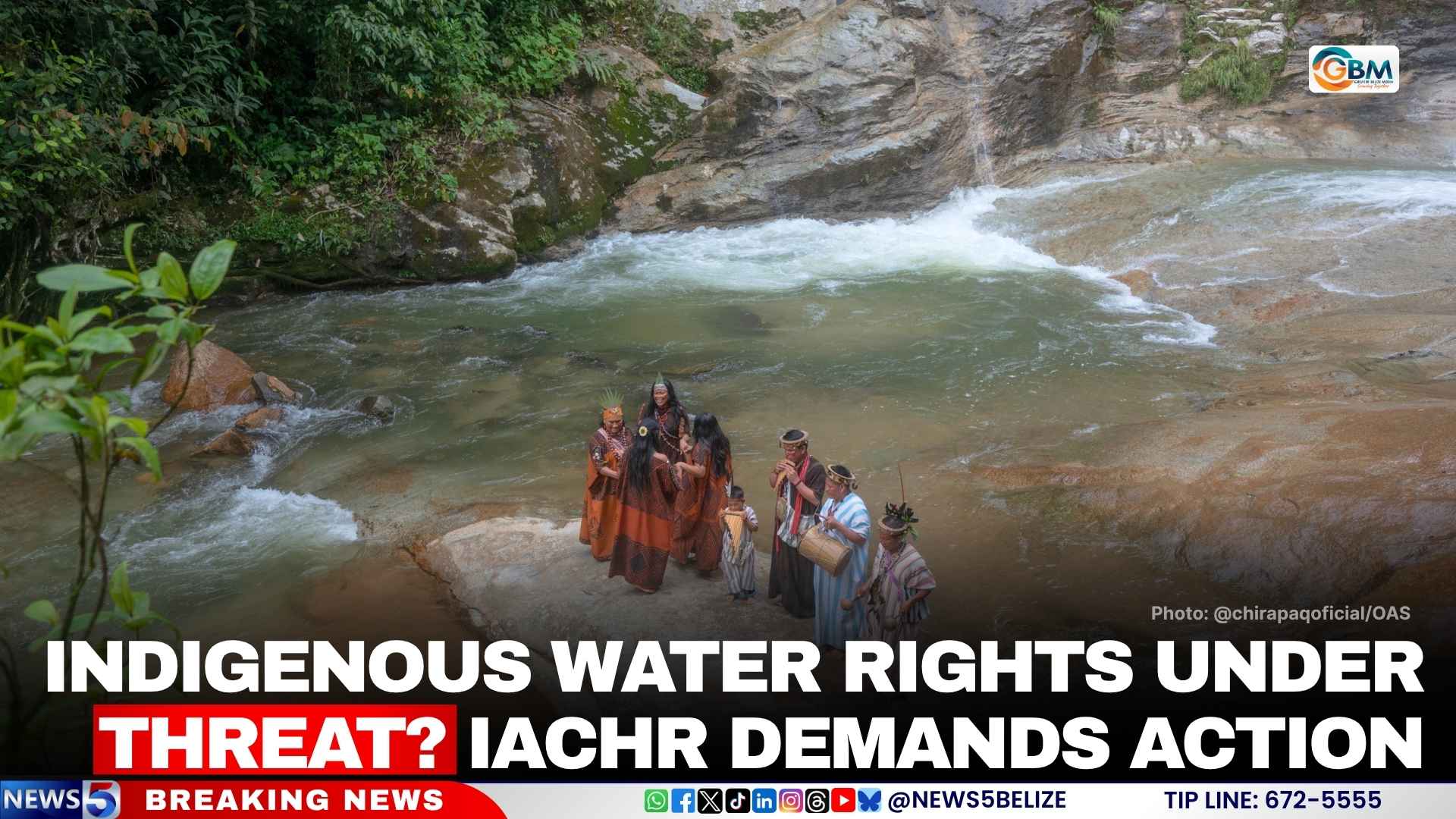
Against the backdrop of the Ninth Inter-American Week for Indigenous Peoples and the United Nations International Day of the World’s Indigenous Peoples, the Inter-American Commission on Human Rights (IACHR), an autonomous human rights body under the Organization of American States (OAS), has issued an urgent appeal to governments throughout the Americas to prioritize and entrench Indigenous peoples’ fundamental right to self-determination.
The week-long conference, which runs from August 11 to 15 2026, structured its agenda around key themes tied to Indigenous stewardship. Opening sessions on Monday centered on the critical connection between Indigenous identity and territorial sovereignty, while the agenda on August 12 shifted focus to water and air, designed to highlight the deep, interdependent relationship between Indigenous communities and the natural resources they have guarded for millennia.
In a formal statement addressing the day’s theme, Riyad Insanally, IACHR’s Special Rapporteur on the Rights of Indigenous Peoples, emphasized the unique cultural and existential role of water in Indigenous life across the hemisphere. “For Indigenous communities, water is far more than a commodity to be extracted or traded,” Insanally explained. “Rivers, lakes, and underground aquifers are living entities that carry generations of collective memory, anchor spiritual belief systems, and sustain the very fabric of community life. For centuries, Indigenous peoples have nurtured these water sources through traditional, sustainable practices that benefit entire regions.”
Despite this centuries-long stewardship, Insanally confirmed that the IACHR continues to receive widespread reports of threats to Indigenous water access. Large-scale extractive industry operations, unregulated industrial agribusiness, and major infrastructure development projects have repeatedly contaminated critical water sources or blocked Indigenous communities’ access to these resources, in most cases without free, prior, and informed consultation required under international human rights law, he said.
Water rights are not the only pressing concern documented by the commission. The IACHR’s ongoing monitoring has also uncovered a range of systemic harms facing Indigenous communities across the Americas, including widespread forced evictions from traditional territories, the criminalization of Indigenous leaders who peacefully defend their community’s lands, and persistent structural exclusion that disproportionately endangers Indigenous women through targeted violence and disenfranchisement.
To address these escalating threats, Insanally urged all OAS member states to integrate the IACHR’s past recommendations into binding public policy, uphold existing legal and institutional protections for Indigenous rights, and expand meaningful, good-faith dialogue with elected Indigenous and tribal authorities and representative community organizations.
The commission has also reaffirmed its commitment to supporting implementation efforts, stating it stands ready to provide targeted technical assistance to both national governments and Indigenous and tribal peoples as they work to codify and exercise the right to self-determination.
The Inter-American Week for Indigenous Peoples will continue through Friday, with additional panel discussions, community testimonials, and working sessions planned to address ongoing challenges and advance collaborative solutions for Indigenous rights across the region.