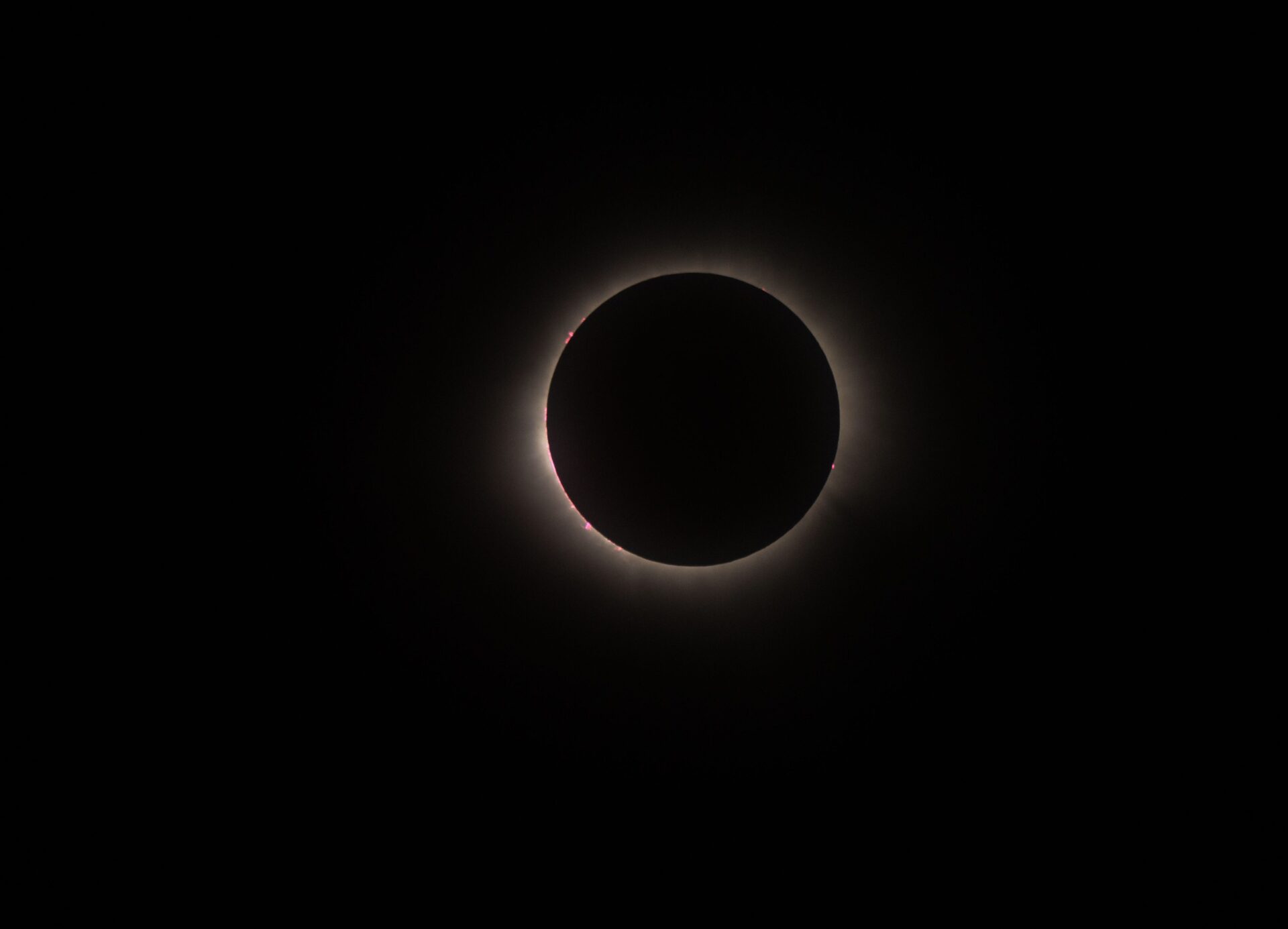
On August 12, 2026, a highly anticipated total solar eclipse will cross the Northern Hemisphere, drawing the attention of astronomers, skywatchers, and curious observers across the globe. This rare astronomical event will see the moon pass directly between the Earth and the sun, completely blocking the sun’s bright disk and casting a narrow path of totality across several Arctic and North Atlantic regions.
The zone where the total eclipse will be fully visible stretches across a chain of high-latitude and European locations. Among the areas that will experience the full glory of a total solar eclipse are the massive ice sheet of Greenland, the entire island nation of Iceland, and the northernmost territories of Russia. In Western Europe, the path of totality will cut across northern regions of Spain, with the extreme northeastern tip of Portugal also falling within the zone of full eclipse. Large stretches of the Atlantic Ocean between North America and Europe also lie along the path of totality, giving any ships sailing in those areas a front-row seat to the event.
For observers not located along the narrow path of totality, the event will still offer a striking partial solar eclipse, where the moon covers only a portion of the sun’s surface. Much of North America will get the chance to see at least a partial eclipse, including all of northern Canada and a large swathe of the United States stretching from Alaska in the far northwest all the way to North Carolina on the U.S. East Coast. Beyond North America, most of the European continent will also witness a noticeable partial eclipse, alongside northwestern regions of Africa. Even for those unable to view the partial eclipse, the event will be widely broadcast via live streams from astronomy organizations, giving people around the world a chance to experience the rare astronomical phenomenon.
Total solar eclipses are infrequent events for any given location on Earth, occurring roughly once every 375 years in the same spot. This makes the 2026 eclipse a particularly exciting opportunity for the communities and skywatchers in its path of totality, with tourism officials in Iceland and northern Spain already preparing for an influx of visitors eager to view the event.