分类: science

  • SGU joins Global Biodiversity Alliance

    SGU joins Global Biodiversity Alliance

    In a formal ceremony held at Guyana’s State House, St George’s University (SGU) has formally been inducted as the newest non-governmental member of the Global Biodiversity Alliance (GBA), with Guyana’s President His Excellency Dr Mohamed Irfaan Ali presenting the official membership certificate to the institution. SGU’s admission to the alliance, which has already been formally confirmed by the GBA Secretariat, builds on a deepening collaborative partnership between the Grenada-based university and the Government of Guyana rooted in the Georgetown Declaration, a landmark global framework dedicated to halting and reversing global biodiversity loss through the advancement of sustainable, science-centered solutions.

    As a non-governmental institutional member, SGU now joins a rapidly expanding international coalition that brings together national governments, research institutions, and civil society organizations. All members of the alliance work in coordinated alignment with the Kunming-Montreal Global Biodiversity Framework to protect vulnerable ecosystems and speed up progress toward shared global biodiversity targets.

    Speaking on the occasion, Dr Marios Loukas, SGU President and Dean of the School of Medicine, highlighted the institution’s core strength in bridging academic disciplines to tackle pressing, complex global challenges. “Through the Global Biodiversity Alliance, we are expanding our ability to contribute actionable research and foster the kind of collaboration needed to drive measurable progress,” Loukas said, noting that membership opens new avenues for two-way learning and knowledge exchange between SGU scholars and a global network of leading conservation experts.

    Founded as a voluntary, inclusive multi-stakeholder platform, GBA was created to advance open knowledge sharing, scalable conservation financing, and coordinated collective action to protect global biodiversity. The alliance unites stakeholders from every sector—from government and academia to private industry and nonprofits—to accelerate the on-the-ground implementation of global biodiversity goals and advance inclusive, nature-positive sustainable development.

    GBA Secretariat representatives have emphasized that academic institutional partners are foundational to advancing the alliance’s core mission. Collaboration with universities, they note, strengthens global research capacity, expands cross-border knowledge exchange, and improves the delivery of effective conservation outcomes. Pradeepa Bholanath, Senior Director of Climate Change and REDD+ at Guyana’s Ministry of Natural Resources and a leading figure at the GBA Secretariat, welcomed SGU’s membership in a statement. “We are pleased to welcome St George’s University to the Global Biodiversity Alliance as a valued non-governmental member,” Bholanath said. “Through this collaboration, SGU will contribute to a dynamic platform dedicated to halting and reversing biodiversity loss, and we look forward to engaging the University in upcoming initiatives that support the Alliance’s shared global priorities.”

    As a GBA member, SGU will participate in a range of collaborative initiatives focused on advancing evidence-based conservation solutions, expanding interdisciplinary biodiversity research, and building global conservation capacity across under-resourced regions. The university’s entry into the alliance aligns with its long-standing institutional mission to address transboundary global challenges through integrated education, innovative research, and cross-sector partnership. The move also solidifies SGU’s growing role as a global leader in advancing the interconnected goals of global public health and environmental stewardship.

    Reaffirming the institution’s commitment to the alliance’s mission, Loukas added: “This partnership creates new opportunities for SGU to both contribute to and learn from a global network of experts and institutions. We are committed to applying our expertise in ways that strengthen capacity, expand knowledge, and support impactful, science-driven initiatives across regions.”

  • Bajan scientist discovers new microbes to transform waste into medicine, industry

    Bajan scientist discovers new microbes to transform waste into medicine, industry

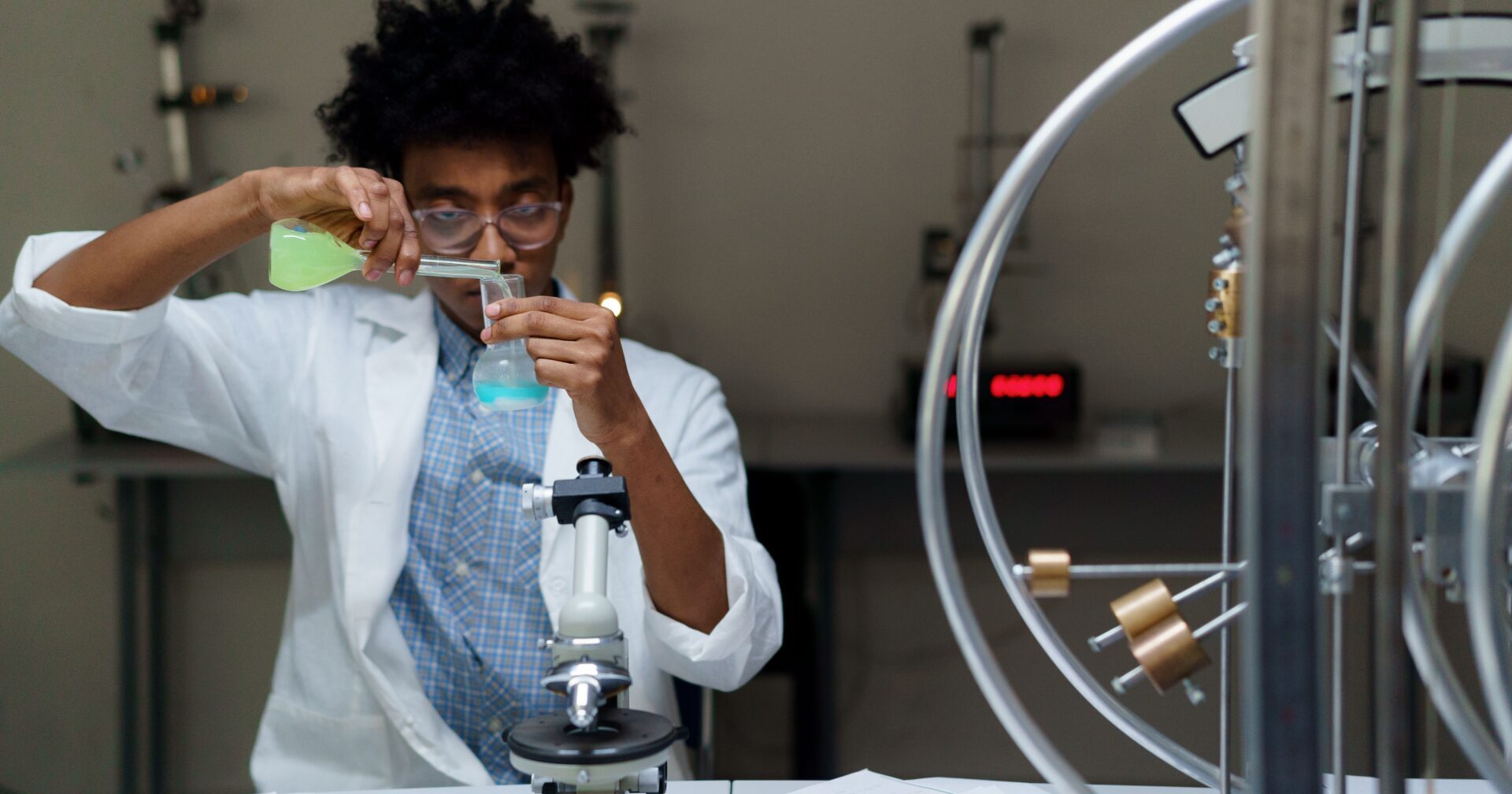
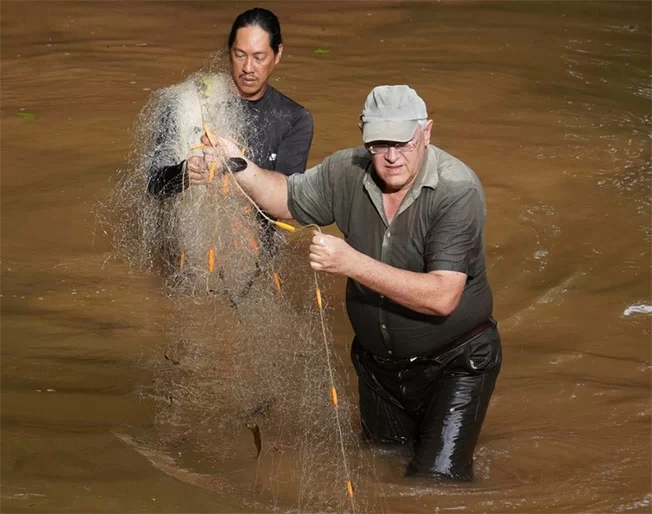
    For years, massive accumulations of decomposing sargassum have been treated as a stubborn blight on Barbados’ coastlines, smothering beaches, deterring tourists and creating costly cleanup headaches for local authorities. But a decade-long, self-funded research project by a University of the West Indies Cave Hill scientist has upended that narrative, uncovering a hidden biological treasure that could launch a homegrown Caribbean biotechnology industry.

    Dr. Bidyut Mohapatra, the lead researcher behind the work, has officially identified and validated three previously unknown species of microorganisms living within decomposing sargassum collected off Barbadian shores. In a generous gesture that prioritizes national recognition over personal acclaim, Mohapatra chose to name the new species after Barbados, marking the first time any microorganism has carried the island nation’s name. “I could have taken my name, but I prefer to give credit to the country first. That is the important one… we have to give credit to the country,” he explained in an interview.

    The groundbreaking findings have already received formal validation from leading global scientific institutions, including the United States’ National Centre for Biotechnology Information (NCBI) and specialized culture collections based in Belgium and Germany, confirming the discovery’s scientific legitimacy. This marks a historic milestone for Barbados’ scientific community, being the first discovery of its kind for the island nation.

    Among the three new species, Streptomyces sargassi stands out as the most promising, with far-reaching applications spanning medicine, environmental remediation and sustainable energy. Mohapatra describes the microbe as a natural “cell factory” capable of producing more than 20 entirely new antibiotic compounds, a development that could offer a critical new line of defense against growing global antibiotic resistance. Unlike many specialized microbes, it simultaneously produces both therapeutic antibiotics and valuable industrial enzymes, doubling its practical utility.

    Beyond healthcare, the newly discovered bacterium offers solutions to two of the modern era’s most pressing environmental challenges: plastic pollution and renewable energy production. The microbe naturally consumes plastic waste, opening new avenues for low-cost, eco-friendly plastic degradation. It also enables fully sustainable breakdown of excess sargassum, converting the invasive algal mass into usable biofuel and agricultural inputs, turning a costly environmental problem into a valuable resource.

    Addressing widespread public concern about the safety of working with newly discovered microbes, Mohapatra emphasized that all three species are naturally occurring, non-pathogenic members of Barbados’ existing soil and coastal ecosystem. “It is not a pathogen. It doesn’t produce toxins or anything like that,” he said. “It is a part of the soil ecosystem. Since the bacteria were isolated from sargassum already on Barbadian shores, they are already a safe, integrated part of the environment.”

    The global scientific community has quickly recognized the significance of the discovery. The American Society for Microbiology has selected Mohapatra as one of only six international fellows invited to present his findings at an upcoming conference in Washington D.C. next month, a rare honor that underscores the research’s global impact. The work also answers a direct call to action from 2022 Nobel Prize-winning chemist Professor Morten Meldal, who recently urged Caribbean scientists to pursue sargassum-focused scientific innovation to turn regional ecological challenges into economic opportunities.

    Despite receiving widespread outreach from international industrial entities looking to acquire the rights to the discovery, Mohapatra, who funded the entire 10-year research project using his own personal “pocket money,” remains firmly committed to advancing Barbados’ national development. “Many industries are approaching me to go but my main goal is to do something for Barbados. Not to give it to some other countries and they can go ahead and do that,” he said. Working alongside a team of young local scientists including Rachel Sobers and close colleagues, his core goal is to keep the economic benefits of the breakthrough within the Caribbean region.

    While Barbados currently faces infrastructure barriers, with “very limited facilities” for large-scale biotech manufacturing, Mohapatra has set an ambitious commercialization timeline, aiming to launch the first commercial applications as early as this August. His long-term vision is to transform Barbados into a leading global research hub for microbial genomics and sargassum-based biotechnological innovation.

  • Vesugen: Structural memory and systemic coordination

    Vesugen: Structural memory and systemic coordination

    In the evolving landscape of modern peptide biology, research focus has gradually shifted from short peptides that drive isolated biochemical reactions to those that coordinate system-wide biological functions. An emerging theoretical framework redefines this new class of peptides not as potent, command-driven signaling molecules, but as informational modulators whose biological impact stems from precise timing, targeted tissue localization, and structural compatibility rather than sheer signal intensity. At the forefront of this innovative research area is Vesugen, a short vascular-associated peptide that is reshaping core understandings of how short peptides interact with complex biological systems.

    ### Molecular Structure and Functional Mechanism
    Vesugen falls into the category of short regulatory oligopeptides, defined by its compact amino acid sequence. What was once thought to be a structural limitation—its small size—is now recognized as its defining adaptive feature. Contemporary peptide research increasingly confirms that minimal amino acid sequences can carry extremely high informational density, especially when their sequence aligns with highly conserved cellular signaling motifs.

    Unlike traditional signaling molecules that bind tightly to receptors to trigger cascading biological responses, Vesugen is hypothesized to interact subtly with cellular microenvironments, adjusting signaling thresholds and modifying cellular structural responsiveness. It is thought to operate primarily at critical cellular interfaces: cell membranes, cytoskeletal networks, and the extracellular matrix, where spatial arrangement and reaction timing are the most critical determinants of functional output. Its amino acid arrangement confers selective compatibility for vascular-associated tissues, a preference that arises not from exclusive binding, but from contextual matching between the peptide’s informational signature and the pre-existing biological environment of vascular tissues.

    ### Reinterpreting Vesugen’s Role in Vascular Biology
    While Vesugen has long been studied for its connection to vascular systems, emerging research warns against limiting its function to basic vascular mechanics. Current findings indicate that vascular tissues act as a central hub for broader systemic biological coordination, rather than just serving as a transport network. The entire vascular tree operates as a dynamic signaling landscape, where endothelial layers, connective tissue scaffolds, and surrounding cell populations exchange constant biological information. Within this complex landscape, Vesugen is thought to shape how vascular tissues process and respond to external and internal environmental cues.

    Rather than forcing direct structural changes in blood vessels, the peptide modulates the coherence of signaling across vascular tissues. This subtle adjustment can impact overall structural stability, adaptive responsiveness to changing conditions, and the continuity of informational flow throughout the entire organism.

    ### Vesugen and the Concept of Tissue Structural Memory
    One of the most exciting theoretical developments surrounding Vesugen centers on its hypothesized interaction with tissue structural memory. In peptide biology, structural memory describes the ability of tissues to retain informational imprints of past mechanical, biochemical, and environmental exposures, and adjust future responses based on these imprints. Studies of short peptides suggest that certain sequences can interact with this stored memory layer, gently guiding how tissues maintain or reorganize their structural architecture. Vesugen is theorized to participate in this process, especially in tissues that must balance constant structural integrity with adaptive flexibility.

    Instead of rewriting a tissue’s established organizational structure, Vesugen reinforces existing functional informational patterns, supporting coherent coordination across interconnected cellular groups. This unique property makes it a key candidate for research into how tissues preserve their functional identity over time while still adapting to changing physiological demands.

    ### A New Model of Context-Dependent Signaling
    Vesugen challenges the traditional model of peptide signaling. Where classical signaling molecules initiate responses via strong, dominant receptor activation, Vesugen works through modulation rather than command. Research shows that most short peptides exert influence by adjusting signal sensitivity, shifting cellular response thresholds, and altering the timing of feedback loops. Vesugen acts as a conditional, context-dependent signal that only becomes biologically relevant when specific structural or environmental conditions are met. This conditional activity aligns with the modern consensus that peptide signaling is probabilistic, not predetermined.

    This mode of action allows Vesugen to integrate into existing complex regulatory networks without disrupting their function. Rather than introducing entirely new biological directives, it fine-tunes how existing signals are interpreted and prioritized by the organism.

    ### Broader Implications for Systems-Level Biological Research
    Beyond its specific role in vascular biology, Vesugen has emerged as a valuable research tool for investigating systemic biological coordination. Short peptides are increasingly used to unpack how localized molecular signaling events translate to organism-wide organizational outcomes. Vesugen’s unique hypothesized properties make it particularly useful for studying cross-system communication. Vascular tissues interact closely with immune signaling, metabolic regulation, and whole-body structural maintenance, so a peptide that modulates vascular signaling coherence can indirectly shape a wide range of systemic interactions. Research models focused on informational flow, tissue resilience, and adaptive physiological regulation can use Vesugen as a probe to explore how subtle molecular cues influence large-scale biological organization.

    ### Temporal Coordination and Chronobiological Relevance
    A growing area of interest in Vesugen research focuses on its role in the temporal dynamics of biological signaling. All living systems depend on precise timing: daily circadian rhythms, physiological cycles, and phased responses to environmental change. Studies of regulatory peptides indicate that some sequences influence not just what signals occur, but when they occur. Vesugen is hypothesized to contribute to this temporal coordination, especially in rapidly changing vascular environments that must adapt to fluctuating physiological demands. Rather than outright accelerating or halting biological processes, it adjusts synchronization between structural elements and signaling pathways, placing it at the intersection of peptide biology and chronobiological research into timing-based regulation.

    ### Conceptual Value for Future Experimental Design
    From a research perspective, Vesugen offers far more conceptual utility than its small molecular size would suggest. Its hypothesized role as an informational modulator makes it ideal for experimental frameworks focused on subtle biological regulation rather than dramatic cellular transformation. To date, research has identified four key areas where Vesugen can drive new discovery: structural signaling integration in vascular-associated tissues, threshold-based responsiveness in complex cellular networks, informational continuity across adaptive biological systems, and the relationship between tissue architecture and signaling interpretation. Importantly, Vesugen is not being pursued as an immediate solution for any specific biological application; rather, it acts as a powerful lens through which scientists can explore the broader principles of peptide-mediated systemic coordination.

    In summary, Vesugen stands out as a compelling research subject in contemporary peptide science, not because it drives dramatic, dominant cellular responses, but because of its unique role in subtle systemic coordination. Current research confirms that its biological influence stems from its ability to integrate seamlessly into vascular and broader structural contexts, supporting signaling coherence, temporal synchronization, and informational continuity across biological systems. For access to high-quality research materials on Vesugen and related peptide research, visit Core Peptides.

  • EU monitor says sea temperatures near all-time highs as El Nino looms

    EU monitor says sea temperatures near all-time highs as El Nino looms

    PARIS, France (AFP) — Leading European climate researchers have issued an updated alert that global ocean surface temperatures are rapidly approaching all-time record levels, as early indicators confirm the climate system is shifting toward an impending El Nino event that could push global heat to unprecedented new heights.

    Samantha Burgess, strategic lead for climate at the European Centre for Medium-Range Weather Forecasts (ECMWF), which manages the European Union’s Copernicus Climate Change Service, confirmed that recent sea surface temperature (SST) readings are already just a fraction below the 2024 record, the hottest year documented to date. She projects that the monthly global average for May is on track to break its own existing temperature record, and it will likely only take a matter of days before daily SST readings return to uncharted record territory.

    Copernicus’ April climate bulletin shows that daily ocean temperatures “gradually inched” toward near-record levels through last month, a clear signal of the ongoing transition into El Nino conditions that forecasters predict will solidify in the coming months. April’s overall global ocean temperature ranked as the second-warmest ever measured, with record-breaking marine heatwaves already stretching across the swathe of ocean from the tropical Pacific to the western coast of the United States.

    The World Meteorological Organization previously projected that El Nino conditions could develop as early as the May-to-July window this year. A naturally occurring phase of the Pacific Ocean’s climate cycle driven by shifts in sea surface temperatures and trade winds, El Nino reshapes weather patterns across the globe, raising the probability of extreme events including severe droughts, intense heavy rainfall and other disruptive climate disasters.

    Crucially, El Nino adds extra atmospheric heat to a planet already warmed to dangerous levels by centuries of fossil fuel combustion. The most recent El Nino event was a key factor that pushed 2023 to become the second-hottest year on record, followed by 2024 which claimed the top spot as the warmest year ever measured. Multiple weather agencies have forecast that the upcoming El Nino could be unusually strong, potentially matching the intensity of the powerful “super El Nino” that occurred three decades ago.

    Zeke Hausfather, a climate scientist with independent research group Berkeley Earth, noted last week that a strong El Nino would substantially boost the odds that 2027 will overtake 2024 to become the hottest year recorded in human history. Burgess emphasized that it remains too early to definitively predict the coming event’s intensity, as seasonal forecasts produced during Northern Hemisphere spring are often less reliable than those made at other times of year. That said, she added that no matter how strong the event proves to be, its impacts will be impossible to ignore.

    “We’re likely to see 2027 exceed 2024 for the warmest year on record,” Burgess stated, explaining that El Nino’s maximum impact on global annual temperatures typically arrives in the calendar year after the event reaches its peak intensity.

    Copernicus’ analysis confirms that the rise in ocean temperatures across March and April confirms the shift from neutral ENSO (El Nino-Southern Oscillation) conditions to El Nino is already underway. Climate researchers stress that El Nino alone is not the root cause of the extraordinary ocean warming and its harmful knock-on effects, which include mass coral bleaching and widespread persistent marine heatwaves.

    The current El Nino transition is unfolding against the long-term backdrop of human-caused global warming driven by rising greenhouse gas emissions. Earth’s oceans have absorbed roughly 90 percent of the excess heat trapped by human activity, making marine warming one of the clearest measurable indicators of ongoing climate change.

    Alongside ocean warming, Copernicus reported that April 2025 ranked as the third-hottest April for global land and ocean surface temperatures combined, coming in 1.43 degrees Celsius above the pre-industrial baseline average measured between 1850 and 1900 — a threshold widely used to track progress toward global climate targets. Arctic sea ice extent remained near record lows for the month of April, while variable seasonal conditions across Europe have set the stage for a hotter, drier than average summer with elevated risk of drought and wildfire.

    “We just keep seeing extremes. Every month we have more data that the climate change impact is creating these extreme events,” Burgess said.

  • Signing of a scientific cooperation and mobility agreement between UEH and QTR

    Signing of a scientific cooperation and mobility agreement between UEH and QTR

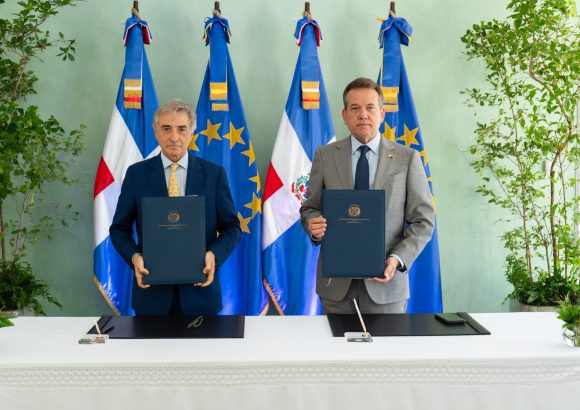
    In a landmark step for international academic collaboration, leaders from Haiti’s State University of Haiti (UEH) and Canada’s University of Quebec at Trois-Rivières (UQTR) formalized a new scientific cooperation and academic mobility agreement during an official signing ceremony held on April 29, 2026. Dieuseul Prédélus, Rector of UEH, put pen to paper alongside Sébastien Charles, UQTR’s Vice-Rector of Research and Development, to launch what both institutions frame as a transformative, reciprocal partnership.

    Designed as a foundational framework to deepen academic exchange, collaborative research and cross-border knowledge sharing between the two post-secondary institutions, the agreement carries outsized meaning for UEH, which has advanced a sustained internationalization agenda for Haitian higher education despite the nation’s current period of global isolation. For Prédélus, the new pact is far more than a bureaucratic document: he called it a “promising gesture for the future,” one that reflects a shared commitment to building mutually beneficial ties between peer institutions rooted in reciprocity, mutual respect, and the core belief that knowledge is a universal public good. This framing is particularly significant against the backdrop of severe structural challenges that have long constrained the growth of Haiti’s higher education sector.

    The agreement outlines a broad suite of collaborative initiatives to bring the partnership to life. Key provisions include the launch of new bilateral student exchange programs, expanded access to international scholarship and internship opportunities, support for joint research projects across disciplines, and mobility pathways for both faculty and administrative staff. Under the exchange framework, Haitian students will have the opportunity to complete a portion of their degree requirements at UQTR’s campus in Canada, while Quebec-based students will be hosted at UEH’s facilities in Haiti. The overarching goal of these exchanges is to drive mutual academic and cultural enrichment for all participants from both institutions.

    The initial term of the agreement is set for five years, with built-in governance mechanisms to address core operational details including intellectual property rights, project funding, and dispute resolution processes. At the end of the initial term, the agreement can be renewed by mutual decision of both institutions to support the continuity of ongoing collaborative projects and expand new initiatives.

    For UEH’s Executive Council, this new agreement marks another milestone in its longstanding push to internationalize Haiti’s higher education system. Even amid the country’s extended period of global isolation, the institution has steadily built out an increasingly connected network of international academic partners, positioning Haitian scholars and students to engage with the global research community.

  • Antigua and Barbuda scientist Alexandra Hughes completes ocean acidification training in Jamaica

    Antigua and Barbuda scientist Alexandra Hughes completes ocean acidification training in Jamaica

    A growing environmental threat to Caribbean marine ecosystems has received a boost in regional preparedness, as a young scientific professional from Antigua and Barbuda has completed specialized training focused on understanding and monitoring ocean acidification. Alexandra Hughes, a graduate assistant attached to Antigua and Barbuda’s Department of Analytical Services, completed the intensive instruction at a training event hosted in Jamaica this cycle.

    The foundational ocean acidification training course was co-organized by two leading institutions in global marine science: the University of the West Indies, and the Ocean Acidification International Coordination Centre operating under the International Atomic Energy Agency (IAEA). The entire program was fully sponsored by the IAEA, which has made expanding developing nation capacity on climate-linked ocean issues a key priority for the Latin America and Caribbean region.

    Throughout the multi-day training, Hughes did not only gain new technical skills — she also took the opportunity to represent her home country’s scientific work as a featured speaker in a panel discussion. During her panel contribution, she outlined the ongoing projects and core missions of Antigua and Barbuda’s Department of Analytical Services, and led a productive conversation about how targeted ocean acidification research can be formally integrated into the island nation’s existing national environmental work framework.

    Unlike many general environmental conferences, this training was designed specifically to build hands-on capacity for early-career scientists across the Caribbean. It gathered early-to-mid-career researchers from 12 different Caribbean island and coastal nations, delivering interactive, practical training on field monitoring protocols, laboratory sample processing, and data analysis techniques that are critical for tracking local changes in ocean chemistry linked to acidification.

    Ocean acidification is a climate change-linked phenomenon that occurs when the world’s oceans absorb excess carbon dioxide from the atmosphere, pushing seawater chemistry toward a lower, more acidic pH level. For the Caribbean, which relies heavily on healthy coral reef ecosystems, commercial and artisanal fisheries, and coastal tourism for national livelihoods, this trend poses an outsized long-term threat. Acidification erodes coral skeleton formation, weakens shellfish populations, and disrupts entire marine food webs that underpin billions in regional economic activity and hundreds of thousands of jobs.

    Regional environmental and science officials from the Caribbean Environment Programme and participating national institutions have emphasized that training local scientific talent through cooperative initiatives like this one is a critical first step to building effective collective and national policy responses. For small island developing states like Antigua and Barbuda, which are among the most vulnerable to climate change impacts but often lack specialized scientific capacity, investment in training like this creates ripple effects that strengthen entire regional response networks. Officials from Antigua and Barbuda’s Department of Analytical Services noted that Hughes’ new expertise will allow the agency to launch its own local monitoring efforts, and contribute national data to regional ocean acidification research initiatives in coming years.

  • Senior Meteorological Officer warns of rising ocean temperatures ahead of hurricane season

    Senior Meteorological Officer warns of rising ocean temperatures ahead of hurricane season

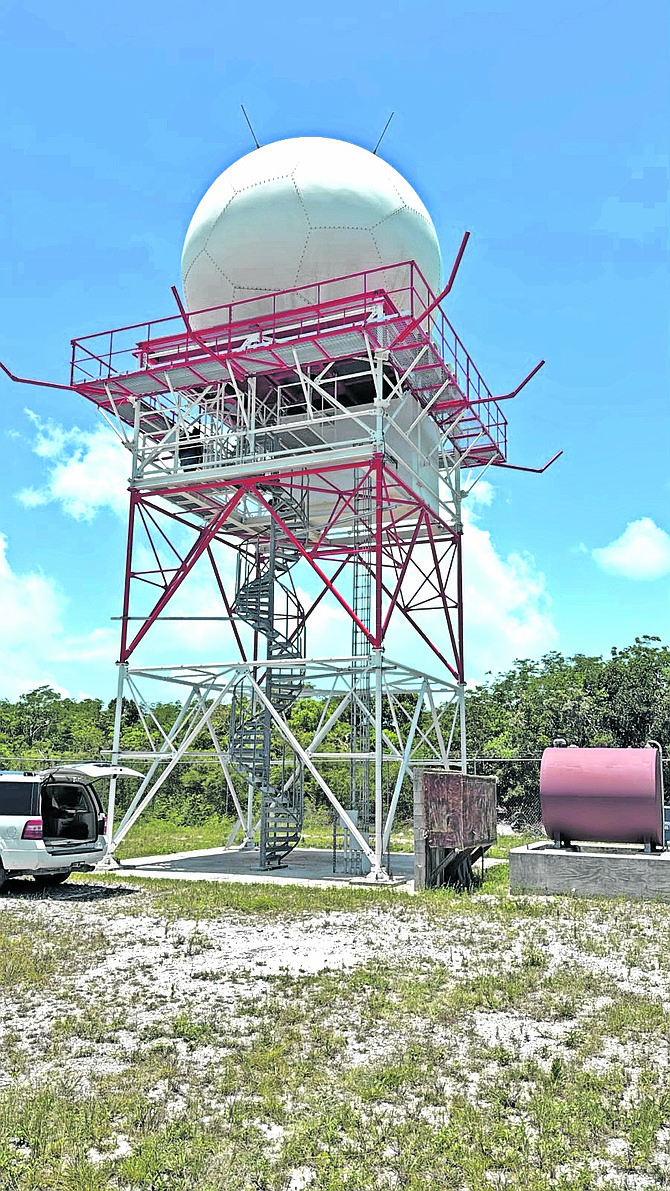
    As the 2026 Atlantic Hurricane Season draws near, senior meteorological officials have sounded a warning over the ongoing trend of rising ocean temperatures, a key driver that amplifies the formation and intensity of tropical weather systems. Speaking in a Wednesday interview on DBS Radio’s popular public education segment *Disaster and You*, Senior Meteorological Officer Marshall Alexander broke down the latest climate observations that set the stage for this year’s storm activity.

    Alexander emphasized that anomalously warm sea surfaces act as critical fuel for the development and strengthening of tropical cyclones. The long-term trend of rising ocean temperatures has consistently hit new milestones in recent years, he noted, with 2025 marking a previous global record for ocean warmth and 2026 already on track to surpass that mark. This consistent upward trajectory has created conditions primed for more active storm development across the Atlantic basin.

    Official seasonal forecasts for the Atlantic hurricane season are overseen by the U.S. National Oceanic and Atmospheric Administration (NOAA), which releases two updated outlooks each year: an initial projection in late May ahead of the season’s official start, and a second update in August, when storm activity typically reaches its peak. Alexander confirmed that local meteorological teams in Dominica are aligning their preparations with NOAA’s forecasting framework to keep communities informed.

    While warmer ocean waters raise the likelihood of more frequent and stronger tropical storms and hurricanes this season, Alexander highlighted a mitigating factor that could work in Dominica’s favor: the ongoing El Niño climate pattern. El Niño typically generates increased vertical wind shear across the tropical Atlantic, a weather condition that disrupts developing storm systems by tearing apart their internal structure and dissipating their accumulated energy. “If a tropical system does form, that wind shear will break up or disrupt the system’s energy before it can strengthen and pose a threat,” Alexander explained.

    The 2026 Atlantic Hurricane Season will officially kick off on June 1 and conclude on November 30, spanning the six-month period when 97 percent of all tropical cyclone activity historically occurs in the Atlantic basin. Meteorological agencies across the Caribbean are already finalizing preparedness plans, urging coastal and inland communities to review emergency protocols and stock up on essential supplies ahead of the first potential storm formations.

  • Moringa Seeds Found to Remove Up to 98.5% of Microplastics from Drinking Water, Study Shows

    Moringa Seeds Found to Remove Up to 98.5% of Microplastics from Drinking Water, Study Shows

    For thousands of years, the fast-growing moringa tree — widely nicknamed the “miracle tree” for its dense nutritional profile and long-documented healing properties — has been used across civilizations to clean contaminated water. Now, a new joint study by researchers from Brazil and the United Kingdom has uncovered another groundbreaking application: extracts from the tree’s seeds can filter out nearly 99% of harmful PVC microplastics from tap water, matching the efficiency of traditional chemical water treatment methods while offering far more sustainable benefits.

    Published in April, the research builds on a decade of work led by Adriano Gonçalves dos Reis, a professor at São Paulo State University’s Institute of Science and Technology. Historical records show ancient Greek, Roman, and Egyptian societies already used moringa to purify water, but Gonçalves dos Reis and his team set out to test whether the plant’s natural coagulant properties — which cause small suspended particles to clump together for easy filtering — could work on microplastics, one of the modern era’s most pressing environmental contaminants.

    Microplastics, defined as plastic fragments smaller than 1 micrometer (roughly 1/25,000 of an inch), have permeated every corner of the global environment, from the deepest ocean trenches to the highest mountain peaks. A 2024 analysis found microplastics in 83% of tested tap water supplies worldwide, and the tiny particles have already been detected in human organs including the brain, reproductive systems, and cardiovascular tissue. While researchers are still working to map the full health impacts of microplastic exposure on humans, animal studies have linked the particles to reproductive damage and hormonal disruption.

    For their experiment, the research team focused on PVC microplastics — one of the most common and hazardous types of microplastic found in drinking water — with an average size of 18.8 micrometers, about one-quarter the thickness of a human hair. When moringa seed extract was added to standard filtration systems, the researchers measured a 98.5% removal rate of PVC microplastics from tap water.

    This efficiency is on par with aluminum sulfate (commonly called alum), the conventional chemical coagulant widely used in municipal water treatment facilities. Strikingly, the team also found moringa seed extract outperformed alum in more alkaline water conditions, a common trait of many natural water sources.

    Beyond comparable effectiveness, moringa offers major advantages over traditional chemical treatments. Unlike alum, which relies on aluminum (a metal linked to neurodegenerative disease when present in high concentrations and requires environmentally destructive mining to produce), moringa seeds are a renewable, fully biodegradable resource. They also produce far less toxic sludge waste and carry minimal toxicity risks for human consumption.

    Matthew Campen, a distinguished professor of pharmaceutical sciences at the University of New Mexico Health Sciences Center who was not involved in the study, called the finding a promising step forward. “Using a natural product to replace an aluminum-based filtration system may offer a cheaper and more sustainable solution to removal of PVC microplastics,” he explained, noting that the approach would also eliminate the environmental harm tied to aluminum mining.

    Still, the method has important limitations that require further research. The study found one moringa seed can treat approximately 10 liters of water, meaning large urban water treatment facilities processing millions of liters daily would require massive quantities of seeds to adopt the technique. Additionally, increased use of organic seed extract could leave higher levels of organic residue in treated water, which would require additional processing to remove.

    Gonçalves dos Reis noted that the technique is already well-suited for small rural communities or remote regions where access to chemical coagulants like alum is limited. For wider use, however, more research is needed to answer key questions: how moringa seed extract breaks down after use, what becomes of the captured microplastics, how scalable the method is for large operations, and whether it remains cost-effective at scale.

    Campen added that future tests will also need to confirm whether moringa can effectively remove other types of microplastics, as well as nanoplastics — the even smaller particles, roughly 1/1000 the width of a human hair, that are most likely to penetrate human organs and bloodstream.

    Gonçalves dos Reis says his team is already moving forward with this research, and he is confident moringa seeds will prove effective across a wide range of plastic contaminants. For experts like Campen, developing scalable solutions for microplastic contamination could not come soon enough: global microplastic and nanoplastic exposure levels continue to rise, a trend that experts expect will persist for decades to come.

  • Dr. Jodi Bianca Callwood Becomes First Antiguan SMART Scholar to Earn PhD in Bioinformatics and Computational Biology

    Dr. Jodi Bianca Callwood Becomes First Antiguan SMART Scholar to Earn PhD in Bioinformatics and Computational Biology

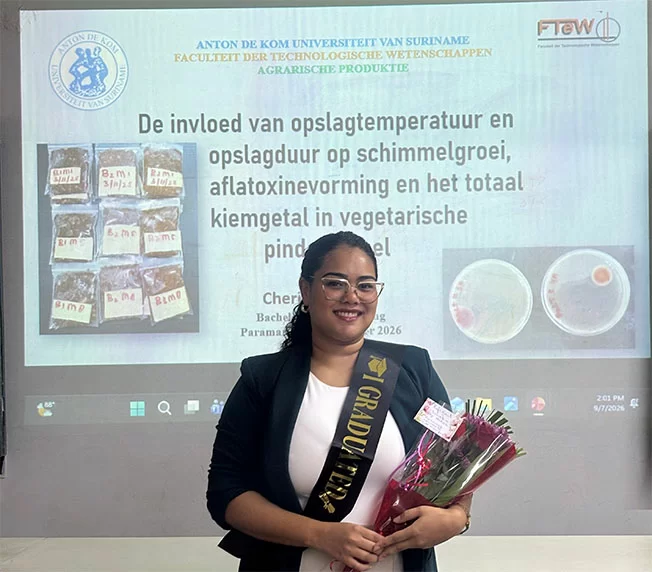
    A trailblazing academic milestone has put Antigua and the Caribbean on the map in the cutting-edge field of bioinformatics, as Dr. Jodi Bianca Callwood has officially graduated with a Doctor of Philosophy in Bioinformatics and Computational Biology from Iowa State University. The historic achievement marks one of the first times a scholar from Antigua has reached the pinnacle of doctoral study in this specialized, high-growth discipline. Adding another layer of significance to her success, Dr. Callwood also counts herself among a small group of Black women to complete a PhD in this field at Iowa State University, opening doors for underrepresented scholars who will follow in her footsteps.

    Born into a family with deep roots in Antiguan community life, Dr. Callwood is the daughter of Carlene Spencer-Callwood from Glanvilles Village, and the granddaughter of the late Cortwright “Dex” Spencer of Potters Village and the late respected educator Audrey Spencer. Her work focuses on the intersection of plant science, computational modeling and genetic analysis, a subfield that merges three core disciplines—traditional biology, advanced computer science, and large-scale data analytics—to unpack the complex genetic systems that govern plant growth and function. Research in this space is a critical driver of global progress, underpinning breakthroughs in crop yield optimization, strengthening global food security frameworks, and boosting the natural environment’s ability to adapt to climate change.

    Dr. Callwood’s path to this historic achievement is a study in consistent perseverance and self-directed determination. She began formal primary education at the age of five, but transitioned to homeschooling just two years later. That tailored learning environment allowed her to accelerate her academic progress through targeted, dedicated instruction, far outpacing the curriculum of traditional grade-level schooling. At 13, she re-entered the formal education system, where she quickly discovered and nurtured a deep, abiding passion for science and mathematics that would shape her entire academic career.

    Her impressive academic resume traces a steady upward trajectory of achievement: she earned a Bachelor of Science in Bioengineering from Walla Walla University, completed a competitive summer research internship at Cornell University, and went on to obtain a Master of Science from Delaware State University before beginning her doctoral work at Iowa State. A testament to her standing as a rising STEM leader, she completed her PhD as a member of the prestigious SMART Scholarship program, allowing her to graduate entirely free of student debt, a rare and notable accomplishment for early-career scholars.

    Outside of her groundbreaking academic work, Dr. Callwood maintains a diverse set of interests and accomplishments: she is an experienced competitive swimmer, holds certification as a professional lifeguard, and is an avid gamer. Following her graduation, she has already accepted a civilian research position with the United States Navy, where she will apply her specialized expertise to advance cutting-edge scientific research and contribute to public national service. Notably, academic excellence runs in her family: her brother Julian is currently in the final stages of completing his own PhD, marking another extraordinary achievement for the Callwood family.

    Across Antigua and the broader Caribbean regional community, congratulations have poured in for Dr. Callwood’s landmark success. Community leaders and educators across the region point to her journey as a powerful source of inspiration for young people, particularly young women and scholars from underrepresented backgrounds, who aspire to build careers in the advanced computational and life sciences. Her success breaks new ground for Caribbean scholars in STEM, proving that scholars from small island nations can compete and excel at the highest levels of global academia.

  • Leisure : Did you know ? #17

    Leisure : Did you know ? #17

    Nestled in the hedgerows and wild gardens of Haiti, a climbing vine known locally as Asosi (scientific name Momordique) has long held a central place in the Caribbean nation’s traditional healing practices. Now, this little-documented native plant is drawing new attention for its potential to support modern medical research, while highlighting the urgent value of preserving indigenous ethnobotanical knowledge for marginalized communities.

    For generations, Haitian communities have relied on Asosi’s distinctive serrated leaves and intensely bitter fruits to treat a range of common ailments. Preparations of the plant, most often steeped into infusions or added to therapeutic baths, are traditionally used as a depurative to “purify the blood,” as well as to address topical skin infections and reduce fever. In rural regions of Haiti where access to modern clinical healthcare remains severely limited, this widespread climbing vine has served as a trusted, accessible primary care resource for locals.

    Modern science is beginning to validate the traditional uses of Asosi: researchers have confirmed that the plant contains a range of biologically active compounds that are currently the subject of ongoing studies focused on developing new treatments for type 2 diabetes, a chronic condition that affects growing numbers of people across Haiti and the globe. Even with its notoriously bitter taste, the plant remains a staple of local traditional pharmacopoeia in underserved rural areas.

    Beyond its medicinal value, protecting the natural habitats where Asosi grows wild delivers dual benefits: it preserves a free, accessible “green pharmacy” for low-income communities that lack reliable access to conventional medications, and it protects a native species that acts as a natural ecological regulator in local hedgerows and untended green spaces. This makes conservation of Asosi’s growing areas both a public health priority and an ecological win for Haiti.

    This profile of Asosi originates from the fact sheets published alongside quiz answers on HaitiLibre’s QuizHaitiLibre platform, an online educational resource that lets users test their general knowledge across a wide range of topics focused on Haiti and global affairs. The free, no-registration quiz platform offers content for all experience levels, with three difficulty tiers—normal, intermediate, and advanced—available in both French and English. New quiz content is added to the platform on a monthly rolling update, with 28 new games added to the site in the most recent update on April 8. Visitors can explore the full collection of existing quizzes, including previous installments of the platform’s “Did You Know” educational series covering Haitian culture, botany, and history, at https://quiz.haitilibre.com/en.